
Objective
This blog explains how long a shipping container shelter can last based on use, cover material, weather, maintenance, and site conditions. It also explains the difference between PVC and PE covers in simple terms, so buyers can make a better decision before choosing a container shelter.
Key Takeaways
- A well-installed, well-maintained shipping container shelter can last many years.
- The steel frame often lasts longer than the fabric cover.
- PVC covers usually last longer than PE covers in heavy outdoor use.
- Wind, sun, snow, poor tension, and sharp contact points can reduce lifespan.
- Regular checks can add years to a container shelter's PVC lifespan.
- Usage type matters. Storage, farming, workshops, and industrial use all place different stress on the shelter.
What Is A Shipping Container Shelter?
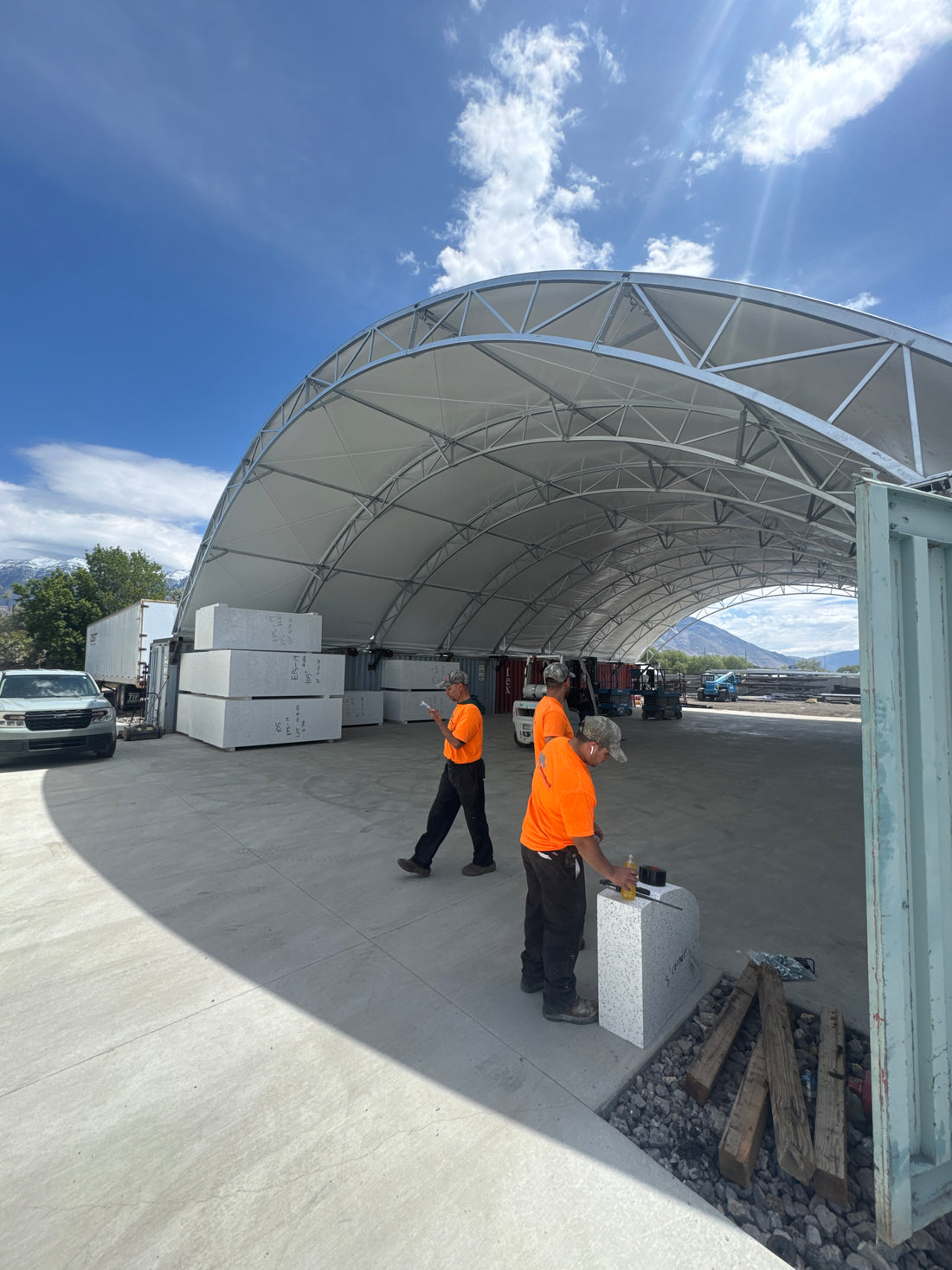
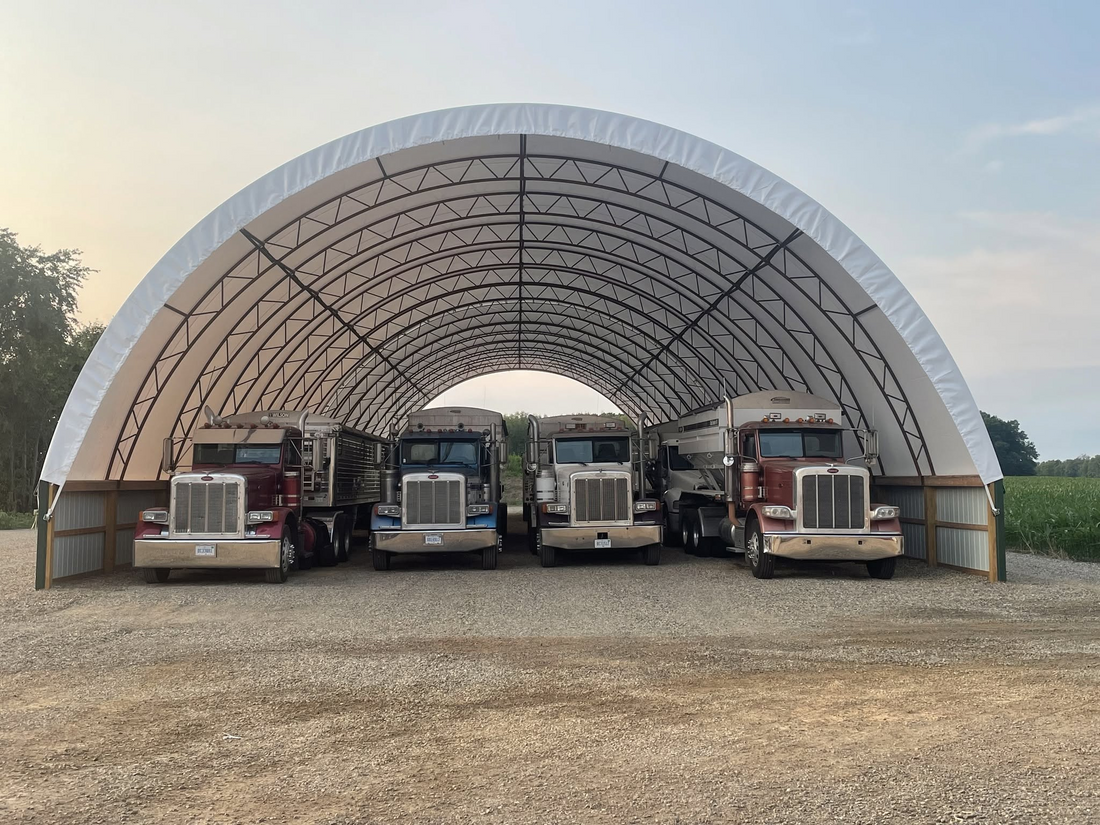
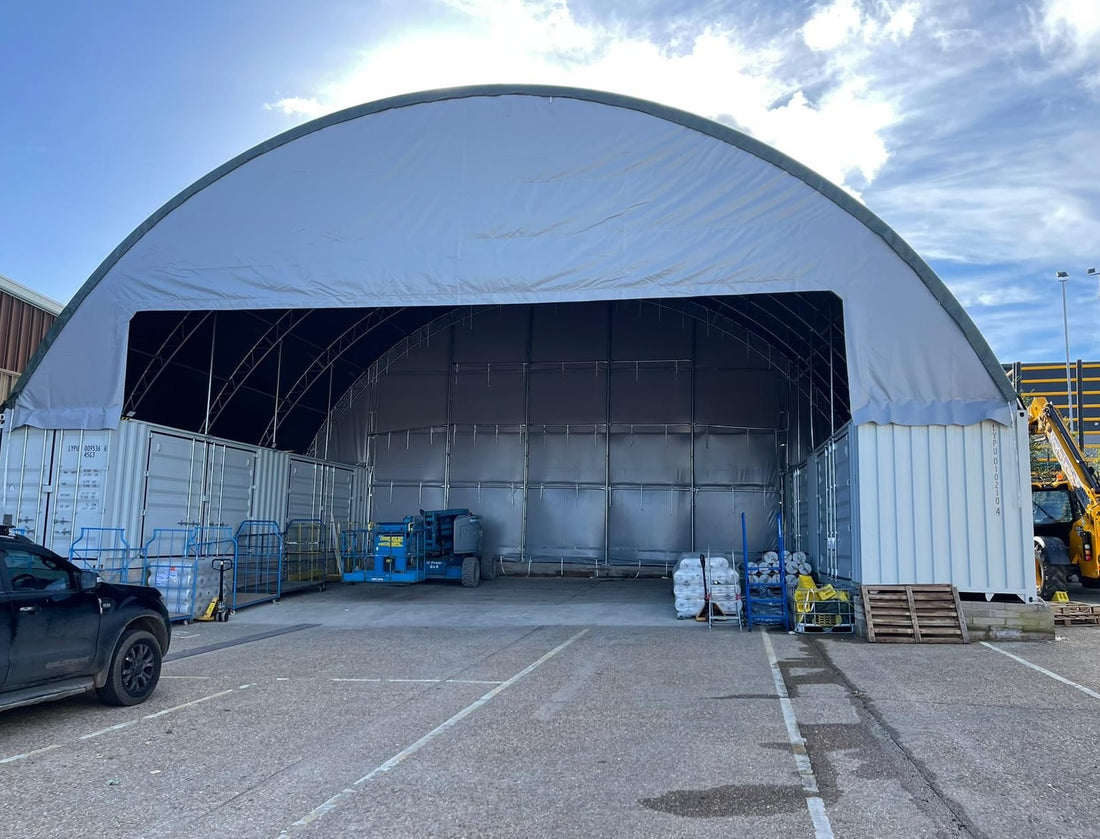
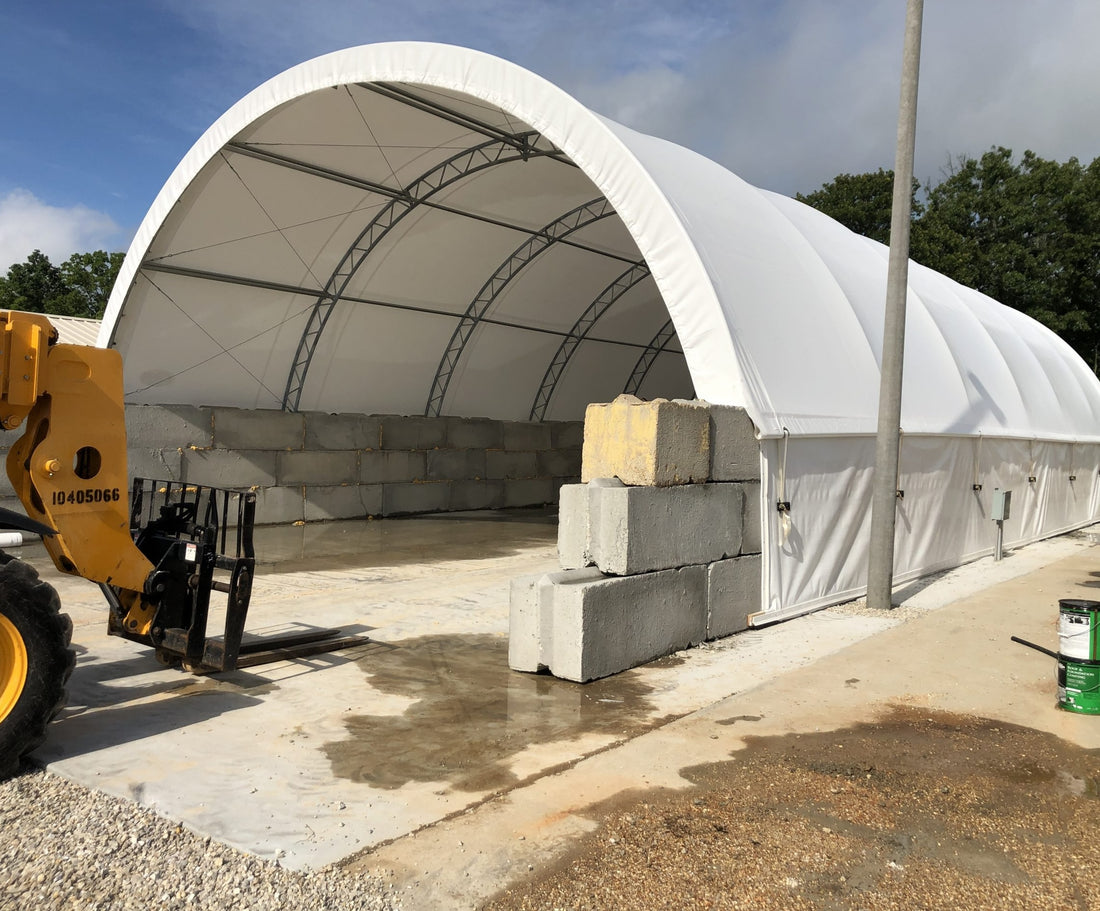
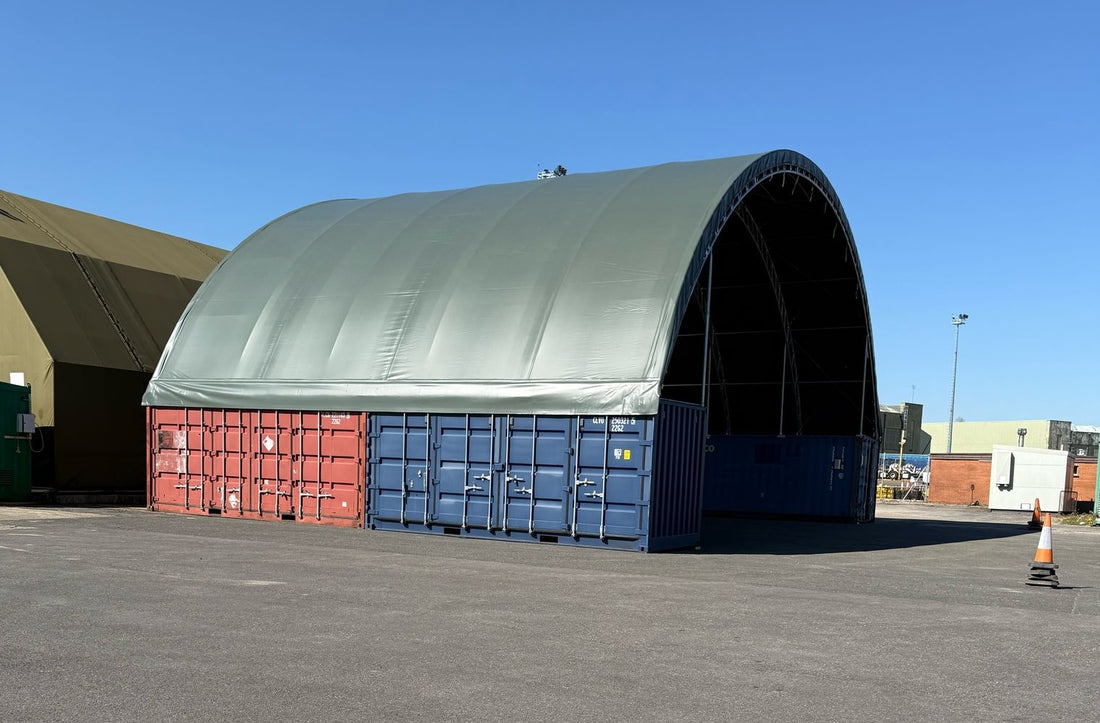
A shipping container shelter is a covered structure fixed between two shipping containers or mounted on a container frame. It creates a wide protected space without building a permanent structure.
Many people use it for:
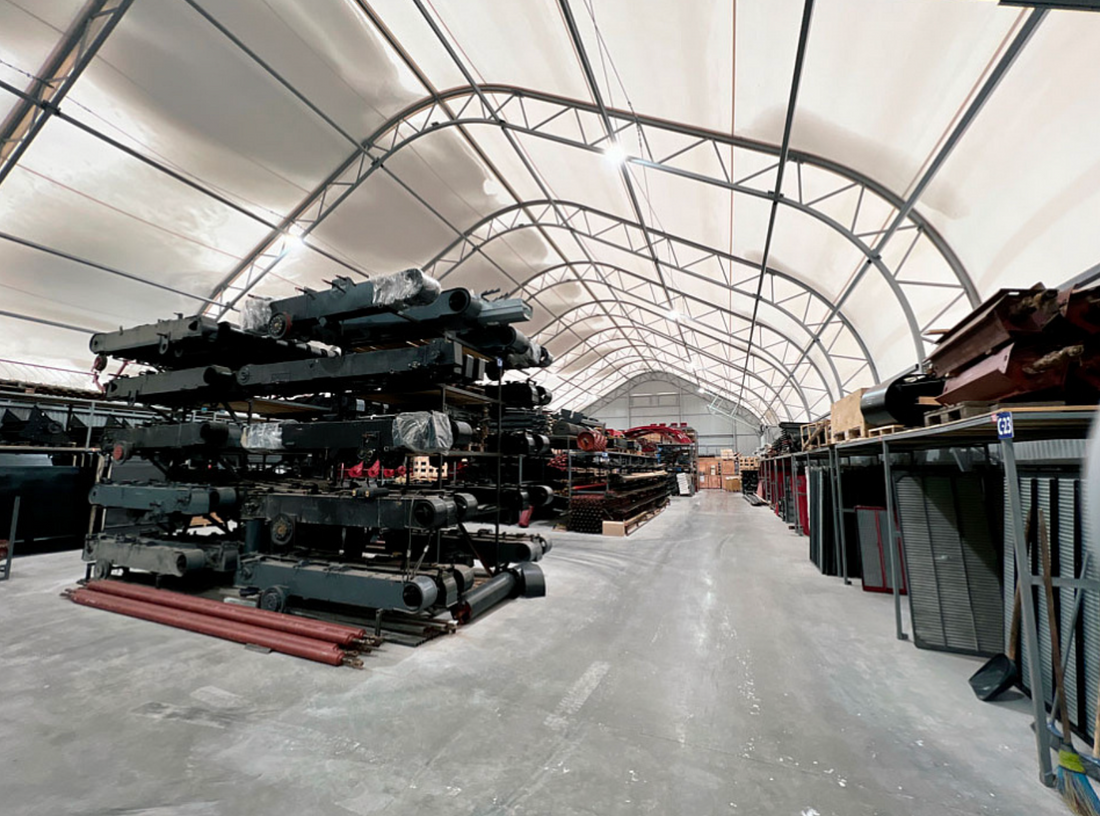
- Equipment storage
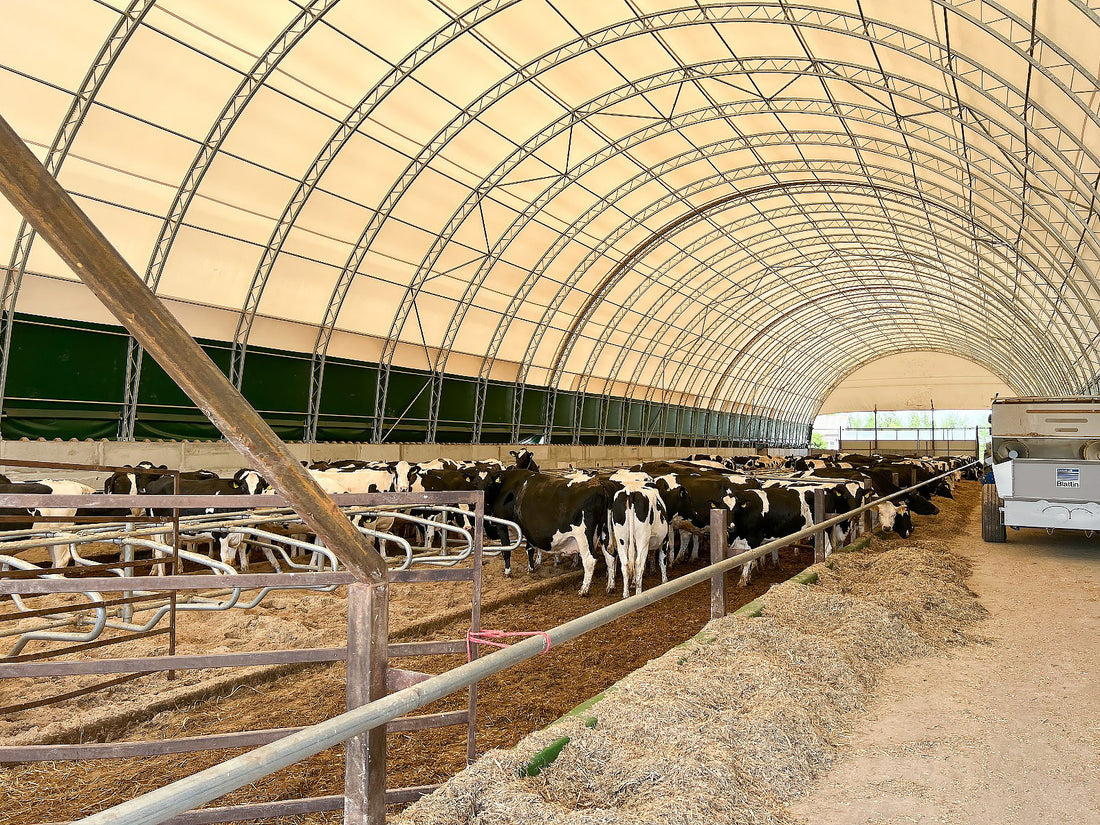
- Farm machinery
- Vehicle parking
- Temporary workshops
- Loading areas
- Material storage
- Weather protection
A brand like Sheltirx usually serves buyers who need practical shelter space without a full building project.
The lifespan of a container shelter depends on two main parts: the frame and the cover.
The frame is usually steel. The cover is often PVC or PE fabric. These two parts do not age at the same speed.
Average Shipping Container Shelter Lifespan
A well-made shipping container shelter can last anywhere from 5 to 15 years or more. The exact number depends on material quality, usage, weather, and maintenance.
PVC covers are often used for longer-term shelters because they are stronger, heavier, and better suited for outdoor exposure. Many industry sources estimate the lifespan of PVC tarpaulin at 5 to 10 years, while high-quality PVC covers can last longer with proper care. PE covers are usually lighter and more suited for shorter-term use.
Here is a simple guide:
These numbers are general. A poorly installed shelter may fail early. A well-maintained one can last much longer.
PVC Container Shelter Lifespan: What To Expect
The lifespan of a PVC container shelter is usually better than that of a PE shelter when used outdoors for many years.
PVC fabric is commonly made with a strong base layer and a protective coating. This helps it resist water, tearing, and weather. PVC-coated fabrics are also used in outdoor structures because they offer strength, waterproofing, and UV resistance.
A PVC shipping container shelter is a better fit when:
- The shelter will stay in one place for years
- The area gets strong sun
- The site gets wind or rain
- Equipment will move in and out often
- The shelter needs stronger tear resistance
- The buyer wants lower replacement risk
PVC is not damage-proof. It still needs care. But it usually handles tough use better than lighter PE covers.
How Long Does A Container Canopy Last?
Many buyers ask: how long does a container canopy last?
The clear answer is this: the canopy cover usually wears out before the frame.
A good steel frame can last many years if it is coated, kept stable, and protected from rust. The fabric cover takes more stress because it faces the sun, wind, rain, snow, and daily movement.
A container shelter canopy may last:
- 3–5 years with light PE cover
- 5–10 years with standard PVC cover
- 10+ years with high-quality PVC, good tension, and regular care
The biggest mistake is judging lifespan only by fabric type. Installation matters just as much.
A loose cover can flap in the wind. That flapping creates stress. Over time, it can weaken the fabric and seams.
Container Shelter PVC Vs PE Durability
When comparing container shelter PVC vs. PE durability, consider long-term use, not just price.
PVC Cover
PVC is usually heavier and stronger. It is often chosen for semi-permanent and heavy-duty shelters. PVC is also easier to repair in many cases, as patches can be bonded or welded, depending on the fabric type and repair method. Some container shelter suppliers note that PVC covers can last longer than PE covers under similar use.
PVC is better for:
- Long-term storage
- Industrial sites
- Farm use
- High wind areas
- Daily access
- Large shelter spans
PE Cover
PE is usually lighter and more affordable. It can work well for short-term or lighter use. But it may not handle long exposure and repeated stress as well as heavier PVC. Some tarp comparisons describe PE as suitable for lighter coverage, while PVC is better for rugged and long-term use.
PE is better for:
- Short-term projects
- Lower-budget shelter needs
- Light weather cover
- Temporary storage
- Less demanding sites
The right choice depends on how long the shipping container shelter must stay in service.
What Shortens The Life Of A Container Shelter?
A container shelter can fail early when small problems are ignored.
Common causes include:
- Loose fabric tension
- Poor anchoring
- Standing snow load
- Sharp edges touching the cover
- Tree branches rubbing the fabric
- Strong wind exposure
- Poor drainage near containers
- Rust on frame parts
- Heat from tools or machinery
- No regular inspection
Wind is one of the biggest problems. When the cover moves too much, the fabric and seams get tired. A tight cover spreads stress better.
Usage Type Changes Lifespan
A shipping container shelter used for quiet storage will not age the same way as one used as a busy workshop.
Light Storage Use
This is usually the easiest use. Items are stored under cover and moved only occasionally. The shelter sees less contact and less daily stress.
Expected lifespan: 8–12 years with a good PVC cover.
Farm Use
Farm shelters face dust, sun, wind, and machinery movement. Tractors and tools can also accidentally come into contact with the cover.
Expected lifespan: 6–10 years.
Workshop Use
Workshop use can be harder on the shelter. Tools, heat, sparks, and daily movement can reduce cover life. The shelter should have safe spacing and good ventilation.
Expected lifespan: 5–9 years.
Industrial Use
Industrial use can be rough. Forklifts, pallets, sharp materials, and daily loading can accelerate the deterioration of the cover.
Expected lifespan: 5–8 years.
In one body section, Sheltirx can be understood as part of this practical shelter category, where buyers often care more about real use than product size.
How To Extend Container Shelter Lifespan
A few simple habits can protect your container shelter.
- Check fabric tension after storms.
- Remove snow before it builds up.
- Keep sharp items away from the cover.
- Trim nearby branches.
- Check bolts and anchors.
- Remove dirt and chemical stains from the fabric.
- Repair small tears early.
- Make sure water drains away from containers.
- Inspect the frame for rust.
- Do not let machinery scrape the sidewalls.
Small repairs are cheaper than full cover replacement.
Signs Your Container Shelter Cover Needs Replacement
A cover may need replacement when you see:
- Large tears
- Brittle fabric
- Weak seams
- Heavy fading with cracking
- Water leaks in several areas
- Loose fabric that cannot be tightened
- Repeated patch failure
- Damage around anchor points
One small tear does not always mean the cover is finished. But repeated damage is a sign that the fabric is near the end of its life.
FAQs
How Long Does A Shipping Container Shelter Last?
A shipping container shelter can last 5 to 15 years or more. The frame may last longer than the cover. PVC covers usually give better long-term performance than lighter PE covers.
What Is The Average Lifespan Of A PVC Container Shelter?
The average lifespan of a PVC container shelter is typically 5 to 10 years. High-quality PVC, good installation, and regular care can extend that lifespan.
How Long Does A Container Canopy Last In Heavy Use?
In heavy use, a container canopy may last 5 to 8 years. Daily movement, wind, sun, and contact with equipment can shorten the lifespan of the cover.
Is PVC Better Than PE For A Container Shelter?
PVC is usually better for long-term and heavy-duty use. PE can work for temporary or lighter needs. For long outdoor use, PVC often gives better durability.
What Damages A Container Shelter The Fastest?
Loose fabric, strong winds, snow load, sharp edges, and poor anchoring can quickly damage a container shelter. Regular checks help prevent early failure.
Can A Shipping Container Shelter Cover Be Repaired?
Yes, many PVC covers can be patched when the damage is small. Large tears, weak seams, or brittle fabric may require replacement of the cover.
Conclusion
The real lifespan of a shipping container shelter depends on how it is used. A shelter for light storage may last longer than one used daily on a busy industrial site. PVC usually performs better for long-term outdoor use, while PE is often better for short-term or lighter needs.
The best way to protect your investment is simple. Choose the right cover, install it correctly, keep it tight, and inspect it often.
Need help choosing the right container shelter for your site? Contact Sheltirx for clear guidance before you buy.