

Objective
Buying a container canopy sounds simple until you are staring at a dozen different listings with no idea what separates a solid product from a waste of money. This guide walks you through every key factor, fabric weight, frame material, sizing, anchoring, and more, so you can order with confidence and avoid the mistakes most first-time buyers make.
Key Takeaways
- GSM rating directly determines how long your canopy fabric will last outdoors
- Container size must be measured before you look at a single product listing
- Anchoring method is what keeps your canopy standing in bad weather
- Not all canopy for shipping containers products are interchangeable, fit and specs matter
- A conex canopy uses the container itself as a structural anchor point
- Always verify wind rating, snow load, and warranty before placing any order
Why You Need to Think Carefully Before Buying a Container Canopy
Shipping containers are built to take a beating. Steel walls, corrugated roofs, heavy-duty corner castings, they look indestructible. But leave one sitting outside for a few years, and the damage adds up fast. The roof collects standing water. The metal heats up to extreme temperatures in summer. Rust starts forming in places you cannot even see. Whatever is stored inside pays the price.
A container canopy fixes all of that. It creates a protective layer between your container and the elements. It reduces heat buildup, stops direct rain impact, slows rust, and extends the usable life of both the container and its contents. It also gives you covered working space alongside the container, something many buyers don't think about until they are working in the rain.
The market for container canopy products has grown significantly in recent years. That is good in one sense, more options, more competition, better prices. But it also means more low-quality products sitting alongside genuinely good ones. Sheltirx has worked in the fabric structure space long enough to know that buyers who do their homework before ordering are almost always happier than those who just go with the cheapest listing they find.
This guide is the homework. Read it before you buy anything.
Understanding the Different Types of Container Canopy Products
What Exactly Is a Container Canopy?
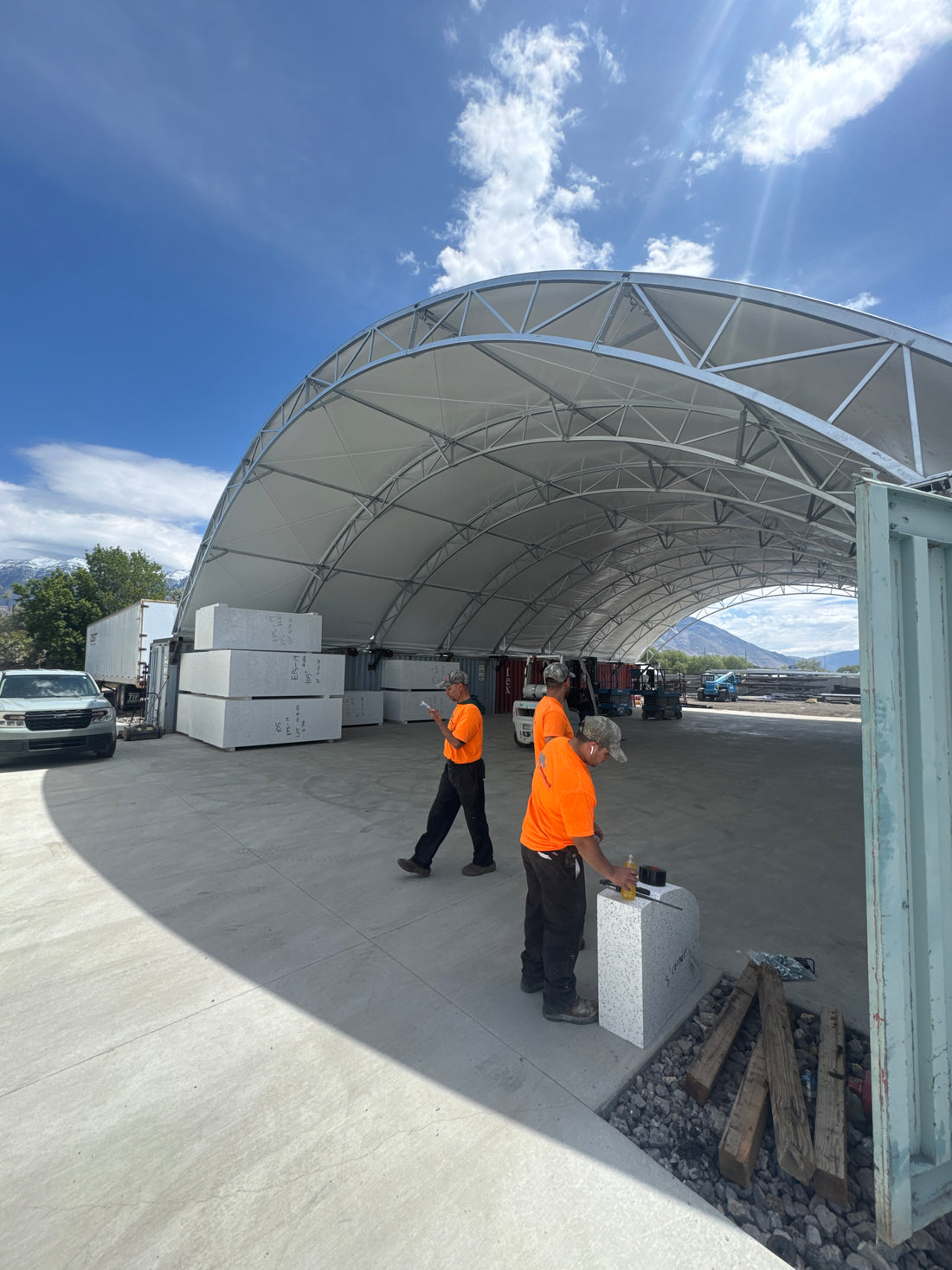
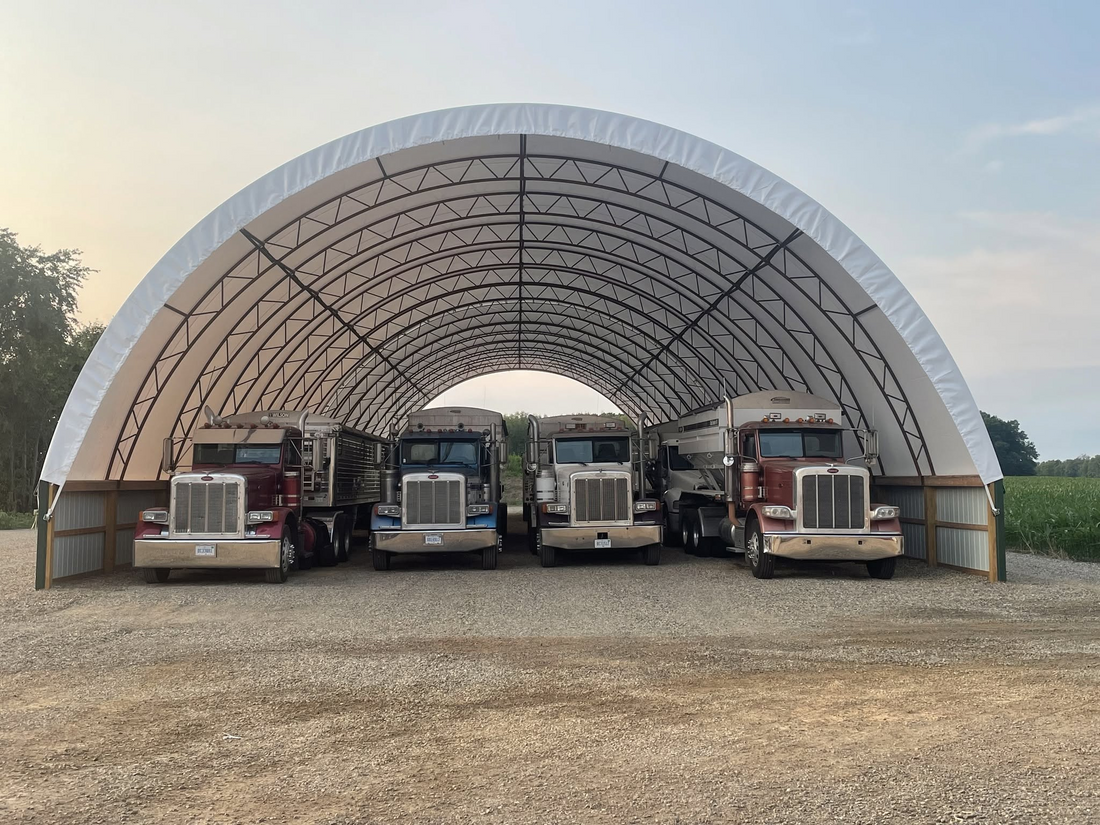
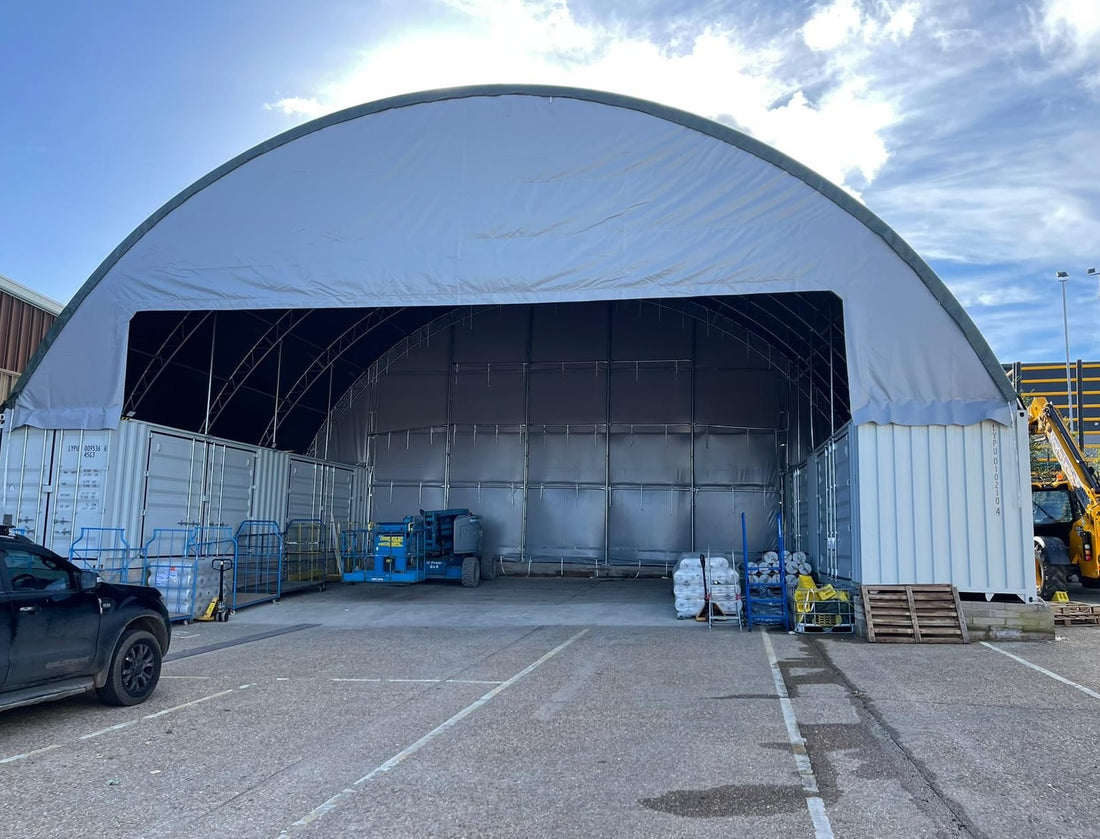
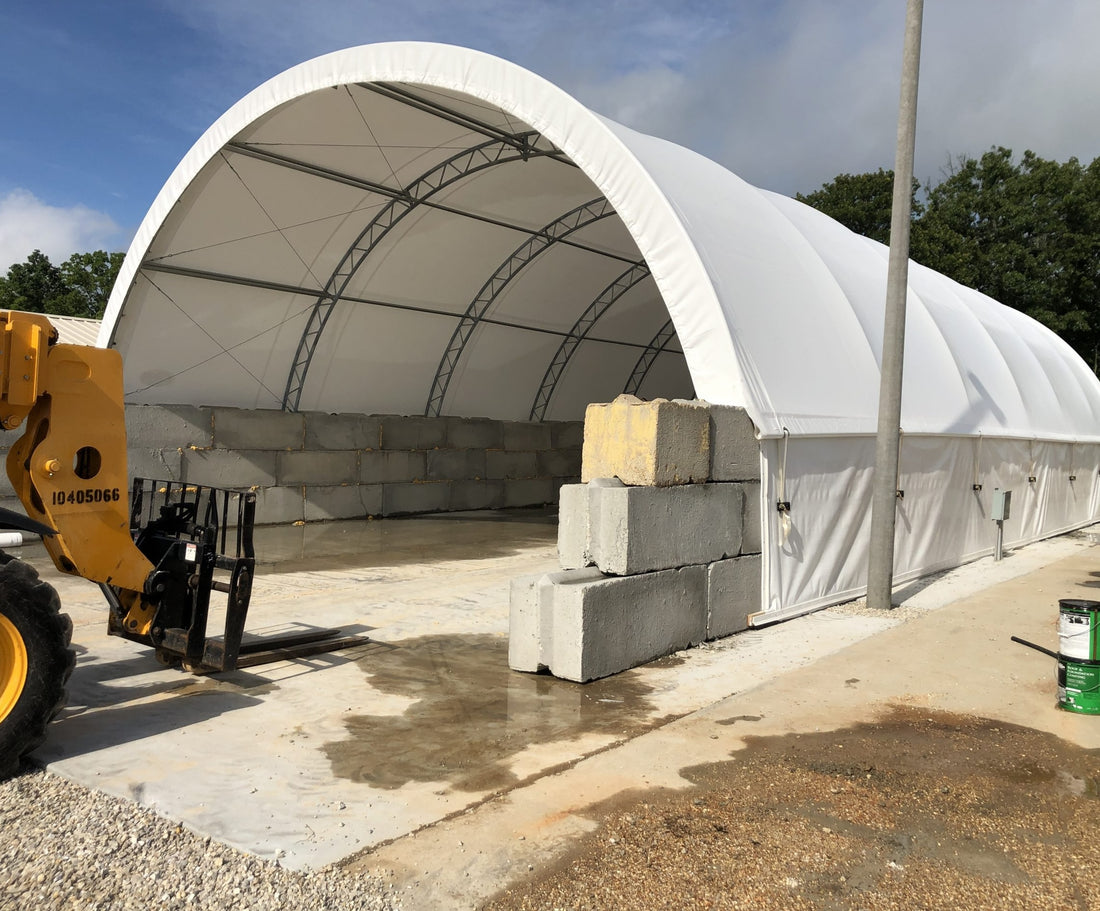
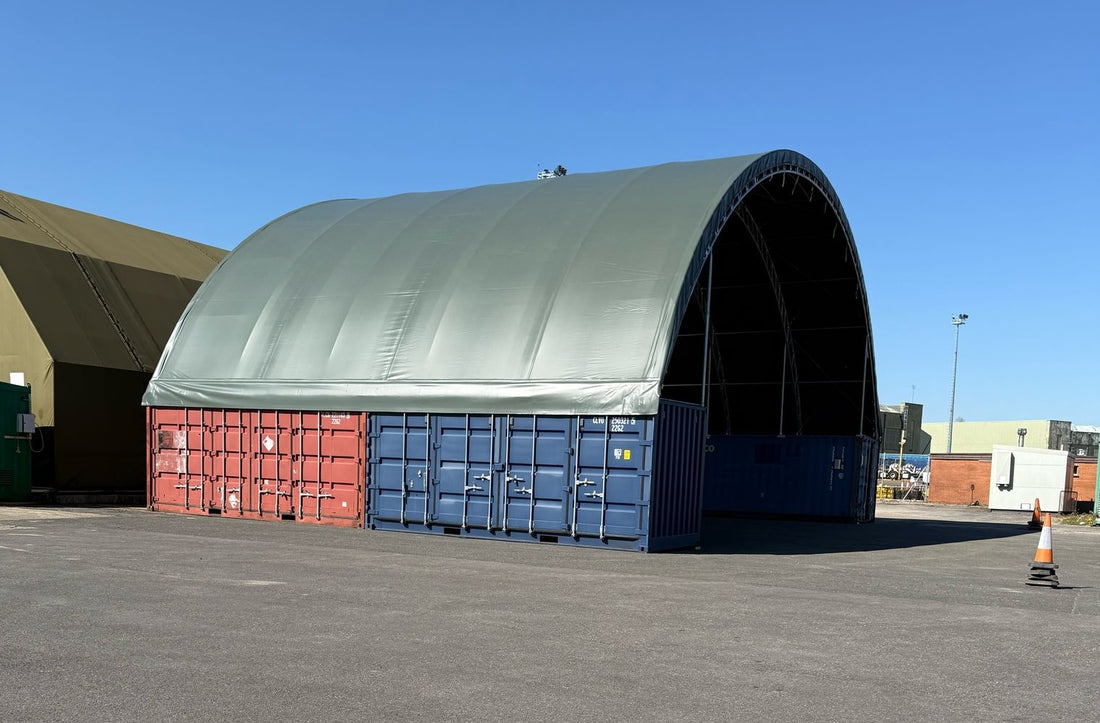
A container canopy is a covered structure that mounts over or alongside a shipping container to provide weather protection. It is not a tarp. It is not a basic tent. A proper container canopy has a structural frame, rated fabric, and a specific attachment system designed to work with the container itself.
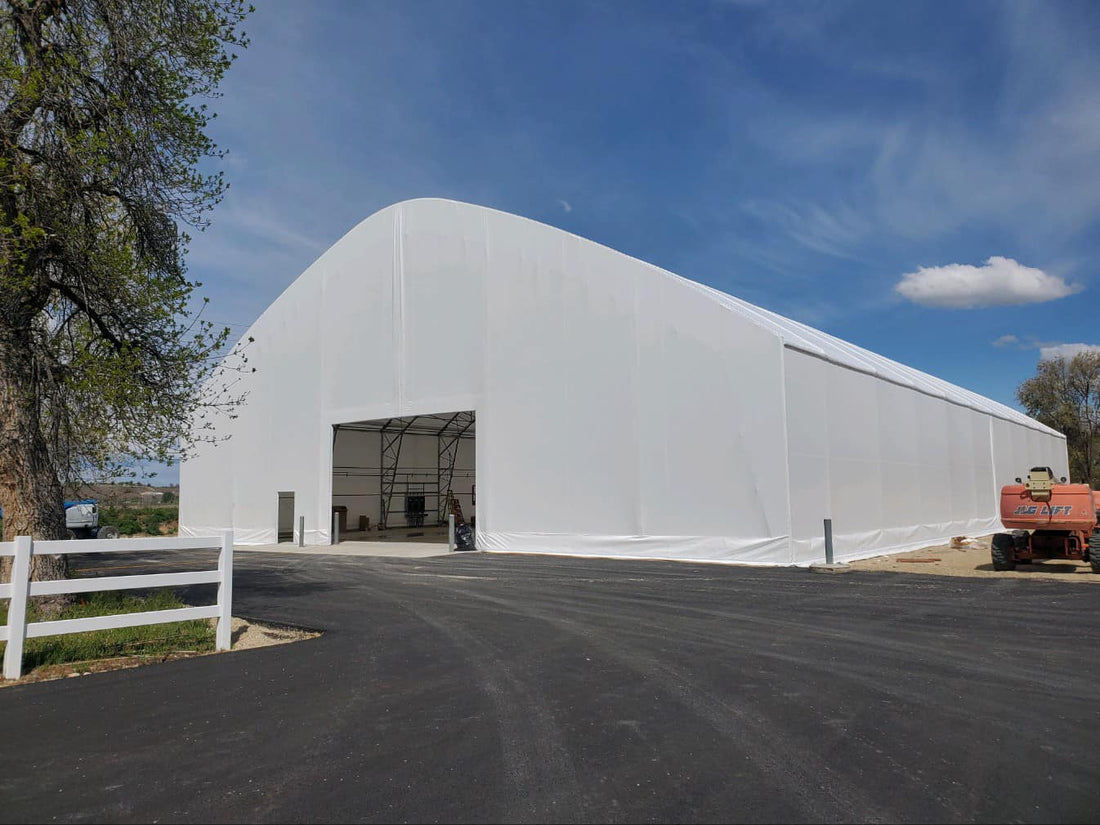
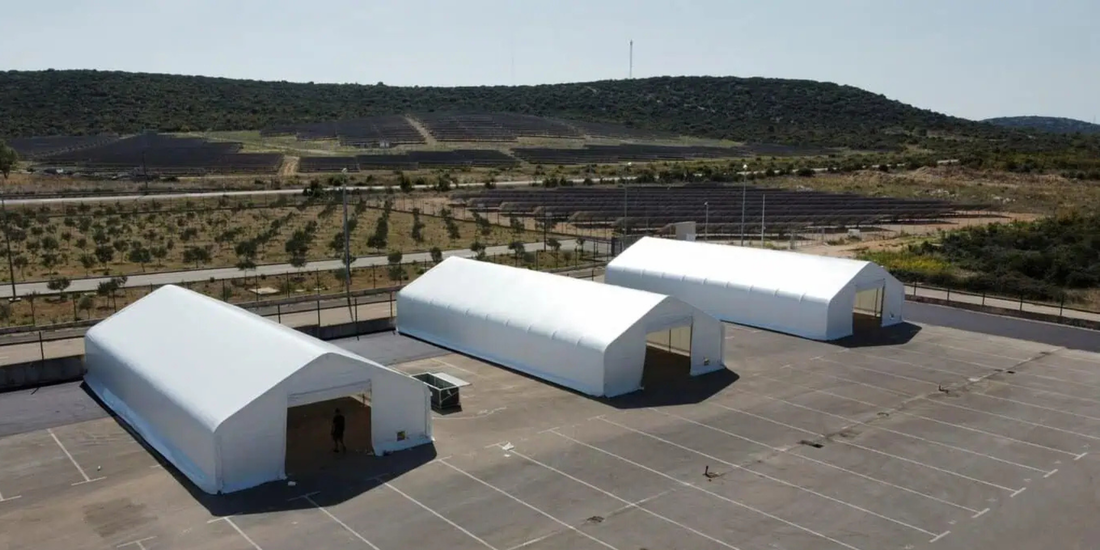
The three main styles are the over-roof canopy, which sits directly on top of the container and extends outward on one or both sides; the lean-to canopy, which attaches to the container's side wall and extends outward to create a sheltered work area; and the full enclosure canopy, which covers the entire container, including the sides and ends. Each serves a different purpose. Your job site, storage setup, or facility will determine which one makes the most sense for you.
What Makes a Conex Canopy Different?
The term conex canopy refers to a canopy specifically engineered to work with conex boxes, the standard ISO shipping containers used in global freight. These containers follow strict dimensional standards, and a conex canopy is built around those exact measurements.
What makes this important is the attachment method. A conex canopy anchors directly to the container using the corner castings, those thick steel fittings at each corner of every standard container. This creates a structurally sound connection between the canopy and the container. The container itself becomes part of the load-bearing system. That is a fundamentally stronger setup than a canopy that just sits nearby and stakes into the ground.
If you have a standard 20ft or 40ft shipping container, always look specifically for Conex canopy options rather than generic shelter products. The fit will be better, the installation will be cleaner, and the whole system will perform more reliably in bad weather.
The Container Canopy GSM Rating Explained
Why GSM Is the Most Important Number on the Spec Sheet
GSM stands for grams per square meter. It measures the density and thickness of the canopy fabric. A higher GSM means heavier, thicker, more durable fabric. A lower GSM means a lighter material that may wear out faster.
This single number tells you more about long-term performance than almost anything else on the product listing. Yet most buyers glance past it or have no idea what it means. That knowledge gap is exactly how people end up replacing a canopy after two years when they should have gotten ten out of it.
How to Read the GSM Scale for Your Situation
Fabric rated between 150 and 250 GSM is light duty. It works fine for occasional or short-term use, but it will not hold up through multiple seasons of real outdoor exposure. Between 250 and 350 GSM lies the medium-duty range, decent for mild climates where the canopy is not regularly facing extreme sun, wind, or snow.
For a canopy for permanently outside shipping containers, start at 400 GSM and go up from there. The 400-550 GSM range covers most heavy-duty industrial and commercial applications. If you live in a region with serious storms, heavy snowfall, or intense UV exposure year-round, consider 600 GSM or higher.
Beyond the GSM number itself, also check whether the fabric is truly waterproof or just water-resistant. Waterproof fabric has a sealed coating that stops water from passing through under sustained pressure. Water-resistant fabric will let moisture through during prolonged heavy rain. For outdoor container use, waterproof is the only acceptable standard. UV resistance matters just as much, look for fabric that blocks at least 90% of UV radiation. And if your site has any fire code requirements, confirm the fabric carries a flame-retardant certification before you order.
How to Choose a Container Canopy: The Full Checklist
1. Measure Your Container Before Anything Else
This sounds obvious, but gets skipped constantly. A canopy that does not match your container dimensions is useless. Measure the length, width, and height of your container before you look at a single product. If you have a high-cube container, which stands about a foot taller than a standard unit, that extra height must be factored in. A canopy spec sheet will list the exact container sizes it is compatible with. Match those numbers to yours before going any further.
2. Choose the Right Frame Material for Your Environment
The frame is what keeps the canopy standing. Galvanized steel is the strongest and most corrosion-resistant option for permanent outdoor setups. It handles moisture, salt air, and temperature swings without degrading. Powder-coated steel offers solid performance with a more finished appearance and is available in different colors. Aluminum is lightweight and easy to relocate, but it does not have the same load capacity as steel. For anything that will stay in place year-round and face genuine weather, galvanized steel is the right choice.
3. Understand the Anchoring System Before You Commit
How the canopy attaches to the container, and to the ground, determines how it performs when conditions get bad. Corner casting clamps lock directly into the standard holes at each container corner and are the most secure attachment method available. Rail clamps grip the top edge of the container along its length. For freestanding canopy setups, ground anchoring using auger stakes or concrete footings is the standard approach.
What you want to avoid is any canopy system that relies on rope, bungee cords, or lightweight straps as the primary connection. Those might hold fine on a calm day. They will not hold through a storm with sustained 60 mph winds.
4. Check Load Ratings for Your Climate
Every canopy should have two load ratings listed on its specification sheet, snow load and wind load. Snow load is measured in pounds per square foot. Most quality industrial canopies handle between 20 and 30 psf. Wind load tells you the maximum sustained wind speed the structure is rated to withstand. For general use, 80 to 100 mph is a reasonable minimum. In coastal or storm-prone areas, look for 110 mph or higher.
Do not guess on this. Check the load requirements in your local building codes. If the canopy does not meet those numbers, it is not the right product for your location, regardless of how good everything else looks.
5. Read the Warranty as It Matters
Because it does, a quality container canopy should carry at least a three-year warranty on both the fabric and the frame. Better products offer five years or more. Before you order, ask specifically what the warranty covers. Does it include UV degradation of the fabric? Does it cover rust or corrosion on the frame? What is the actual process for making a claim? If a supplier cannot answer those questions clearly, that tells you something important about how they stand behind their product.
Spotting Low-Quality Container Canopy for Sale Listings
Red Flags That Should Make You Walk Away
The container canopy market is full of products that look fine in photos but fail within a season. Knowing what to watch for saves you real money.
No GSM rating in the listing is the biggest warning sign. If a seller does not publish that number, the fabric is almost certainly below the threshold that would help them sell it. No wind or snow load rating means the product has never been properly engineered or tested. No warranty or return policy means the supplier is not confident in what they are selling. Vague claims like fits all containers should raise your eyebrows, dimensions always matter, and a legitimate supplier will always list exact compatibility specs.
Any reputable supplier should provide a full specification sheet on request without hesitation; if they cannot or will not, move on and find one who can.
The Right Container Canopy Pays for Itself
Buying the right canopy for shipping containers is not complicated if you know what to look for. Check the GSM. Match the dimensions. Verify the frame material. Confirm the anchoring system. Read the load ratings. Review the warranty.
That process takes an hour. Skipping it can lead to problems later.
Sheltirx engineers fabricate shelter systems for real conditions, not catalog photos. Whatever your setup looks like, the fundamentals in this guide apply every single time.
Do your homework before you order. The right container canopy will protect your assets for years. The wrong one will have you shopping again before the next winter arrives.
"A container canopy is not a purchase you should make in a hurry. Take the time to get it right the first time."
FAQs
What is the minimum GSM rating for a container canopy used outdoors year-round?
For permanent outdoor use, 400 GSM is the minimum you should consider. Anything below that is likely to show UV damage, tearing, or waterproofing failure within a couple of seasons. If your location gets heavy snow or frequent storms, move up to 550 GSM or higher.
What is the difference between a conex canopy and a standard container canopy?
A conex canopy is specifically designed to attach to standard ISO shipping containers using corner castings as anchor points. A general container canopy may be a freestanding structure placed near a container. The conex version offers a more secure, purpose-built fit and performs better in wind because the container itself becomes part of the structure.
How do I know what size canopy to order for my container?
Measure your container's length, width, and height before shopping. Standard containers come in 20ft and 40ft lengths with an 8ft width. High-cube containers add about 1 foot in height. Match those measurements to the compatibility specs listed on any canopy product you consider. Never assume a canopy will fit without confirming the numbers.
Can a container canopy handle heavy snow loads?
Quality industrial-grade canopies are rated for snow loads between 20 and 30 pounds per square foot. Some heavy-duty models go higher. Always check the rated snow load in the product spec sheet and compare it to your local building code requirements before ordering.
How long should a well-built container canopy last?
A properly specified canopy with 400-plus GSM fabric and a galvanized steel frame should last 10 to 15 years with basic maintenance. Lower-quality products made with thin fabric and uncoated steel frames may need to be replaced within 2 to 5 years, often sooner in harsh climates.
What wind speed should a heavy-duty container canopy be rated for?
For most locations, a minimum wind rating of 80 to 100 mph is acceptable. In coastal regions, open plains, or areas prone to severe storms, look for canopies rated at 110 mph or above. Always confirm the wind rating is listed on the official product specification sheet, not just mentioned casually in marketing copy.