
Objective
This blog explains the main difference between a Conex Box Canopy and a traditional canopy. It also helps readers understand where a conex canopy works best, how conex covers are used in real job sites, and why a conex tent, conex container covers, or a conex box shelter may be a better fit for some businesses than a standard standalone canopy.
Key Takeaways
- A Conex Box Canopy uses shipping containers, blocks, or other strong side supports to create covered space, while a traditional canopy is usually a freestanding structure.
- A conex canopy is often chosen for industrial, logistics, agricultural, and construction use because it is modular, relocatable, and built for heavy-duty site use.
- Traditional canopies can still be useful, but they are usually better suited to lighter, more general shelter needs.
- Conex covers are designed for practical covered space between containers or other support structures, which can improve site layout and storage use.
- A conex box shelter can often be extended, relocated, and customized with panels, doors, lighting, and other add-ons.
What A Conex Box Canopy Is
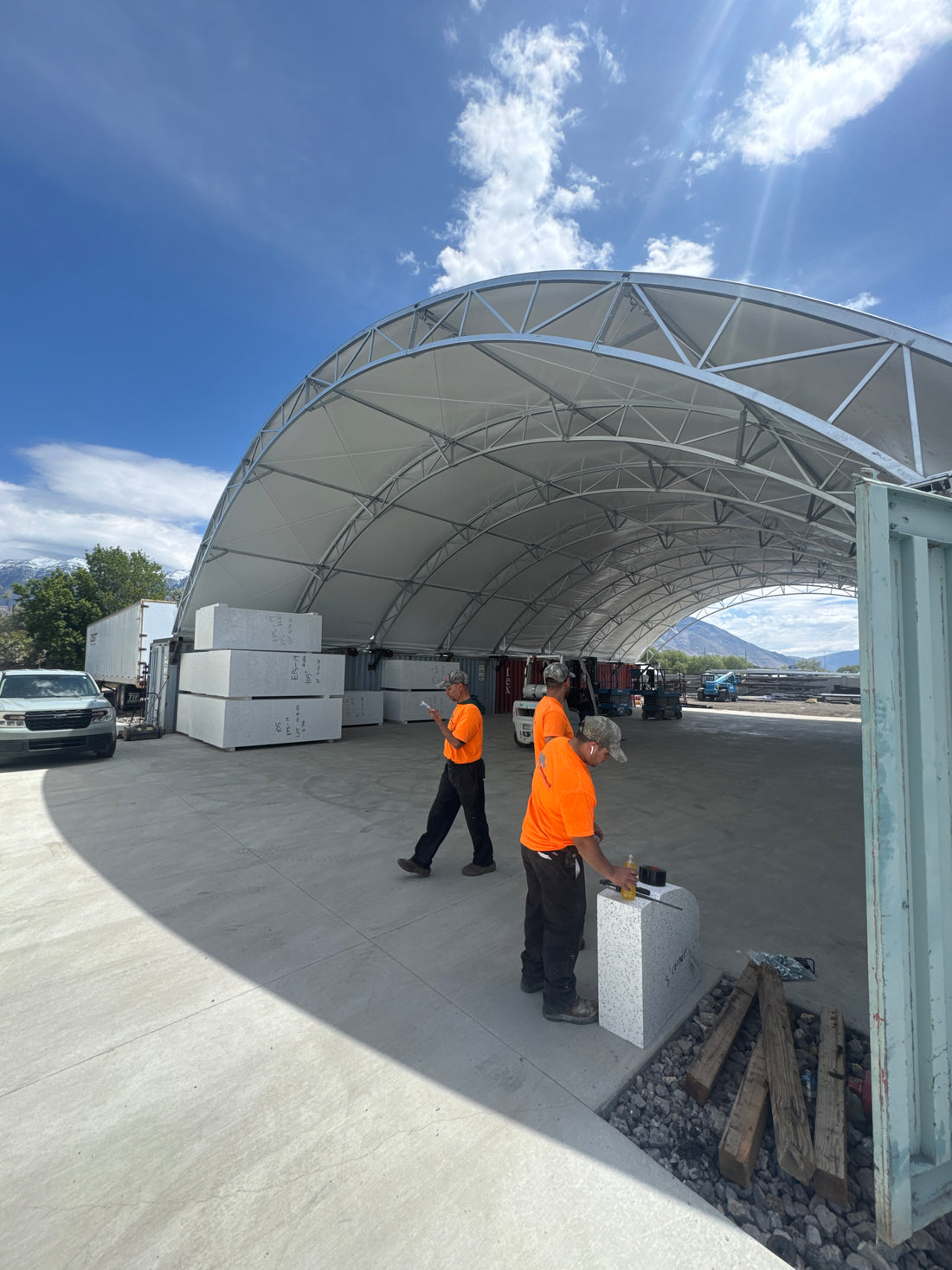
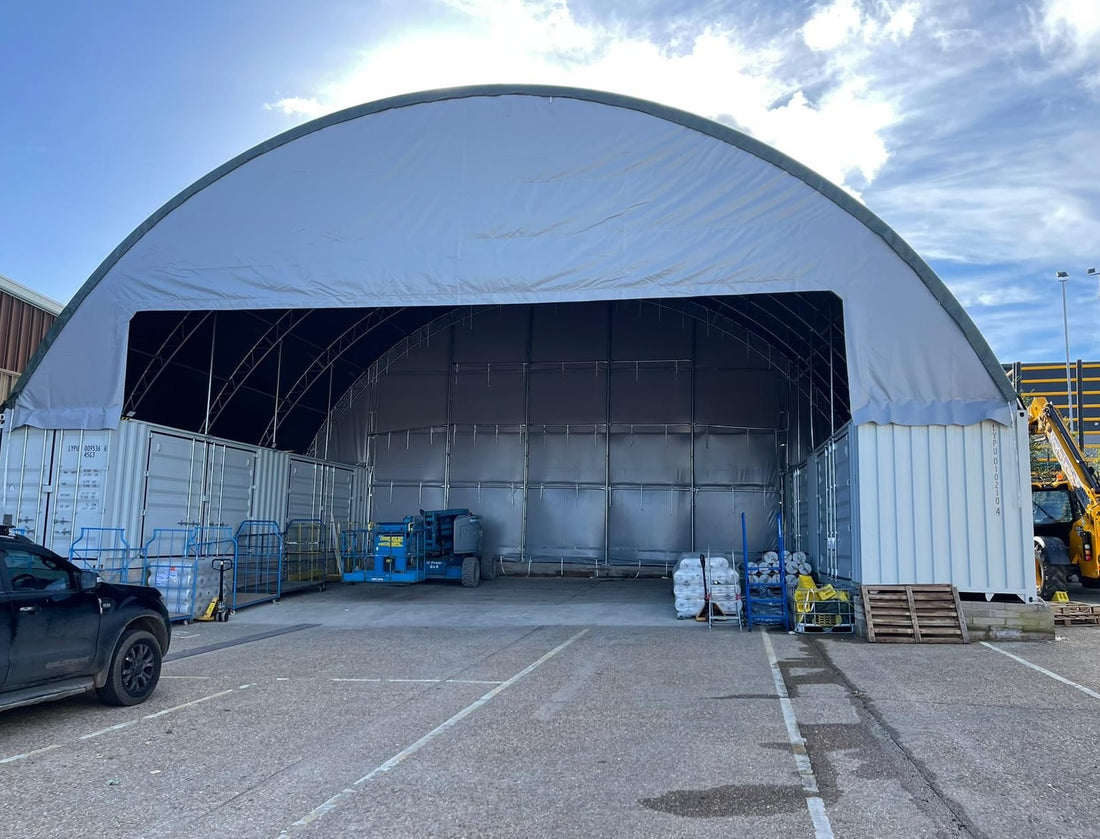
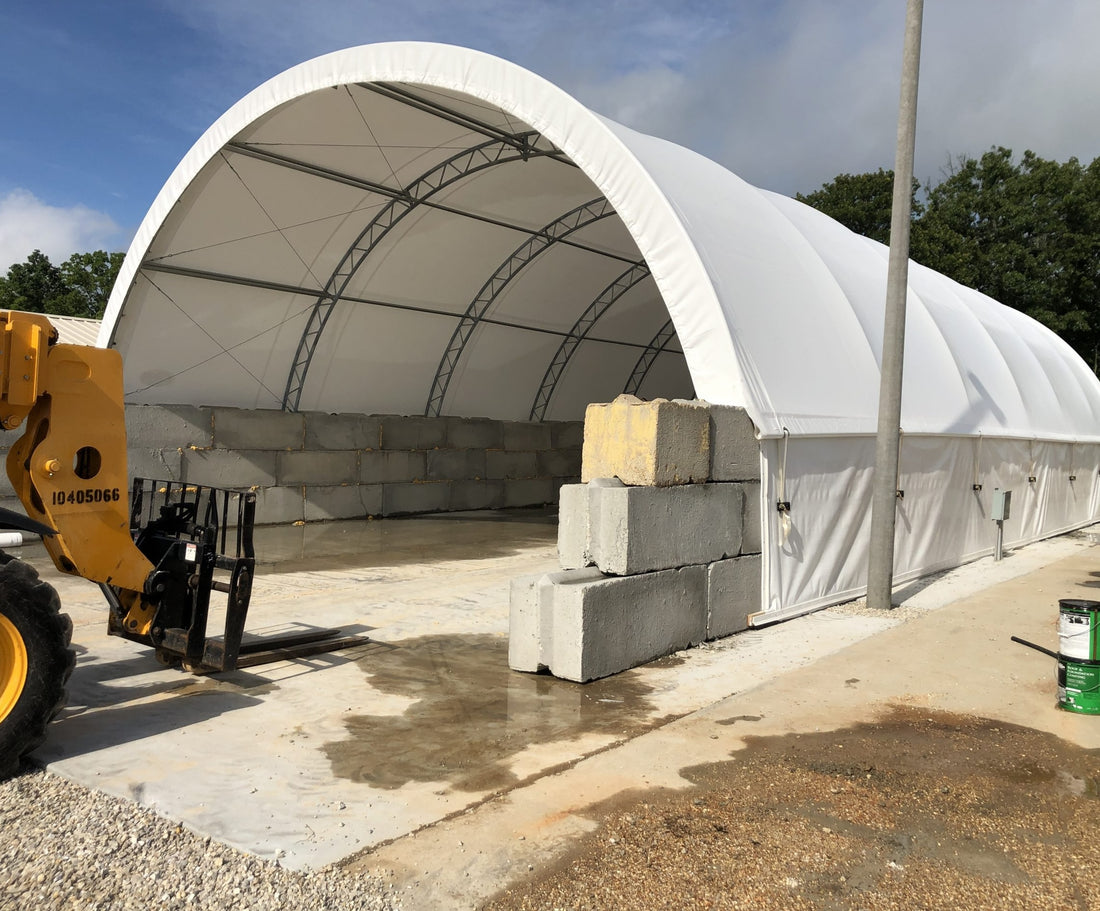
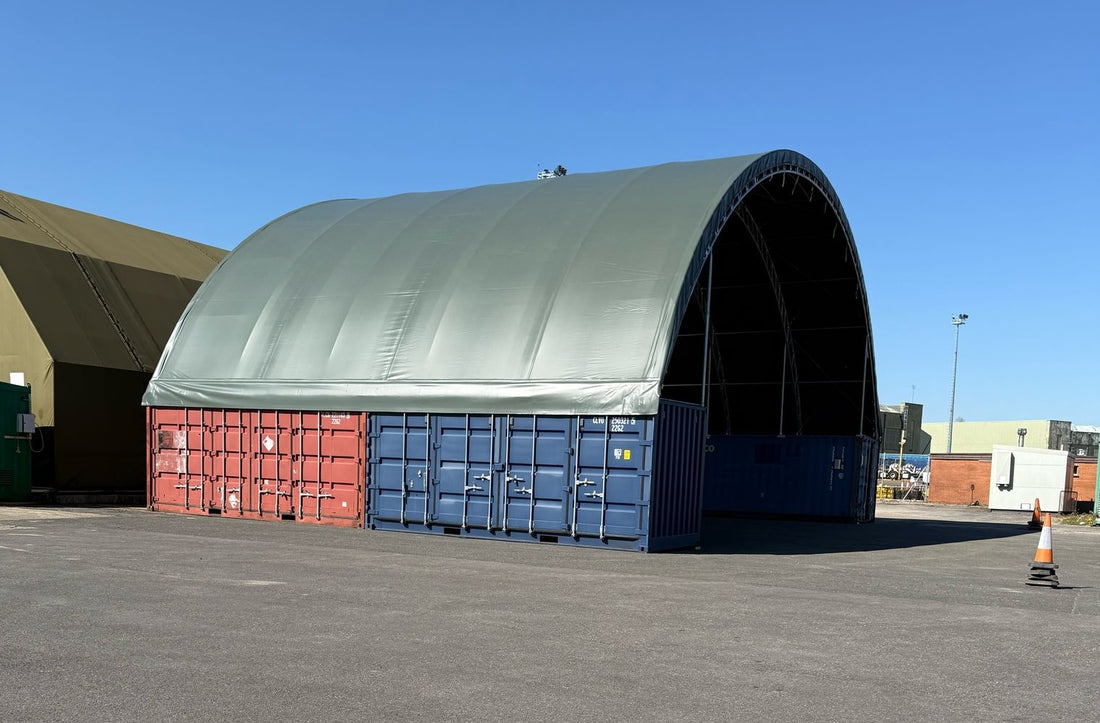
A Conex Box Canopy is a covered structure that uses shipping containers or other robust support systems to create shelter. Instead of standing alone like many regular canopies, it works with the support on each side to form a strong covered area in the middle. SkyShield container canopies as systems that can be installed on shipping containers, concrete blocks, steel posts, and more.
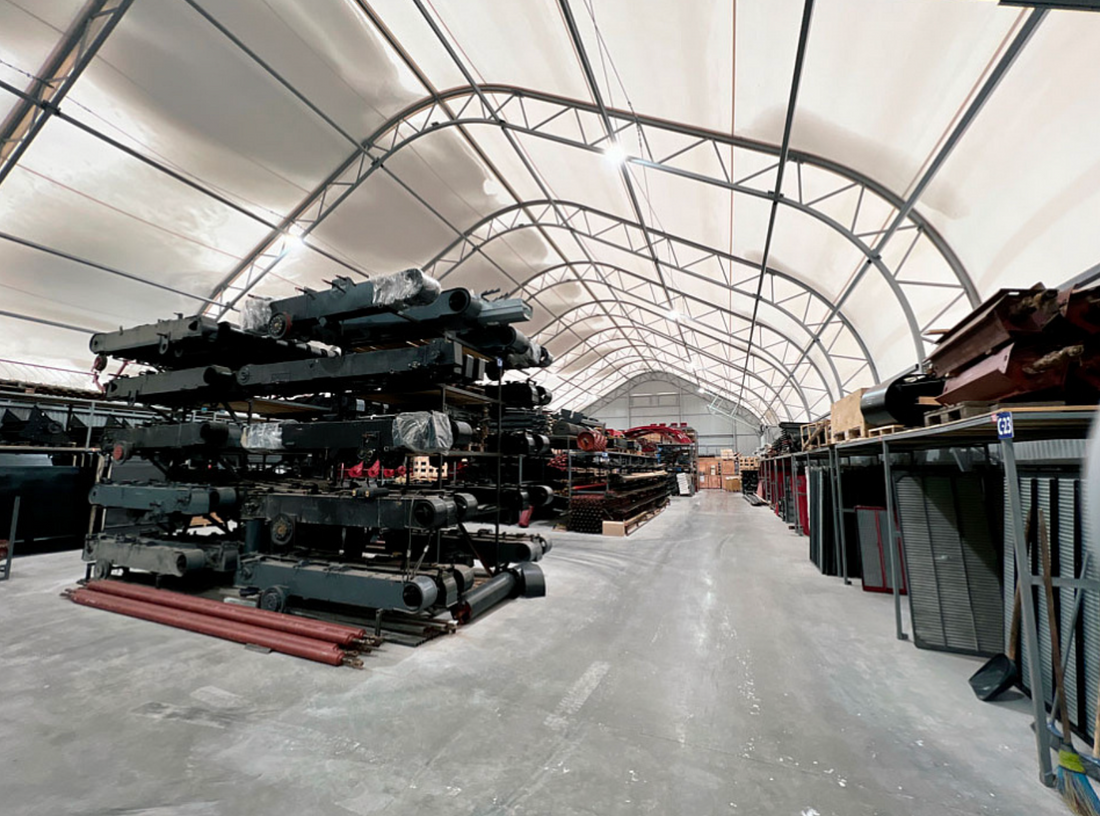
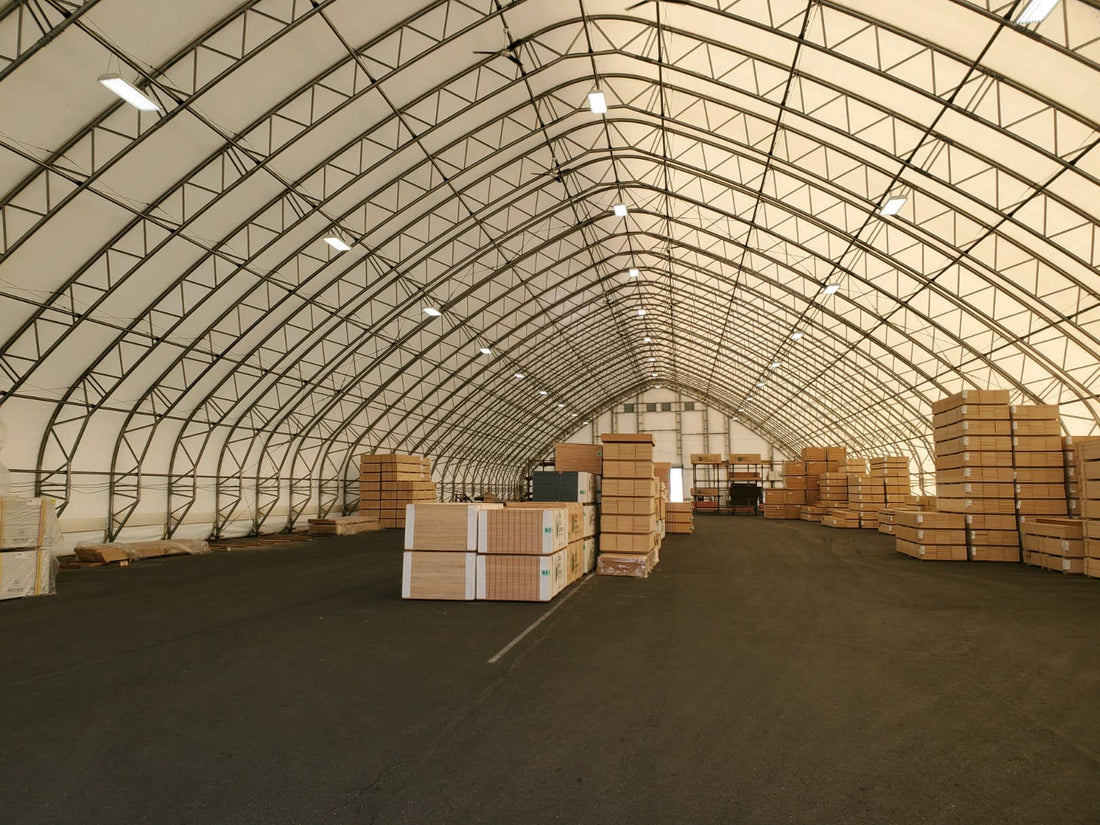
This type of setup is popular because it creates practical covered space without needing a full permanent building. A conex canopy can be used for storage, loading areas, machinery cover, compounds, and work zones. These shelters are used across construction, logistics, agriculture, and industrial operations.
In simple terms, a conex box shelter is built for real site use. It is not only about getting shade or cover. It is about creating a useful working space that can handle tougher conditions.
What A Traditional Canopy Is
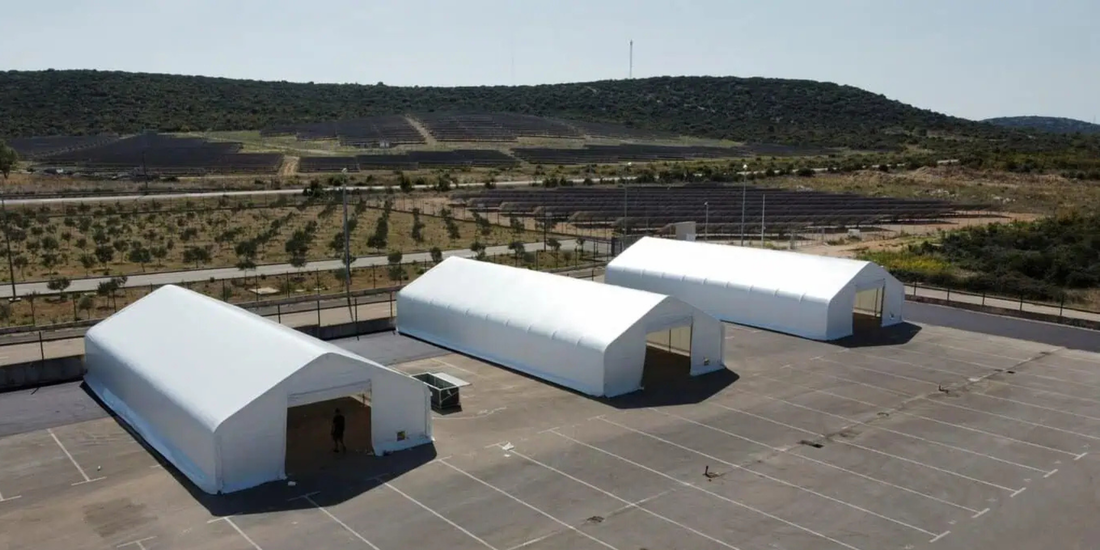
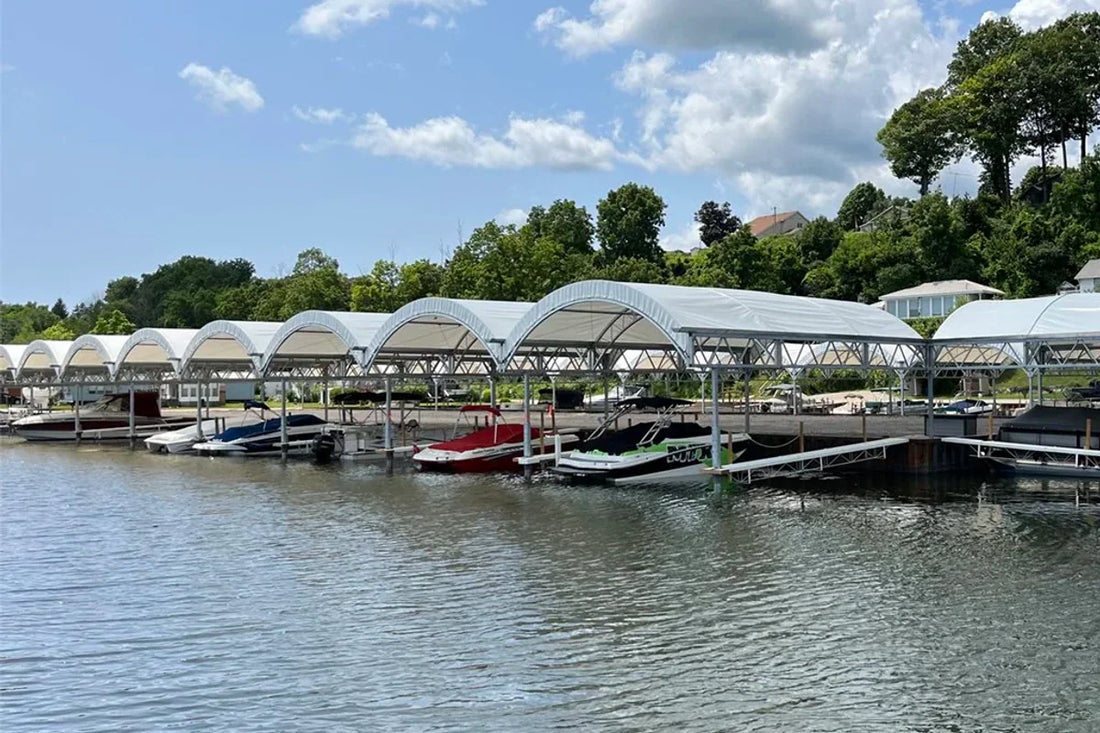
A traditional canopy is usually a freestanding shelter with its own frame and cover. It may be used in yards, driveways, outdoor workspaces, events, or basic storage areas. Some traditional canopies are light-duty. Others are stronger. But in general, they are designed as standalone units.
That is the main idea. A traditional canopy creates covered space by standing on its own legs or frame. It does not usually depend on shipping containers as part of the structure.
This does not make it bad. A traditional canopy can still be useful for many simple needs. It can work well where the shelter does not need to be tied into a container-based layout or industrial setup. But it is built for a different kind of use than a Conex Box Canopy.
The Main Difference Between A Conex Canopy And A Traditional Canopy
The biggest difference is the structure.
A Conex Box Canopy uses solid side support like shipping containers or blocks. A traditional canopy stands by itself. That one difference changes a lot about how each one is used.
Here is a simple comparison:
| Feature | Conex Box Canopy | Traditional Canopy |
|---|---|---|
| Structure Type | Uses containers or support walls | Freestanding |
| Site Use | Industrial and heavy-duty | General and lighter-duty |
| Layout | Fits container-based sites well | Works as a standalone shelter |
| Flexibility | Often modular and extendable | Depends on model |
| Relocation | Often designed for redeployment | Varies widely |
| Best For | Storage, loading, compounds, equipment | Basic cover and general outdoor use |
Container canopy systems are modular, relocatable, and can be extended or dismantled for redeployment. It also says many models can be installed in one to three days using pre-engineered brackets and high-tensile ratchet systems.
That makes a conex canopy a more practical option when the shelter is part of daily operations, not just a simple cover.
How Conex Covers Use Space More Efficiently
 One of the biggest advantages of conex covers is how they use available space. If a site already has containers, the shelter can turn that layout into something much more useful. Instead of leaving open space between containers, the canopy creates a covered working or storage area.
This helps in several ways:
- It adds protected space without building a full structure.
- It makes container yards more organized.
- It creates room for loading, storage, or equipment use.
- It keeps the site more functional in bad weather.
A conex tent is especially useful where the site is already built around containers. In that setting, a traditional canopy may not use the layout as efficiently. A conex box shelter feels more integrated because it works with the site instead of sitting beside it.
Strength And Long-Term Use
Another major difference is long-term use. A Conex Box Canopy is often chosen for demanding environments where a light general-purpose canopy may not be enough.
SkyShield shelters use hot-dip galvanized steel and industrial-grade PVC covers, rated for a long service life, depending on maintenance and conditions. It also states the covers are waterproof, UV-stabilized, and fire-retardant.
That matters because site shelters face real pressure from weather, movement, materials, and daily work. A conex canopy is usually expected to do more than simple weather cover. It may need to protect stock, tools, machines, forklifts, or working space over a long period.
A traditional canopy can still be strong, but a conex box shelter is usually chosen when durability, site use, and long-term value matter more.
Installation And Flexibility
A lot of people assume stronger means harder to install. That is not always true. Container canopy systems are designed for fast installation and that many can be assembled in one to three days without concrete foundations or permanent works.
This is where a conex tent stands out again. It can offer:
- Fast setup
- Modular length options
- Relocation to another site
- Extension as needs grow
- Optional panels, doors, lighting, insulation, and signage
That flexibility makes conex container covers useful for changing operations. A site may need a smaller shelter today and a longer one later. A modular system gives more room to adapt.
Sheltirx fits naturally here because its shelter range is built around relocatable, extendable site use rather than a single fixed layout.
Best Use Cases For A Conex Tent Or Conex Box Shelter
A Conex Box Canopy is often the better choice when the shelter needs to support active work, storage, or industrial use.
Good examples include:
- Construction compounds
- Logistics yards
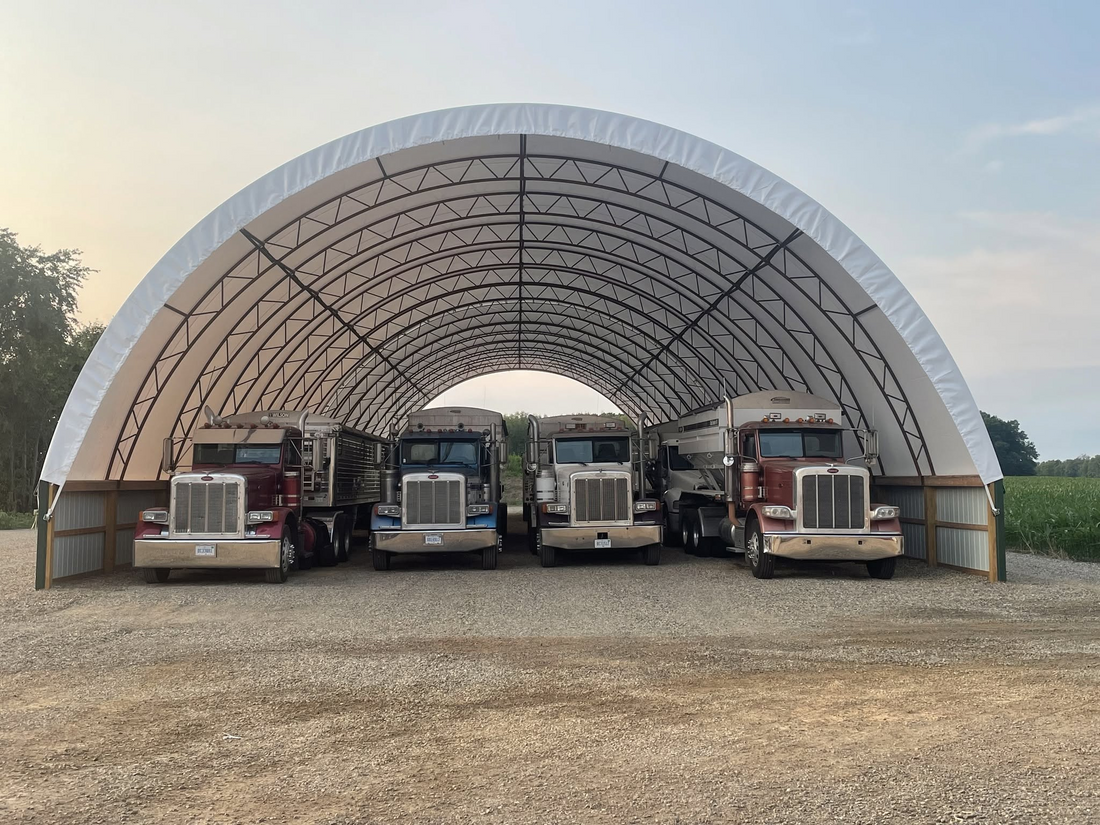
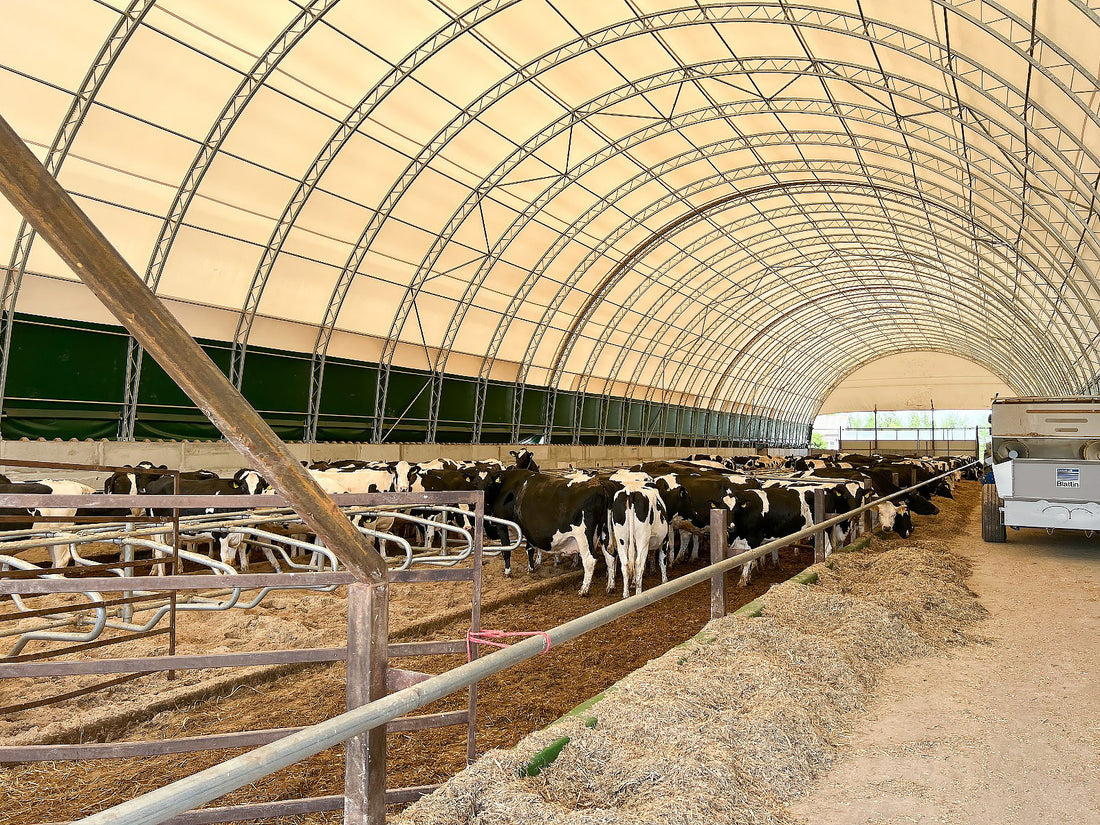
- Agricultural storage
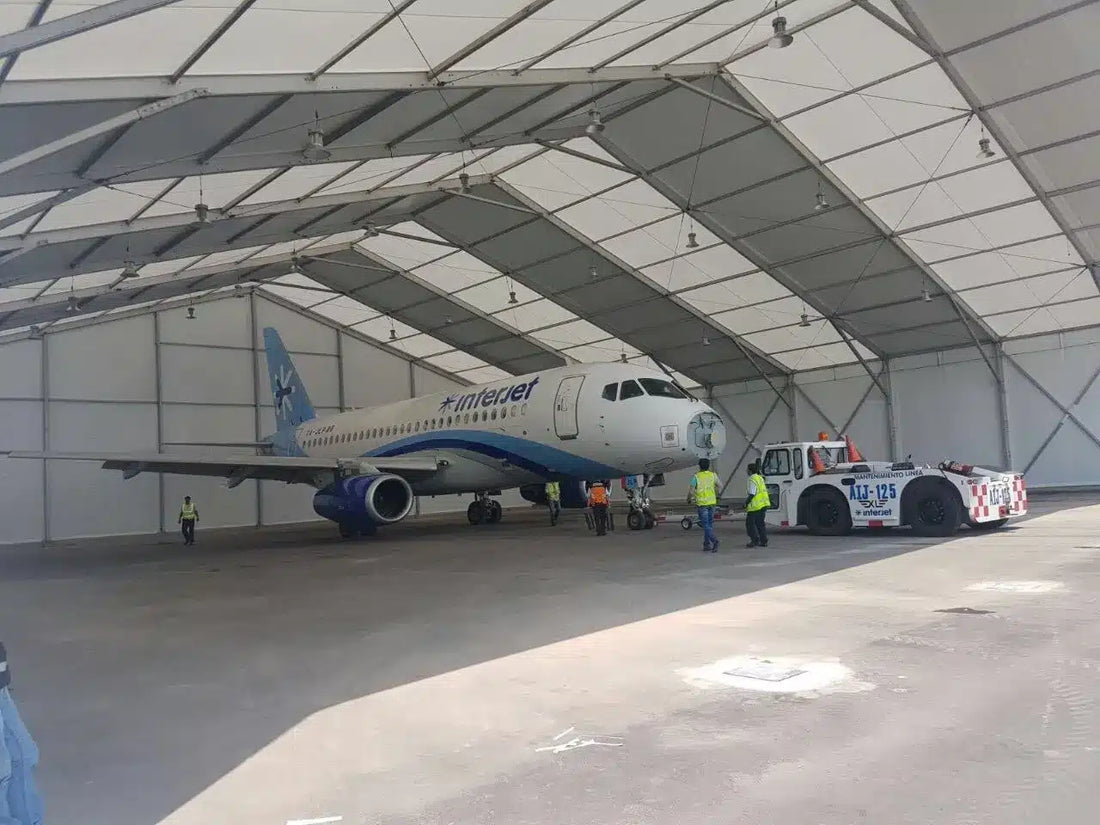
- Industrial equipment cover
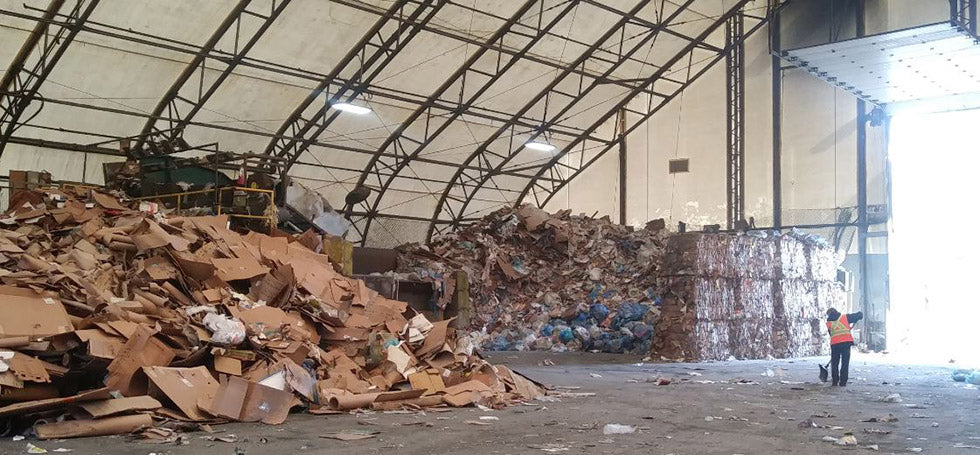
- Recycling and waste areas
- Temporary site infrastructure
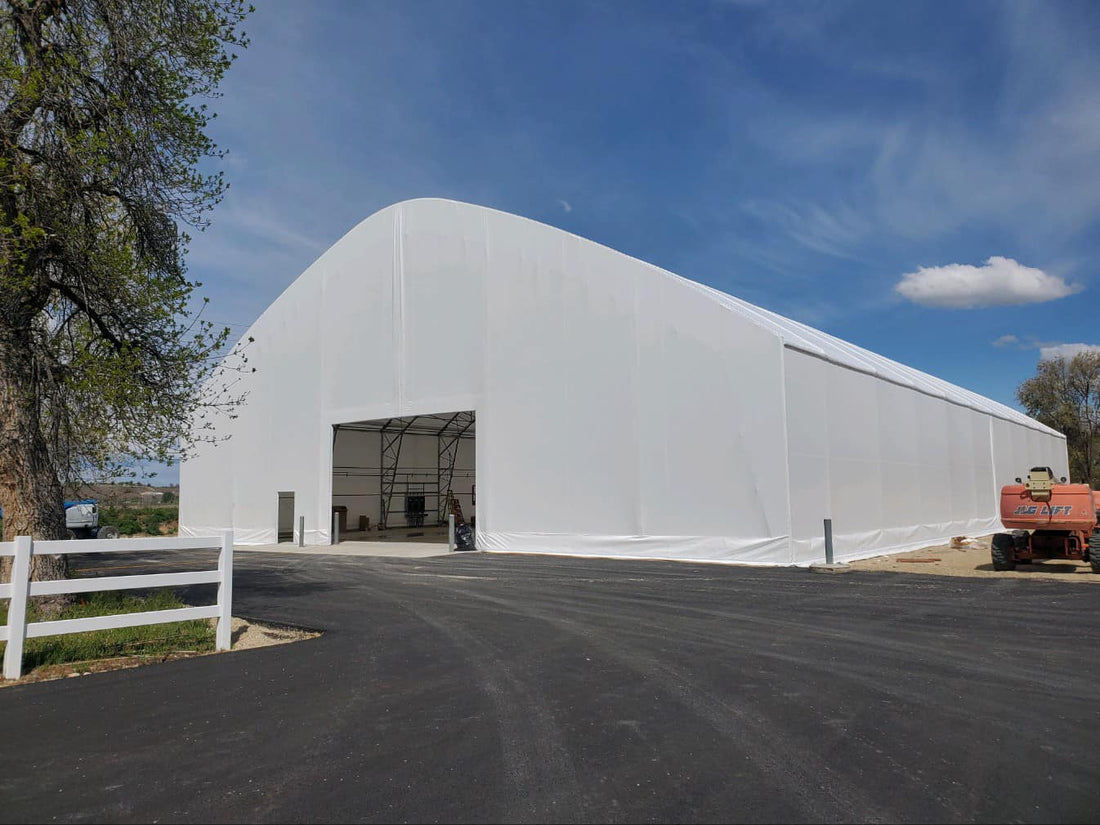
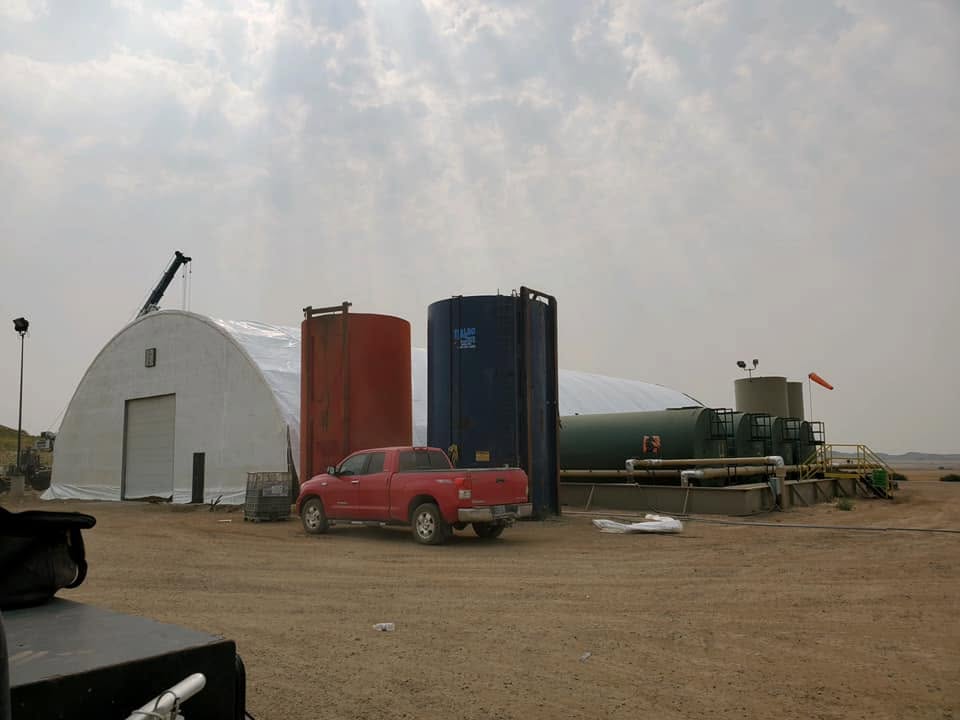
Container shelters are used for construction compounds, logistics yards, industrial storage, and agricultural operations.
A traditional canopy may be the better fit when:
- The shelter is lighter-duty
- Containers are not part of the layout
- The site only needs a simple standalone cover
- The use is more casual or short-term
So the right answer depends on what the shelter needs to do.
Which Option Makes More Sense
If the goal is to cover an open area, a traditional canopy may be enough. But if the goal is tougher, more organized, and more useful covered space on a working site, a Conex Box Canopy usually makes more sense.
A conex canopy is better suited to real operational needs. Conex covers make stronger use of container layouts. A conex tent can give quick shelter without the delay of permanent construction. And conex container covers are often the smarter choice when flexibility, durability, and future growth matter.
In the end, the difference comes down to function. A traditional canopy gives cover. A conex box shelter often gives a more complete working solution. That is why businesses looking for practical site shelters are paying closer attention to systems like those offered by Sheltirx.
FAQs
What Is A Conex Box Canopy?
A Conex Box Canopy is a shelter system that uses shipping containers or other strong side supports, along with a canopy frame and cover, to create a protected space for storage, loading, or work areas.
How Is A Conex Canopy Different From A Traditional Canopy?
A conex canopy differs from a traditional canopy because it typically mounts to containers, blocks, or structural supports, whereas a traditional canopy is normally freestanding. This makes the conex version more suitable for container yards and industrial sites.
Are Conex Covers Good For Industrial Use?
Yes, conex covers are commonly used in construction, logistics, agriculture, and industrial operations where businesses need durable, relocatable covered space.
Is A Conex Tent Easy To Install?
Many conex tent systems are designed for quick installation. Most of iour SkyShield models can be assembled in one to three days without permanent works.
What Are Conex Container Covers Used For?
Conex container covers are used to create sheltered space for materials, equipment, pallets, machinery, and site operations, especially where shipping containers are already part of the layout.
Why Choose A Conex Box Shelter Over A Traditional Canopy?
A conex box shelter is often the better choice when you need a tougher, more flexible, and more site-ready shelter solution that can be extended, relocated, and integrated with container-based storage or work areas.
Need covered space that works better with containers and daily site use? Request a quote and compare the right canopy setup for your layout.