
Objective
This blog explains the real difference between a container dome and a container tent. It will help you understand which shelter works better for outdoor storage, work areas, equipment cover, and weather protection.
The goal is not to push one option over the other. The goal is to help you choose the right shelter for your land, weather, and daily use.
Key Takeaways
- A container tent is a fabric roof system supported by shipping containers.
- A container dome has a curved roof shape, which often helps with rain runoff.
- A conex tent can work well for basic outdoor storage and light work areas.
- A dome shelter may be better for larger spans, taller equipment, and rougher weather.
- Not all fabric shelters are built the same.
- Always check wind rating, snow rating, anchoring, and frame strength before buying.
- The best choice depends on your site, not just the price.
What Is A Container Tent?
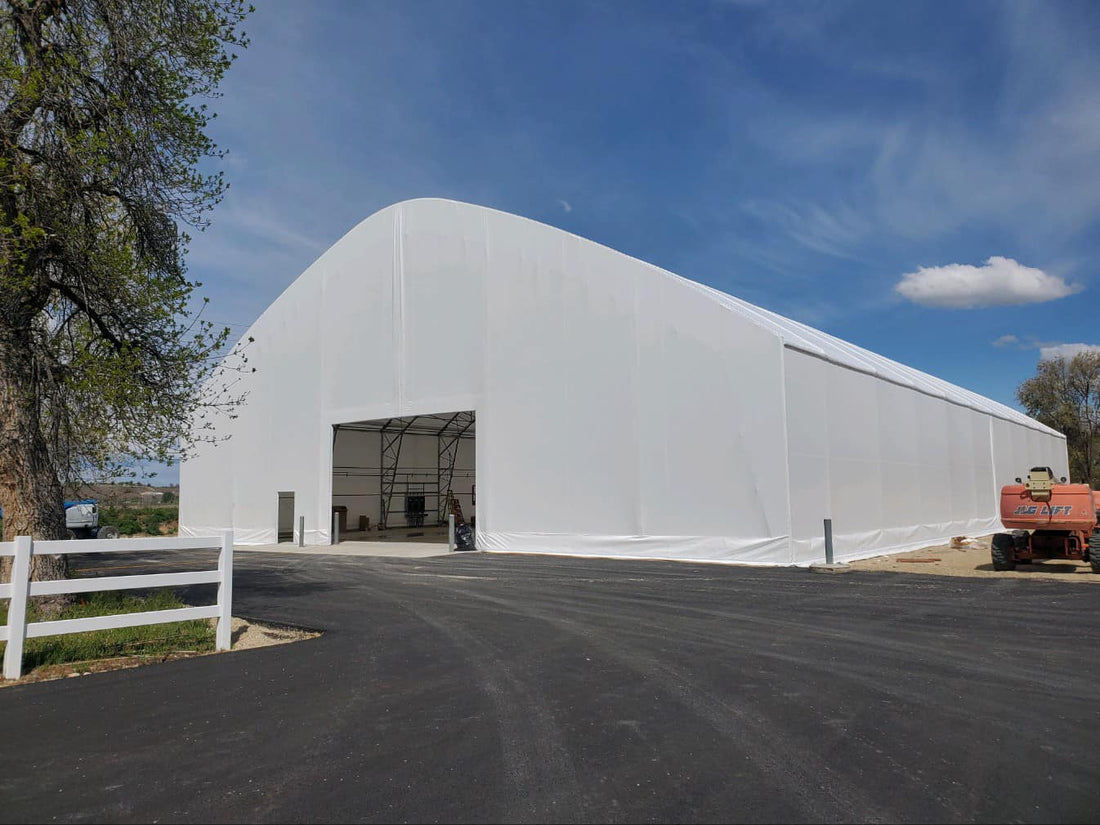
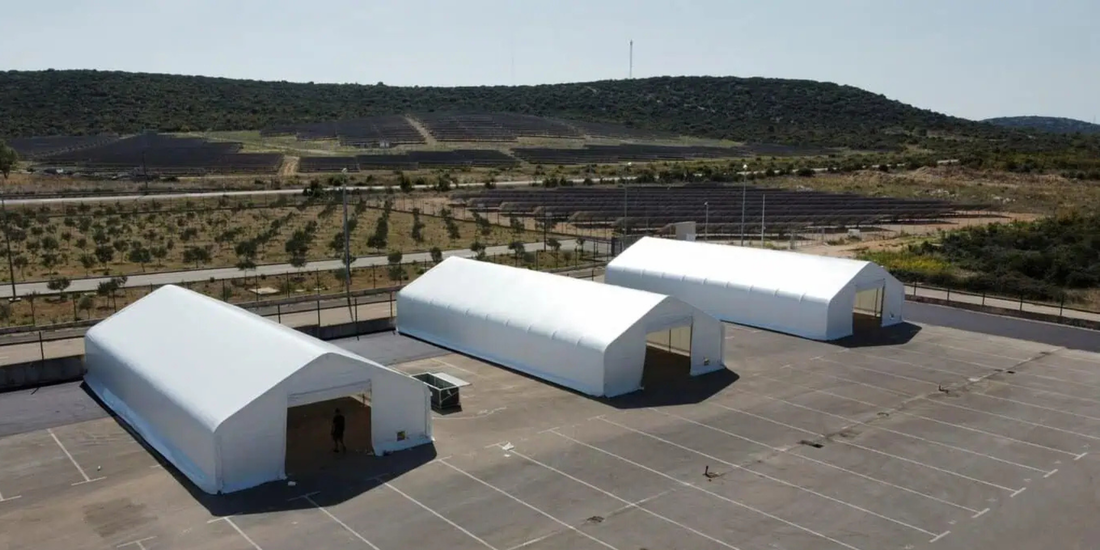
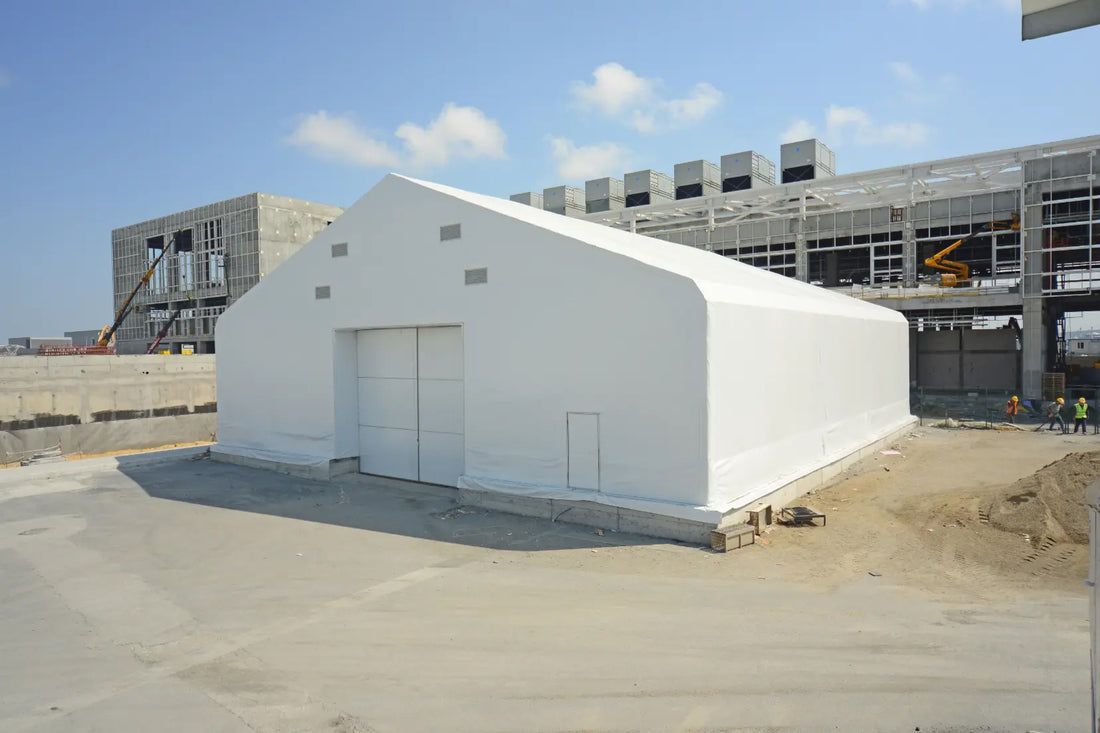
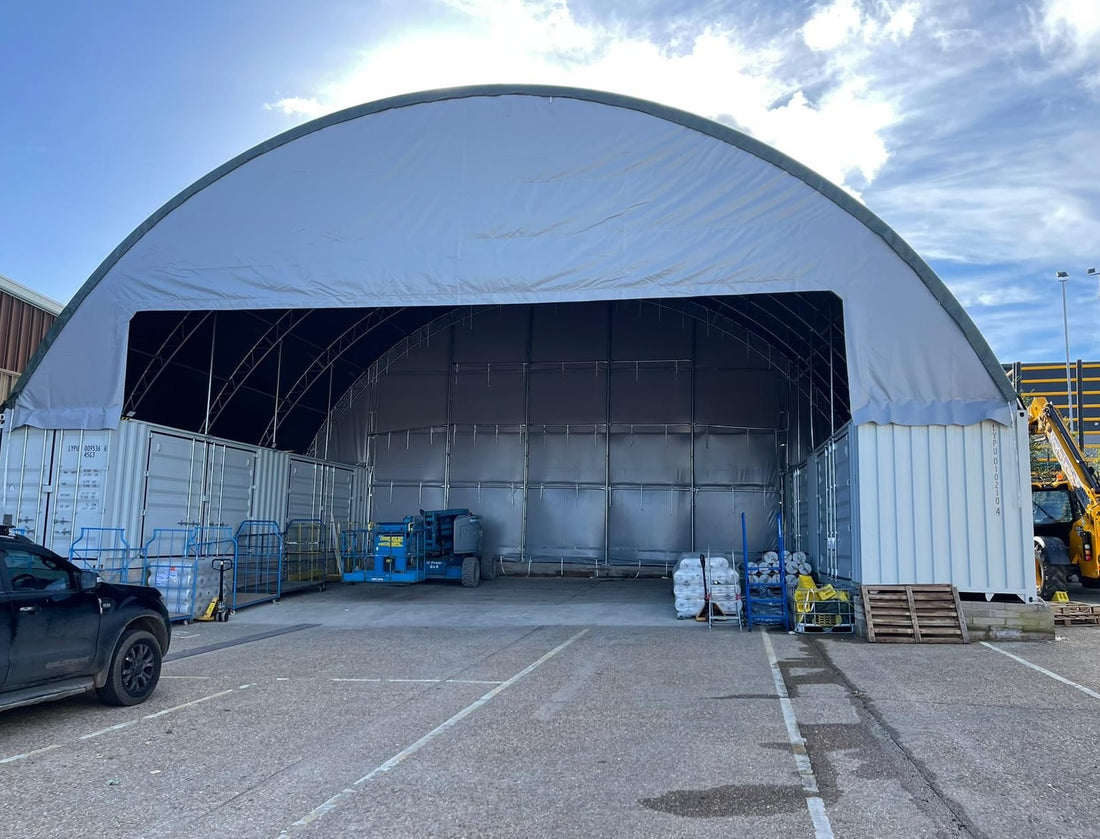
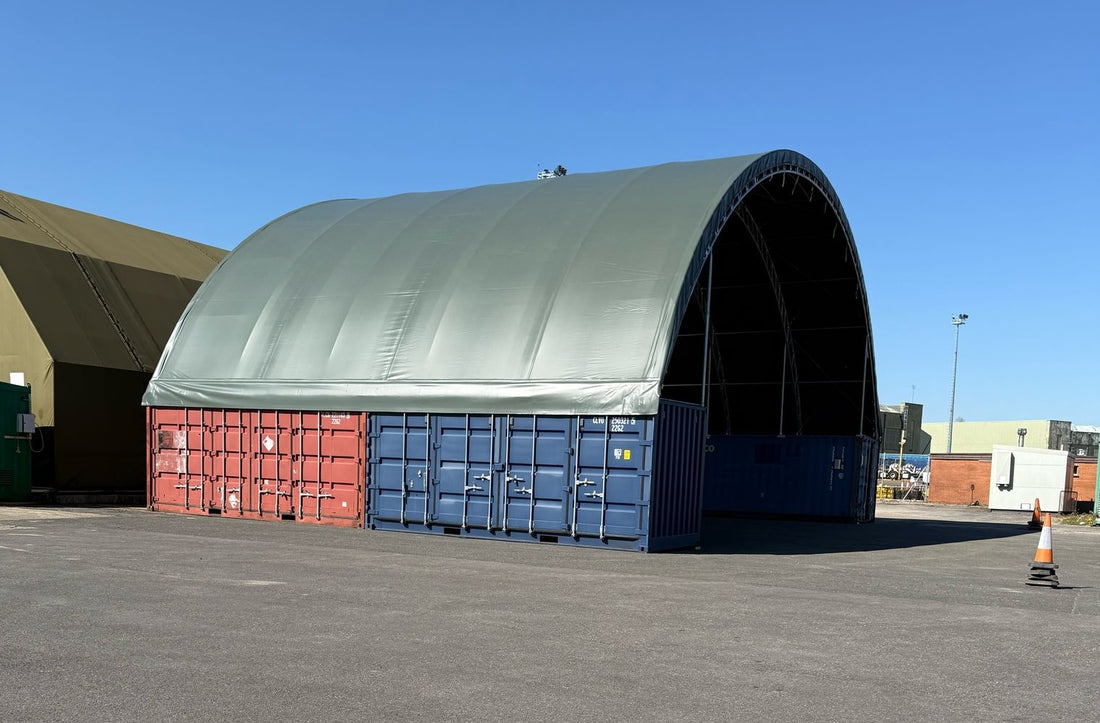
A container tent is a covered shelter that uses shipping containers as side supports. The roof frame sits between the containers or attaches to them. A fabric cover goes over the frame to create a dry, shaded space.
Many people also call it a conex tent because shipping containers are often called conex boxes.
A container tent is often used for:
- Farm equipment
- Tools and materials
- Small machinery
- Jobsite storage
- Vehicle cover
- Yard storage
- Temporary work areas
A container tent can be a smart choice when you need quick covered space without building a full structure. Sheltirx is one option people may look at when comparing outdoor shelter choices, but the right shelter still depends on the job and the weather.
What Is A Container Dome?
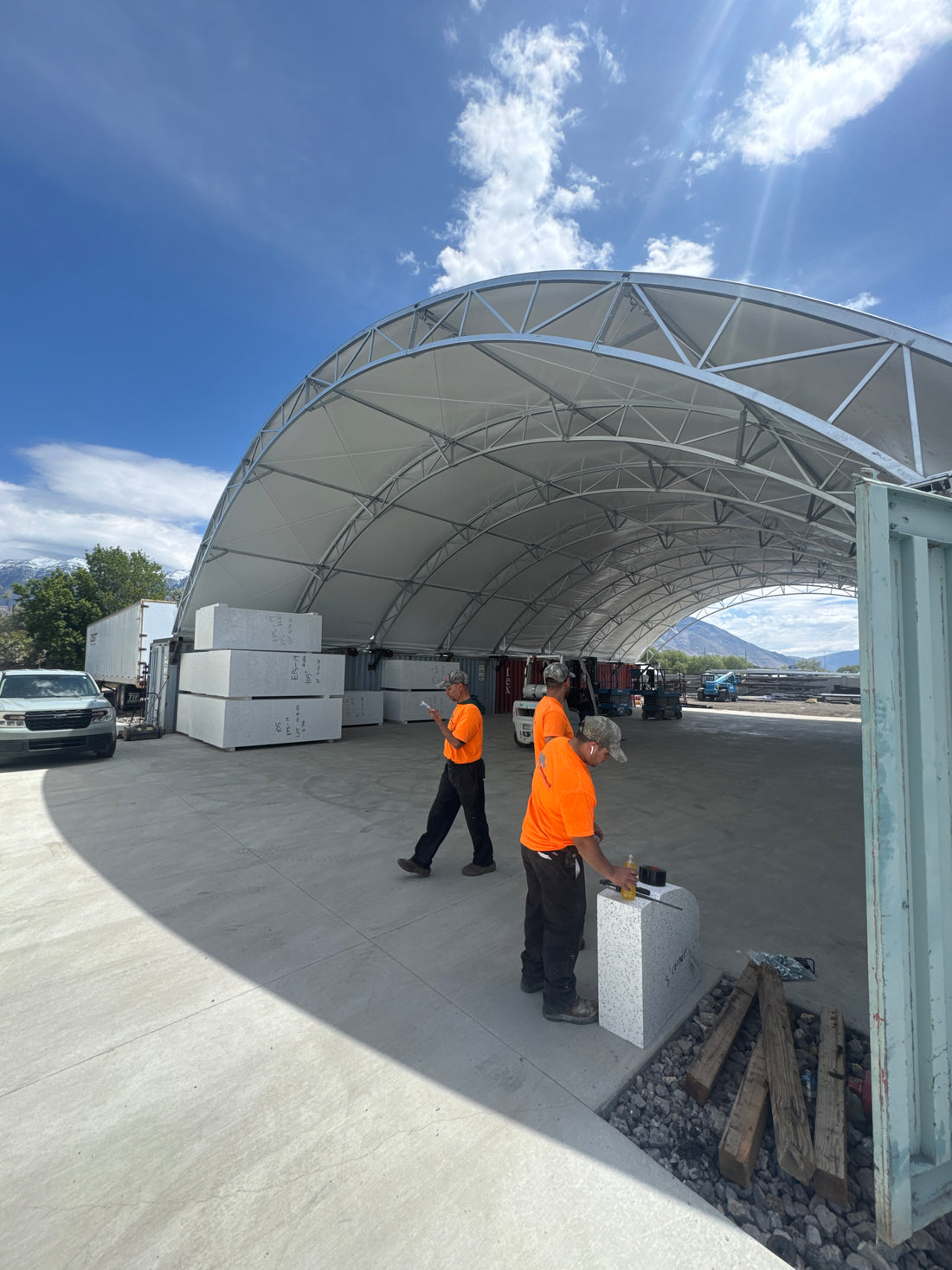
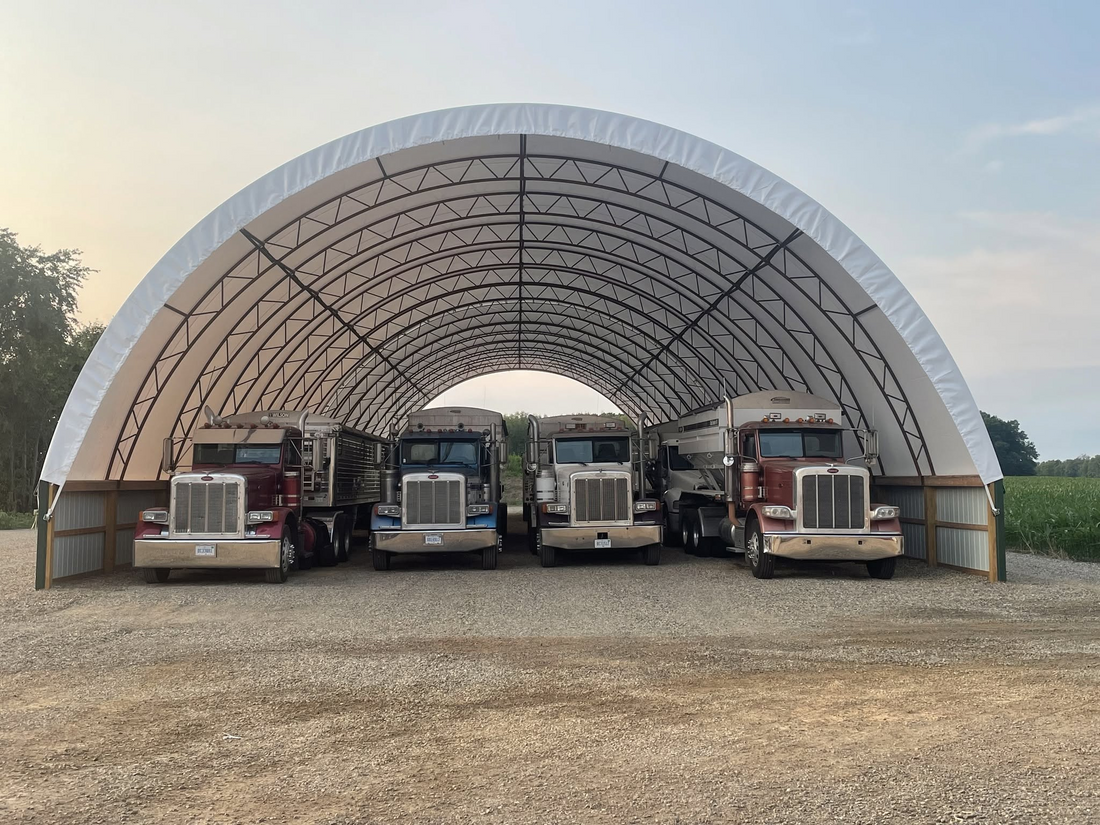
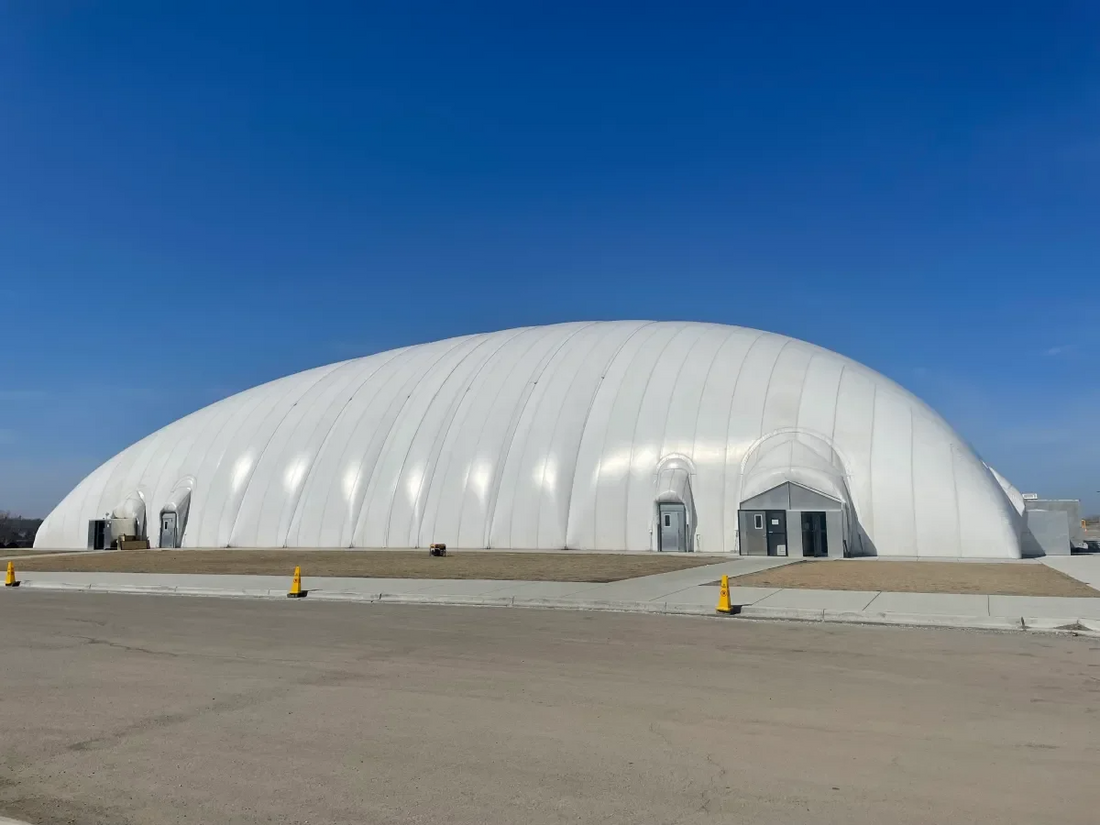
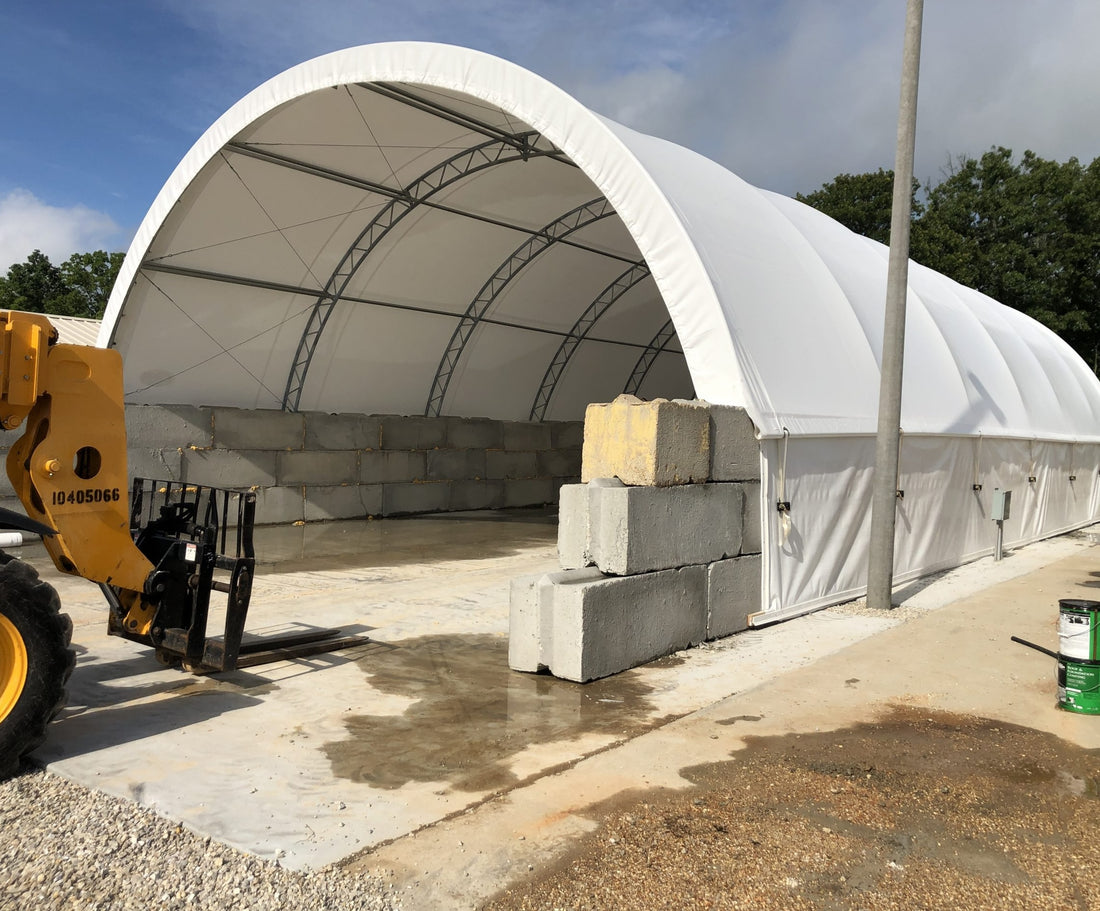
Shipping containers also support a container dome, but the roof shape is different. It has a round or arched top.
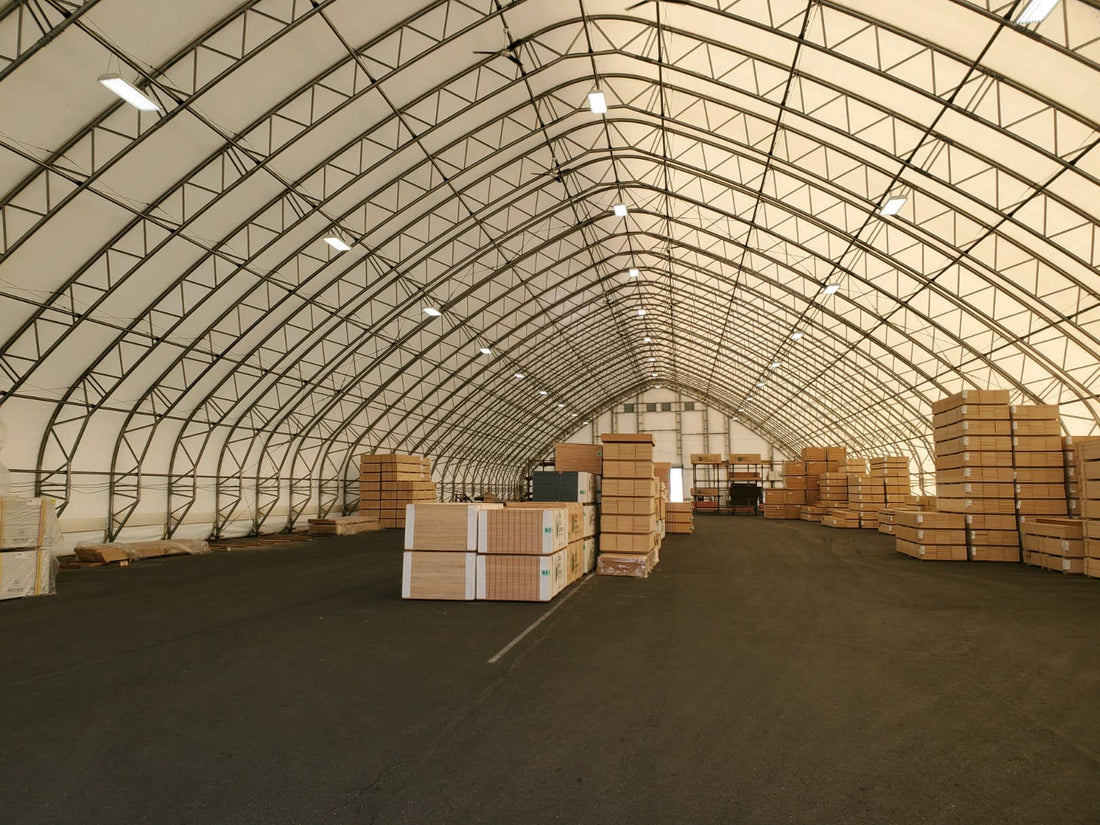
That curved shape is the main reason many people choose it for outdoor use. Rain can run off more easily. Snow may slide better when the shelter is properly designed. The inside space can also feel more open because the roof rises higher in the middle.
A dome may be used for:
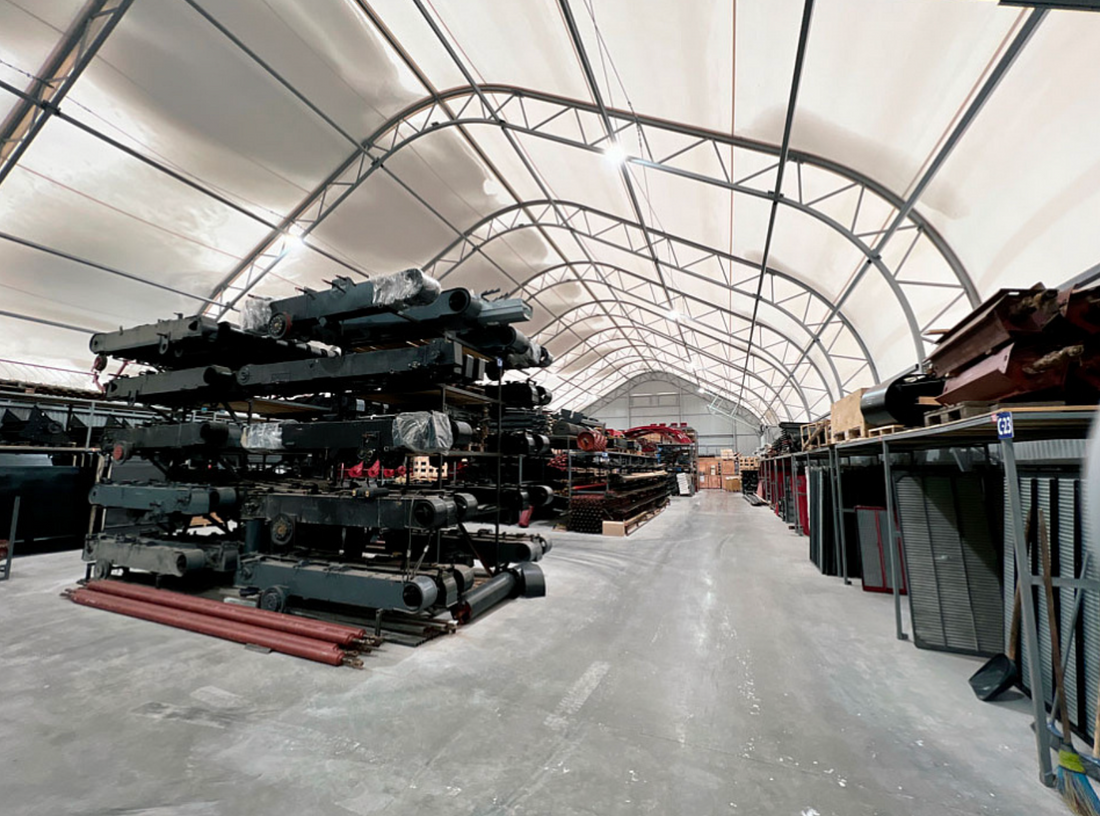
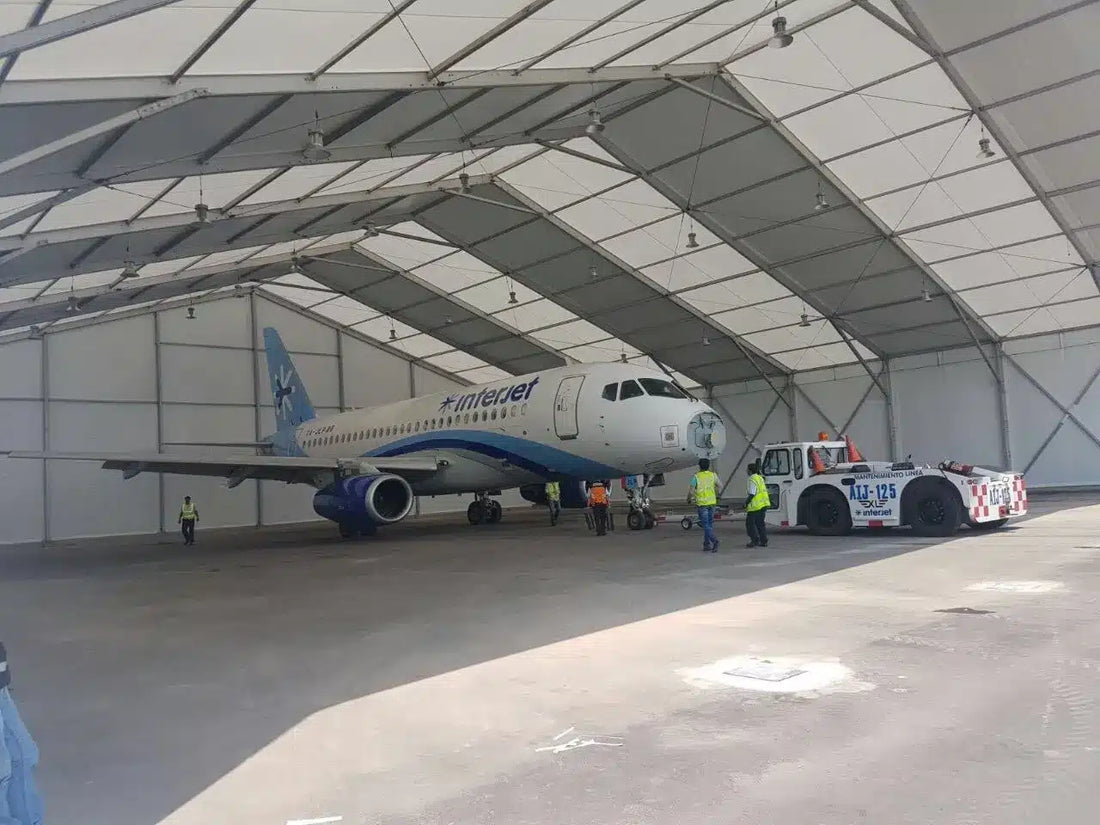
- Larger equipment
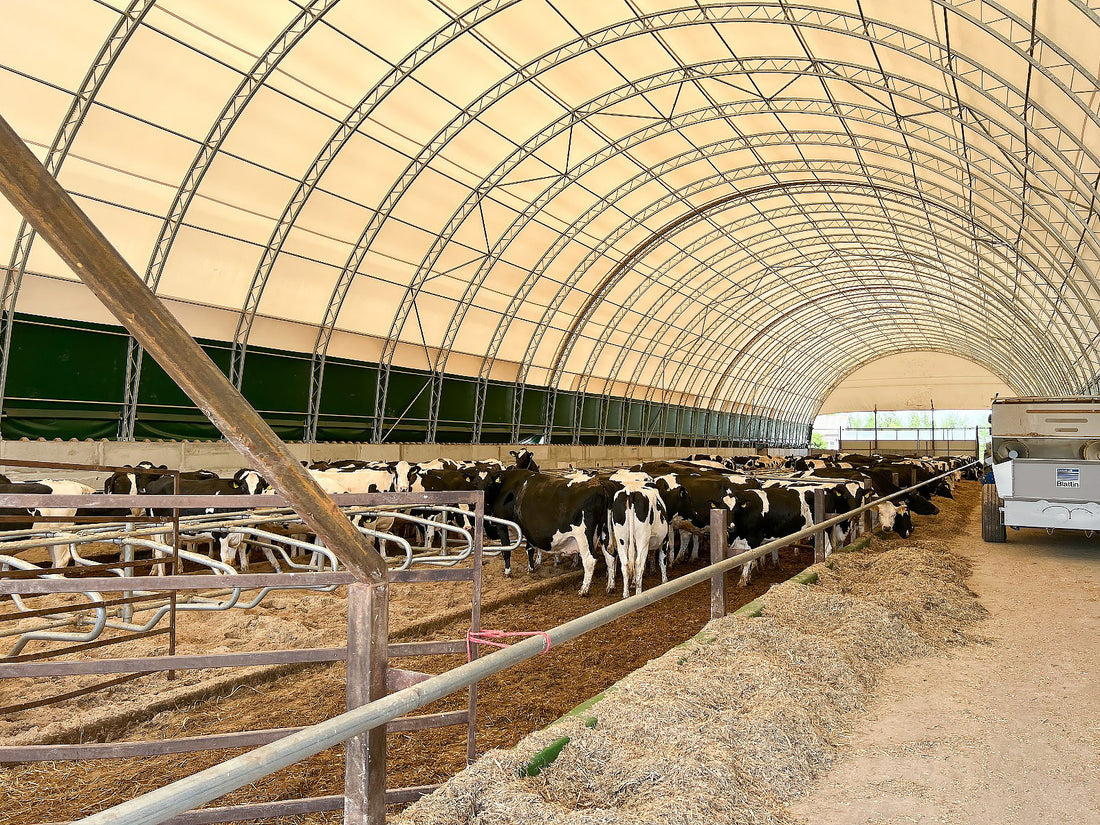
- Farm machinery
- Trucks
- Bulk storage
- Outdoor work bays
- Commercial yard storage
- Construction material cover
Good container dome outdoor use depends on the frame, fabric, anchoring, and local weather. The shape helps, but the shelter still needs the right rating.
Conex Tent Vs Dome Shelter: Main Difference
The easiest way to compare a conex tent vs a dome shelter is to look at shape, strength, and use.
A container tent is often simpler. It can be a good fit for regular storage, shade, and light protection.
A container dome usually gives more height and better roof runoff. It may also work better for wide covered areas and larger equipment.
|
Feature |
Container Tent |
Container Dome |
|
Roof Shape |
Tent-style or arched fabric roof |
Rounded dome-style roof |
|
Best Use |
Basic storage and work cover |
Larger outdoor shelter needs |
|
Rain Runoff |
Good if roof pitch is right |
Usually better because of curve |
|
Interior Height |
Depends on frame design |
Often higher in the center |
|
Equipment Access |
Good for smaller items |
Better for taller equipment |
|
Weather Use |
Depends on rating |
Strong option when rated well |
|
Commitment |
Often lower |
Often higher |
Both can work outdoors. The wrong choice happens when people buy only by size or price.
When A Container Tent Makes More Sense
A container tent can be a good fit when your storage needs are simple, and your site is not too harsh.
It may work well if you need cover for:
- Pallets
- Lumber
- Feed
- Small tractors
- Lawn equipment
- Tools
- Seasonal supplies
- Light workspace
A container tent is also useful when you want a covered area that can be set up faster than a traditional building.
It can be a practical choice for farms, construction yards, small businesses, and rural properties.
But there is one important point. A container tent still needs proper anchoring. Wind can put real pressure on fabric shelters. A loose or poorly anchored shelter can become unsafe.
When A Container Dome Works Better
A container dome may be better when the site needs greater strength, greater height, or improved water runoff.
It can make sense when you need to cover:
- Tall machines
- Work trucks
- Farm equipment
- Bulk materials
- Commercial storage
- Repair bays
- Outdoor loading areas
The curved roof gives the space a more open feel. This helps if machines need to move in and out. It also helps when people need room to work under the roof.
When comparing options with Sheltirx, ask about the roof shape, truss strength, fabric thickness, wind rating, snow rating, and anchoring plan. These details matter more than a product photo.
Why Fabric Shelters Need The Right Rating
Fabric shelters are useful, but they still face real weather.
The sun can weaken cheap fabric over time. Wind can pull against the frame. Rain can collect if the roof is poorly shaped. Snow can add significant weight if the shelter is not built to withstand it.
Before buying a container tent or dome, ask these questions:
- What wind speed is it rated for?
- What snow load is it rated for?
- Is the fabric UV-treated?
- How is the shelter anchored?
- What size are the frame tubes?
- How far apart are the arches?
- Can the shelter handle local weather?
- Does your area require permits?
Do not guess on these points. A shelter that works in a dry, mild area may not work in a windy or snowy location.
How To Choose Between A Container Tent And A Container Dome
Start with how you will use the space.
If you only need basic storage, a container tent may be enough. It can protect materials from the sun and rain. It can also give you a clean place to work.
If you need more height, more open space, or better roof runoff, a dome may be the better choice.
Think about these points before deciding:
1. Your Weather
If your area gets heavy rain, strong wind, or snow, choose a shelter with the right rating. Shape matters, but rating matters more.
2. Your Equipment
Measure your tallest machine before choosing. Leave enough room for doors, buckets, attachments, and safe movement.
3. Your Ground
Containers should sit level and stable. Uneven ground can cause frame problems later.
4. Your Use
Storage needs are different from repair work. A work area may need more height, more airflow, and easier access.
5. Your Budget
A basic shelter may seem suitable at first, but it can create problems later if it does not fit the site.
Common Mistakes To Avoid
Many buyers make the same mistakes when choosing container tents or dome shelters.
Avoid these mistakes when buying:
- Buying without checking the wind rating
- Ignoring snow load
- Choosing a shelter that is too low
- Forgetting about drainage
- Placing containers on soft ground
- Using weak anchors
- Buying thin fabric for hard outdoor use
- Assuming all fabric shelters are equal
A good shelter is not only about cover. It must fit the land, the weather, and the work.
Which One Works Better Outdoors?
A container tent works well outdoors when the job is simple and the weather is moderate. It is a practical choice for storage, shade, and light work.
A container dome works better outdoors when you need more height, better roof runoff, and stronger use over time. It is often the better choice for large equipment, wider spans, and busier work areas.
So the answer depends on your site.
For light storage, a conex tent may be enough. For bigger outdoor use, a dome shelter may be the smarter choice.
Conclusion
A container dome and a container tent can both be useful. The better option depends on your weather, equipment, space, and budget.
Do not choose only by price. Look at the frame, cover, anchors, snow rating, wind rating, and how the shelter will be used each day.
Sheltirx can help buyers compare options, but the final choice should always match the property and the job.
FAQs
What Is The Main Difference Between A Container Tent And A Container Dome?
A container tent usually has a simpler fabric roof frame. A container dome has a curved roof shape. The dome often provides greater height and better rainwater runoff.
Is A Conex Tent Good For Outdoor Use?
Yes. A conex tent can work well outdoors if it has the right frame, fabric, anchoring, and weather rating for the site.
Are Container Tents Safe In Wind?
They can be safe when properly rated and anchored. Wind rating matters a lot. Always check the shelter’s wind rating before buying.
Is A Container Dome Better For Rain?
In many cases, yes. A curved roof can help rain move off the shelter more quickly. Good site drainage is still important.
Can Fabric Shelters Handle Snow?
Some fabric shelters can handle snow, but only if they are rated for it. Never assume a shelter is snow-ready without checking the load rating.
Which Shelter Is Better For Tall Equipment?
A container dome is often better for tall equipment because it usually gives more center height and open space.
Do I Need Permits For A Container Tent Or Dome?
It depends on your local rules. Some areas require permits for fabric shelters, especially larger ones. Always check before installation.
“Choose the shelter that fits your weather, your work, and your site. A good outdoor cover should make daily use easier, not create new problems.”