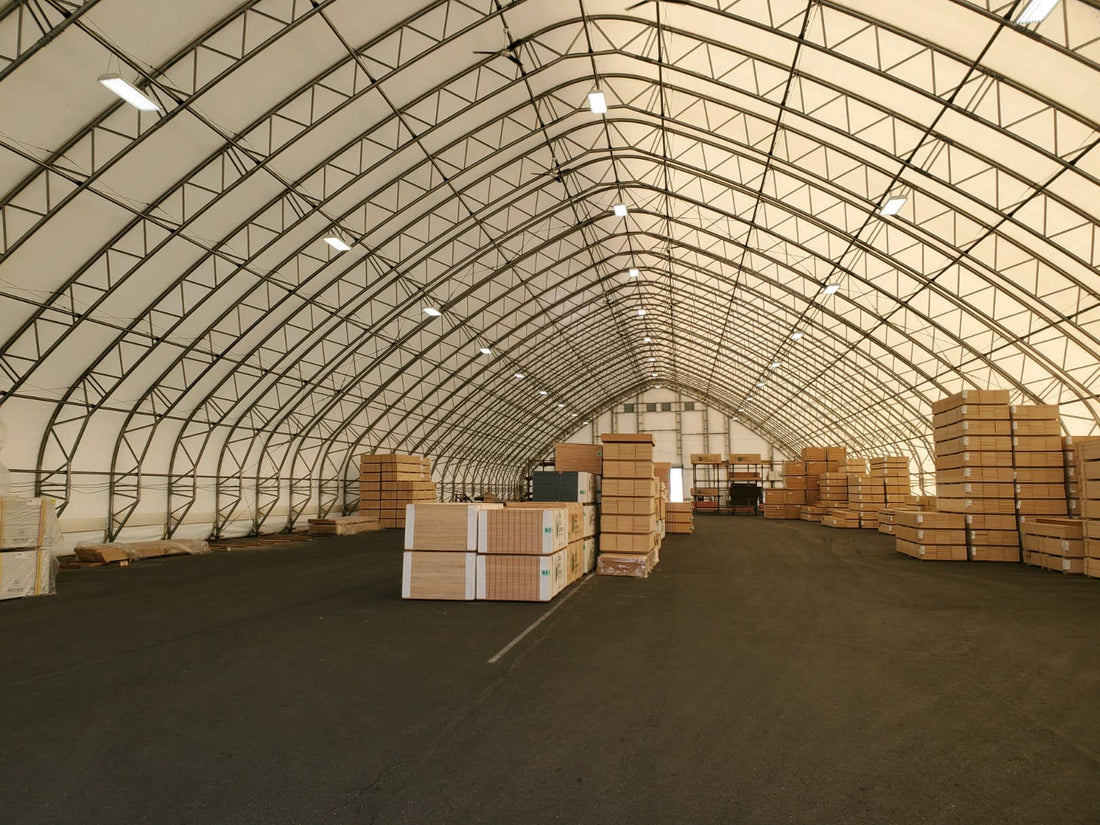
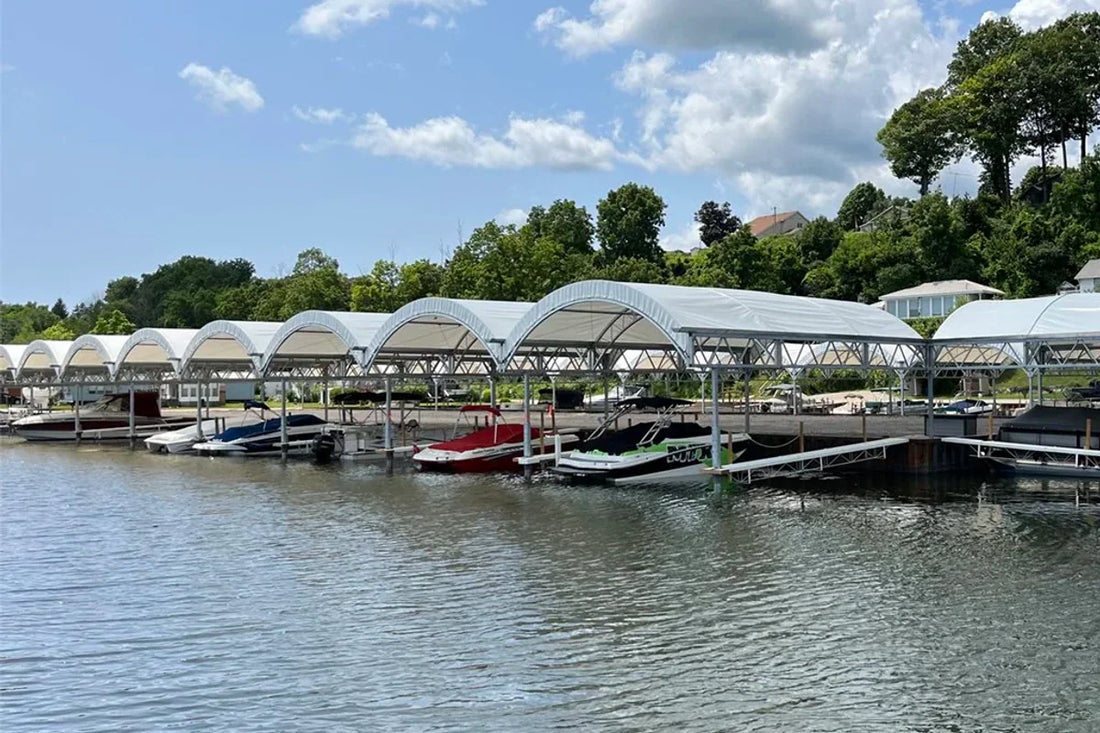
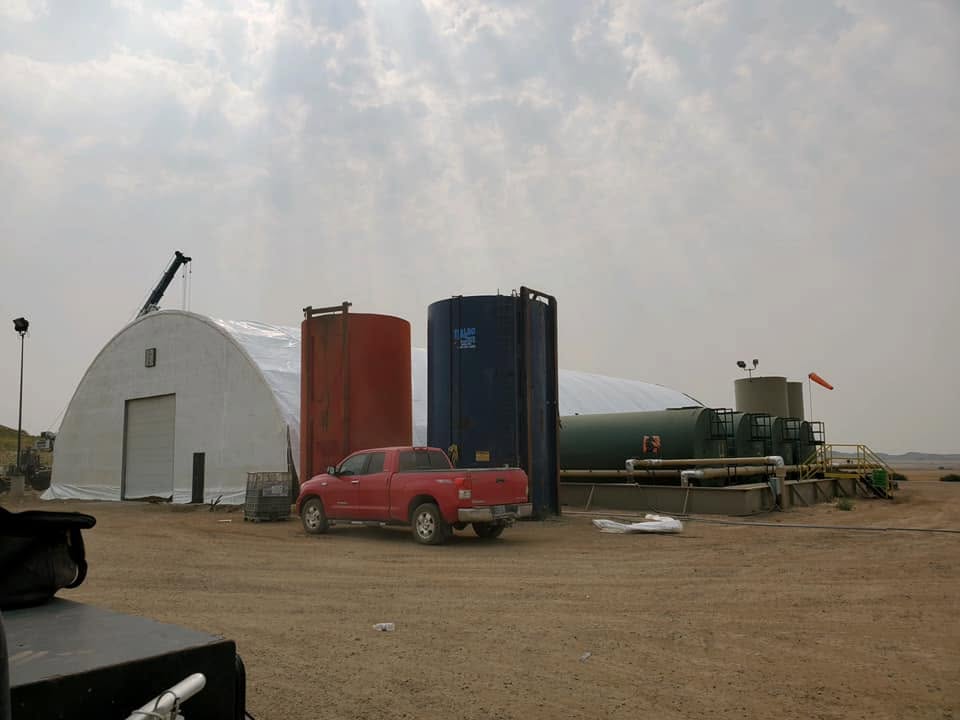

If you run a yard, job site, or any kind of outdoor operation, you already know how much weather can affect you. Delayed loading, damaged equipment, workers standing idle, it adds up fast. A container canopy solves that problem without the commitment of a permanent building.
But before you spend a dollar, it helps to understand exactly what you're buying and whether it actually fits your situation.
Objective
This guide explains what a container canopy is, how it works, and where it fits best in industrial, logistics, construction, agricultural, government, and yard-based operations. It also helps buyers understand the practical differences between a container canopy shelter, shipping container canopy, conex canopy, container dome, container cover, and shipping container cover so they can choose the right structure without overbuilding or under-specifying their site.
Key Takeaways
- A container canopy is a fabric-covered steel arch structure mounted between two ISO shipping containers.
- It creates fast, covered working or storage space without permanent foundations in many common site setups.
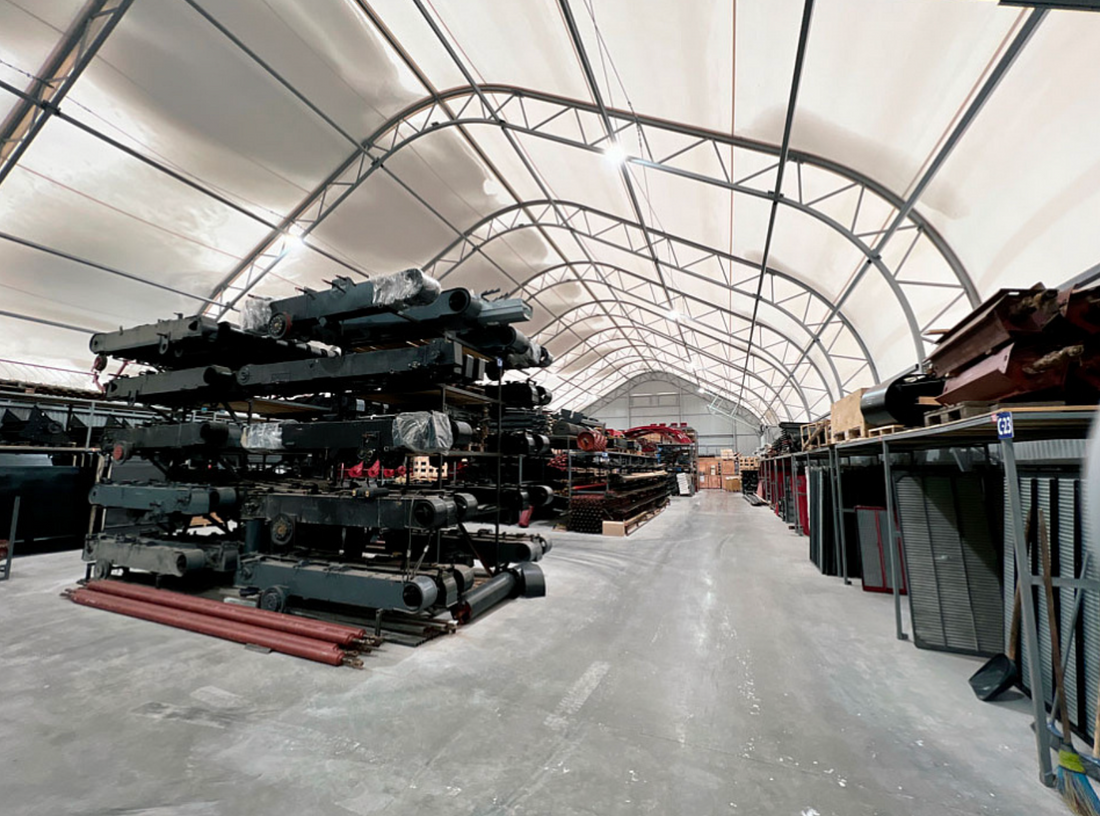
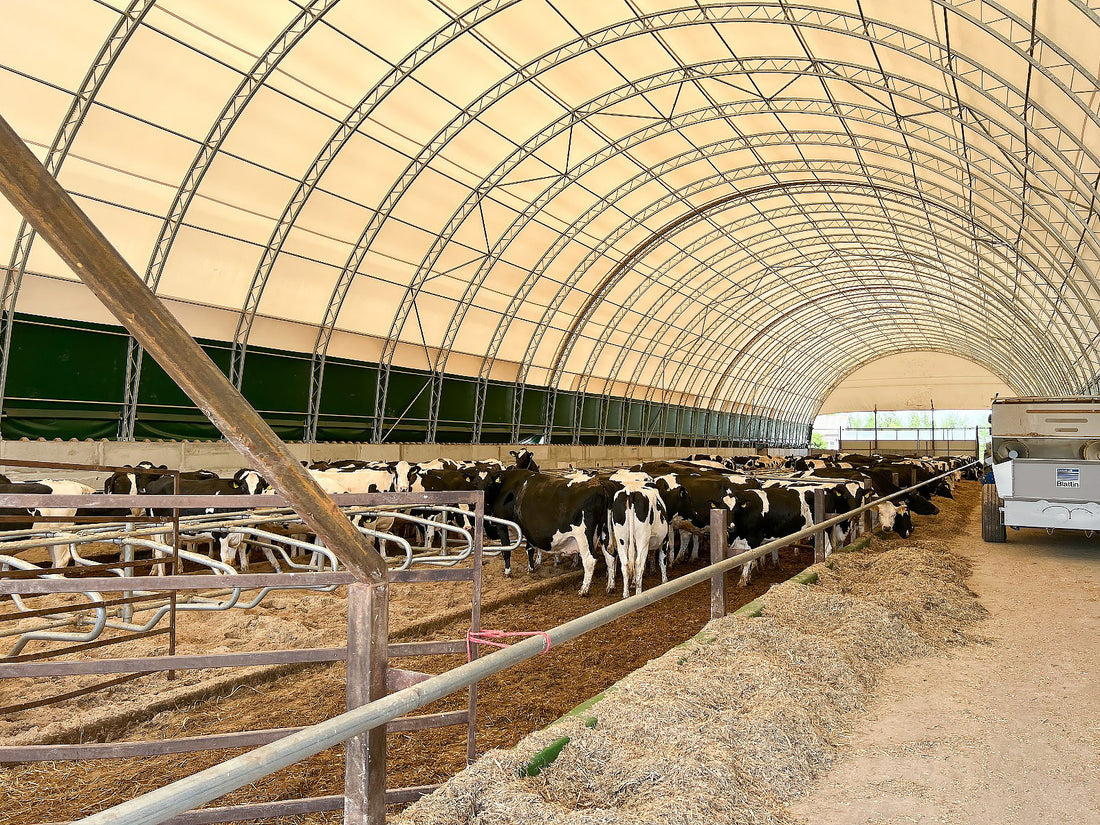
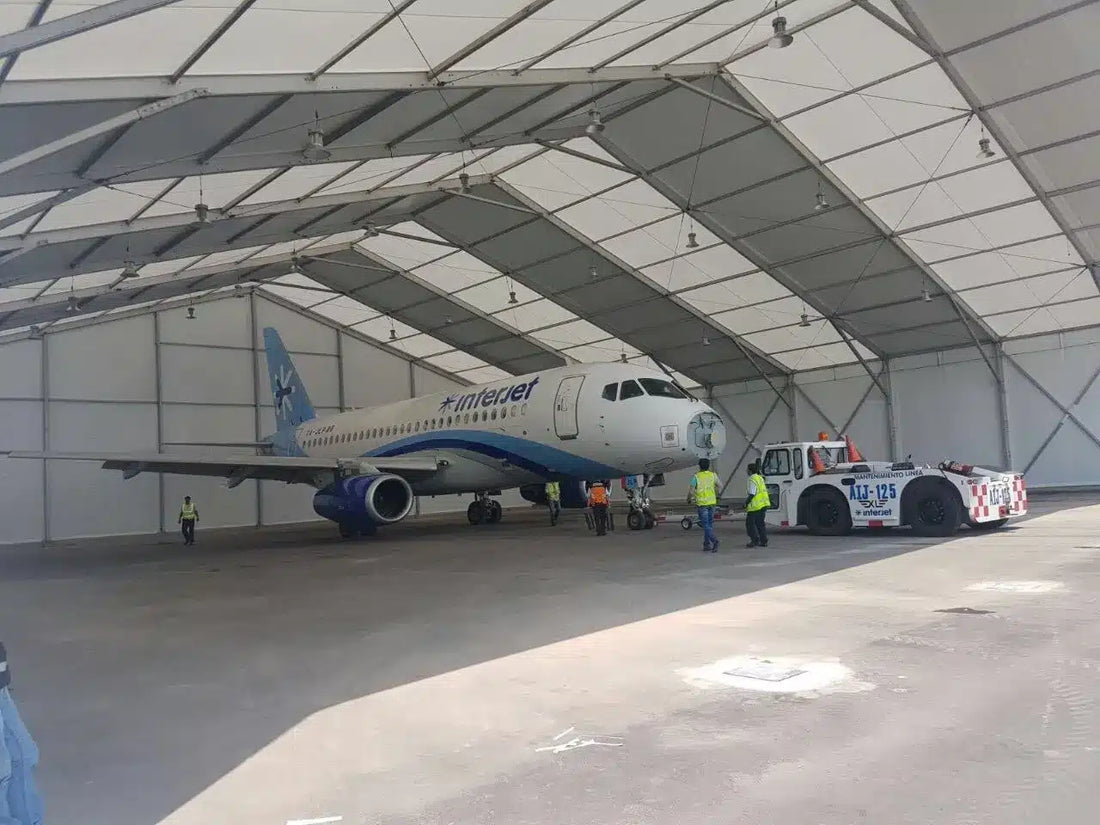
- Container canopies are commonly used for loading cover, equipment protection, temporary maintenance bays, material storage, and fast warehousing capacity.
- A good shipping container canopy should be engineered for the site’s wind and snow loads, not sold as a one-size-fits-all shelter.
- Hot-dip galvanized steel frames, heavy-duty PVC or PVDF fabric, UV protection, fire-rated options, and clear warranty terms are key buying factors.
- Buyers should compare structure quality, span, length, fabric grade, end wall options, installation time, permitting support, and relocation needs before ordering.
What Is a Container Canopy?
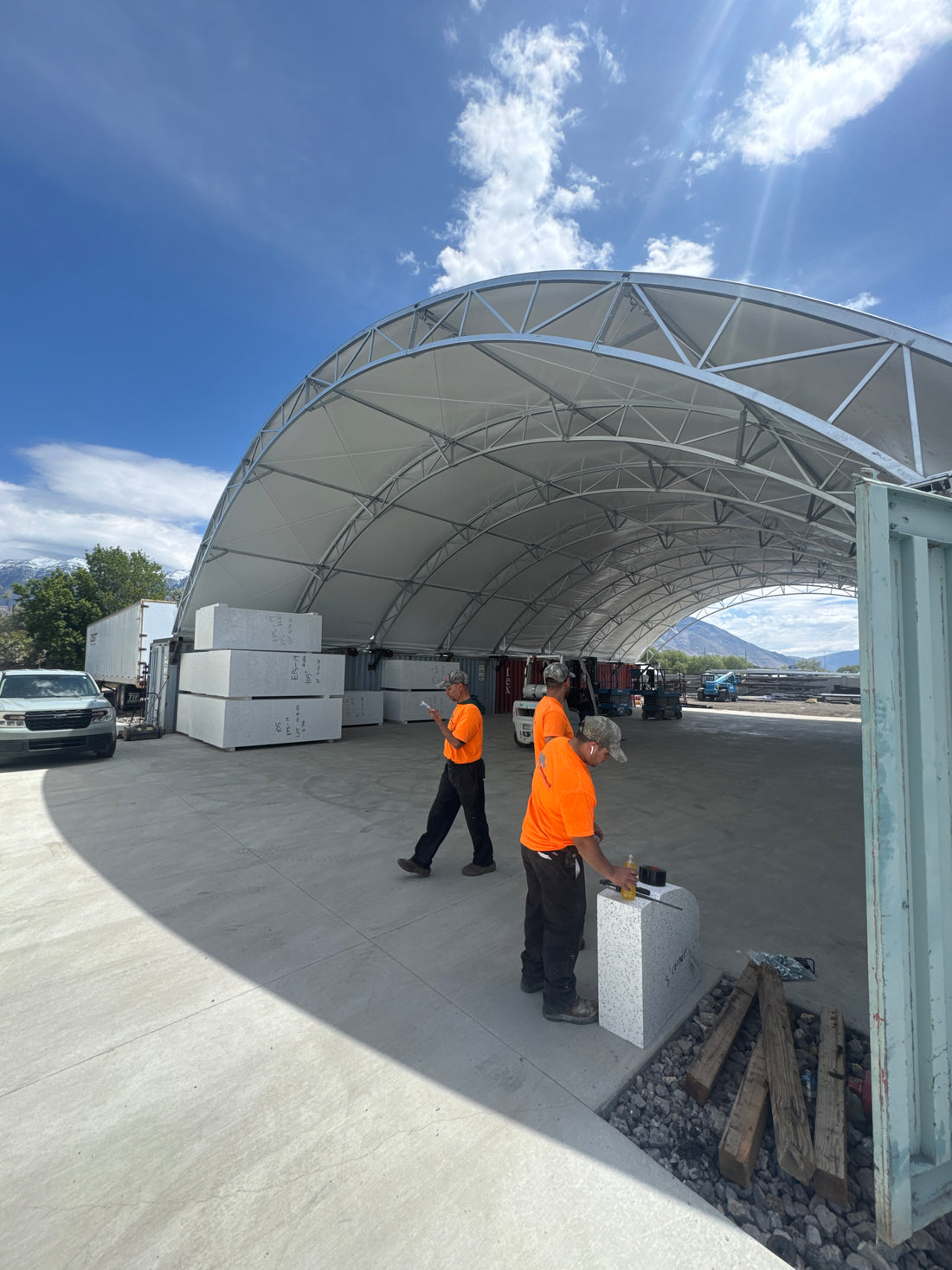
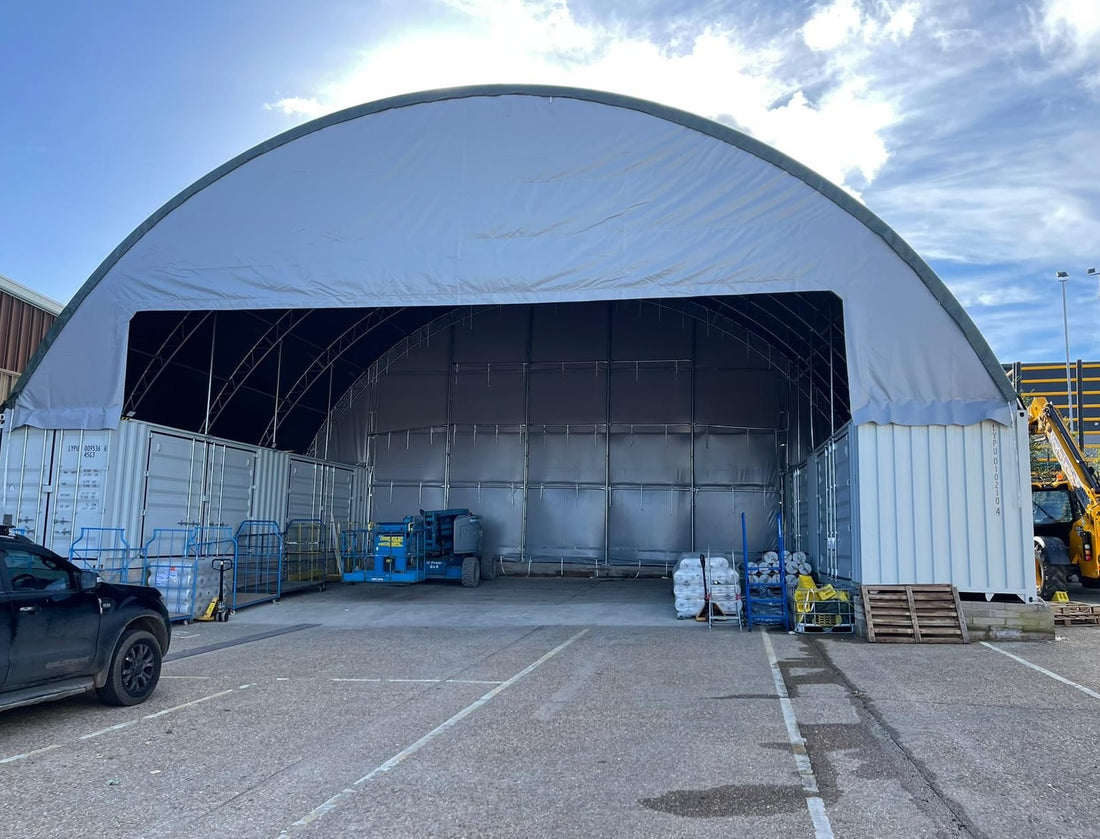
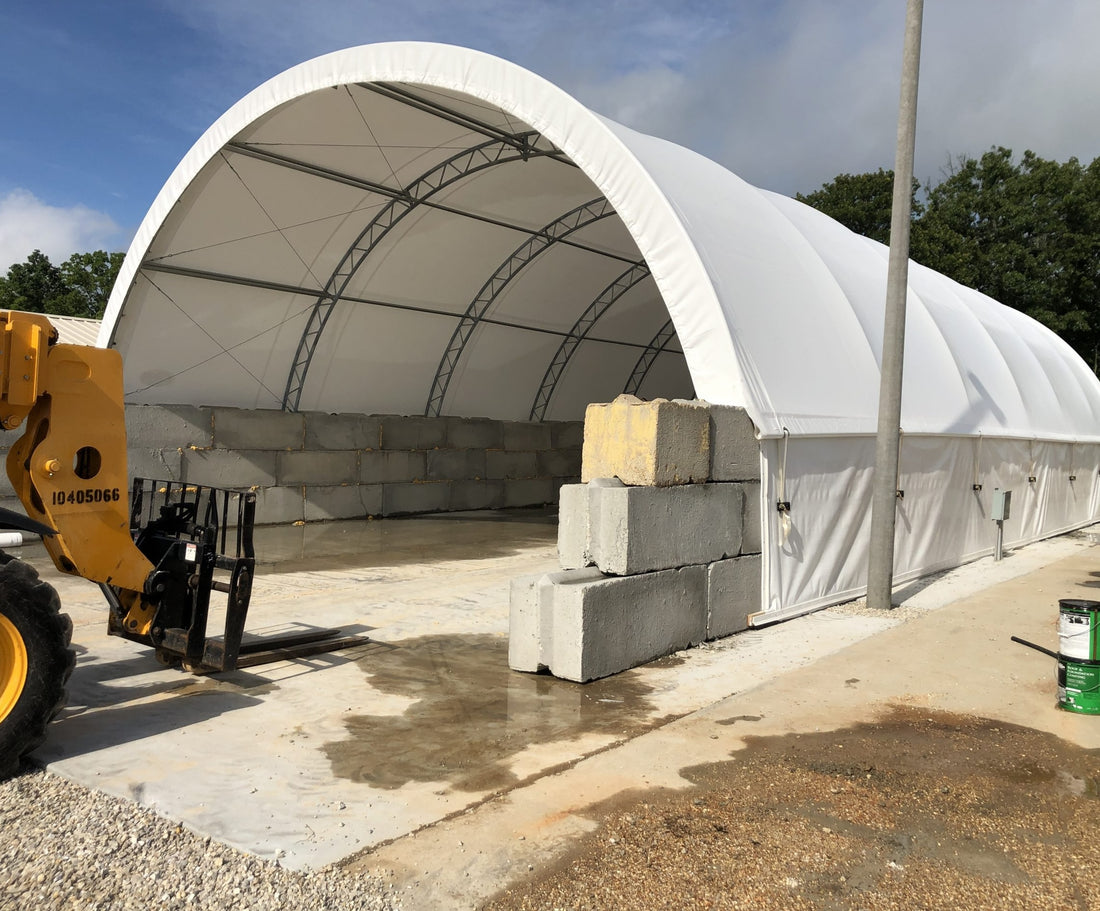
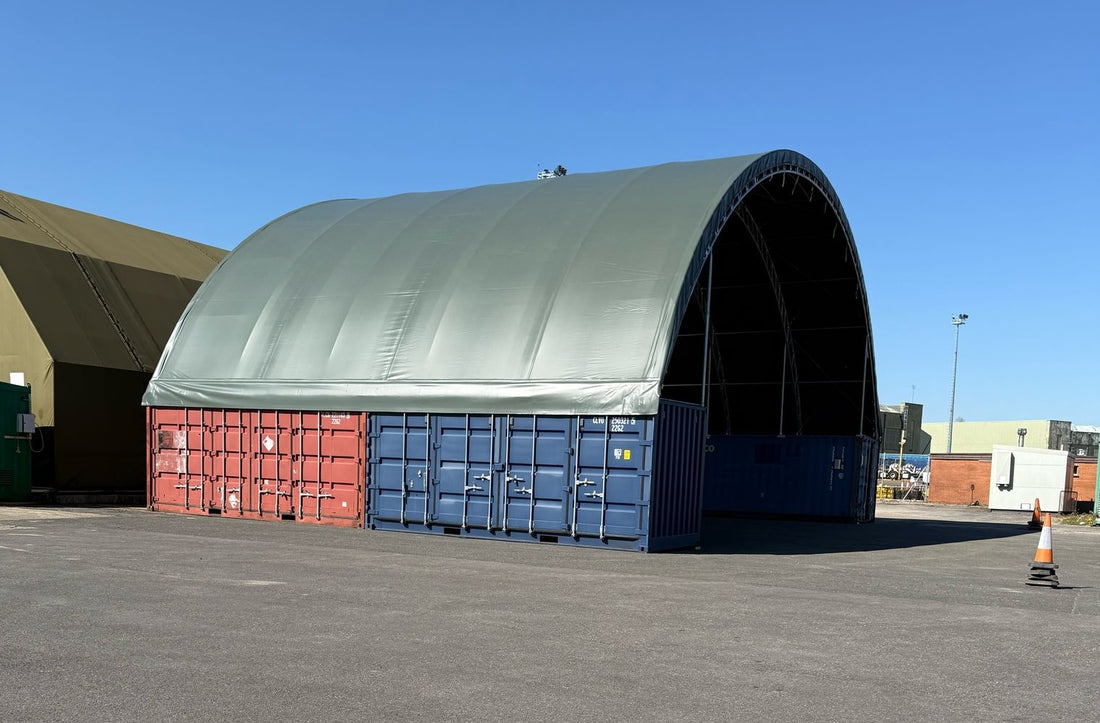
A container canopy is a fabric shelter that arches over two ISO shipping containers, using them as its structural base. The containers sit on the ground. The steel arch frame bolts onto their top rails. A heavy-duty fabric cover goes over the frame. That's it, you have covered, protected space without pouring a single yard of concrete.
People call it different things depending on where they work. Shipping container canopy, conex canopy, container cover, container dome, they all describe the same structure. The name changes, the concept doesn't.
What makes it different from other shelter options is that it works with what you already have. If you have containers on site, you're halfway there before the delivery truck even arrives.
How Does It Actually Work?
The installation process is simpler than most people expect.
You position two ISO containers parallel to each other at the required distance apart. The gap between them, plus the space above, becomes your covered area. A fabricated steel arch frame is then assembled and secured directly onto the container top rails using purpose-made fixings. Once the frame is up, the fabric cover is pulled over it and tensioned until it's drum-tight and weather-sealed.
No ground anchors. No concrete. The weight of the containers provides the ballast.
End walls can be added if you need an enclosed space. Leave them open if you need drive-through access. Most setups are completed in a few days, and the difference on site is immediate, you go from an exposed yard to a covered operational area without disrupting the work around it.
What Do People Actually Use These For?
The honest answer is: a lot of things.
The most common use is loading cover. Keeping dock areas dry means trucks load and unload on schedule regardless of what the weather is doing. That alone makes it a practical solution for many operations.
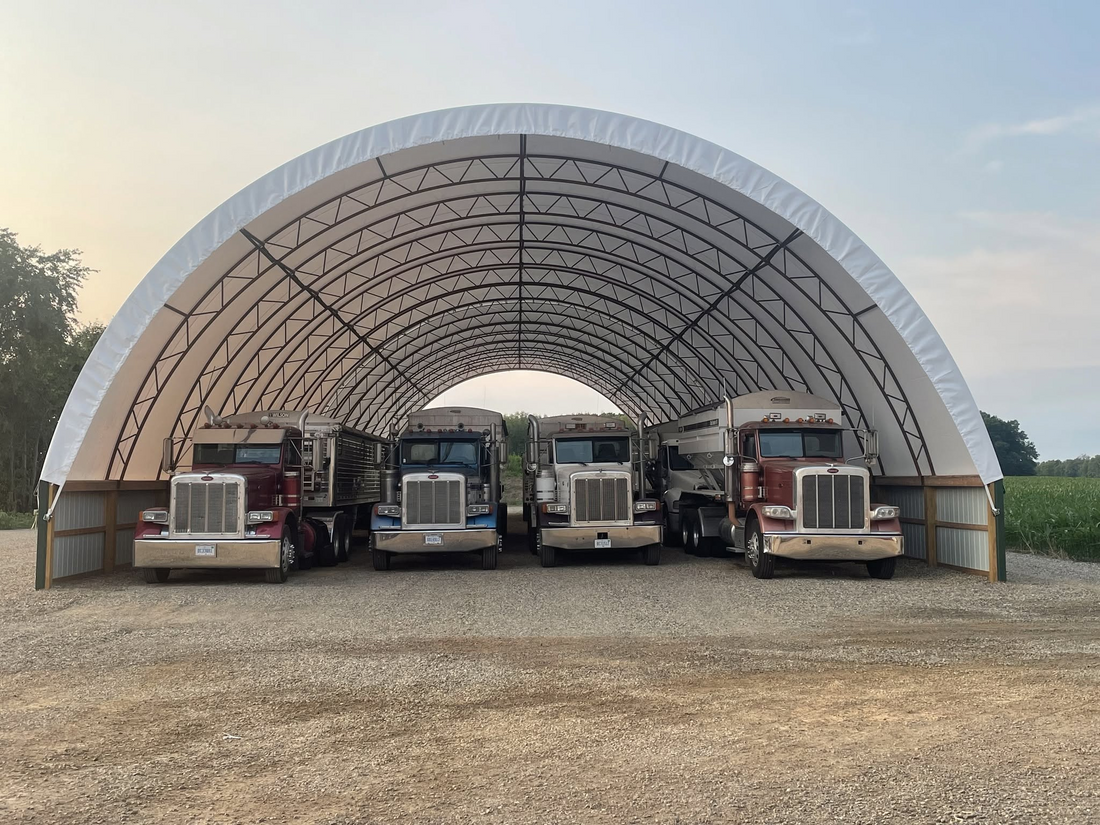
Beyond that, equipment protection is a major driver. Parking plant, vehicles, or machinery under cover, rather than leaving it exposed to UV, rain, and frost, can reduce maintenance needs and extend service life.
Some operations use container canopies as temporary maintenance bays. The covered space between the containers is large enough to carry out servicing work, inspections, or repairs without renting additional facilities.
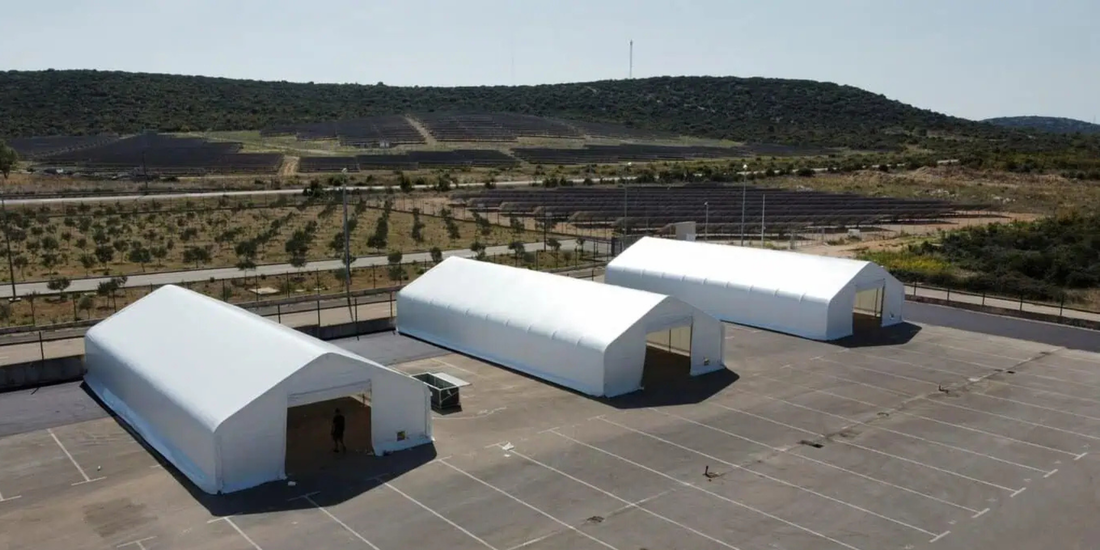
Construction sites use them to protect stored materials. Logistics yards use them to expand covered capacity without committing to a permanent structure. Military and government operations use them for rapid deployment when a permanent build isn't an option.
If your operation needs covered space and speed matters, a container dome is worth serious consideration.
Why Choose a Container Canopy Over Other Options?
There are a few situations where a container canopy makes more sense than anything else on the market.
The first is speed. When you need covered space within days, not weeks or months, there are very few options that can match it. A traditional steel building requires design, approvals, groundwork, and construction. A container canopy requires containers, a crew, and a few days.
The second is the absence of groundwork. On sites with poor ground conditions, active operations, or temporary tenure, the idea of digging foundations is simply not practical. Container canopies sidestep that entirely.
The third is relocatability. This matters more than people realize until they need to move. A permanent building stays where it is. A container canopy comes down, goes on a truck, and goes back up somewhere else. For businesses that move between contracts or expand into new sites, that flexibility has real monetary value.
None of this means a container canopy is right for every situation. If you need a fully enclosed, climate-controlled facility with a 30-year design life, look at a purpose-built fabric building. But for durable, fast, functional covered space, a shipping container canopy is hard to beat.
What Separates a Good Container Canopy From a Poor One?
This is where buyers get caught out, because from a distance most container canopies look similar. They're not.
Frame specification matters most. Hot-dip galvanized steel is the benchmark. It protects against rust from the inside out, which is critical in coastal, humid, or industrial environments. Painted or powder-coated frames look fine when new but deteriorate far quicker under real-world conditions.
Fabric quality is what you live with every day. Heavy-duty PVC or PVDF with UV stabilization and a fire rating is the minimum standard for serious industrial use. Lighter fabrics may be suitable for less demanding applications but may not provide the same long-term durability.
Engineering to local load requirements is non-negotiable. A container canopy that hasn't been designed to meet the wind and snow loads at your specific location is a liability, not an asset. In the US, structures should be engineered in line with local codes or the International Building Code. If a supplier can't tell you what their structure is rated to, that's a red flag.
Warranty terms tell you what the manufacturer actually believes about their product. A meaningful structural guarantee, not a vague "subject to conditions" statement, shows confidence in what's been built.
For a full breakdown of what to evaluate and questions to ask before you commit, our container canopy buying guide covers every decision point in detail.
How to Choose the Right Container Canopy
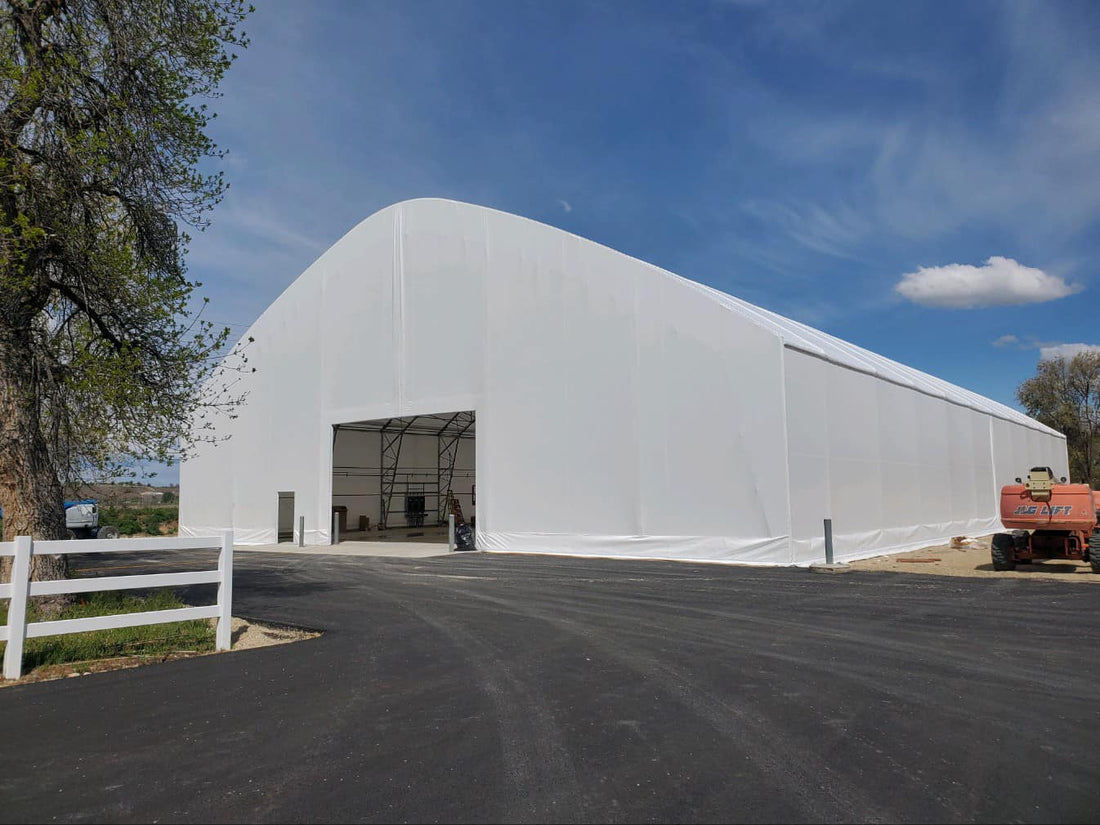
The right container canopy depends on span width, length, fabric grade, and any additional features like end walls, roller doors, or custom fixings. Smaller setups are suited to more compact spaces, while wider configurations can provide greater coverage for industrial applications.
What's worth keeping in mind is that the comparison shouldn't be made against nothing, it should be made against the alternative. Consider the impact of leaving equipment exposed, delaying operations in wet weather, or relying on temporary facilities. For most operations, a container canopy provides a practical way to create covered space without a permanent structure.
For a detailed look at different configurations and key selection factors, see our guide on shipping container canopy.
Frequently Asked Questions
Do I Need Planning Permission For A Container Canopy In The US?
It depends on your local authority. Some areas treat container canopies as temporary structures, while others may require permits. A good supplier can provide engineering drawings, load details, and documents to support your application.
How Many Containers Do I Need?
Most container canopy systems need two standard ISO containers placed parallel to each other. They can be 20ft or 40ft containers, and they usually do not need major modification.
Can The Structure Be Extended Later?
Yes. Most container canopy systems are modular. Additional bays can be added later if you need more covered space.
What If My Containers Are Not In Perfect Condition?
The containers must be structurally sound where the canopy frame connects, especially along the top rails. A proper site survey will confirm whether your containers are suitable.
How Long Does Installation Take?
Standard container canopy installations usually take a few days on site. Timing depends on the size, site access, weather, and any preparation needed before assembly.
The Bottom Line
A container canopy is a practical, proven solution for operations that need covered space without the time or permanence of a traditional building. It works because it uses what you already have, installs fast, and can move with you when your operation does.
Whether you're looking for a shipping container cover for a loading bay, a conex canopy to protect heavy equipment, or a container dome to add fast warehousing capacity, the right structure, properly specified, will deliver reliable performance for years.
If you're ready to explore options for your site, get in touch with the Sheltirx team for a same-day quote.