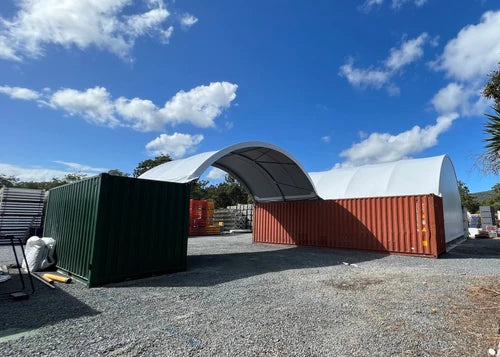
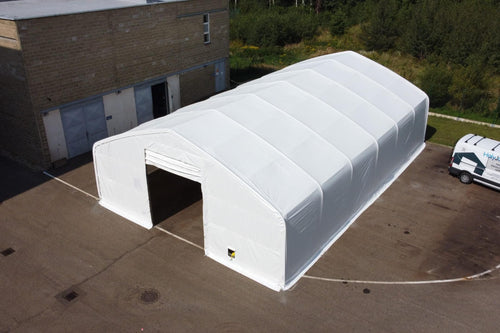


Harvest operations can bring large volumes into the yard over a short period. Storage layout affects how quickly vehicles can unload, where full bins are placed and how crops are moved toward sorting, packing or dispatch.
Building width and length should account for the number and size of bins, crates or pallets, along with the equipment used to move them. Door locations and clearances should support forklifts, tractors, trailers or other vehicles without forcing tight turns through the storage area.
Where several crops or grades are handled, the layout can reserve distinct areas for different materials and keep routes for incoming harvest separate from outgoing loads. These choices help the building support the operation instead of becoming a bottleneck during peak periods.
If produce arrives in reusable bins, include room for empty-bin staging and the movement of full bins toward packing or dispatch. For bagged or palletized crops, consider where pallets will be received, inspected and stored, and make sure those activities do not cross the route used for outgoing loads. Storage needs should be checked for each crop rather than assuming one layout suits the whole harvest.