

Ordering a container canopy sounds simple at first. You choose a size, get a price, and place the order. But on a real site, small mistakes can create daily problems.
The roof may be too low. The opening may be too narrow. Water may drain toward the wrong area. Trucks may not move safely. The site may need permits that were not checked early.
This guide from Sheltirx is written for site managers who want to avoid those issues. Use it as a clear, practical checklist before ordering a container canopy for your site.
Objective
The objective of this blog is simple. It helps site managers ask the right questions before buying a container canopy. These questions cover site use, size, weather, access, safety, permits, and long-term value.
Key Takeaways
- A container canopy should be planned around real site activity.
- Do not choose a shelter solely by price.
- Check the container condition before using it as support.
- Weather, wind, rain, and snow must be reviewed before ordering.
- A proper container canopy procurement checklist helps avoid missing details.
- Modular industrial shelters are useful when a site may grow or change.
1. What Will The Container Canopy Be Used For?
Start with the main use.
Will the container canopy cover equipment? Will it protect the raw material? Will workers use it as a repair area? Will trucks be able to load and unload under it?
Each use needs a different layout.
For example, a storage area needs to be dry and open. A workshop may need more height, lighting, and airflow. A loading area may need wide side access for forklifts.
Ask this before anything else:
- What will be stored under it?
- Who will use the space?
- What vehicles will enter?
- How often will the area be used?
- Will the use change later?
A container canopy should fit the daily work on the site, not just look good on a quote.
2. What Size Of Container Canopy Does The Site Need?
Size is one of the most common mistakes.
A site manager may order a container canopy that looks large on paper but feels tight in use. This happens when turning, walking, and loading space are not measured properly.
Measure the full working area.
Check:
- Width between containers
- Total covered length
- Roof height
- Forklift turning space
- Truck entry space
- Safe walking paths
- Space for future storage
Do not measure only the material or equipment. Measure the movement around it. A few extra feet can make daily work much easier.
3. Are The Shipping Containers Strong And Level?
Many shipping container canopy shelter systems use containers as the base. That means the containers must be strong enough and placed correctly.
Check the containers before ordering.
Look for:
- Rust
- Bent corners
- Weak roof edges
- Damaged corner posts
- Uneven ground
- Doors that do not open well
- Containers sitting at different heights
If the containers are not level, the canopy may not sit correctly. This can affect drainage, tension, frame alignment, and safety.
Do not assume every container is ready to support a container canopy. Old containers may still look fine from far away, but may not be suitable for structural use.
4. What Weather Must The Shipping Container Canopy Shelter Handle?
A shipping container canopy shelter must be suited to the local weather conditions.
A site in a windy, open yard has different needs than one surrounded by buildings. A snowy location needs different planning than a dry storage yard. A coastal site may need stronger rust protection.
Ask about:
- Wind exposure
- Rainfall
- Snow load
- Sun exposure
- Dust
- Salt air
- Storm risk
This is where Sheltirx can be reviewed as part of your wider buying process, but the site manager should still confirm local weather needs and site conditions before ordering.
The weather should never be treated as a small detail. It decides the frame strength, roof shape, fabric type, and anchoring method.
5. What Cover Material Is Best For The Container Canopy?
The cover is the part that takes the most abuse from the weather. It faces sun, rain, wind, dust, and daily wear.
Ask what material is used before you approve the order.
Check:
- Waterproof rating
- UV resistance
- Tear strength
- Fire rating
- Cold weather performance
- Expected service life
- Warranty terms
For busy yards, farms, depots, and industrial sites, the cover must be strong enough for real working conditions.
6. How Will The Container Canopy Be Installed?
Installation should be planned before delivery.
Ask who will install the container canopy. Ask what equipment is needed. Ask how long the job will take. Ask if site work has to stop during installation.
A good installation plan should include:
- Delivery details
- Required lifting equipment
- Number of workers needed
- Tools and hardware included
- Anchor points
- Safety steps
- Estimated installation time
Do not wait until delivery day to find out that equipment is missing or access is blocked.
A clear installation plan helps the site avoid delays.
7. Does The Site Need Permits Or Engineering Documents?
Some sites may need permits before installing a container canopy. This depends on local rules, the shelter's size and use, and whether the structure is temporary or long-term.
Ask these questions early:
- Is a permit needed?
- Are drawings available?
- Is engineering documentation required?
- Who checks local rules?
- Does the site owner need approval?
- Are there fire or access rules?
Do not guess. Permit problems can stop work and cause delays.
This part of the site manager container shelter guide is important because rules can vary from one area to another.
8. How Will Water Drain From The Container Canopy?
Rainwater must be managed properly.
If drainage is ignored, water may collect near doors, storage areas, walkways, or loading points. This can create mud, slips, and material damage.
Before ordering, ask:
- Which way will water run?
- Is the ground sloped?
- Are gutters needed?
- Will water run toward the doors?
- Will runoff affect nearby equipment?
- Is the shelter placed away from low spots?
A container canopy should keep the working area dry, not move the problem to another part of the site.
9. Can Modular Industrial Shelters Be Expanded Later?
Sites change. Storage needs grow. Equipment gets bigger. A project may move to another location.
This is why modular industrial shelters can be useful. They give more flexibility than a fully fixed structure.
Ask if the shelter can be:
- Extended later
- Moved to another site
- Re-covered
- Repaired in sections
- Used with more containers
- Adjusted for new access needs
If the site may grow, think beyond the first order. A flexible shelter can save money later.
10. What Should Be Included In The Container Canopy Procurement Checklist?
A good quote should be clear. It should not leave the site manager guessing.
Use this container canopy procurement checklist before placing the order.
|
Item To Check |
Why It Matters |
|
Size And Height |
Confirms the shelter fits daily site use |
|
Frame Material |
Shows strength and rust protection |
|
Cover Material |
Shows weather protection and lifespan |
|
Anchoring System |
Helps keep the shelter secure |
|
Weather Rating |
Confirms the shelter suits the location |
|
|
Avoids surprise charges |
|
Installation Support |
Helps plan site work |
|
Warranty |
Shows what is covered after purchase |
Do not compare only the final price. Compare what is included.
One quote may include hardware, delivery, and documents. Another may not. That difference matters.
FAQs About Container Canopy Planning
What Is A Container Canopy?
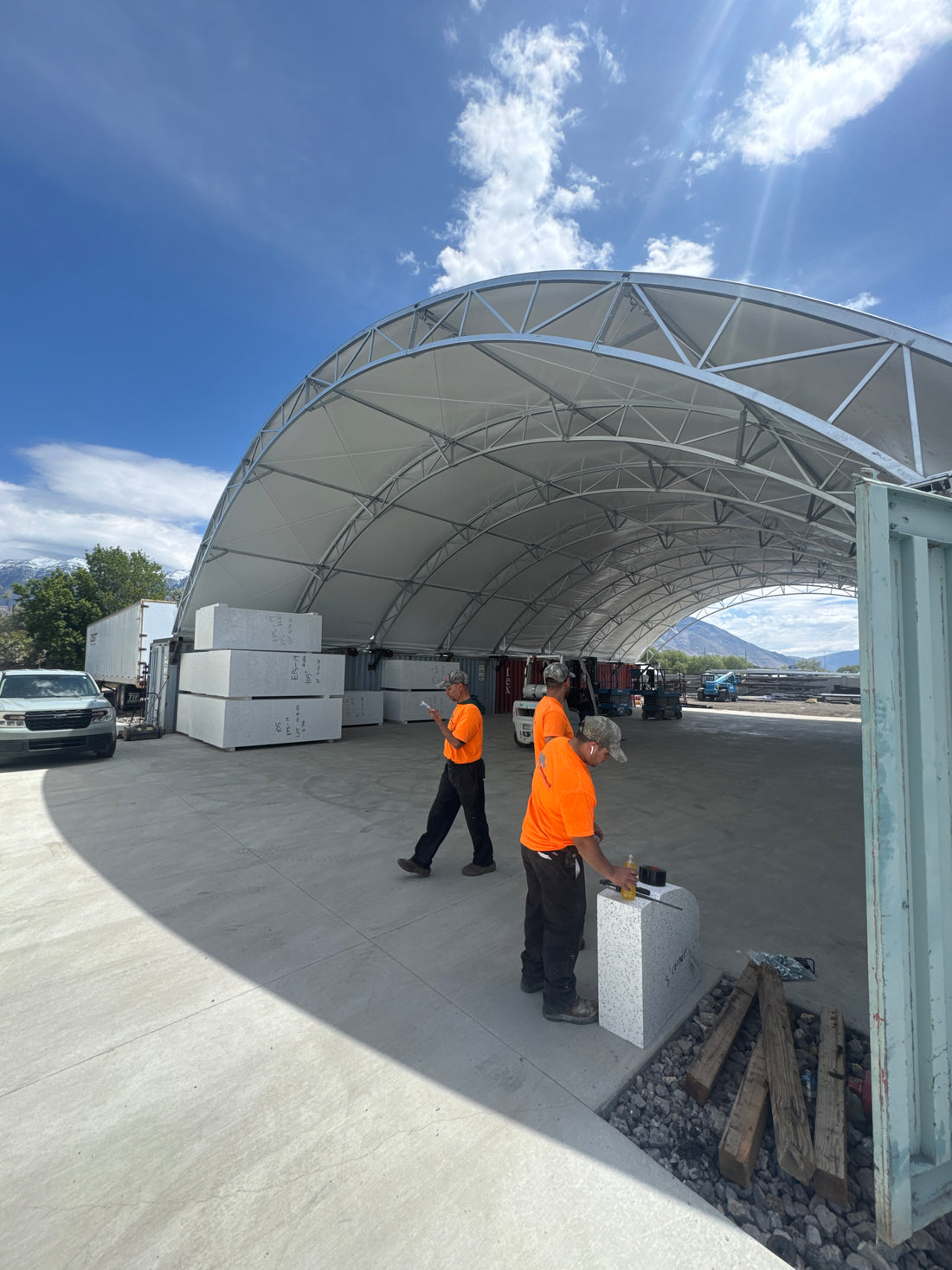
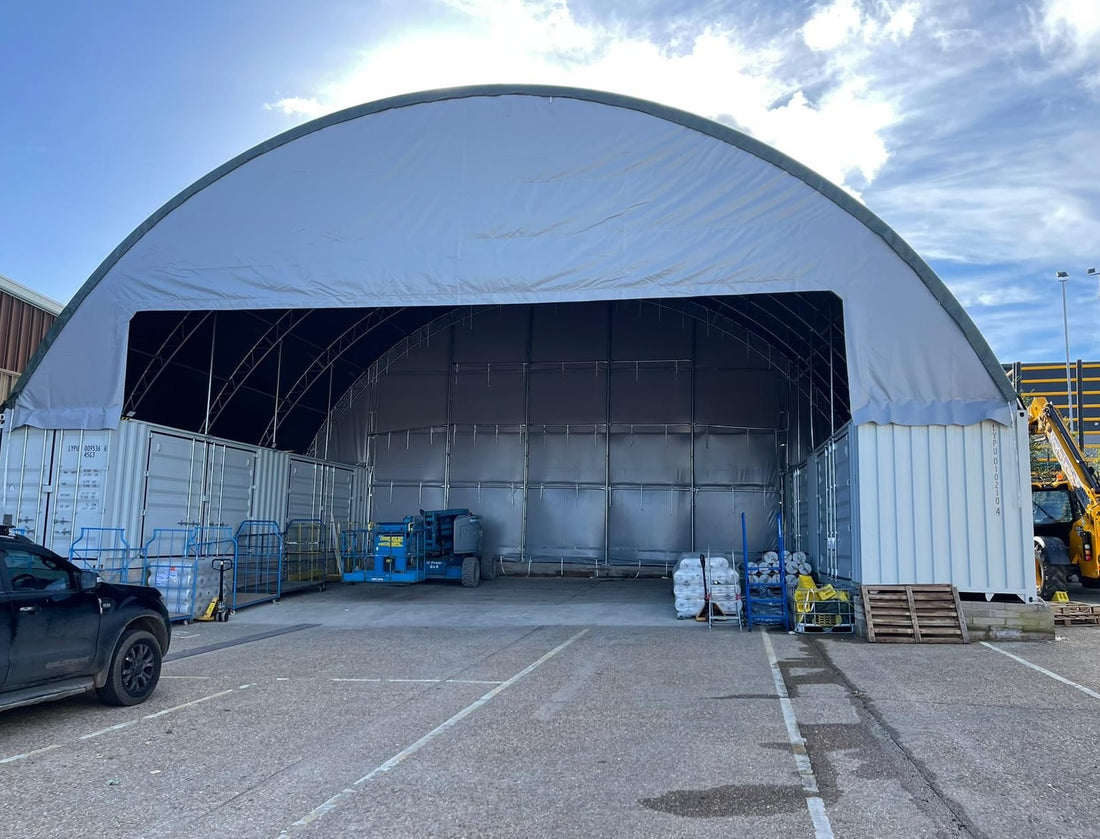
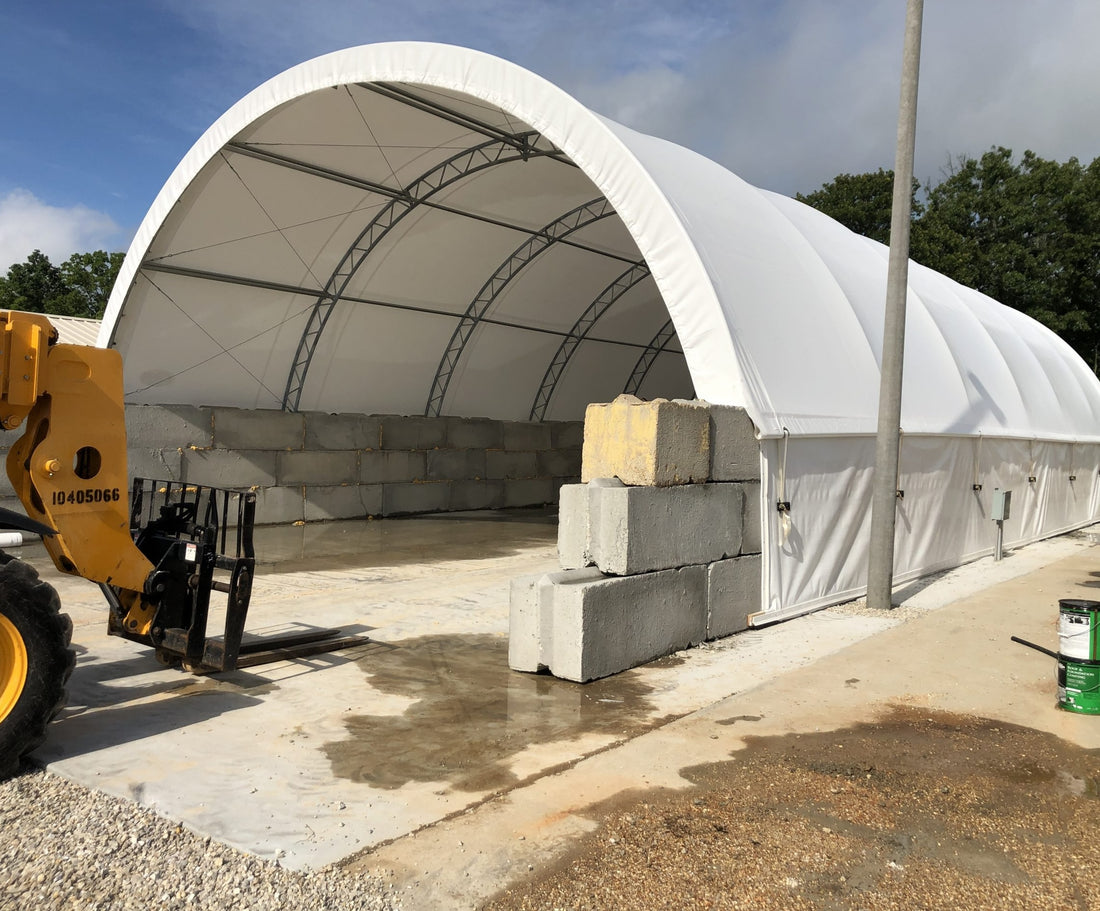
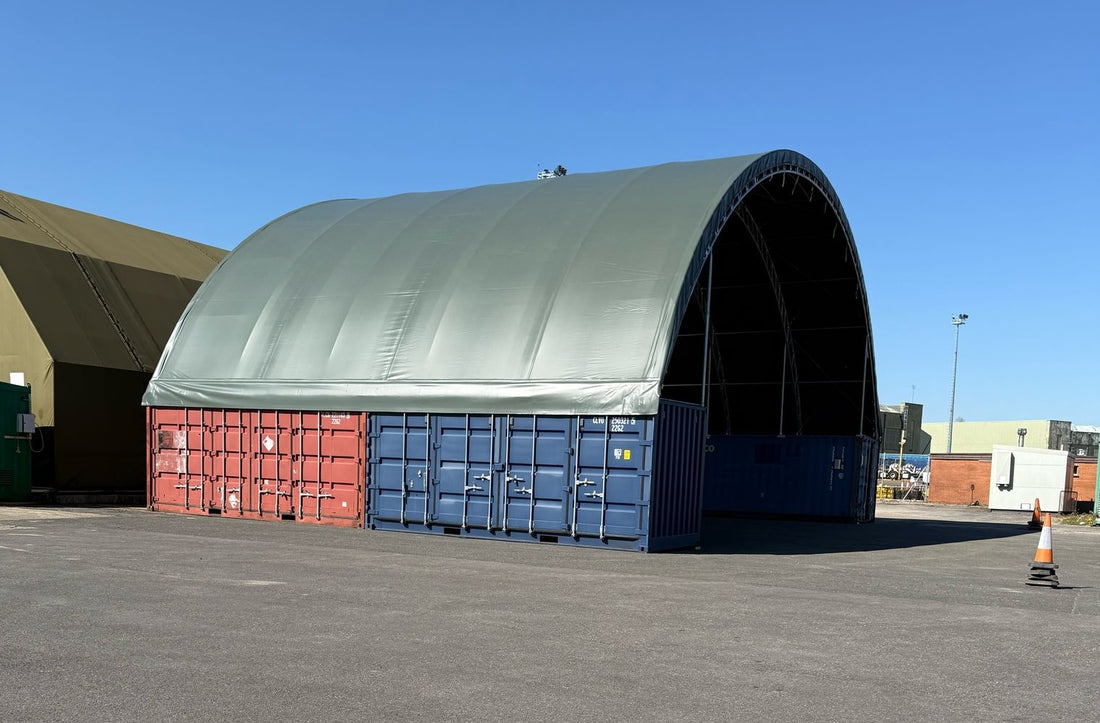
A container canopy is a roof system fixed between or beside shipping containers. It creates covered space for storage, loading, repairs, parking, or site work.
What Is A Shipping Container Canopy Shelter Used For?
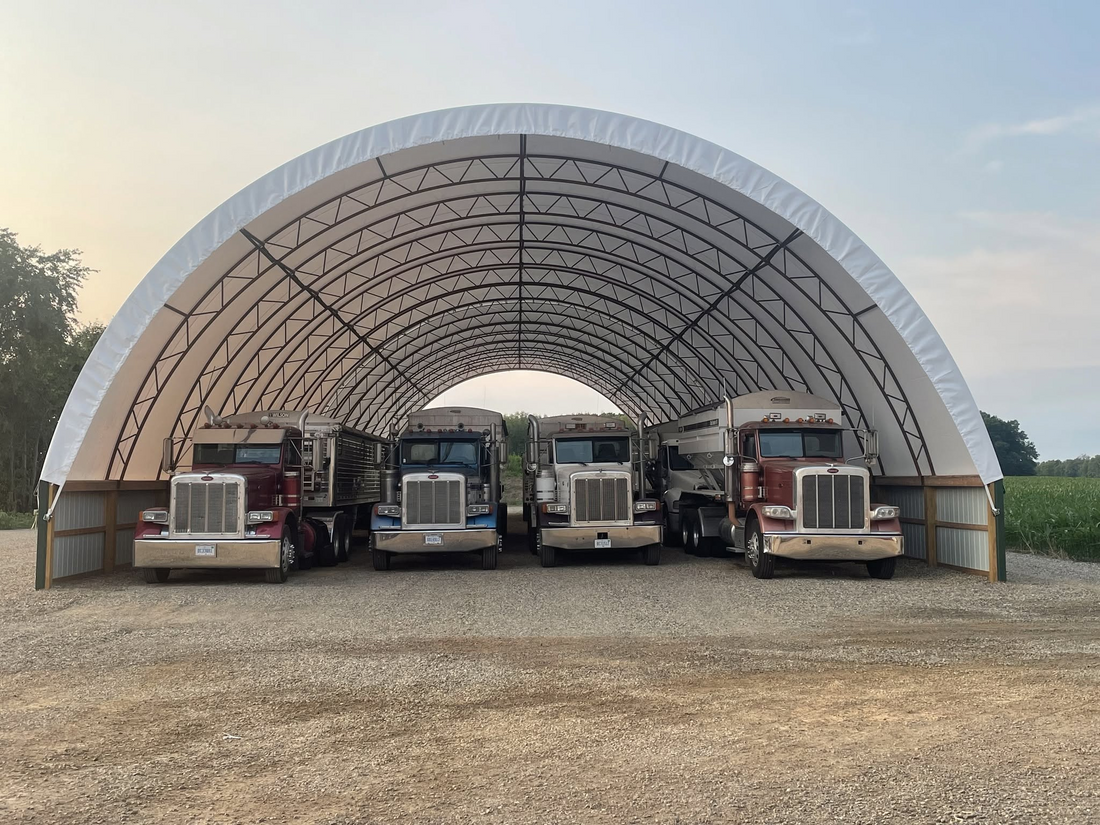
A shipping container canopy shelter protects equipment, stock, vehicles, tools, and workers from the weather. It is common on construction sites, farms, yards, warehouses, and industrial sites.
Are Modular Industrial Shelters Good For Temporary Sites?
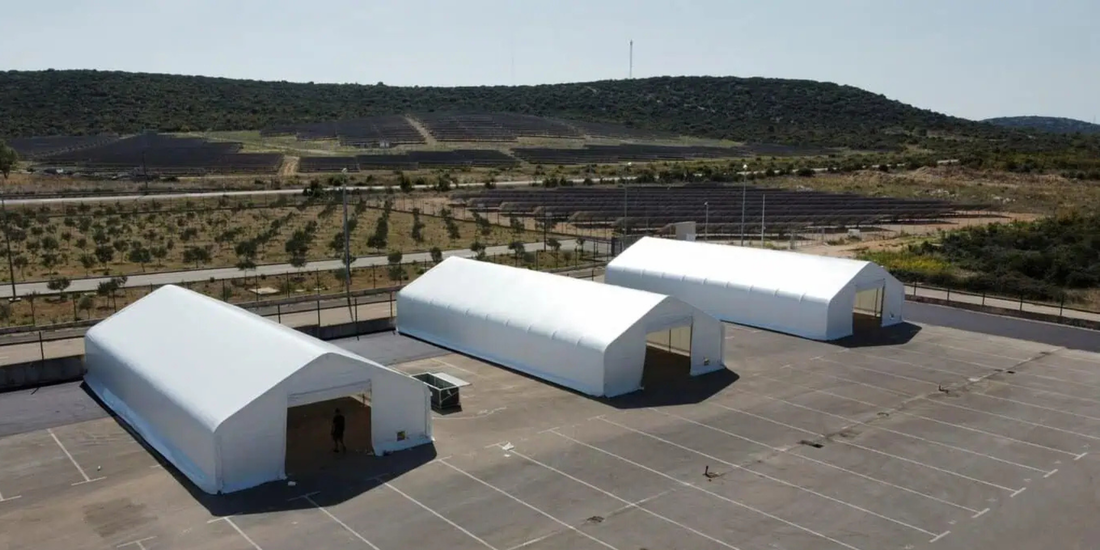
Yes. Modular industrial shelters are useful for temporary or changing sites because they can often be moved, extended, or adjusted more easily than fixed buildings.
What Should A Site Manager Check Before Ordering?
A site manager should check use, size, container condition, weather, cover material, permits, drainage, access, installation needs, and warranty.
Does A Container Canopy Need A Permit?
It may need a permit depending on local rules, size, use, and site location. Always check before ordering.
How Do I Choose The Right Container Canopy Size?
Measure the stored items, vehicles, walking space, turning space, loading space, and future storage needs. Do not measure only the equipment.
What Should Be In A Container Canopy Procurement Checklist?
A container canopy procurement checklist should include size, height, frame, cover, anchors, weather rating, permits, delivery, installation, drainage, and warranty.
Conclusion
A container canopy can make a site cleaner, safer, and easier to manage. But it must be planned properly.
Do not rush the order. Walk the site. Measure the space. Check the containers. Think about weather, drainage, access, and future use.
If you are reviewing options, Sheltirx can be included in the final discussion once your site size, use case, and safety needs are clear.
“Order The Shelter Your Site Actually Needs. Plan The Space, Check The Details, And Choose A Container Canopy That Works Every Day.”