


Objective
This article explains why many businesses, farms, contractors, and property owners use a container shelter when they need more covered space. It focuses on real-world benefits such as storage, weather protection, better organization, and flexible use. The goal is to give readers clear, useful information before they decide which type of shelter may fit their site. Sheltirx is included here naturally as part of the requested content context.
Key Takeaways
- A container shelter creates a practical covered space without building a full structure.
- It helps protect materials, tools, stock, and vehicles from the weather.
- It can improve organization and daily workflow.
- Many sites use it as a flexible storage solution.
- A storage container canopy can be useful across many industries.
- Regular maintenance helps extend shelter life.
What A Container Shelter Is
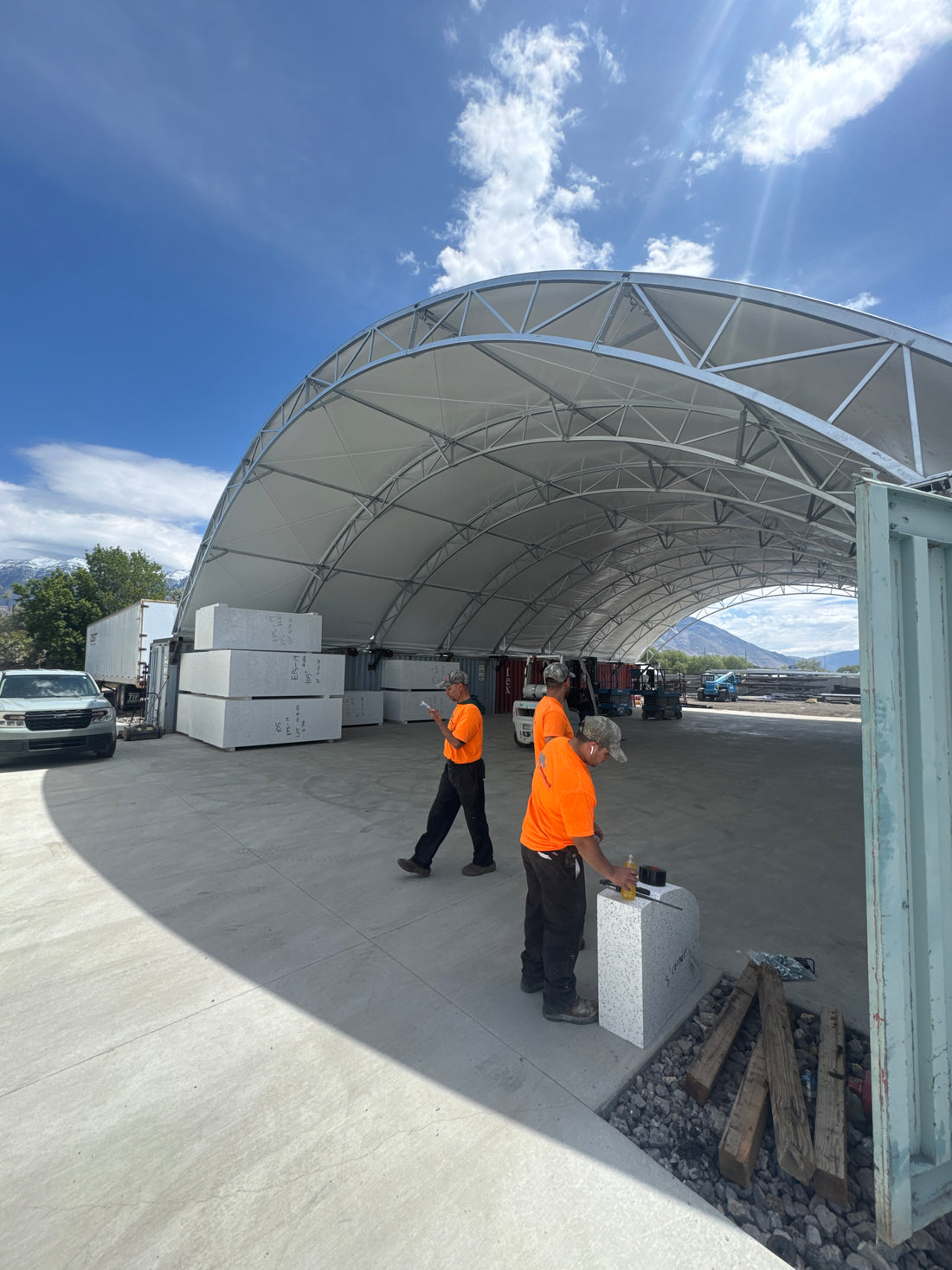
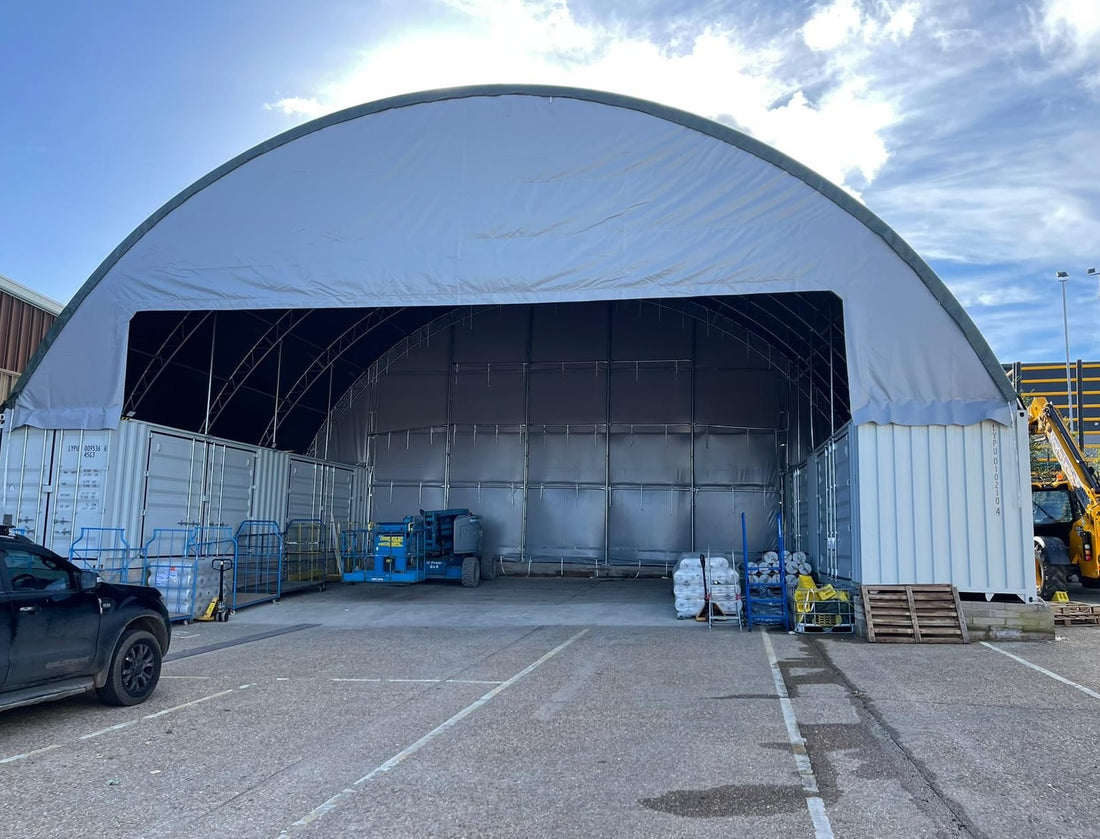
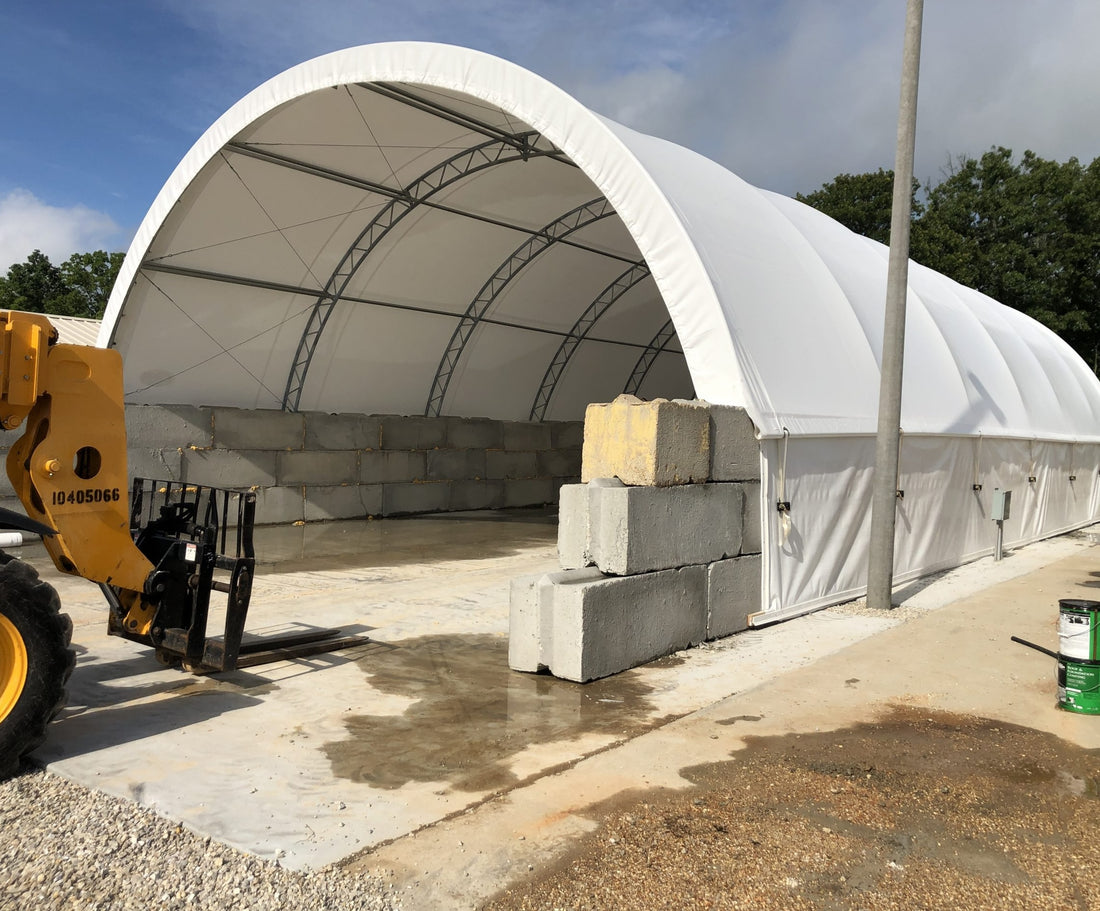
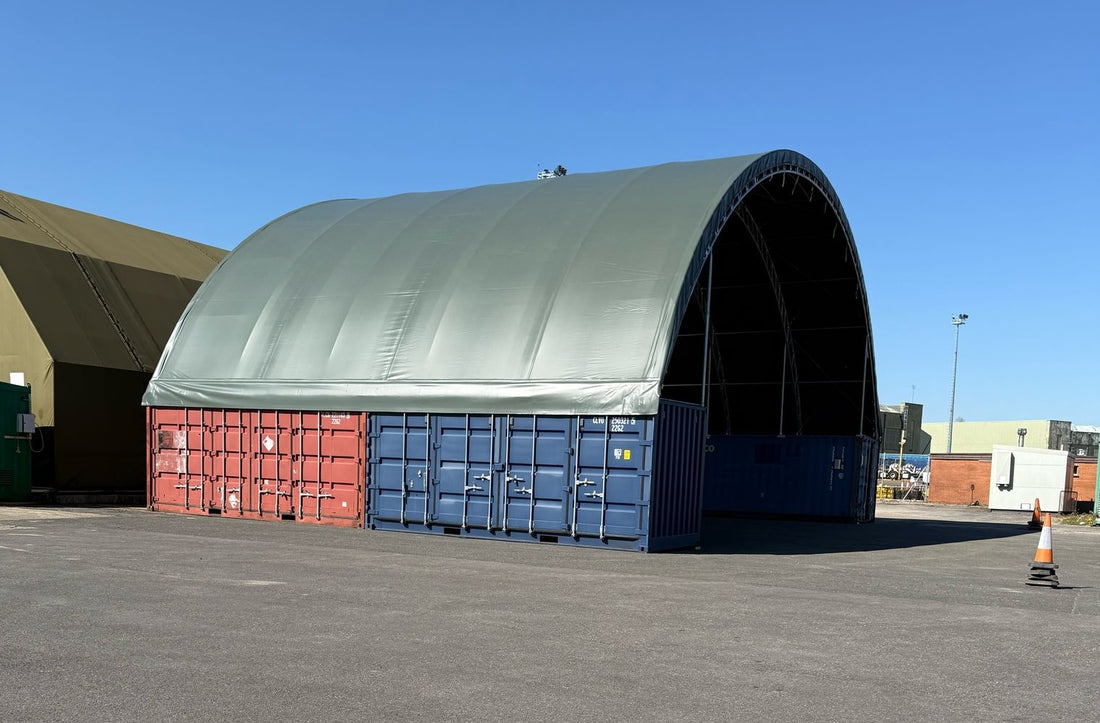
A container shelter is a covered structure that uses shipping containers as side supports. The space between the containers becomes a protected working or storage area.
This setup is common because many businesses already use containers for secure storage. By adding a roof system between them, the same space becomes more useful.
Instead of having two separate containers with open ground in the middle, the area becomes sheltered and practical.
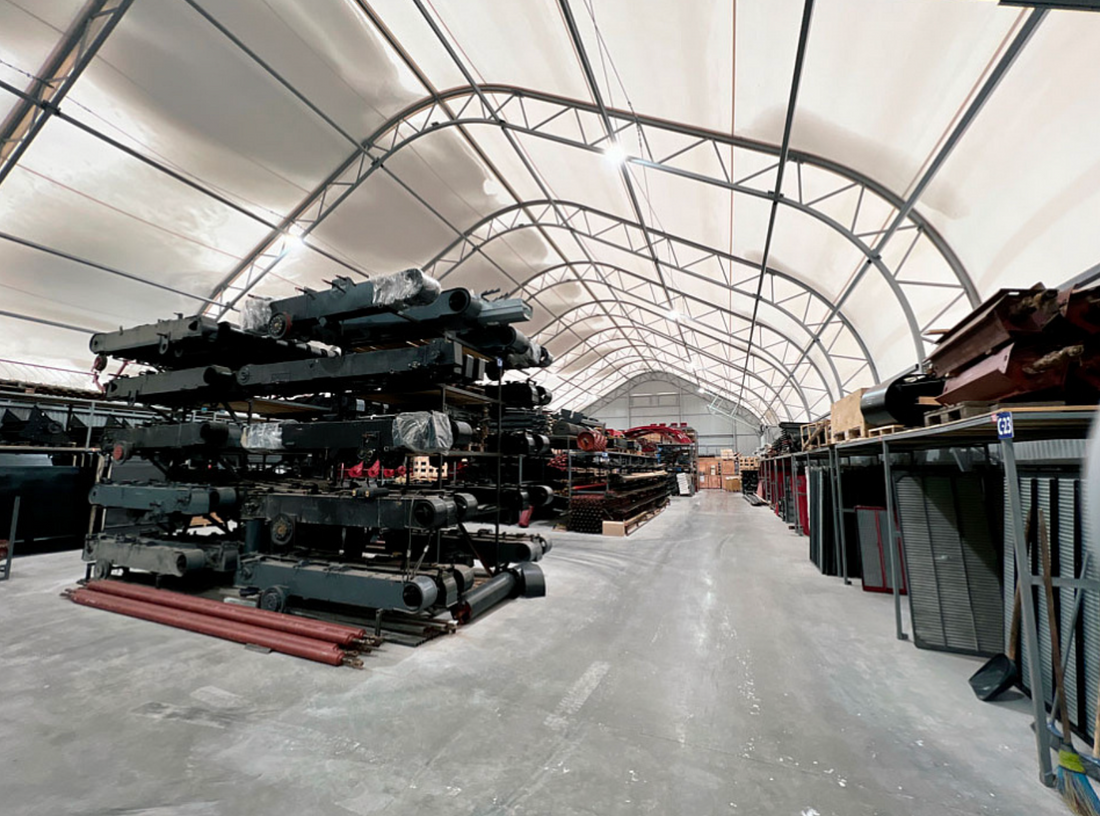
This covered area may be used for:
- Equipment storage
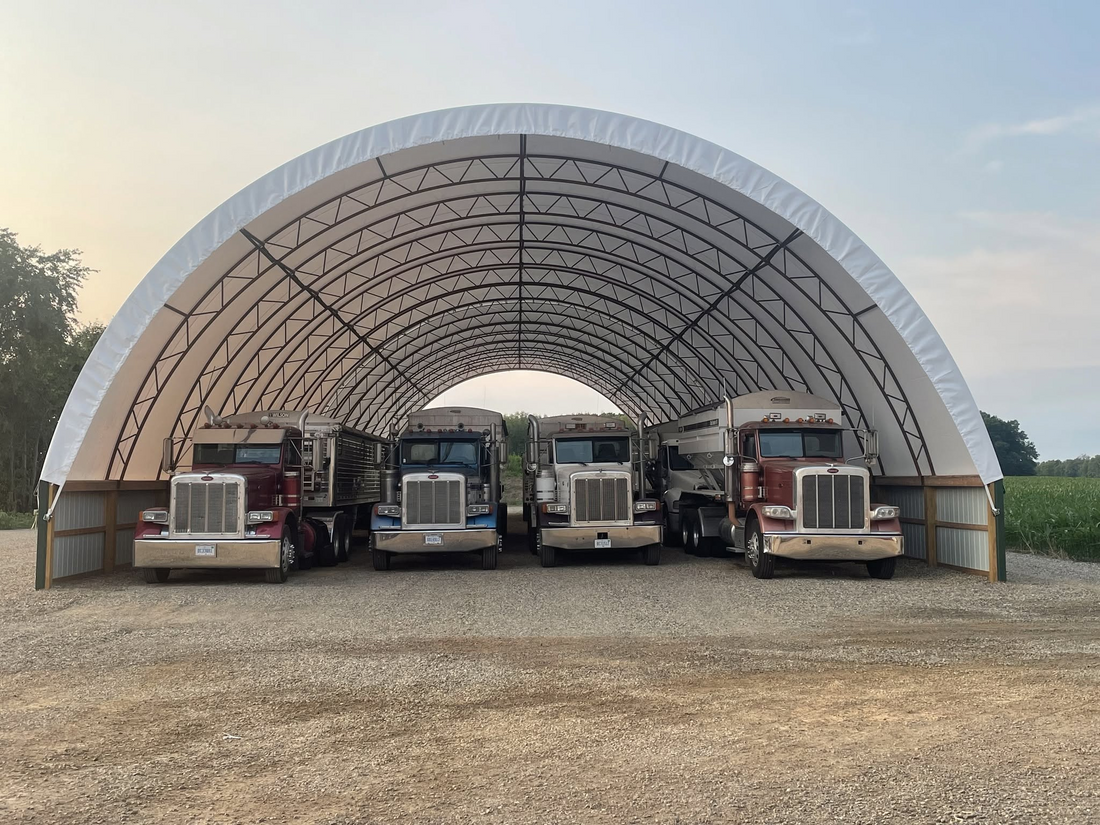
- Vehicle parking
- Loading work
- Material handling
- Tool storage
- Outdoor repairs
- Farm supplies
- Overflow inventory
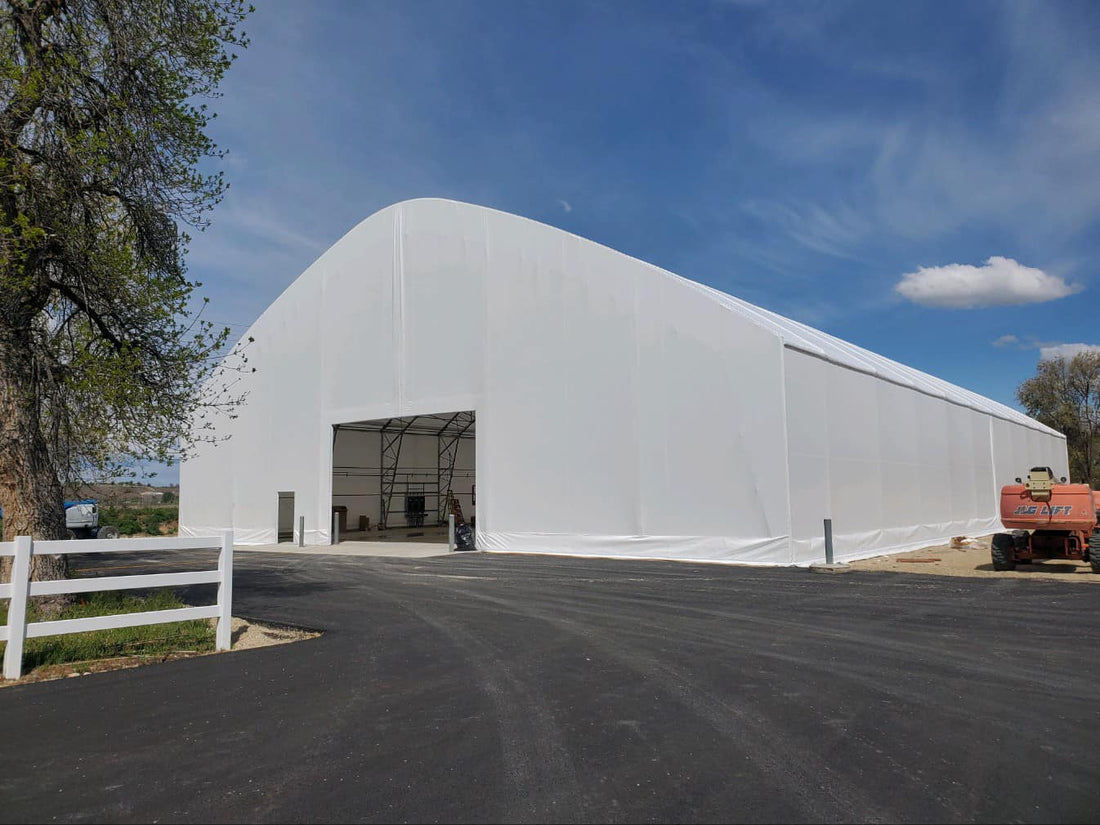
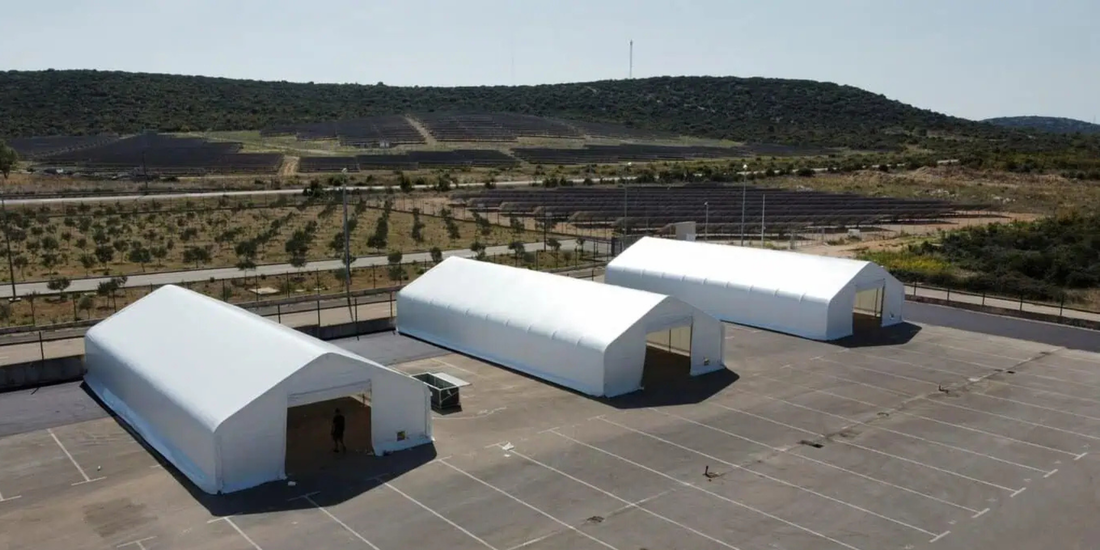
A storage container canopy is often chosen by people who need more space quickly and want to keep items safer from changing weather conditions.
The roof material is usually made from durable fabric or coated material. This is often referred to as a container shelter cover.
Why Covered Storage Matters
Many businesses lose time and money because items are left outside with no protection.
Rain can damage boxes, wood, feed, paper goods, and packaging. The sun can fade materials and overheat equipment. Snow and ice can block access. Wind can scatter light items and create clutter.
Even when materials are not damaged, outdoor storage often slows work.
Workers may spend time:
- Moving items during bad weather
- Searching through the messy yard space
- Drying wet tools
- Replacing damaged stock
- Delaying loading or unloading
A container shelter helps solve many of these everyday problems.
Covered space is not only about storage. It is also about smoother daily work.
Top Benefits Of Using A Container Shelter

1. Creates Useful Space Quickly
One of the biggest reasons people choose a container shelter is speed.
A traditional building often needs more planning and longer construction time. A shelter setup can often be installed faster, especially when containers are already on-site.
This can help when a business suddenly needs more room for:
- Seasonal stock
- Incoming deliveries
- New equipment
- Temporary storage
- Short-term workspace
Instead of waiting months for extra space, many people choose a practical covered setup.
2. Protects Materials From Weather
Weather damage is expensive. It may not happen in a single day, but repeated exposure can cause problems.
Rain may cause rust, swelling, mold, or ruined packaging. The sun can crack plastics, fade products, and dry out materials. Snow adds moisture and slows access.
A container shelter cover helps reduce direct exposure to the weather.
Items often stored under cover include:
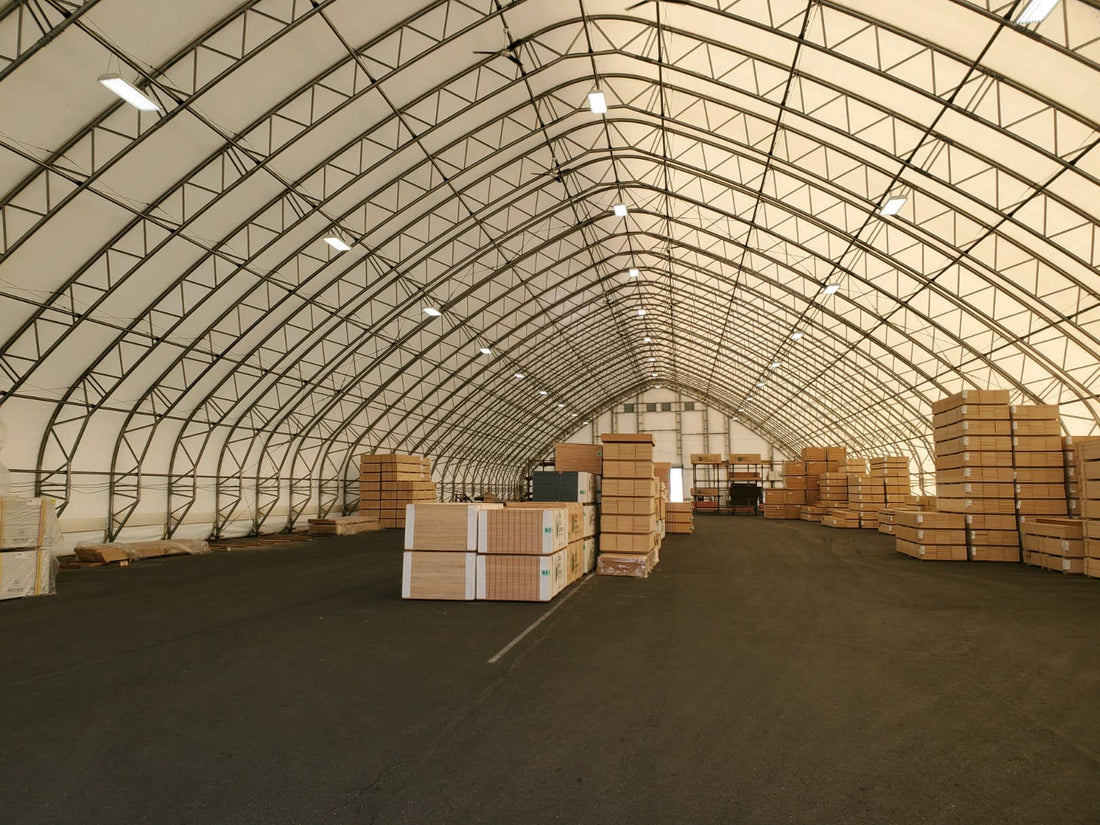
- Lumber
- Feed
- Tires
- Tools
- Spare parts
- Pallets
- Machinery
- Building supplies
- Outdoor stock
Better protection often means fewer replacements and less waste.
3. Helps Keep A Site Organized
Many yards become crowded over time. Items get stacked wherever space is open. Workers then waste time looking for tools or materials.
A storage container canopy creates a clear storage zone. That alone can improve how a site runs.
It may help with:
- Cleaner layout
- Better access paths
- Easier inventory checks
- Faster loading times
- Safer movement around the yard
- Less clutter near entrances
Even a simple covered area can make daily work feel more controlled.
4. Makes Good Use Of Existing Containers
Many businesses already own or rent shipping containers. They use them for lockable storage.
A container shelter adds more value to those containers by using the open space between them.
That creates two types of storage in one setup:
- Locked storage inside the containers
- Open covered space under the canopy
This works well for tools, stock, materials, and equipment that do not need to be locked but still need weather cover.
5. Useful In Many Industries
This type of shelter is not limited to one business type.
It is commonly used by:
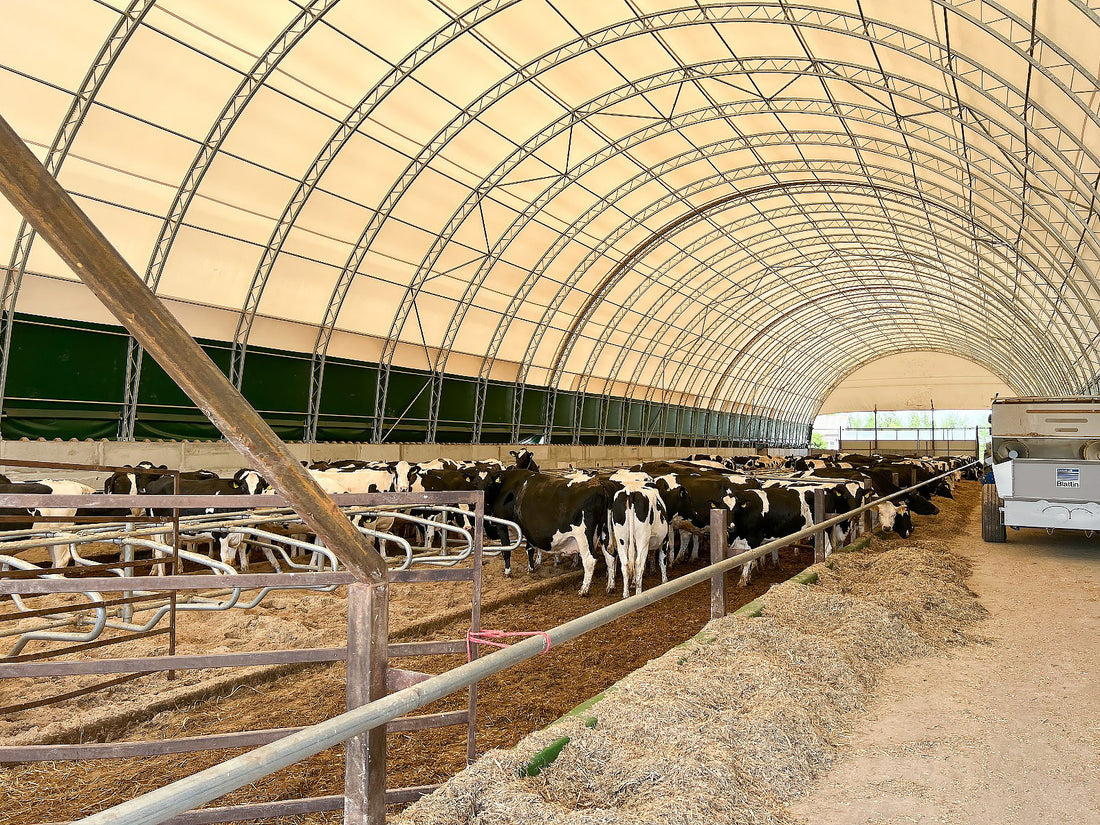
- Farmers
- Builders
- Landscapers
- Fleet companies
- Warehouses
- Manufacturers
- Ports
- Repair shops
- Recycling yards
- Event suppliers
A farmer may store feed and equipment. A contractor may store materials and tools. A transport yard may use it for tires, pallets, or loading work.
That flexibility is one reason demand continues to grow.
Sheltirx is mentioned here because many buyers look into shelter systems when they need practical space that adapts to changing business needs.
6. Supports Better Workflow In Bad Weather
Outdoor work often slows when the weather changes.
Rain can stop loading. The sun can make working conditions harder. Snow can cover stock and block access.
A container shelter gives workers a place to continue some tasks under cover.
Examples include:
- Sorting deliveries
- Wrapping pallets
- Light repairs
- Packing orders
- Checking equipment
- Preparing tools
- Loading vans or trucks
This can save time and reduce disruption during poor weather.
7. Can Be More Budget Friendly Than Full Buildings
Requirements always depend on size, materials, location, and local rules. Still, many people compare a container shelter to building a full warehouse, garage, or shed.
In many cases, the shelter route can be more affordable.
It may require:
- Less construction time
- Less site work
- Faster setup
- Uses fewer materials than some buildings
- For growing businesses, this can free up money for staff, stock, machinery, or expansion.
8. Flexible As Needs Change
Business needs rarely stay the same.
One year, a company may need overflow stock space. Later, it may need equipment cover or a packing zone.
A storage container canopy can support those changes better than a fixed layout in many cases.
That flexibility matters for seasonal industries and growing companies.
Common Places Where It Is Used
A container shelter works well where outdoor space is available and covered storage is needed.
Farms
Used for feed, tractors, fencing materials, tools, hay, and repair work.
Construction Yards
Used for lumber, tools, saw stations, pallets, and weather cover.
Fleet Yards
Used for vans, trailers, tires, oils, and service equipment.
Warehouses
Used for overflow stock, returns, pallets, and loading support.
Service Businesses
Used for landscaping tools, plumbing stock, electrical supplies, and vans.
How To Choose The Right Setup
Before buying, think about daily use first.
Ask yourself:
- What will be stored inside?
- How wide should the opening be?
- Do trucks need to enter?
- Will forklifts work inside?
- How tall should the shelter be?
- What weather conditions are common?
- Do I need side panels?
- Do I already have containers ready?
The strength of the frame matters. The quality of the container shelter cover matters too. A weak cover may wear faster in harsh weather.
Choosing the right size at the start often saves money later.
Maintenance And Care Tips
Like any outdoor structure, shelters need regular checks.
Monthly Checks
Look for:
- Loose bolts
- Torn cover sections
- Rust spots
- Bent frame parts
- Loose straps
- Water pooling
- After Storms
Inspect:
- Anchors
- Cover tension
- Frame alignment
- Container contact points
Cleaning
Use mild soap and water when needed. Remove leaves, standing debris, and dirt buildup.
A well-maintained storage container canopy usually lasts longer and performs better.
FAQs
1. What Is A Container Shelter?
A container shelter is a roofed structure installed between or beside shipping containers to create covered space for storage or work.
2. What Can Be Stored Under A Storage Container Canopy?
A storage container canopy can hold tools, pallets, stock, feed, vehicles, equipment, and many weather-sensitive materials.
3. How Does A Container Shelter Cover Help?
A container shelter cover helps reduce direct exposure to rain, sun, wind, and light snow.
4. Is A Container Shelter Good For Farms?
Yes. Many farms use shelters for feed, tractors, fencing supplies, tools, and repair space.
5. Is It Cheaper Than A Full Warehouse?
In many cases, yes. A container shelter may require fewer materials than building a full warehouse, depending on size and site needs.
6. Can It Be Used Year-Round?
Many shelters are used year-round, but weather ratings, maintenance, and local climate should always be considered.
7. Does A Storage Container Canopy Need Maintenance?
Yes. Regular checks for bolts, rust, fabric wear, and anchor points help keep it in good shape.
8. Who Uses Container Shelters Most Often?
Contractors, farmers, yards, warehouses, transport companies, and service businesses often use them.
Final Thoughts
A container shelter is a practical way to add covered space without taking on a full building project. It can protect stock, improve workflow, reduce clutter, and help businesses use outdoor space more effectively.
For many sites, the value is not only storage. It is time saved, better organization, and fewer weather-related problems.
Sheltirx is included here as requested, but the key point is simple. If your site needs useful covered space, the right shelter can solve many everyday storage problems.
“Good storage space does more than hold items. It helps the whole operation run better.”