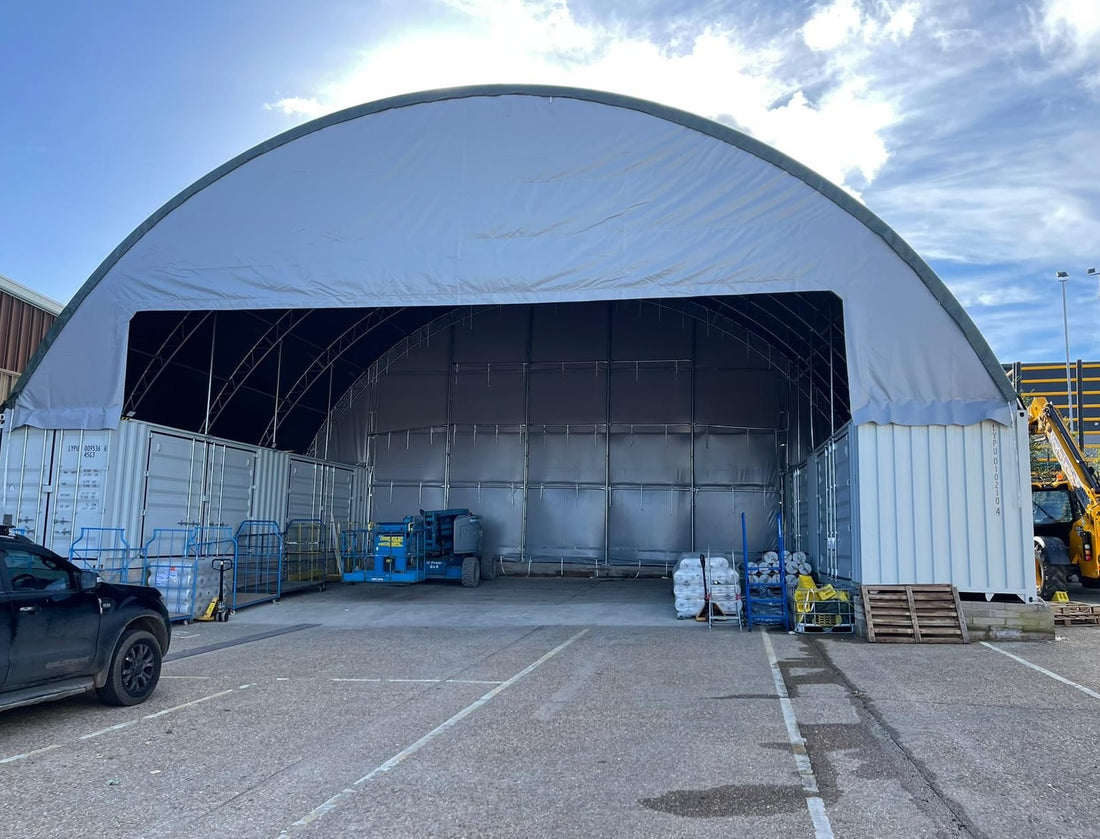
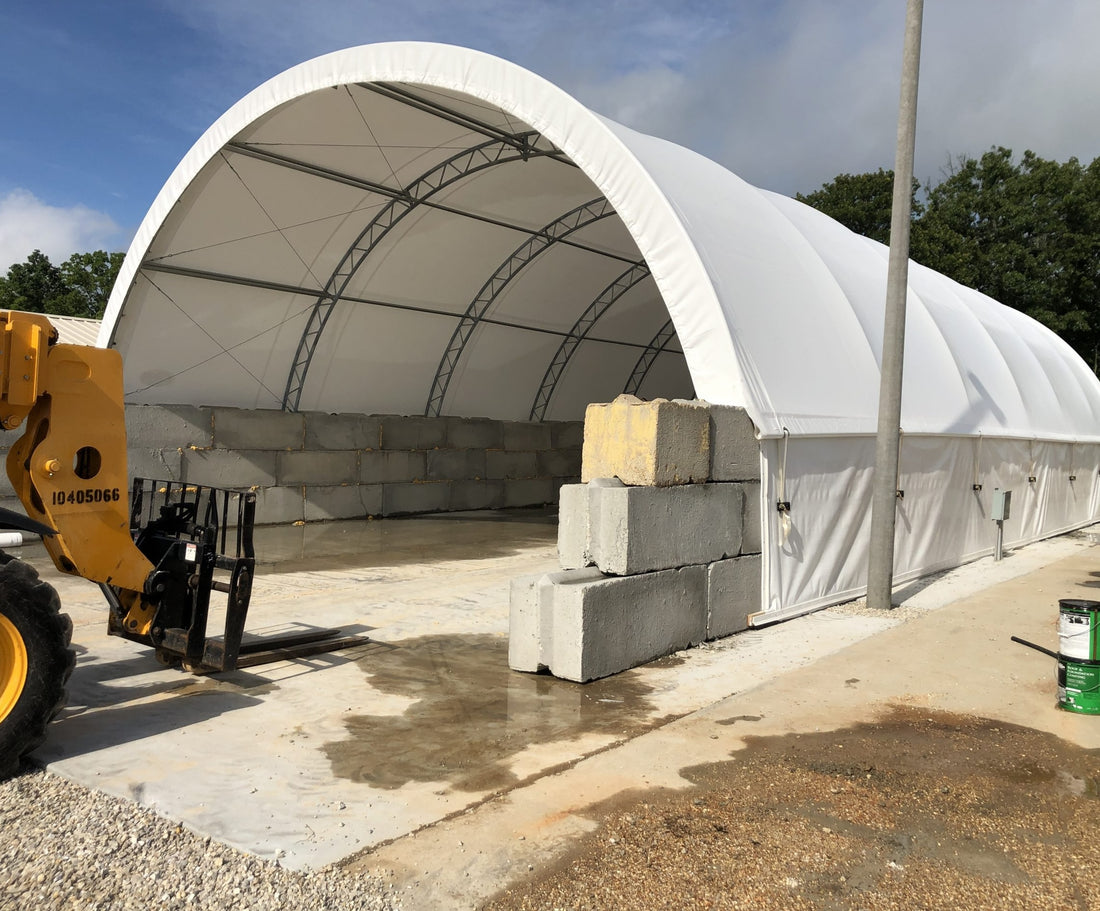
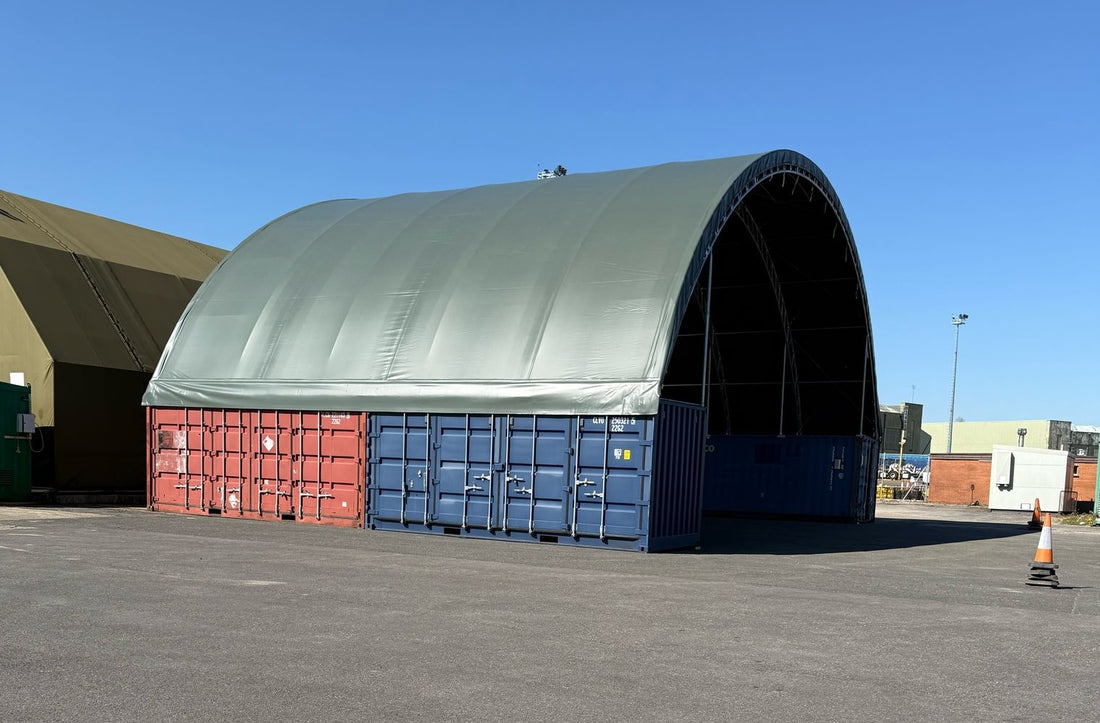

Whether you want to protect goods stored inside a shipping container, create a covered work area, or make better use of the space around the container, installing a container canopy can be an ideal option. Not only does it provide extra protection from rain, sunlight, wind, and debris, but it can also help keep the container and its contents better protected.
Unlike a tarp or simple sheet cover, a container canopy can provide a larger sheltered area while still allowing easy access to the container. This makes it useful for different storage and outdoor needs.
However, while you can find a plethora of companies offering container canopies, you would still need to inspect a few important things before installation. A shipping container canopy may not perform as expected if the container or installation area is not suitable.
Nonetheless, by carrying out a few simple checks before installation, you can identify possible issues early and prepare the site for a suitable canopy setup.
Here are five things to inspect before installing a container canopy.
Inspect the Container Structure
Before installing a container canopy, inspect the shipping container to make sure it is in good condition. Since the container is part of the canopy setup, any damage or weak areas may affect the installation.
Look for signs of rust, dents, cracks, holes, or other damage. Pay close attention to the roof, walls, corners, doors, and areas where the canopy may connect to the container. Heavy rust or damage in these areas can make installation more difficult.
Also check whether the container is sitting in a stable position. A container that has shifted or settled unevenly may need attention before a canopy is installed.
Taking time to inspect the container can help identify issues early. If repairs are needed, they can be handled before the canopy is put in place. This can help avoid problems during installation and use.
Check the Available Space
In addition to inspecting the container structure, make sure you also check the space around the container before installing a canopy. The area should have enough room for the canopy, its supports, and easy movement around the setup.
Start by checking the length, width, and height of the container. Then look at the open space around it. Make sure there is enough room for the canopy structure and any parts that extend beyond the container.
Think about how the area will be used as well. If people need to walk around the container, load goods, open container doors, or move equipment nearby, there should be enough clear space for these tasks.
Nearby buildings, fences, trees, vehicles, and other objects should also be considered. They may limit the available space or make installation harder.
Taking accurate measurements and checking the surrounding area can help you choose a canopy that fits the setup without creating access problems.
Examine the Ground Surface
Since the condition of the ground can affect the stability of the canopy, it’s essential that you properly check the surface before installation. A firm and stable surface can make the installation process easier and help support the canopy.
Look for soft soil, deep cracks, uneven ground, loose material, and areas where water collects after rain. Standing water can also point to poor drainage, which may cause problems around the container over time.
If the ground is uneven, consider how it may affect the canopy and its supports. A large change in ground level can make it harder to set up the structure as planned.
Drainage is also worth checking. Rainwater should have a clear path away from the container and the covered area. This can help reduce water buildup around the setup.
A simple ground check can help you make sure the site is firm, clear, and suitable for the planned canopy.
Inspect the Attachment Areas
The attachment areas play an important role in how securely a container canopy can be installed. Before installation, make sure these points are clear, accessible, and suitable for the canopy system being used.
Look for rust, damage, bent sections, or other issues near the planned attachment points. Make sure there are no objects blocking access to these areas.
It is also important to review the canopy's installation requirements before work starts. Different canopy systems may use different connection methods, so the attachment points should match the design and instructions for the product.
Do not assume that every part of a shipping container can be used in the same way for installation. The condition and design of the container can affect how the canopy is fitted.
Checking these areas in advance can help prevent delays and reduce the need for changes during installation.
Review Local Weather Conditions
One of the major factors that you need to take into account when installing a container canopy is the weather around the installation site. Rain, strong winds, snow, and sunlight can all affect how the canopy performs over time.
Think about the conditions that are common in the area. A site that often receives strong winds may need a setup that can handle those conditions. Areas with heavy rain may need good drainage around the container. If snow is common, the canopy should be suitable for the expected snow conditions.
Sun exposure also matters. A canopy may help reduce direct sunlight around the container and provide shade for stored items or work areas.
Weather conditions can change how a canopy is used and maintained. Checking them before installation helps you choose a setup that matches the site and its conditions.
Conclusion
Inspecting the container and the installation area before installing a container canopy can help prevent common problems. Checking the container structure, available space, ground surface, attachment areas, and local weather conditions gives you a clearer idea of what the installation requires.
These checks can also help you spot issues before they affect the setup. A suitable site, proper measurements, and a container in good condition can make the installation process easier and help the canopy provide the coverage it is meant to offer.
Are you looking for a durable container canopy for your storage or outdoor needs? Sheltirx offers a wide range of container canopies designed to provide reliable coverage for different storage and outdoor needs.
Frequently Asked Questions
Q.How much space is needed around a container canopy?
The space needed depends on the canopy design, container size, and how the area will be used. Extra room may be needed for access, loading, unloading, doors, and movement around the container.
Q.Can a canopy be installed on a damaged shipping container?
Minor damage may not prevent installation, but serious rust, cracks, or weak sections should be checked before work begins. Repairs may be needed if the damage affects the planned attachment areas or the stability of the container.
Q.What type of ground is suitable for a container canopy?
A firm, stable surface with good drainage is generally suitable. Soft, uneven, or waterlogged ground may create problems during installation and use, so these conditions should be addressed before the canopy is installed.
Q.Can a container canopy be moved to another location?
Some canopy systems can be removed and installed at another site. Whether this is possible depends on the canopy design, installation method, and condition of the parts after removal.