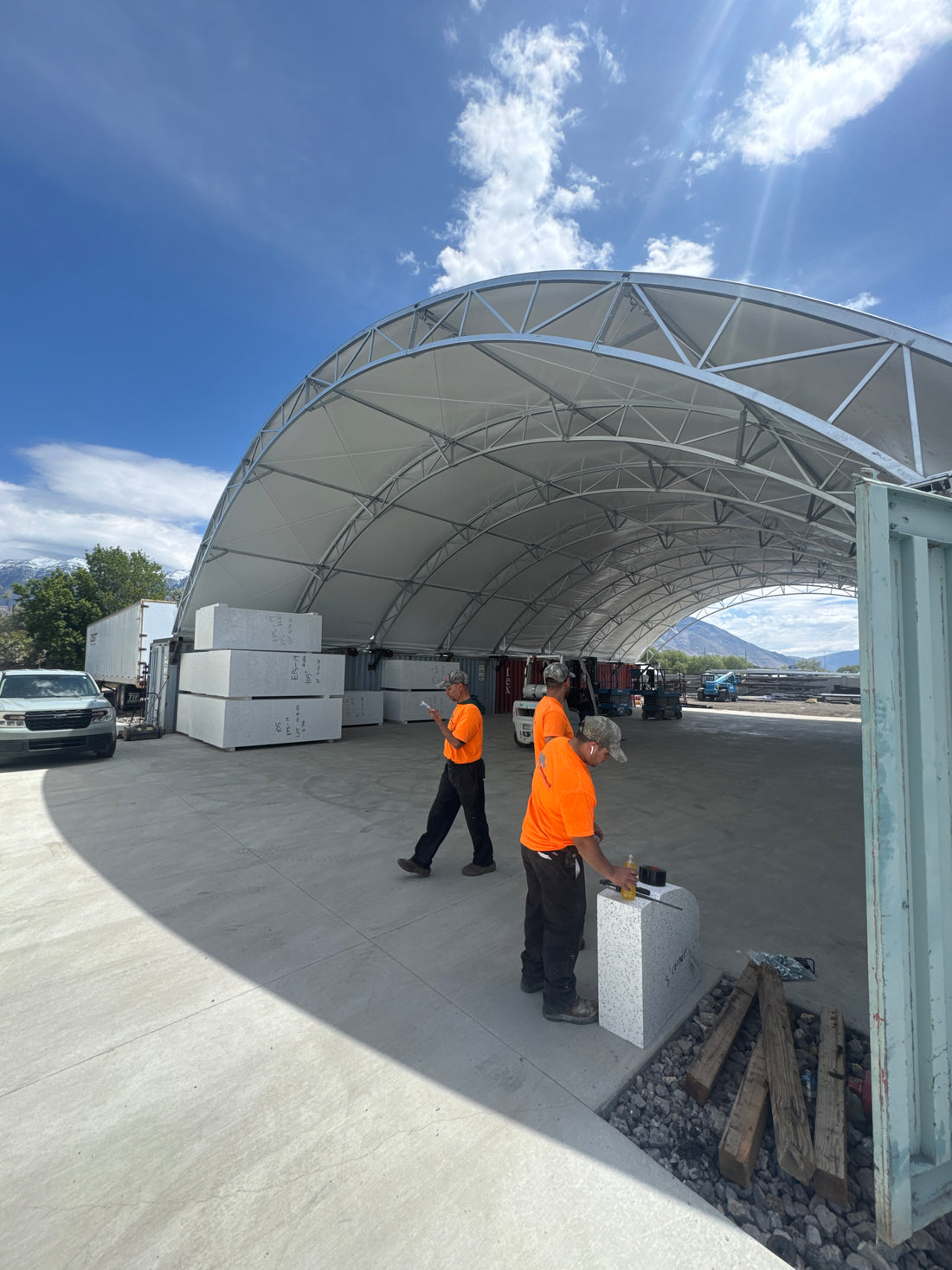
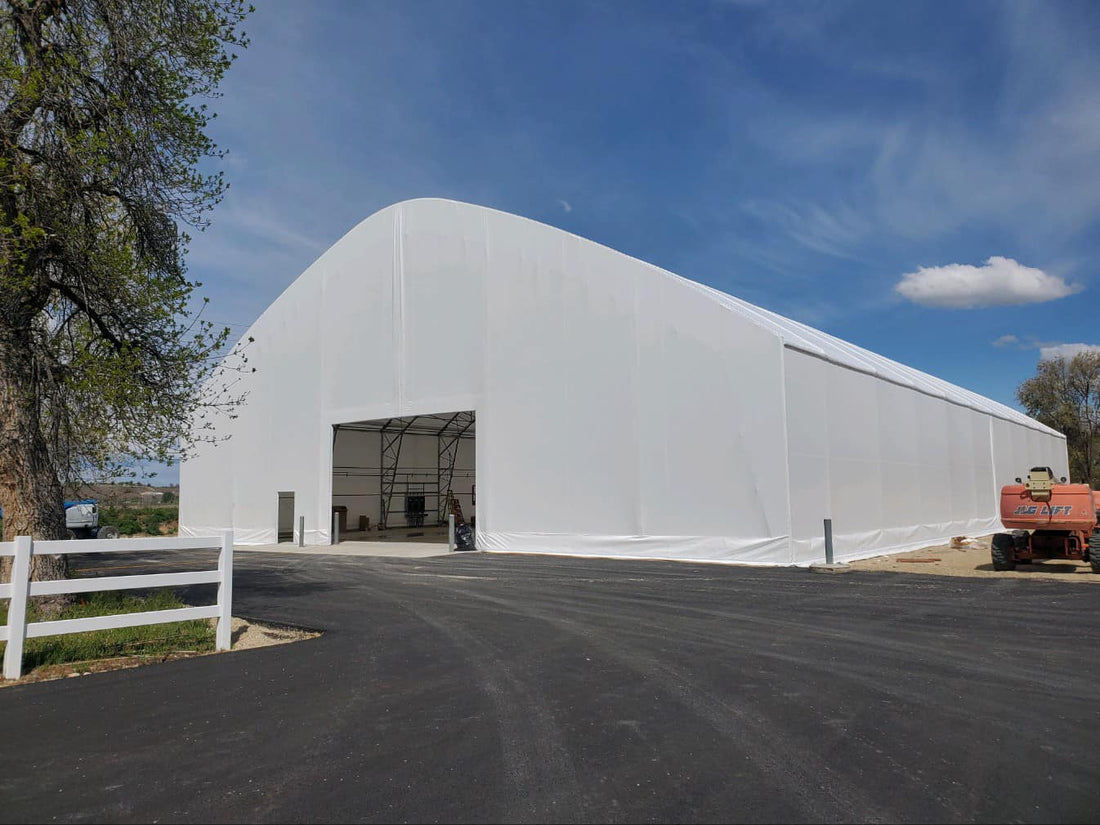
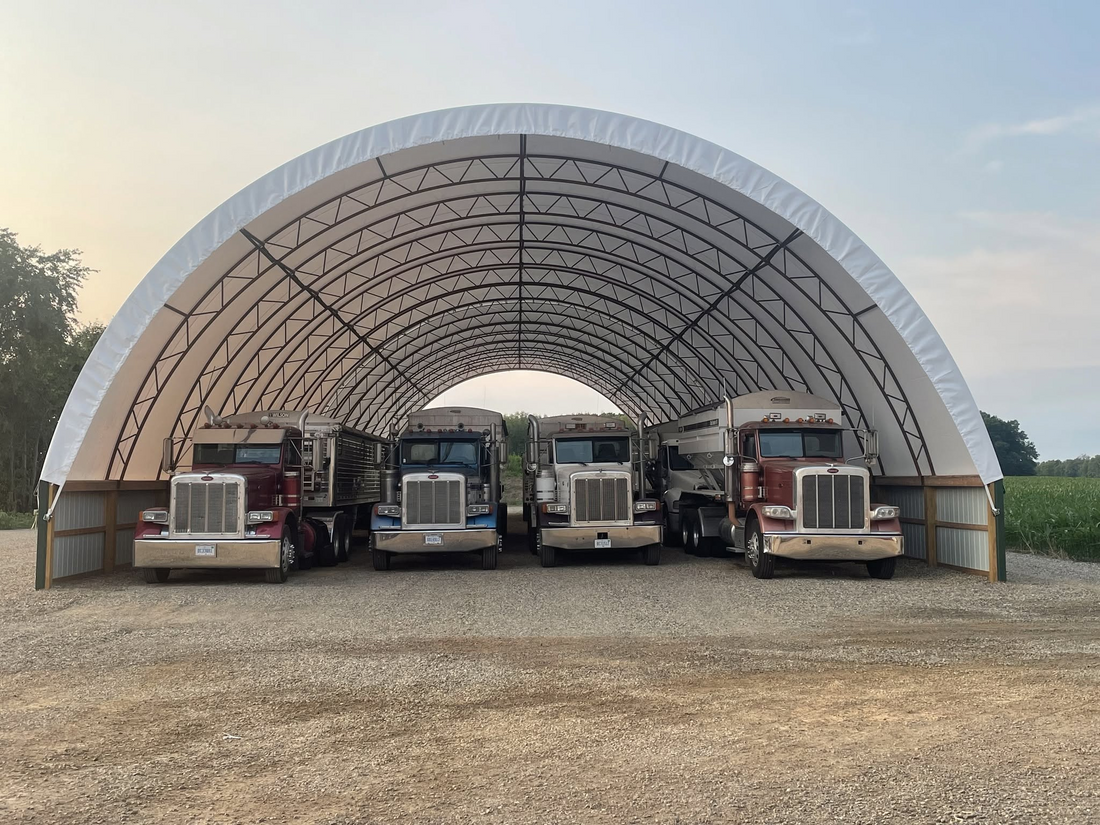
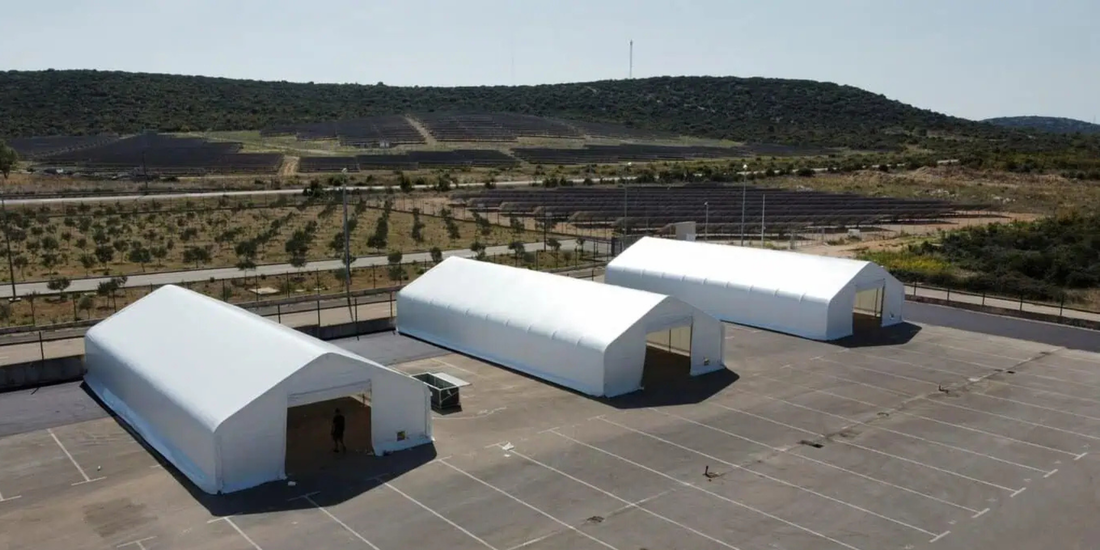
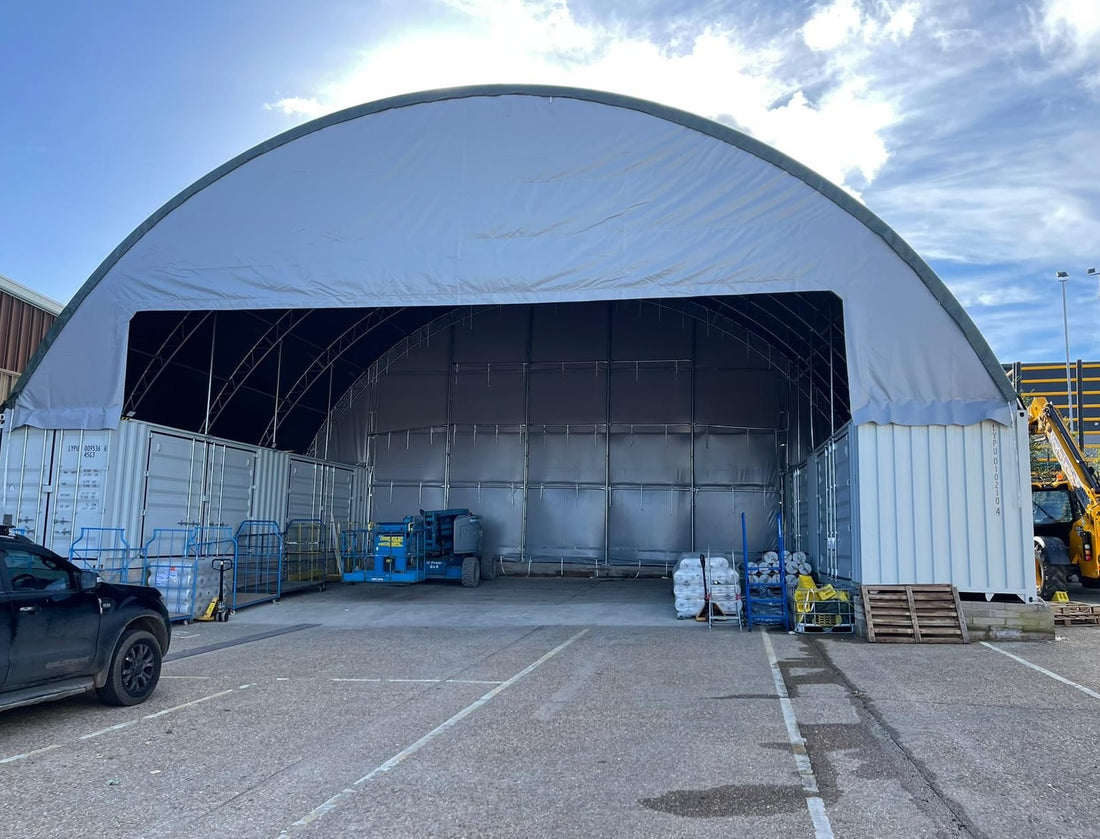
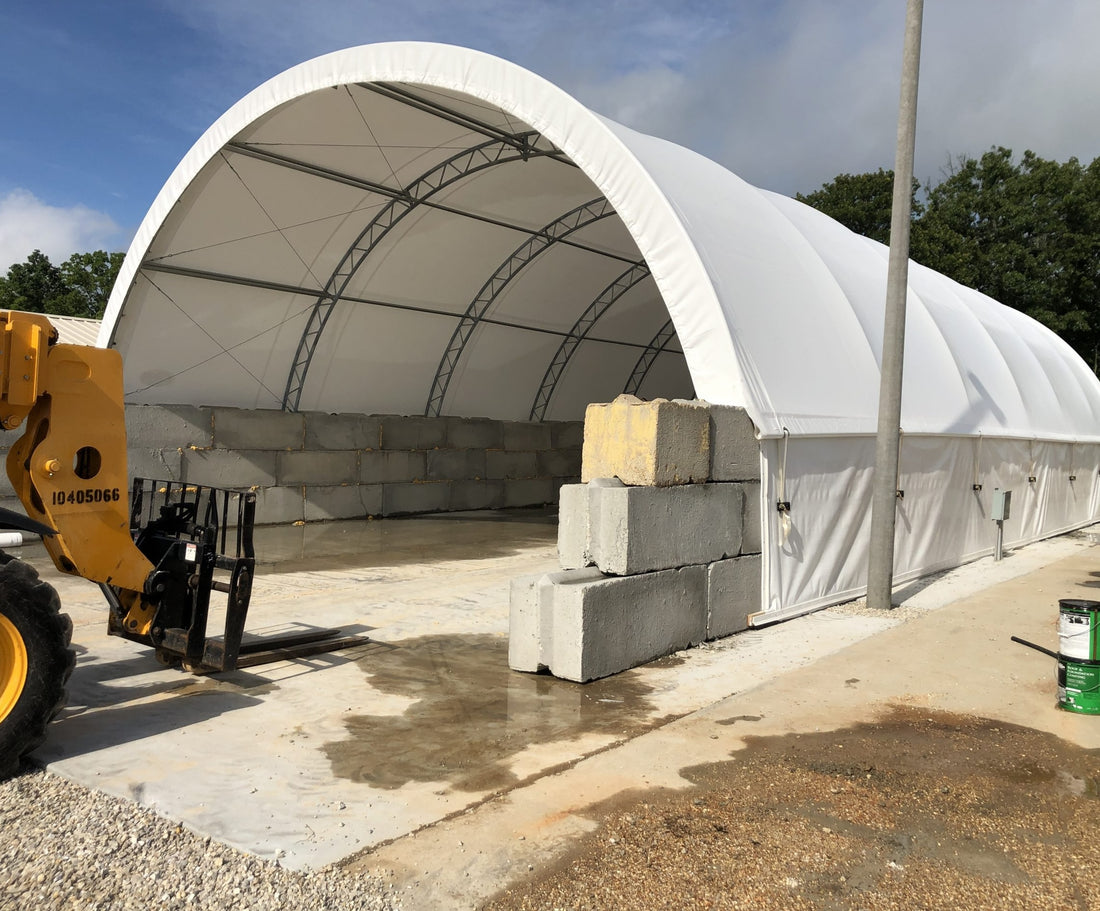
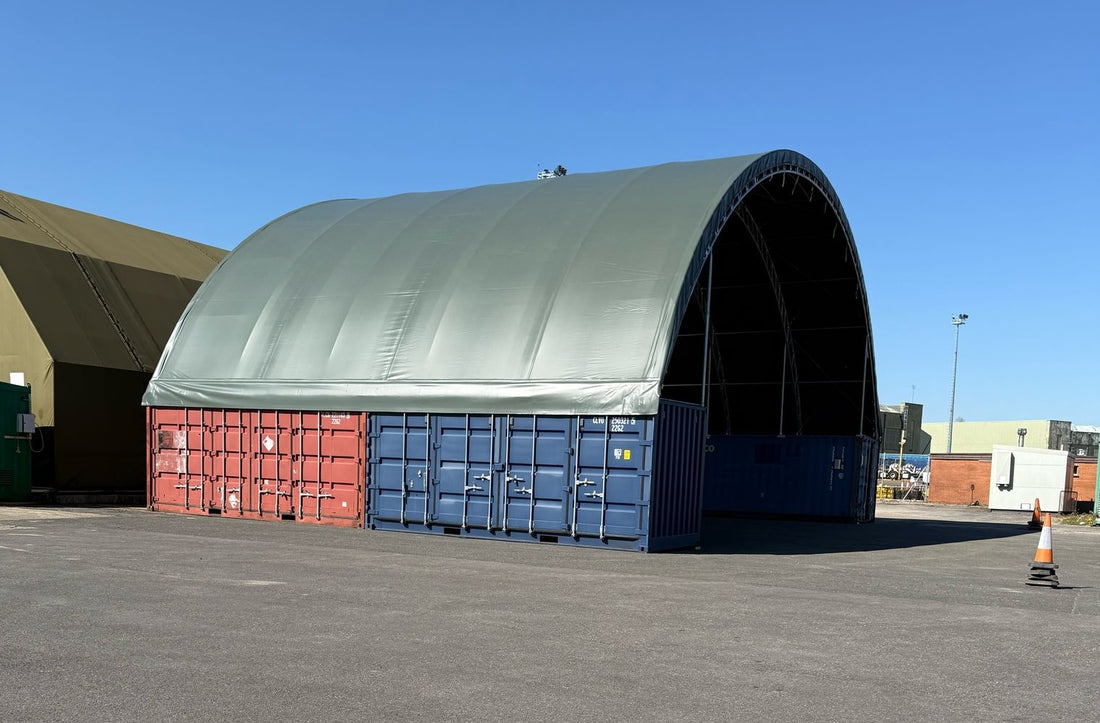

A container canopy can add covered space around a shipping container for storage, work, equipment, or vehicles. But storage and work needs can change over time. You may need to move the container, change your site layout, or use the covered area for a new purpose. This can raise a common question: Can a container canopy be moved?
In many cases, yes. Some container canopies are made so they can be taken down and set up again in another location. However, moving a shipping container canopy is not as simple as lifting the full structure and placing it somewhere else. The way it was installed, its size and design, its condition, and the new site can all affect the process.
Before moving a canopy, it is important to understand how it is secured and what will be needed to take it down and install it again. This can help prevent damage to the frame and cover while making sure the canopy is set up safely at its new location.
Can You Move a Container Canopy After Installation?
Yes, a container canopy can often be moved after installation if its design and installation method allow for removal and reinstallation.
A shipping container canopy is made up of parts such as the frame, roof cover, and connection points. Depending on the setup, these parts may be removed, moved to another area, and put back together. This can be useful when the location of a shipping container changes or when a site needs a different layout.
The ease of moving a canopy depends on how it is attached. A canopy with removable connections may be easier to take down than one with more fixed parts. The size of the structure also matters. A small canopy may need less work to move, while a larger structure can require more time, people, and equipment.
The new site also needs to be checked before the move. There should be enough room for the containers and canopy, along with enough clearance for people, vehicles, and equipment.
A canopy should not simply be lifted or moved while fully assembled unless it was made and installed for that type of handling. Taking the structure apart in the right way can make the move easier and help protect its parts.
What Determines Whether a Container Canopy Can Be Moved?
When it comes to moving a container canopy, several factors can affect how easy the process will be. The setup, structure, and location all need to be considered before moving it.
Here are five factors that determine whether a container canopy can be moved.
How the Canopy Is Installed
The way a canopy is secured has a major effect on how it can be moved. Some canopies use connection points that allow the frame to be removed when needed. Other setups may have more fixed connections that require more work to take apart.
Before starting a move, the connection points should be checked. This helps show which parts need to be removed and in what order. It can also help prevent damage to the frame or other parts during removal.
A canopy that was installed with removal and reuse in mind may be easier to move than one that was set up as a long-term fixed structure. The original installation method should be reviewed before any work begins.
Canopy Size and Design
The size and design of a canopy also affect how easy it is to move. A larger container canopy shelter has more frame sections and a larger roof cover. This can mean more parts need to be removed, moved, and put back together.
The frame, roof, supports, and connection points all play a role. A simple design with fewer parts may take less work to remove than a larger structure with more sections.
The height and width of the canopy should also be considered. Large parts may need more space during removal and transport. There should be enough room to work around the structure without hitting nearby containers, vehicles, buildings, or other items.
Knowing the canopy's size and design before starting can help with planning the move.
Ground and Site Conditions
The ground around the canopy can affect how easily it can be removed. Uneven ground, limited access, or nearby obstacles can make it harder to take apart and move.
The space around the canopy also matters. Workers need enough room to reach the frame, remove its parts, and handle them safely. Nearby buildings, equipment, or other structures may make the removal process more difficult.
If the canopy is installed in a tight or hard-to-reach area, more planning may be needed before moving it. Checking the area around the canopy can help determine how practical the move will be.
Condition of the Canopy
The condition of the canopy should be checked before it is moved. A structure that has been in use for some time may have signs of wear on the frame, roof cover, fasteners, or connection points.
Look for damaged or bent frame parts, worn connections, tears in the cover, or other issues that could affect removal and reinstallation. Moving a damaged part without checking it first may make the problem worse.
If the canopy is in good condition, it may be suitable for removal and reuse. If parts are damaged, they may need to be repaired or replaced before the canopy is installed again.
This check also gives you a chance to identify parts that may need extra care during the move.
Roof Cover Type
The type of roof cover can affect whether a container canopy can be moved. Some covers are flexible and can be removed before the frame, while others may have a more fixed setup.
A cover that can be taken off separately may make it easier to handle the frame during removal. The cover can then be stored safely while the frame is moved.
The way the roof cover is attached should be checked before taking down the canopy. This can help determine whether the cover can be removed without affecting the rest of the structure.
Conclusion
While moving a container canopy is possible in many cases, the process needs to be planned properly. Since the way a canopy is installed, its design, condition, and other factors can affect whether it can be moved, these should be checked before taking it down.
Are you looking for a container canopy that can provide covered space for your storage or work needs? Sheltirx offers container canopies designed to make better use of the space around shipping containers.
Frequently Asked Questions
Q.How Long Does It Take to Move a Container Canopy?
The time needed depends on the canopy's size, design, installation method, and site conditions. A smaller canopy with easy-to-remove connections may take less time than a larger structure with more frame sections. The distance to the new location and access to the site can also affect the time needed.
Q.Can a Container Canopy Be Moved During Bad Weather?
Moving a container canopy during strong wind, heavy rain, or other poor weather can make the process harder and less safe. Weather conditions should be suitable before taking down or handling the canopy.
Q.What Parts of a Container Canopy Need to Be Removed Before Moving?
The parts that need to be removed depend on the canopy design. In many cases, the roof cover and frame sections are taken apart so they can be moved separately.
Q.Can a Container Canopy Be Moved After Several Years?
Yes, a container canopy may be moved after several years if it is still in suitable condition. The frame, roof cover, and connection points should be checked before removal to make sure they can handle the move.