
Objective
This guide explains how to expand a container canopy by adding more bays, what site and structure checks matter, and when a modular expansion makes more sense than buying a separate shelter.
Key Takeaways
- Container canopies can often be extended when the structure is designed as a modular system.
- Expansion planning starts with container placement, anchoring, drainage, wind load, snow load, and access.
- Adding bays can create more covered space without starting a full building project.
- Sheltirx SkyShield container shelters are built with modular and extendable layouts.
A yard rarely stays the same size for long. A contractor adds more equipment. A logistics team needs extra pallet space. A farm buys another machine and suddenly the covered area is full.
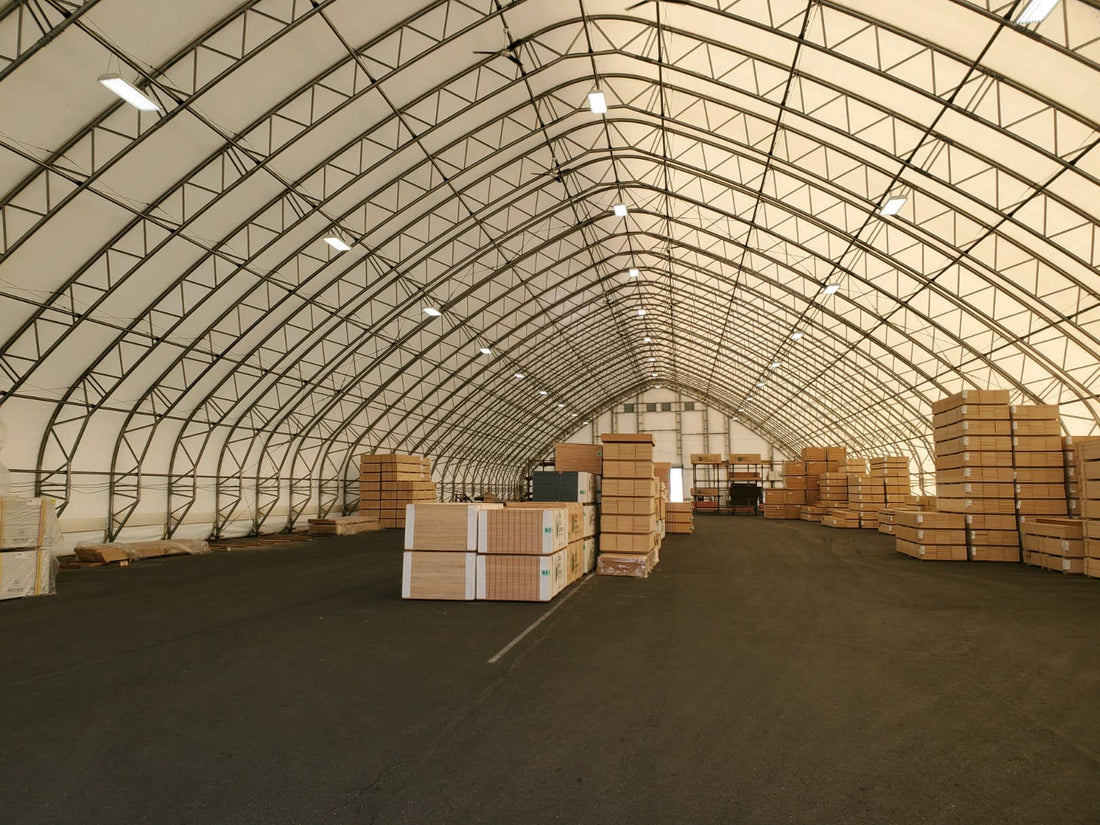
That is where expandable container canopies make sense. Instead of replacing the whole structure, the right modular design can add more covered length and keep the same basic layout.
Sheltirx builds SkyShield container shelter systems for industrial, agricultural, logistics, construction, and storage sites across the USA. If your current covered space is too tight, adding bays may be the cleanest way to extend it.
What Does Adding More Bays Mean?
Adding bays means extending the shelter by repeating structural sections along the length of the canopy.
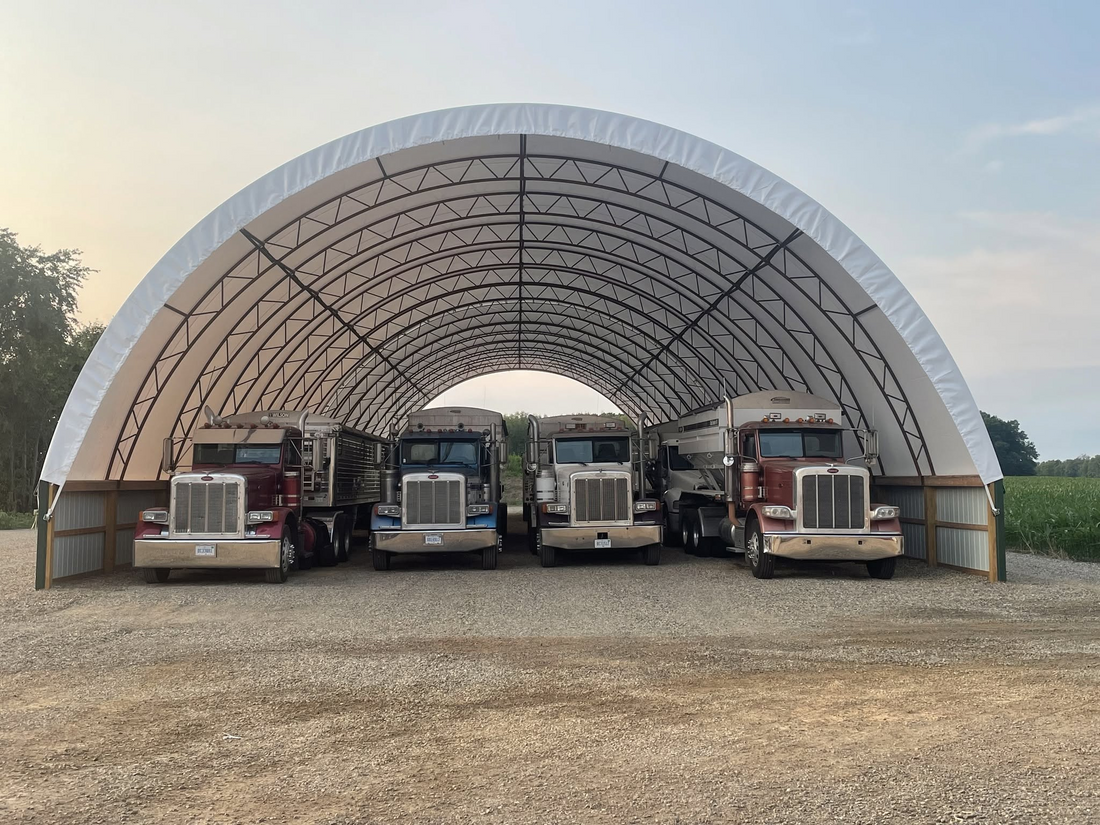
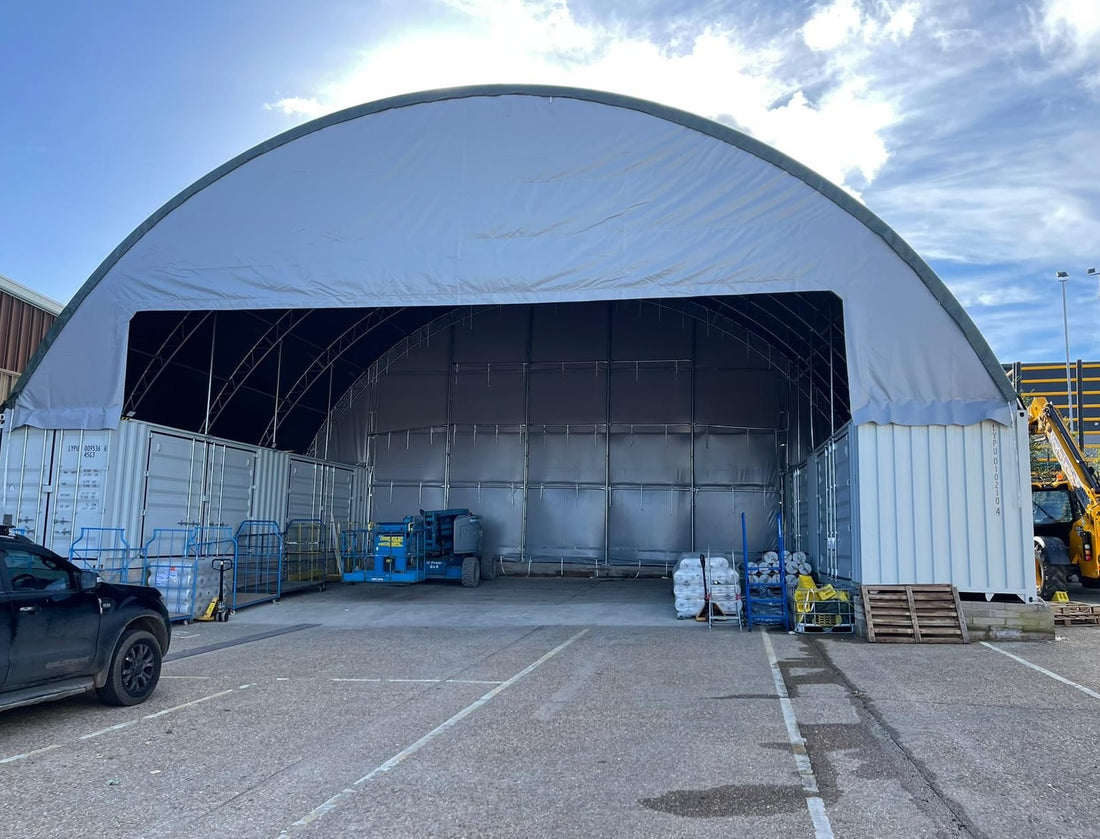
A bay is one section of the frame and cover system. On a modular container canopy, the frame layout is designed so more sections can be added when the site needs more covered space.
This is different from widening the shelter. Width is usually controlled by the span of the frame. Bay expansion usually increases length.
For example, a site may start with a covered bay for machinery storage. Later, the same shelter line can be extended to cover pallet staging, a repair zone, or overflow materials.
How Container Canopies Are Expanded
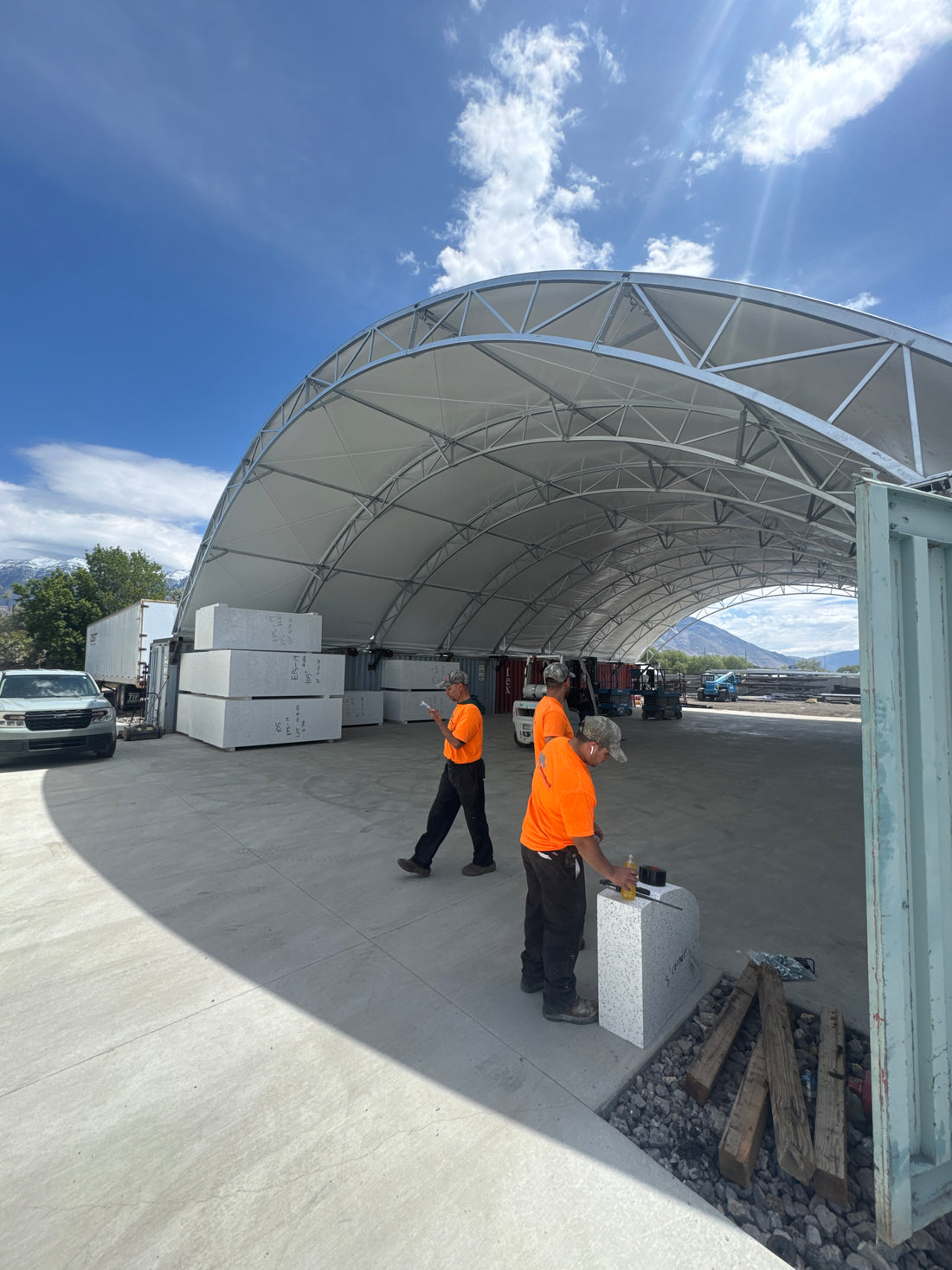
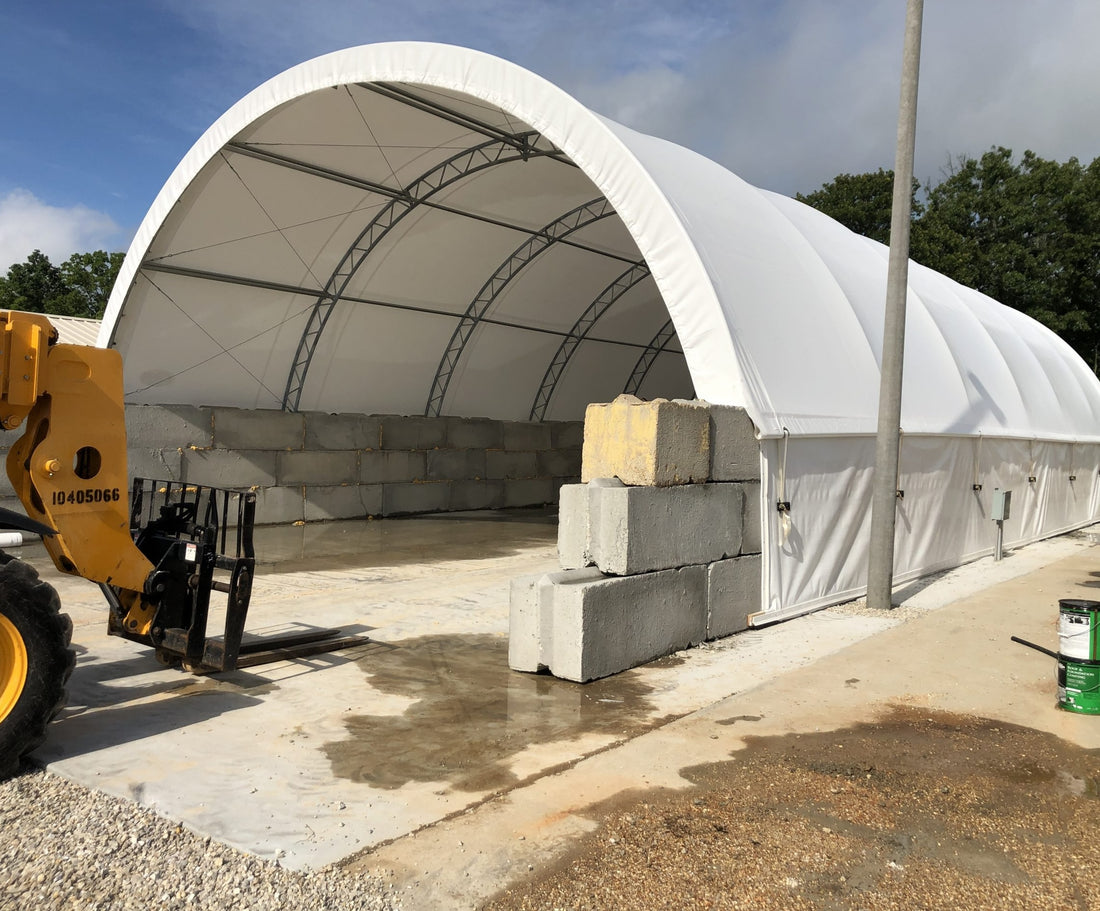
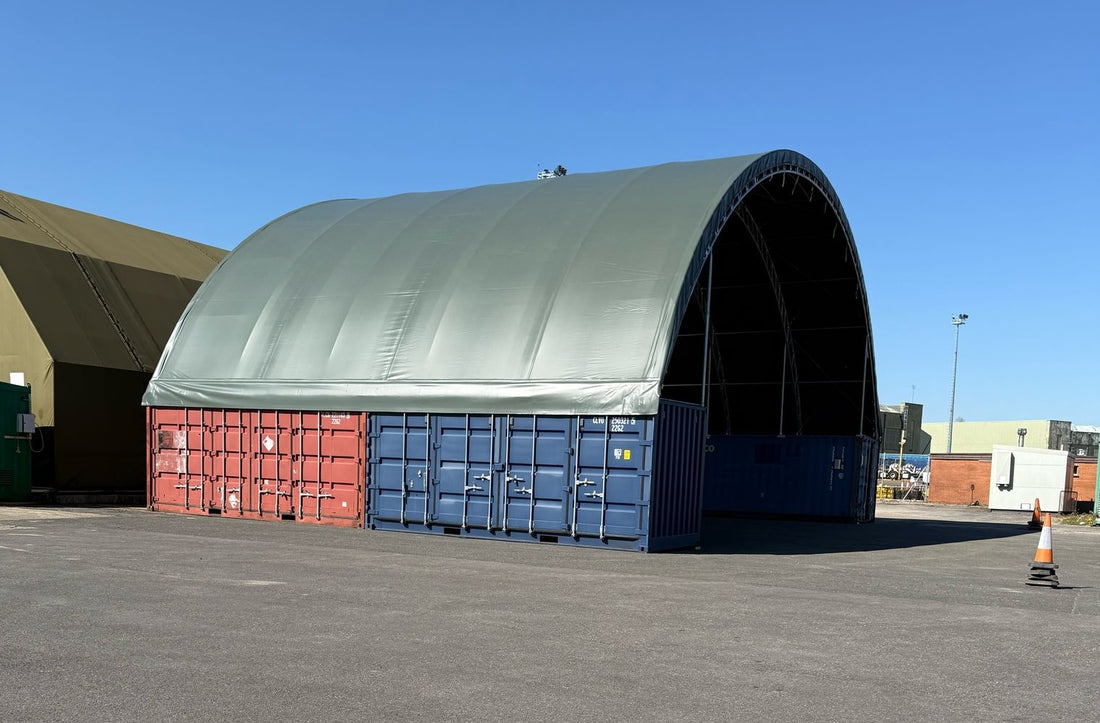
A shipping container canopy normally uses containers, concrete blocks, steel posts, or another mounting system as support. The canopy frame spans across the open area and creates a clear covered workspace.
To expand it, the team reviews the current structure and adds compatible frame sections, fabric coverage, bracing, and anchoring.
The process usually includes:
- Checking the existing canopy model and dimensions
- Confirming the support layout can continue
- Reviewing site access and drainage
- Matching new frame sections to the existing system
- Extending the fabric cover or fitting a new longer cover
- Rechecking anchors, connections, and load requirements
Sheltirx SkyShield systems are designed with modular and extendable layouts, which makes expansion planning easier when the site has room to grow.
When Expanding A Container Shelter Makes Sense
Expanding a container shelter makes sense when the current structure still works, but the operation has outgrown the covered footprint.
This is common on active sites. The first shelter solves the immediate problem. Six months later, the team needs space for another truck lane, tool zone, or bulk material bay.
Expansion may be useful when you need:
- More covered storage
- A longer loading area
- Extra equipment parking
- A dry maintenance bay
- Better separation between materials
- Weather cover for a growing yard
- More space without permanent construction
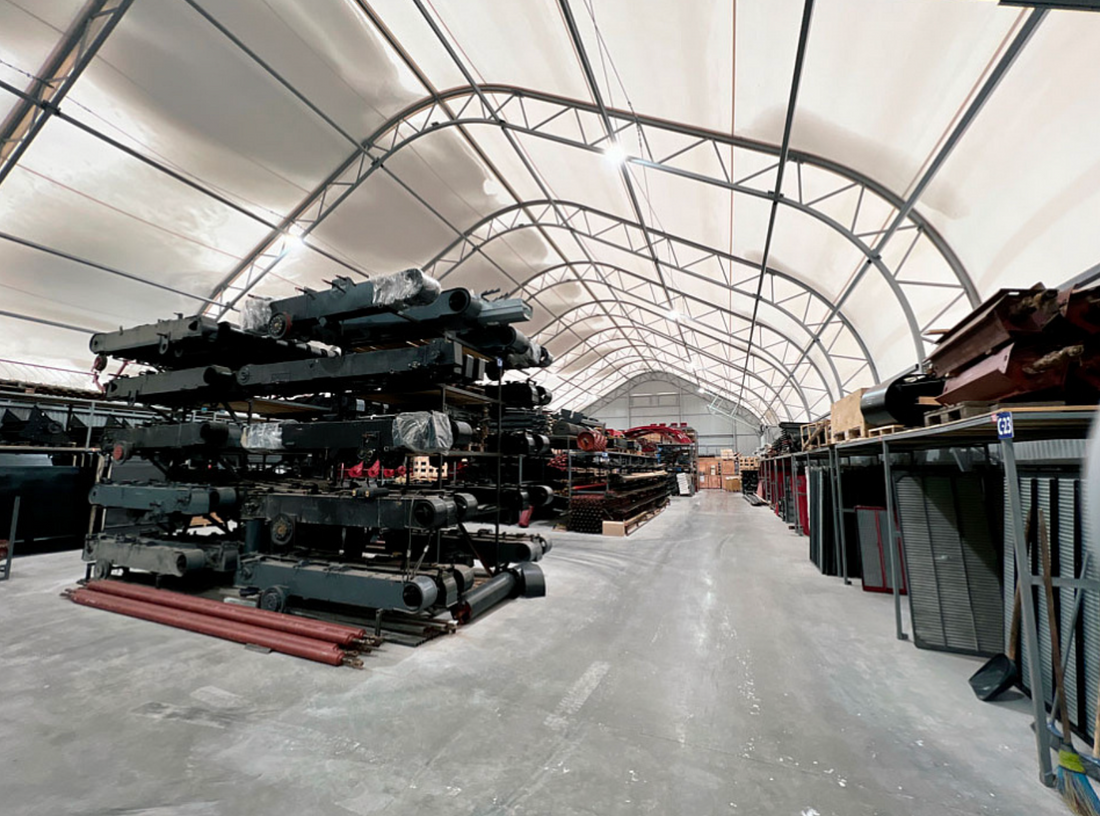
A modular container canopy can also help when the site is temporary but long-running. Civil works, utilities, rail projects, farms, depots, and distribution yards often need coverage that can change as the job changes.
What To Check Before Adding Container Canopy Bays
Do not start with the frame. Start with the site.
A bay extension only works if the containers or supports can be placed correctly and the ground can handle the layout.
|
Checkpoint |
Why It Matters |
|
Available length |
Confirms there is enough room to extend the shelter |
|
Container condition |
Weak or damaged containers can affect the connection points |
|
Ground level |
Uneven supports can twist the frame or affect fabric tension |
|
Drainage |
Water should move away from the shelter, not under it |
|
Access routes |
Trucks, forklifts, and loaders still need clear movement |
|
Wind and snow requirements |
Engineering must match the project location |
|
Permits |
Some jurisdictions may require drawings or approval |
|
Existing canopy model |
New bays must match the current structure |
Sheltirx supports projects with drawings, load data, and documentation where required. Your local authority, general contractor, or AHJ still confirms permit requirements.
Expansion Vs Buying A Larger Shelter
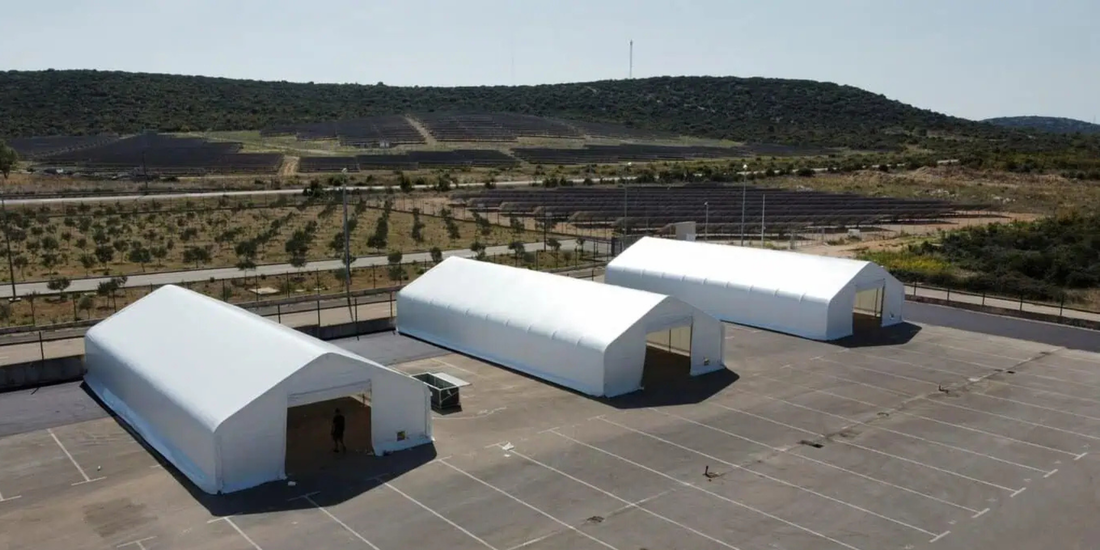
Expansion is not always the right answer. Sometimes a larger shelter or second structure is cleaner.
The best choice depends on workflow.
|
Option |
Best For |
Main Consideration |
|
Add more bays |
Same work area needs more covered length |
Requires compatible structure and available site length |
|
Buy a larger shelter |
Current shelter is too narrow or too short |
Higher upfront investment, but cleaner if needs have changed. |
|
Add a second shelter |
Separate work zones or different departments |
Takes more yard space and may need separate access planning |
If you are still choosing your first size, read Sheltirx’s guide on 20ft vs 40ft container shelter before ordering.
A little planning now can prevent a tight layout later.
Common Use Cases For Expanded Shelter Bays
Expanded shipping container shelters are useful when the covered area supports daily work, not just static storage.
Typical use cases include:
- Construction material laydown
- Pallet staging
- Equipment maintenance
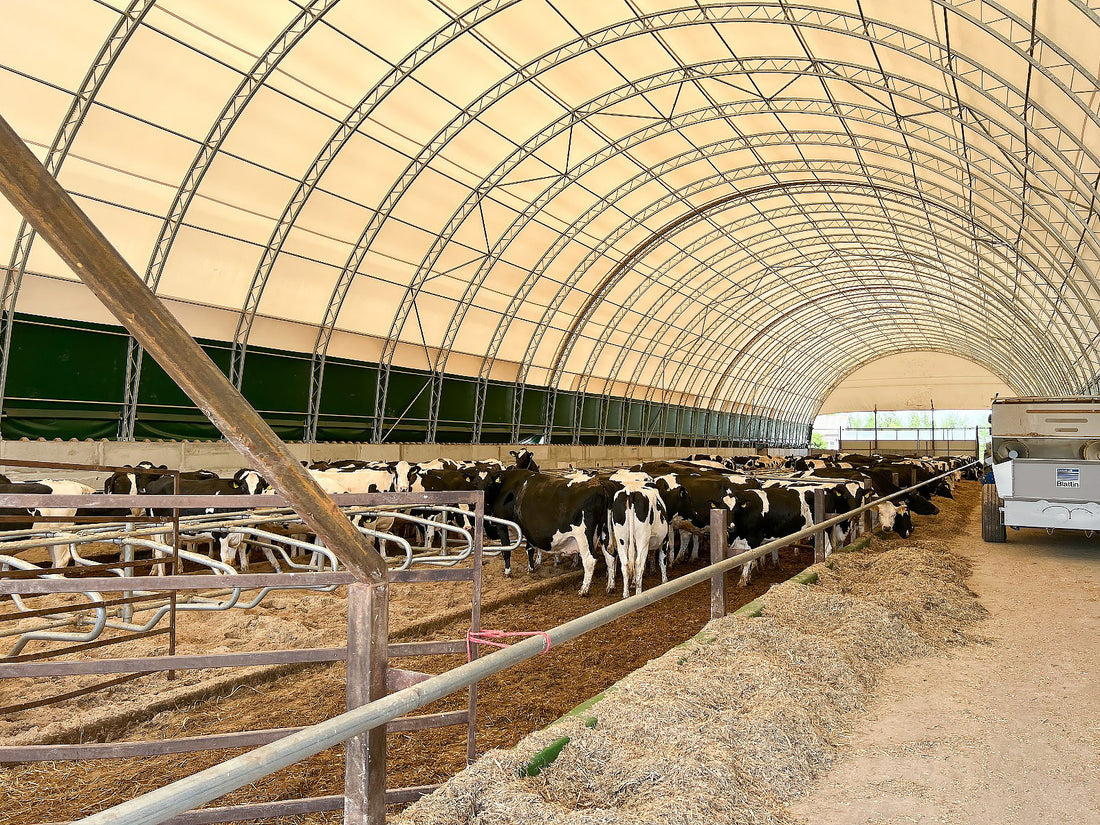
- Farm machinery protection
- Feed and hay storage
- Aggregate handling
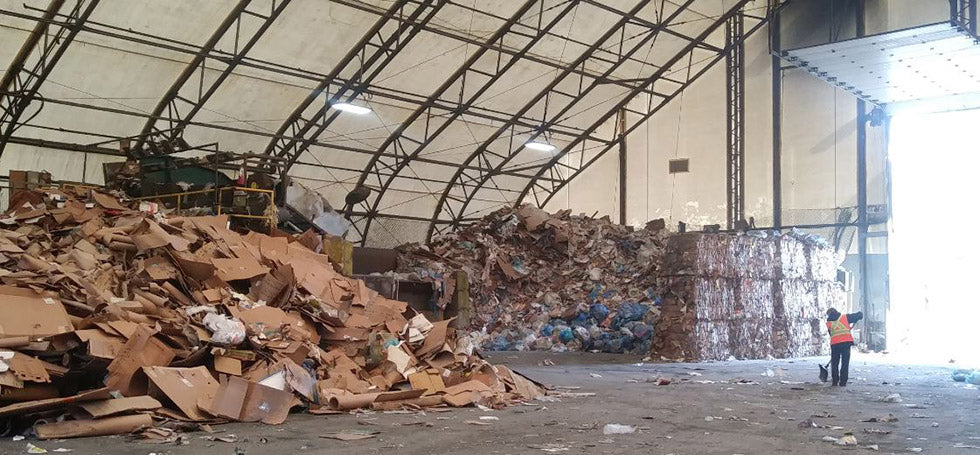
- Recycling bays
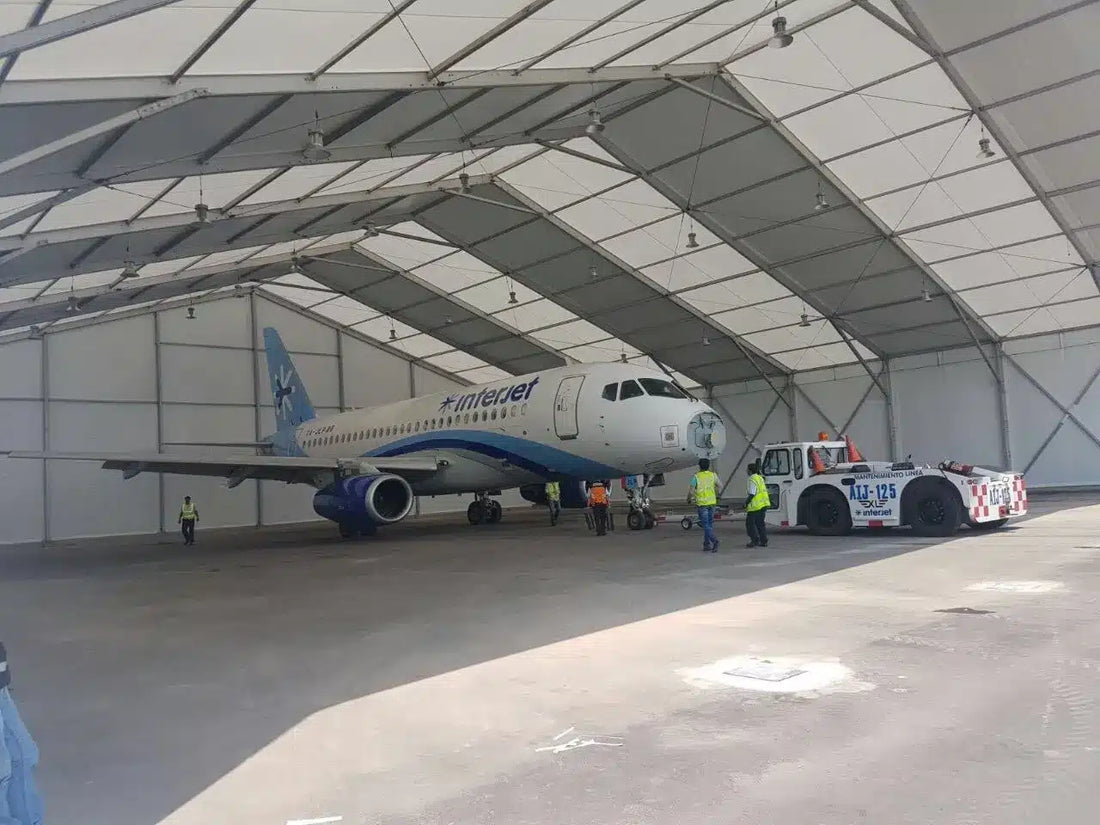
- Vehicle cover
- Temporary warehouse overflow
- Loading and unloading areas
A 40ft container shelter may start as a compact storage area, then grow into a longer covered work zone as the operation expands. For more application ideas, see Sheltirx’s guide to 40ft container shelter uses.
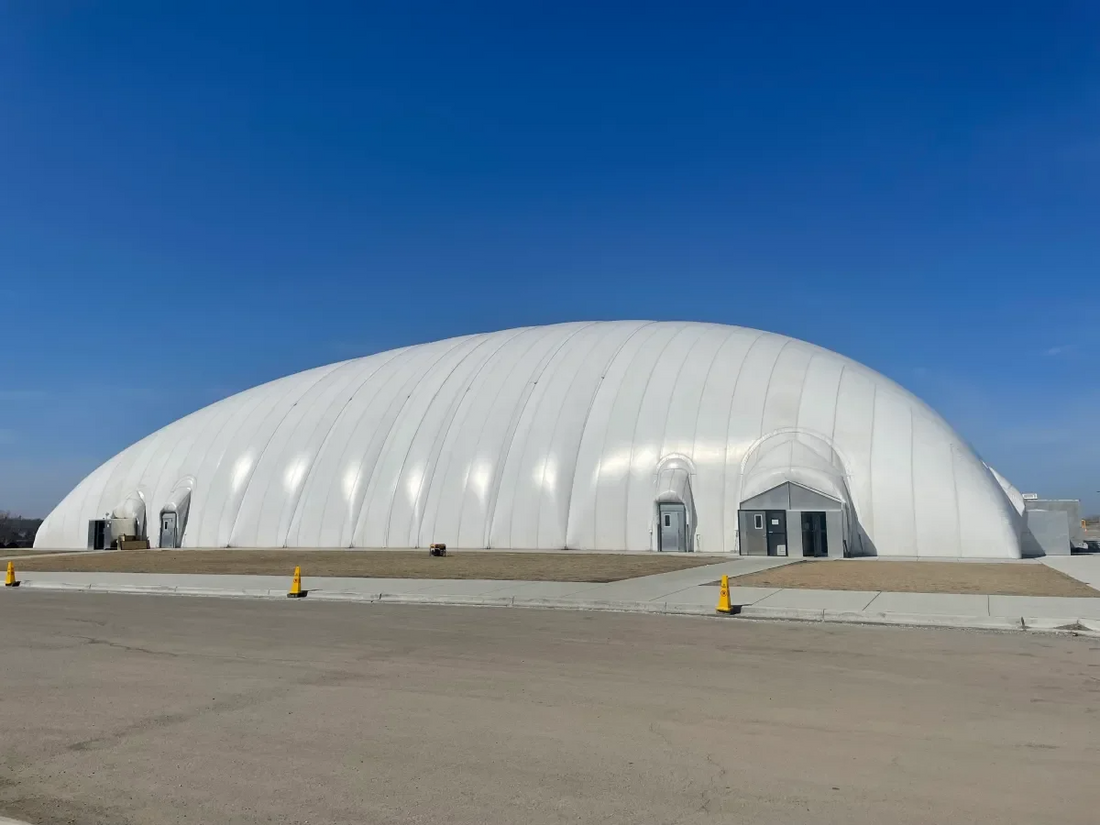
This is also where buyers comparing dome shelters for sale should look beyond the first purchase price. A shelter that can expand later may deliver better long-term value than a fixed-size structure.
Factors To Consider
Adding container canopy bays depends on more than the extra frame sections.
You need to account for the structure, installation, delivery, site work, and any compliance requirements.
Key factors include:
- Bay length and total added coverage
- Frame type, including single or double truss
- Fabric type, such as PVC or PVDF
- Open, enclosed, or partially enclosed configuration
- Front or back walls
- Large doors, personnel doors, or roller shutters
- Lighting, branding, or insulation
- Delivery distance
- Installation access
- Permit or engineering documentation
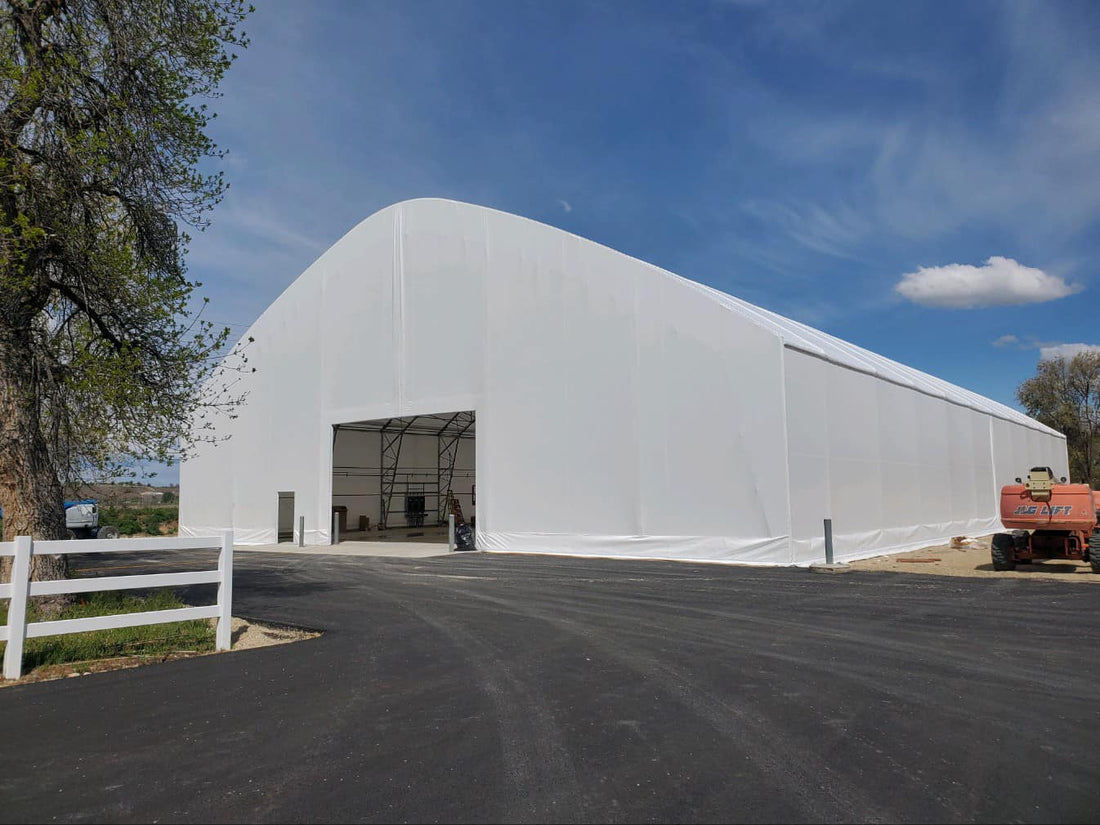
A shipping container canopy extension can provide additional covered space without starting a permanent building project, but the final specification depends on site conditions and requirements.
Sheltirx can quote once you share the site location, target width and length, use case, and wind or snow requirements.
What To Look For In An Expandable Container Shelter
Not every canopy is built for clean expansion.
Before buying, ask whether the design is modular, whether compatible parts will be available later, and how the supplier handles future length changes.
Look for:
- Modular frame design
- Clear-span interior
- Hot-dip galvanised steel
- Waterproof and UV-resistant fabric
- Open or enclosed configuration options
- Proper anchoring method
- Wind and snow load documentation
- Real warranty terms
- Installation support
- Drawings and load data when required
Sheltirx container canopies are available in multiple widths, with layouts built for storage, operations, equipment cover, and general workspace. Many systems can mount to containers, concrete blocks, steel posts, and other supports.
That flexibility matters when a site keeps changing.
FAQs
Can container canopies be expanded later?
Yes, some container canopies can be expanded later if they are designed as modular systems. The existing structure, support layout, anchoring, and site space must be reviewed first.
What are container canopy bays?
Container canopy bays are repeated frame sections that create covered length. Adding more bays extends the shelter so the site gains more usable covered space.
Is a modular container canopy better than a fixed shelter?
A modular container canopy is better when your operation may grow or shift. A fixed shelter can work well for stable storage needs, but it gives less room to adapt.
Can I expand a 40ft container shelter?
In many cases, yes. A 40ft container shelter may be extended if the model supports additional bays and the site has enough room for the longer layout.
Do expandable container shelters need permits?
Permit rules depend on location, size, use, and duration. Many areas treat these as temporary structures, but some still require drawings, load data, or approval.
Conclusion
Expanding a container canopy by adding more bays is a practical way to gain covered space without starting from zero. It works best when the original shelter is modular, the site has room, and the added sections match the existing structure.
For yards, farms, construction sites, logistics areas, and industrial operations, an expandable container shelter can keep storage and work areas aligned with real demand.
Sheltirx USA offers SkyShield container canopies, shipping container shelters, and modular fabric shelter systems built for practical site use. To plan an expansion or compare options, call +1 (307) 456-1125 or request a quote through Sheltirx.