
Objective
Help dealership owners, lot managers, and fleet operators understand how container canopy shelters work, why they make practical sense for vehicle storage, and what to evaluate before buying.
Key Takeaways
- A storage container canopy mounts directly onto standard ISO containers, no ground anchoring or permits required in most cases
- Protects vehicle inventory from hail, UV fading, bird damage, and weather events that trigger costly pre-delivery reconditioning
- Deploys in one to two days and relocates with the container if your lot layout changes
- Sheltirx SkyShield canopies are purpose-built for this application, with fabric rated for snow load and high wind
The Real Cost of Leaving Inventory Exposed
A hailstorm in May can cost a dealership $150,000 to $300,000 in paint and glass repairs overnight. That figure isn't hypothetical. Dealers across Texas, Colorado, and Oklahoma have absorbed exactly those losses, usually because they had no covered storage in place and no fast path to getting any.
Permanent canopy structures take months to permit and build. Industrial canopies on steel posts require ground anchoring, construction trades, and in most cases, a landlord's approval that never comes. The result: most lots sit exposed year after year, absorbing weather damage that shows up as reconditioning costs, negotiated discounts, and vehicles that don't move.
A container canopy solves that without a construction project.
What Is a Storage Container Canopy?
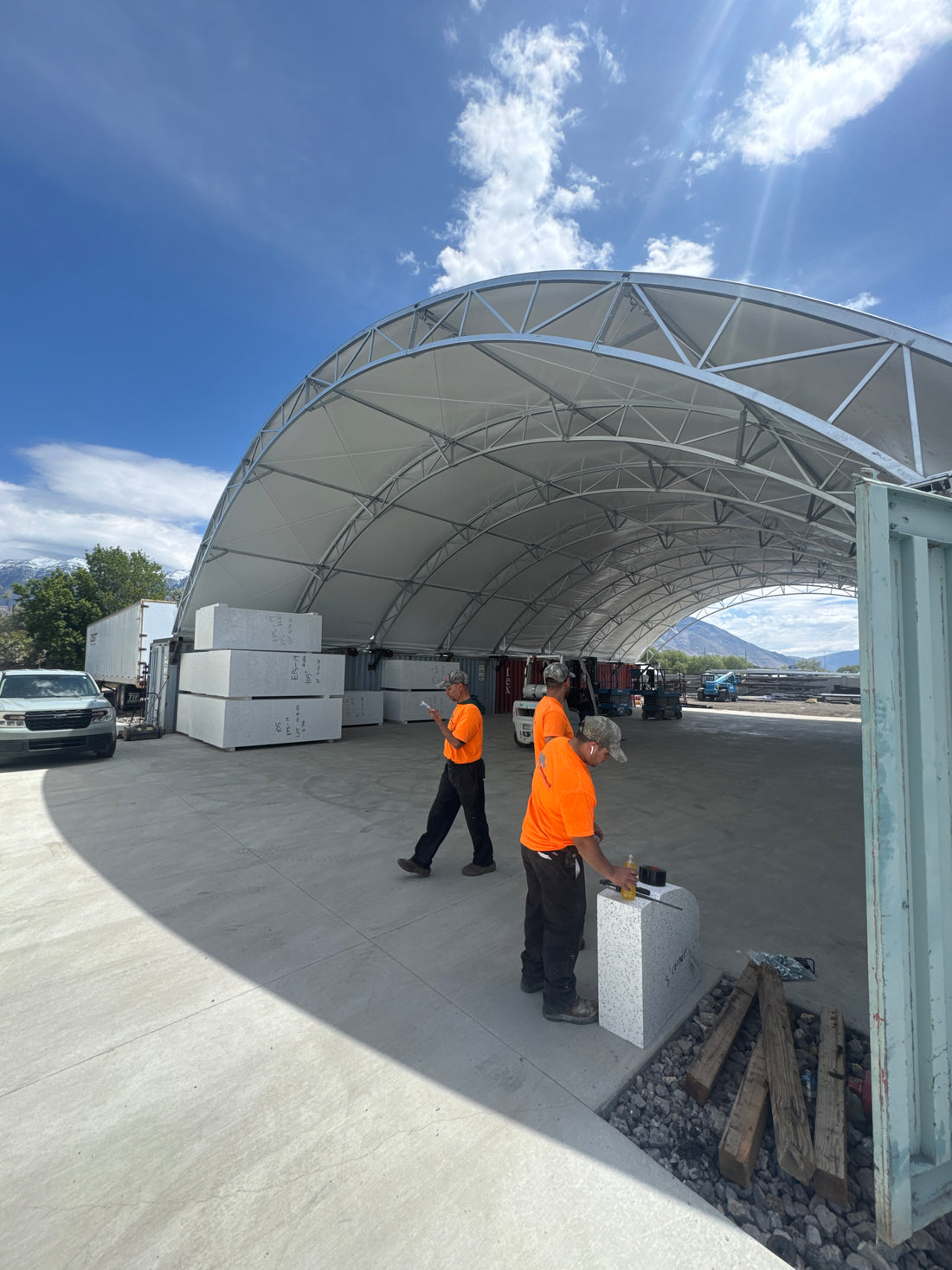
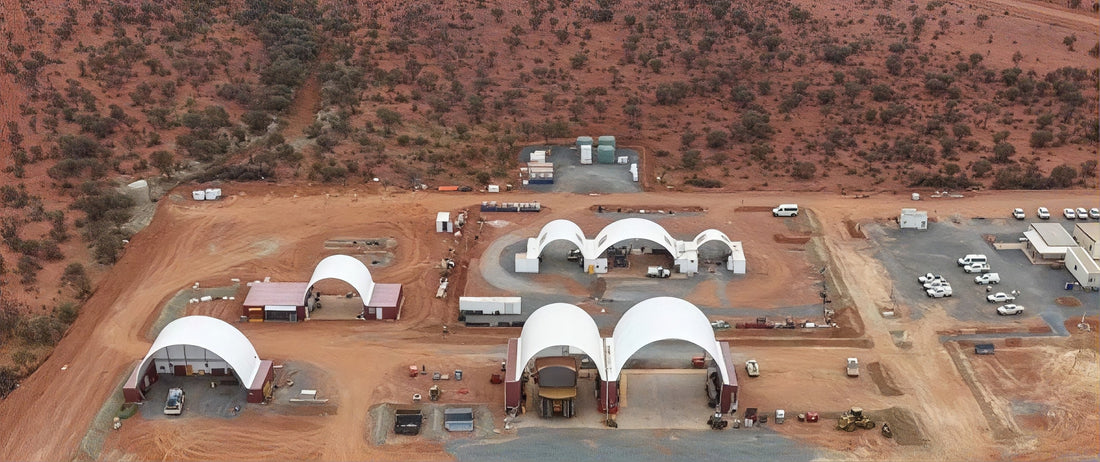
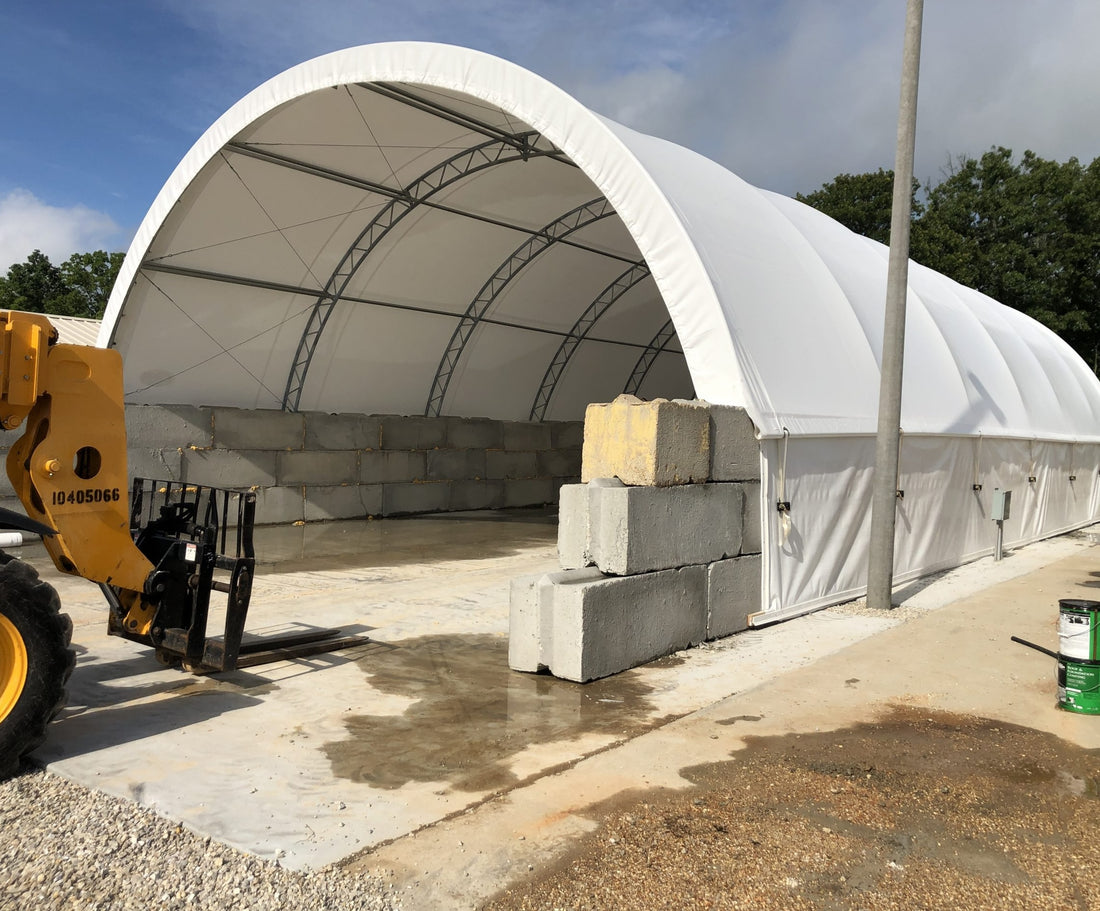
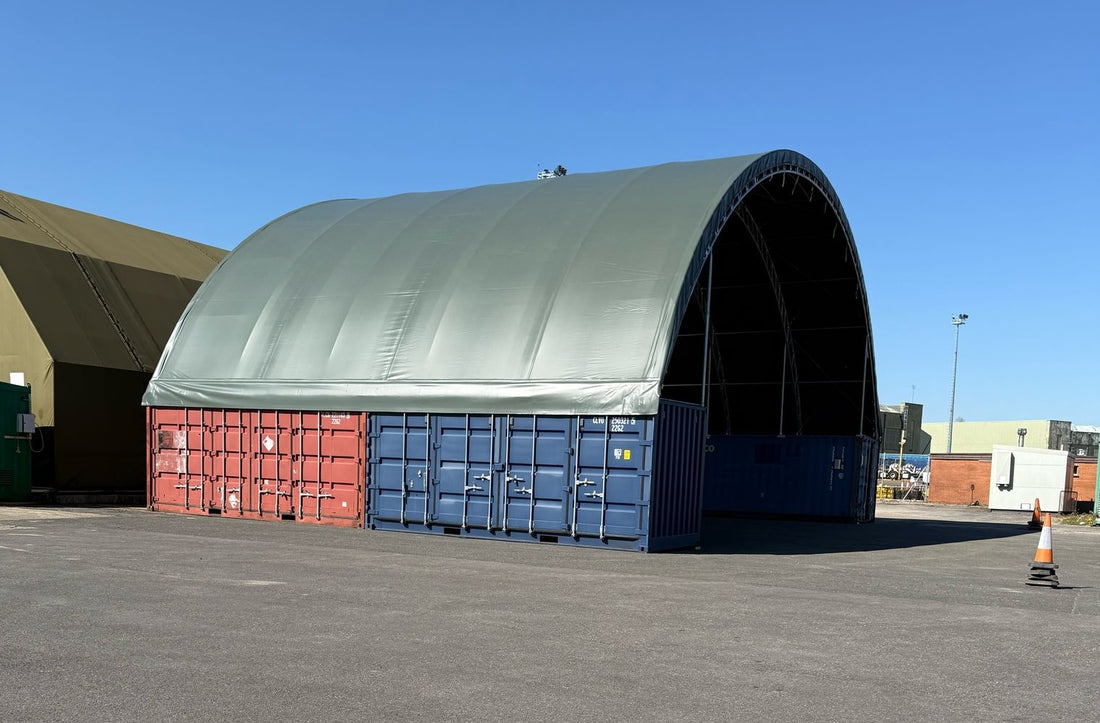
A storage container canopy is a fabric and steel frame shelter that mounts directly onto one or two standard ISO shipping containers. The containers act as the foundation. No poured footings, no posts driven into the ground, no structural modifications to the property.
The frame attaches at the container's corner castings using purpose-built fittings. A high-tensile fabric spans between the containers and overhead, creating a covered bay wide enough to shelter a lane of vehicles or more. Sheltirx's SkyShield line uses UV-stabilized polyethylene fabric with published load ratings for snow and wind.
The containers already exist on most commercial lots. The canopy turns them into functional covered storage.
How It Works on a Vehicle Lot
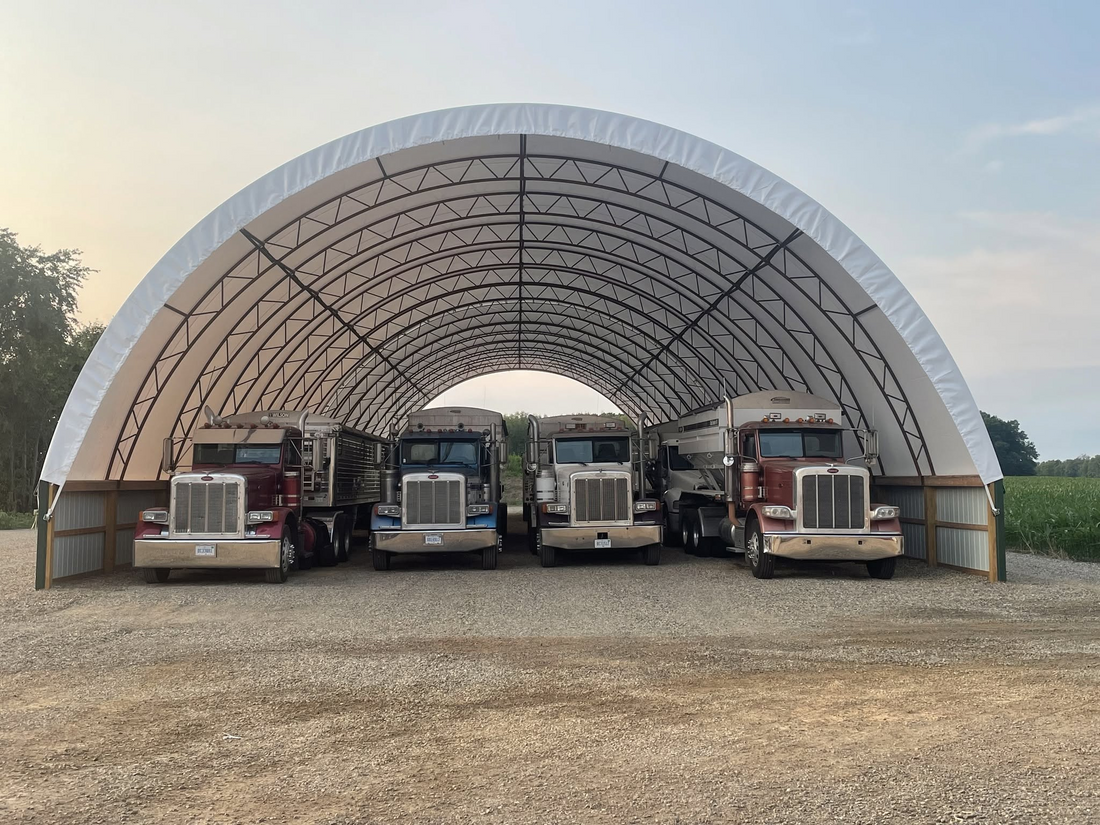
Position two containers parallel to each other at the required span width. Sheltirx shelters span from roughly 20 to 40 feet between containers, which translates to two to four vehicle lanes depending on how you orient them.
The steel frame is assembled with standard hand tools. A two-person crew can have a single-bay unit erected and the fabric tensioned in a day. The tensioning system is adjustable, which matters in climates with significant seasonal temperature swings where the fabric contracts and expands.
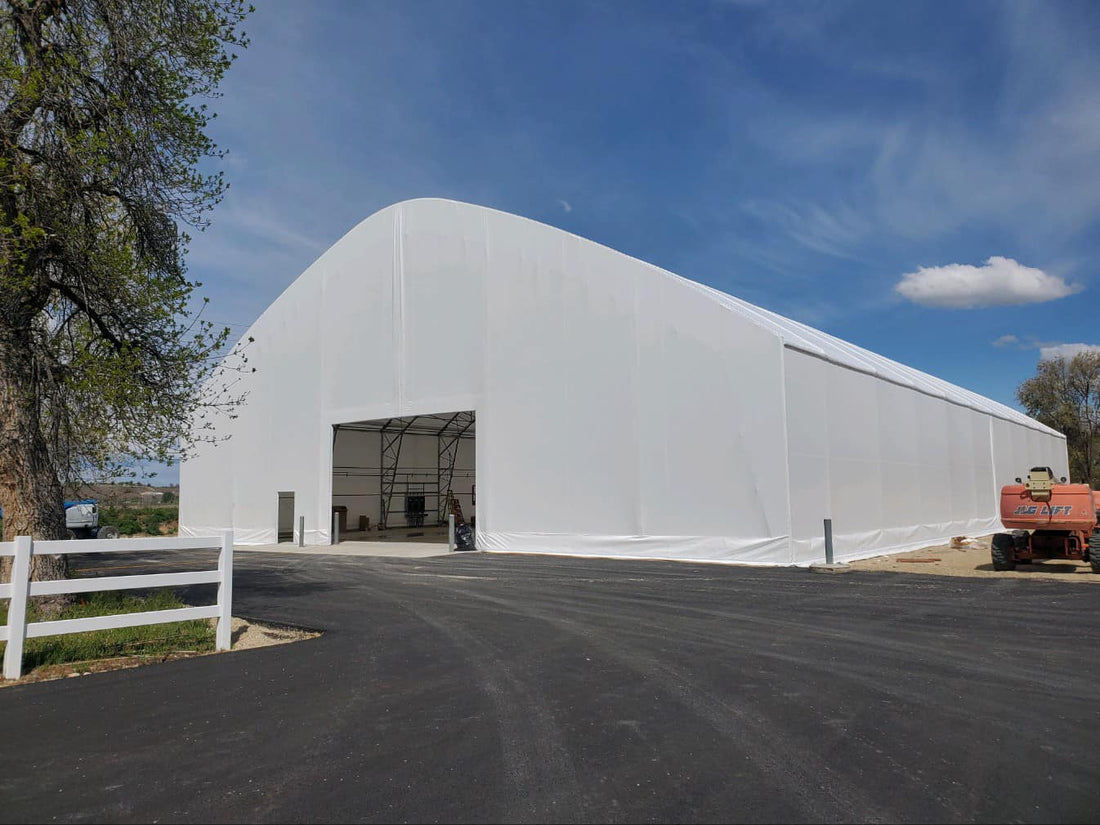
End wall configuration is a choice, not a fixed spec. Open-sided bays allow drive-through access, which is standard for active lots. Enclosed end walls suit seasonal storage or vehicles awaiting PDI. The shipping container canopy shelter goes up without heavy equipment beyond a forklift to position the containers themselves.
Where Dealerships Use Them
New vehicle holding areas. Units sitting on a transport receiving lot face days of UV exposure, bird activity, and weather risk before they reach the showroom. A covered holding area eliminates that damage window entirely.
Used vehicle prep and reconditioning. Detail work done under a container canopy shelter produces better results and faster throughput. Technicians work more efficiently out of direct sun and rain, and prep quality is more consistent.
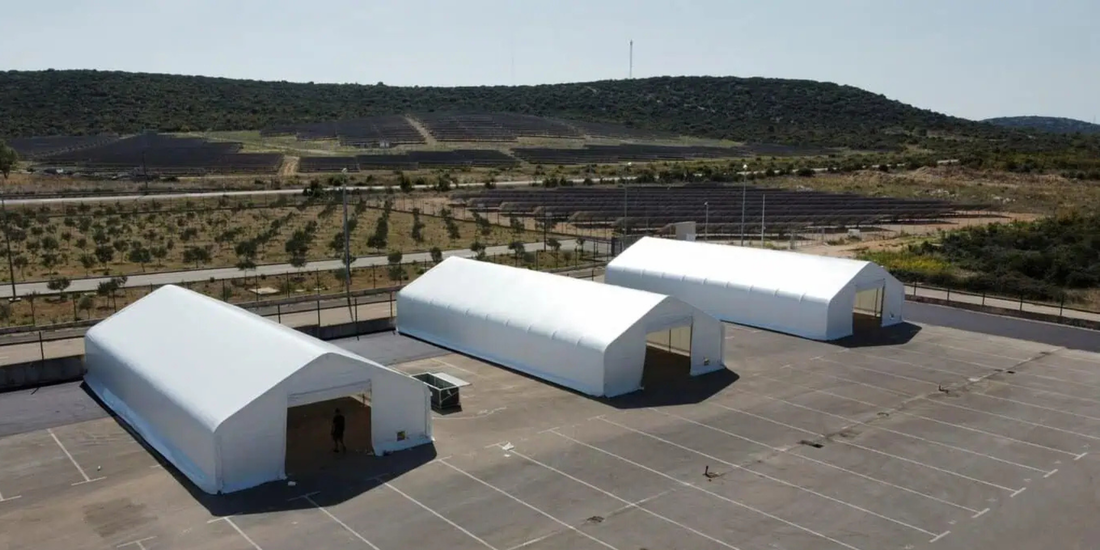
Overflow lots. Secondary lots leased for inventory overflow almost never have infrastructure. A conex canopy deploys on leased ground without any permanent modification to the property, which satisfies most landlord requirements.
Fleet and remarketing operations. Fleet managers staging off-lease vehicles for inspection or auction can use a dome shelter to protect units during the holding and remarketing window. Setup and teardown are fast enough to justify even short deployments.
RV, trailer, and powersports dealers. Wide-span configurations work for units that won't fit under a standard commercial overhang. A container dome spanning 40 feet shelters three full-size RVs side by side without any interior columns interrupting the bay.
For a broader look at how operators across industries deploy these structures, the Sheltirx guide to container shelter uses covers applications beyond vehicle lots.
What to Look for Before You Buy
Fabric specification. Cheap woven poly fabric degrades under UV within two to three seasons. Look for fabric with UV inhibitors engineered into the material, not applied as a surface coating. Ask for the rated service life under direct outdoor exposure before you commit.
Frame-to-container connection. The frame should attach at the ISO corner castings using a fitting designed for that interface. Drilling through container walls weakens the structural rail and, in most cases, voids any warranty. Avoid systems that require field modification to the container itself.
Published load ratings. If your region gets snow accumulation, verify the canopy carries a rated snow load. A fabric structure that sheds snow is different from one engineered to hold a static load. Know which one you're ordering.
Container covers and end wall options. Decide before you order. Retrofitting end walls after installation is possible but costs more and takes longer. End configurations, side skirts, and container covers that seal the gap between fabric and container all affect total weather protection and should be specced at the outset.
Span options and clearance. Measure the tallest unit you need to shelter. Standard containers give 8.5 to 9.5 feet of eave clearance. High-cube containers add roughly one foot. For lifted trucks, cargo vans, or RVs, verify the eave height against your actual inventory before ordering.
Lead time. Dome shelters for sale from quality manufacturers are not kept in large quantities on a warehouse shelf. Production and delivery timelines vary. Order ahead of your peak inventory season, not during it.
Cost and Setup: What to Expect
A storage container canopy costs significantly less than a permanent steel structure of equivalent coverage, and it's operational in days rather than months. Exact pricing depends on span width, fabric grade, end wall configuration, and quantity.
The containers are a separate line item if you don't have them on site. A structurally sound used 40ft container typically runs $2,500 to $4,500 depending on region and condition grade. High-cube units cost slightly more.
Installation requires two people with basic mechanical skills and a forklift or telehandler to position containers. No concrete pours, no crane work, no licensed construction trades. Most single-bay setups complete in one to two days.
Permitting is generally not required because the structure attaches to the container, not the ground. The container itself is classified as personal property in most jurisdictions, not a permanent structure. Confirm with your local authority for certainty before relying on that assumption.
Container Canopy vs. Permanent Structure
|
Factor |
Storage Container Canopy |
Permanent Steel Canopy |
|
Installation time |
1 to 2 days |
4 to 12 weeks |
|
Permit requirement |
Usually not required |
Required in most cases |
|
Relocatable |
Yes |
No |
|
Suitable for leased lots |
Yes |
Rarely |
|
Upfront cost |
Lower |
Higher |
|
Coverage scalability |
Add containers and bays |
Fixed at construction |
|
Setup trades required |
None |
Multiple |
Permanent structures make sense when you own the land and have stable, high-volume needs that justify the capital outlay and timeline. A storage container canopy makes sense when you need protection now, on property you don't own, at a scale you expect to adjust.
FAQs
Can I use a rented or leased container with a Sheltirx canopy?
Yes. The frame attaches using non-destructive fittings at the ISO corner castings, so the container itself is not modified. Confirm with your container rental or leasing company that external attachment is permitted under your agreement.
Is container shelter for sale pricing different for larger lots needing multiple bays?
Multi-bay configurations are available and generally more cost-effective per square foot of coverage than single-bay units. Contact Sheltirx directly with your lot dimensions and container count for an accurate quote.
How well does the fabric hold up in high-heat climates with sustained UV exposure?
Sheltirx SkyShield fabric is UV-stabilized for outdoor use. Service life under sustained UV depends on the specific fabric grade you order. Ask for the rated exposure specification on the grade you're considering rather than relying on general claims.
Can I move the canopy if I shift lot layout or relocate entirely?
The shelter disassembles from the containers and reassembles on a new set. Most operators complete a full breakdown and reinstall in two to three days. The frame and fabric are designed for multiple install cycles.
Do these count as permanent structures for zoning or lease compliance purposes?
In most jurisdictions, no. Because the structure is attached to a container rather than the ground, it typically falls outside the threshold for permanent construction. That said, zoning rules vary. Verify with your local planning department before using that classification as a lease compliance argument.
Get Your Lot Protected
Hail events, UV exposure, and bird damage are not edge cases at an outdoor vehicle lot. They happen every season, and each one pulls margin from vehicles already priced to move.
A storage container canopy from Sheltirx gives you a fast-deploy, low-commitment solution that works on leased ground, scales with your inventory, and doesn't require a construction project to get operational. The SkyShield line is built for exactly this application, with fabric and frame specs matched to real outdoor conditions.
Visit Sheltirx to review configurations and request a quote before your next weather season arrives.