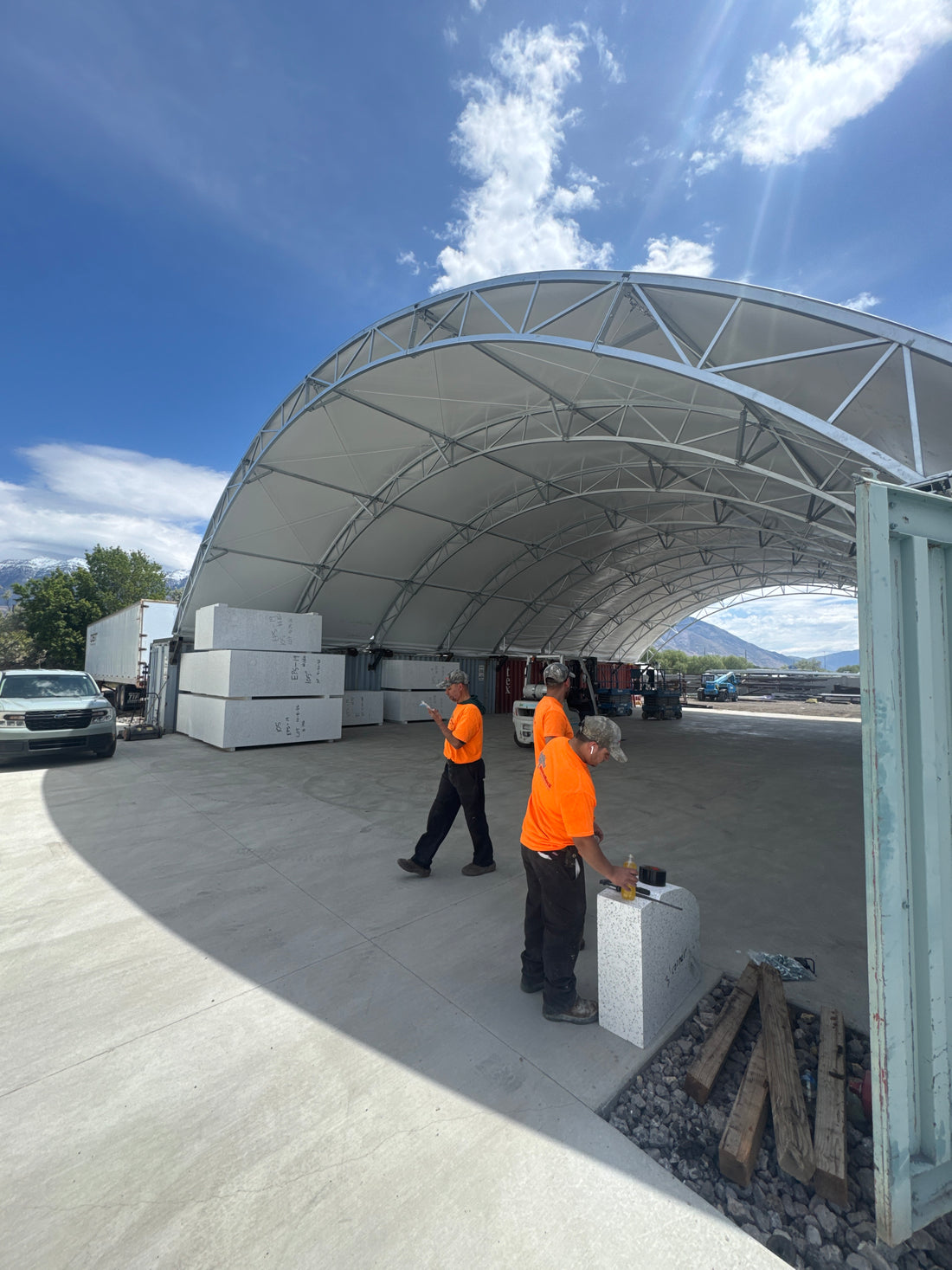
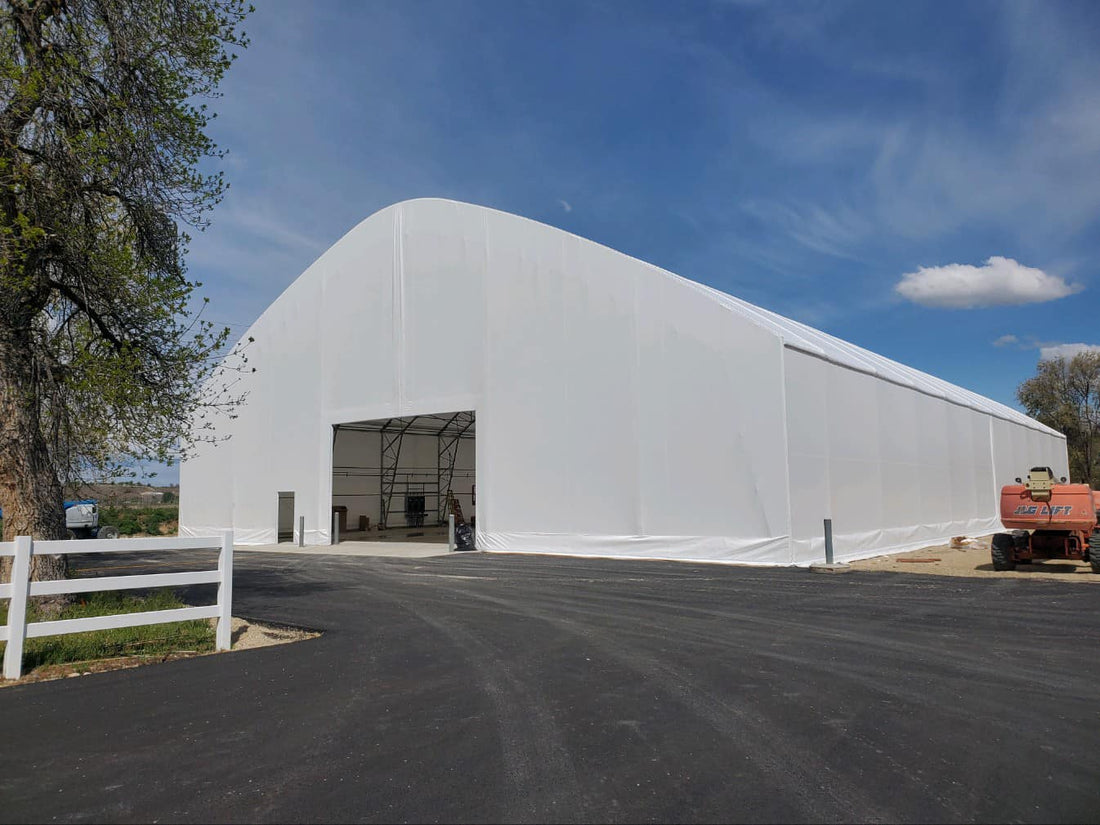
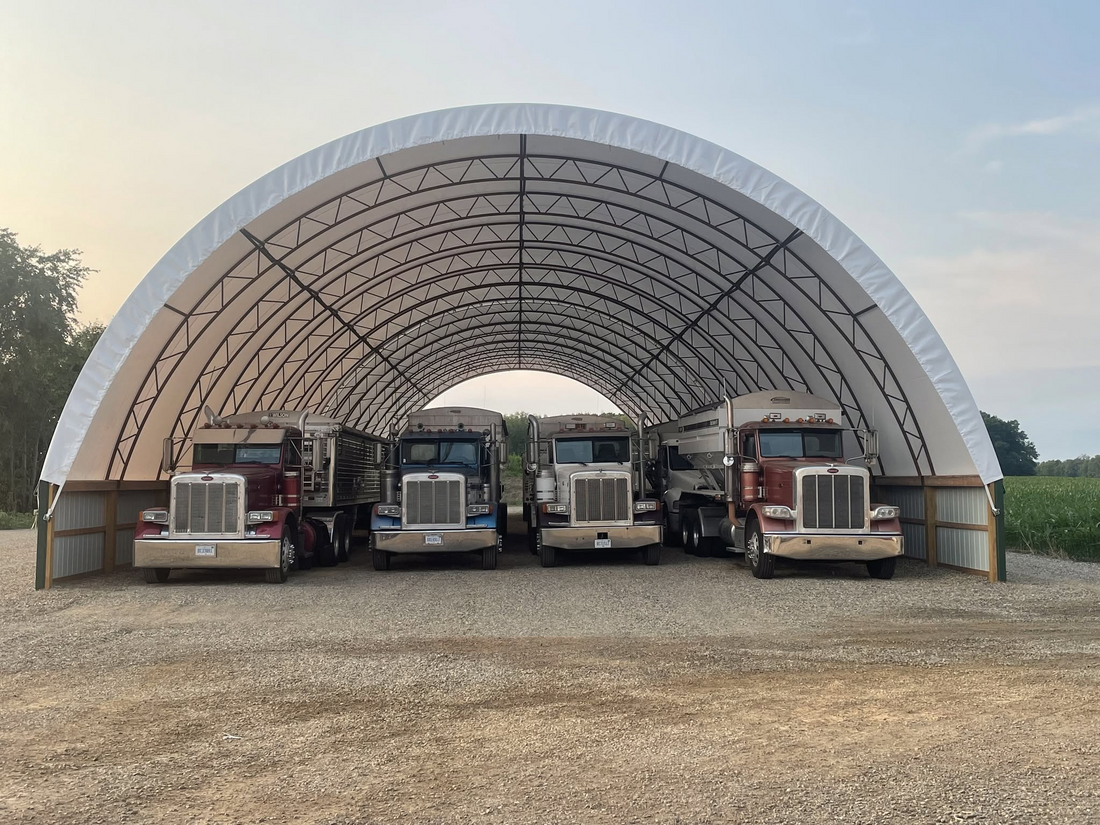
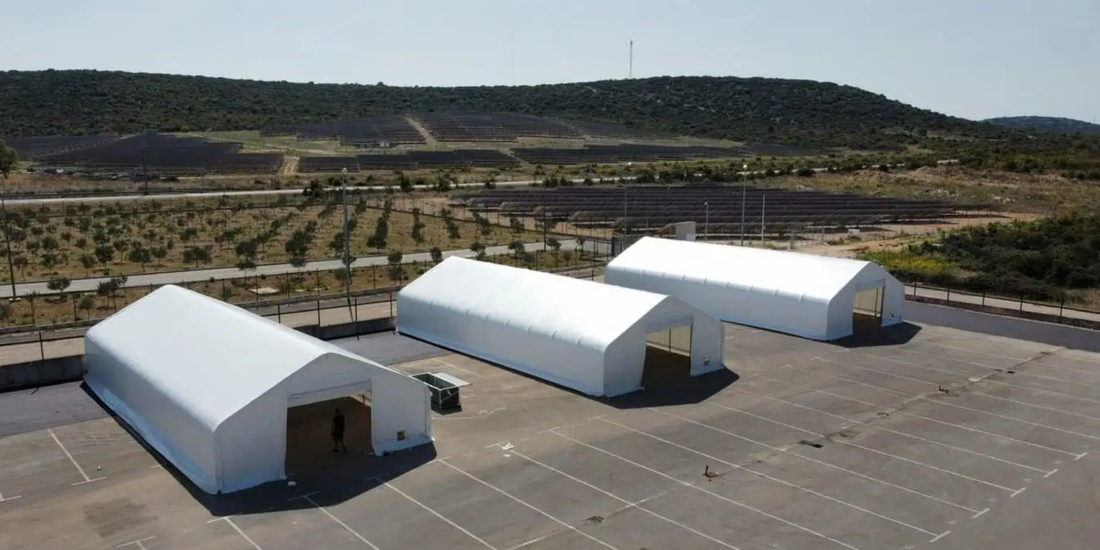
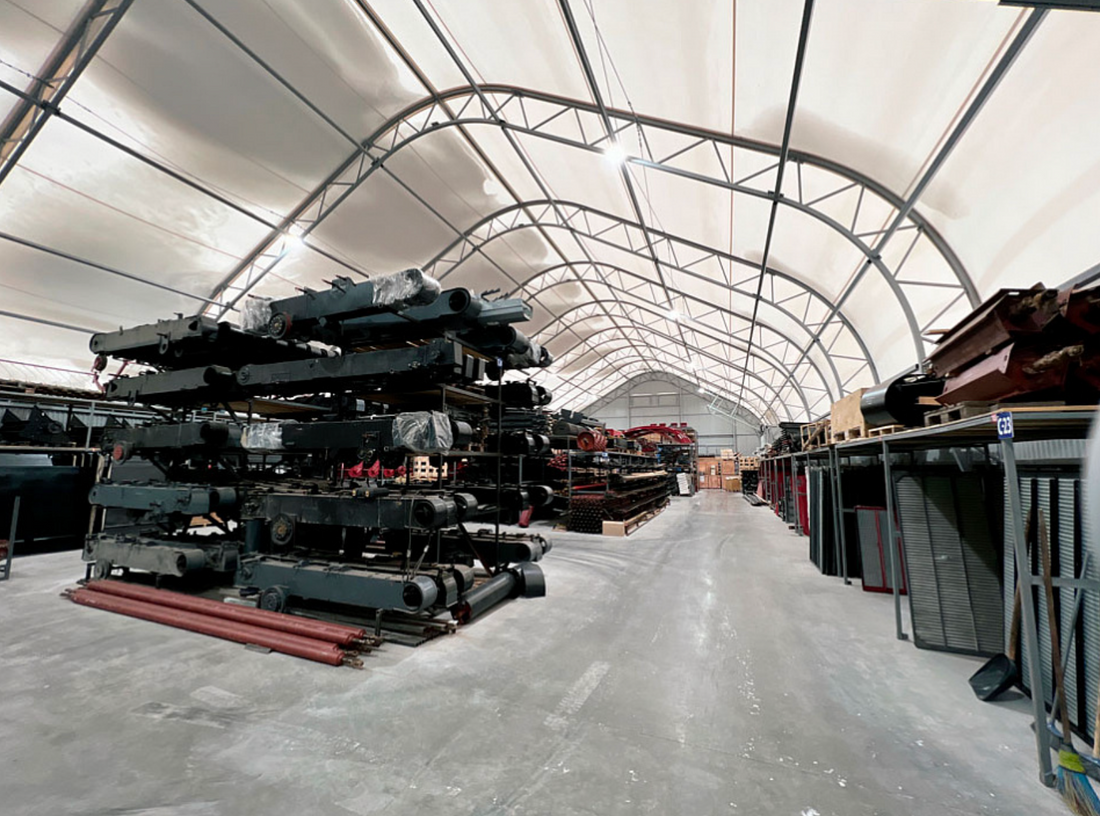
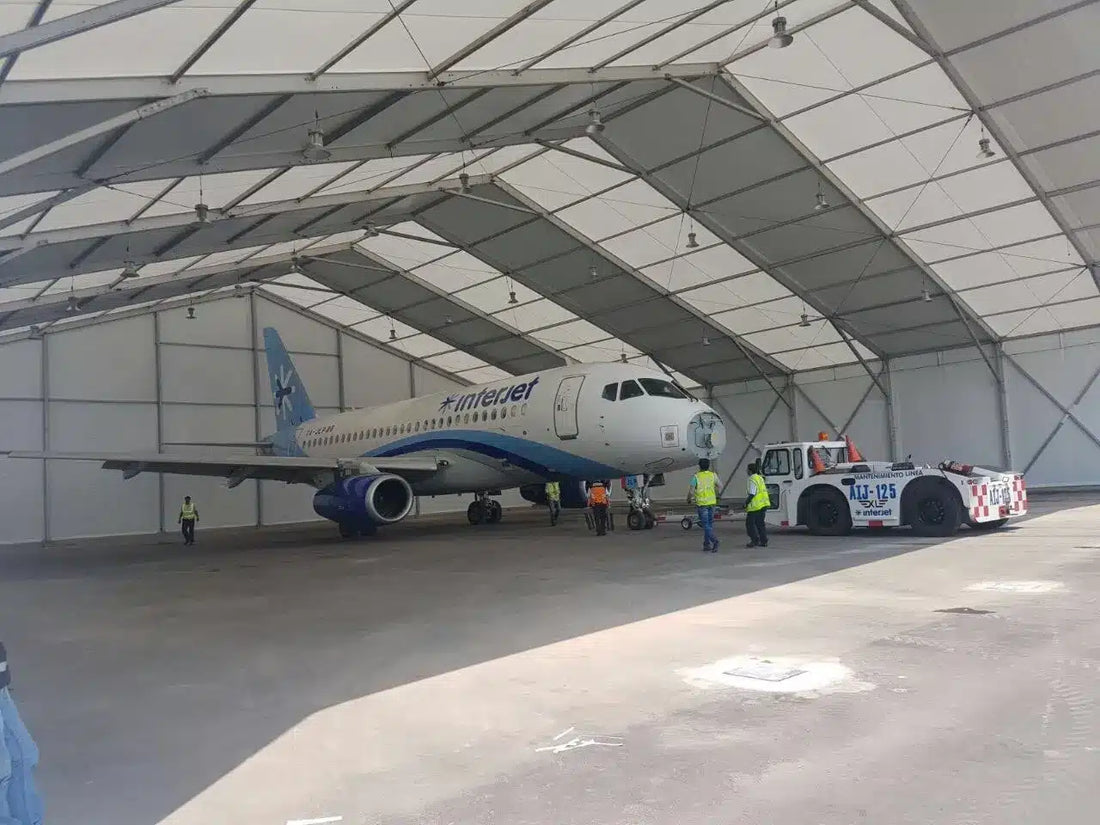
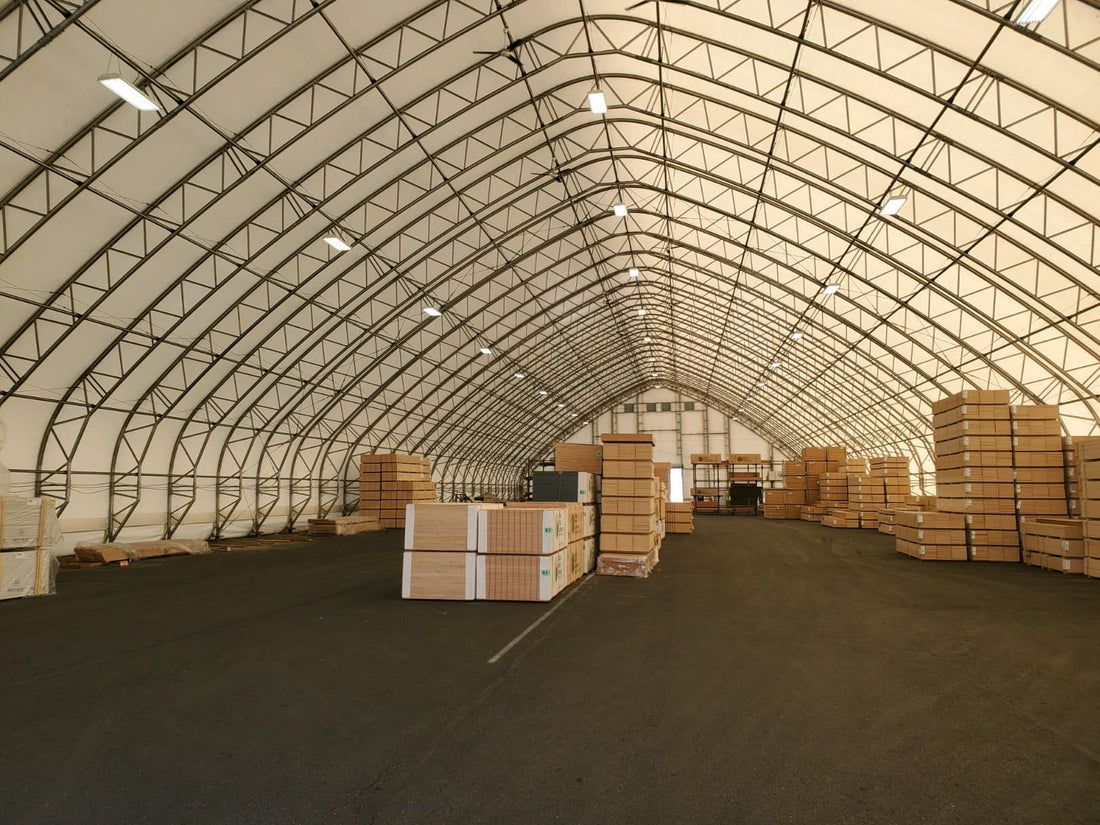

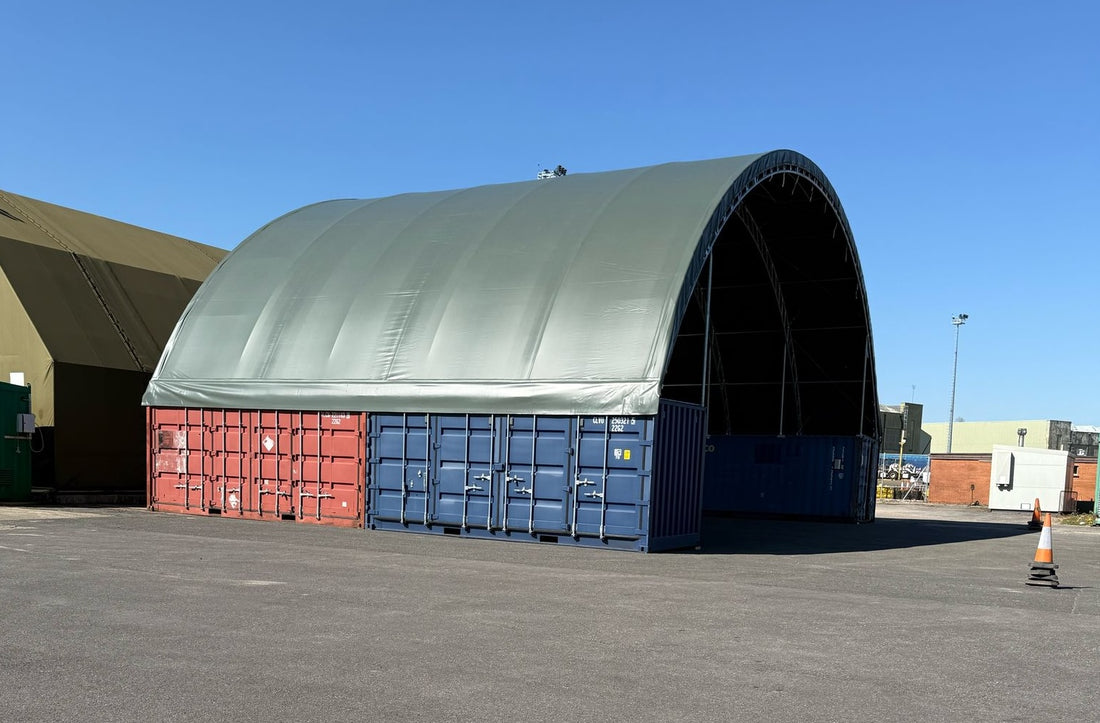
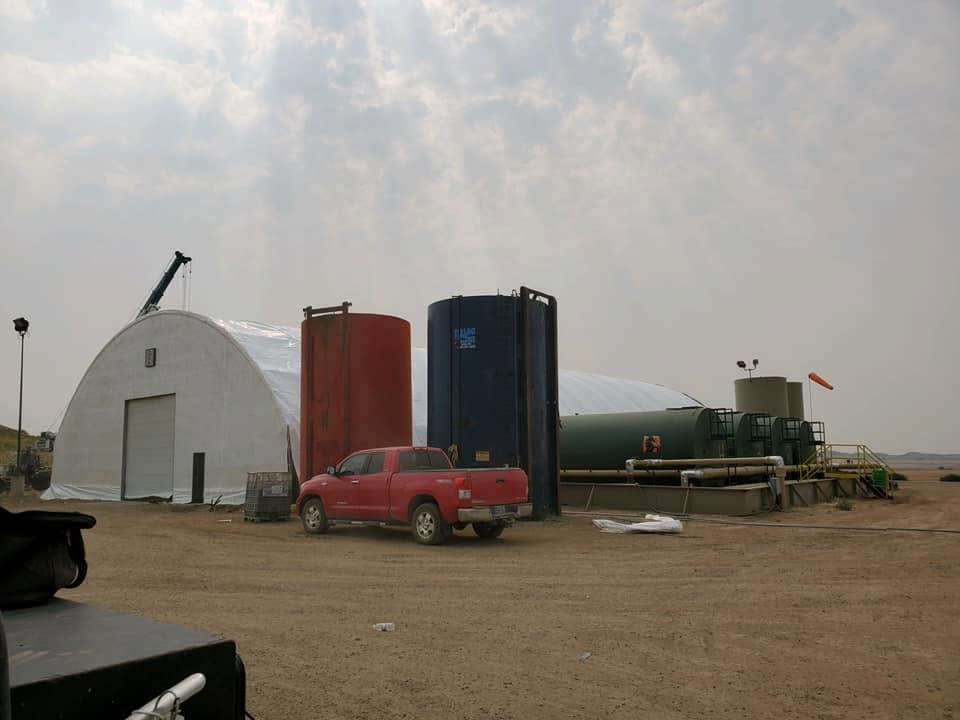


Map each work bay with the equipment in its expected service position, then add space for technicians, access panels, removed parts and service carts. Plan how equipment enters and exits the building and whether a bay needs straight-through movement or can use a return path. A clear circulation lane helps move completed items out without crossing active work.
Locate frequently used tools and consumables near the jobs that require them, while keeping inventory and replacement parts out of egress paths. Parts that need controlled storage, charging, ventilation or fire protection should be handled according to their own requirements. If several teams use the building, define responsibility for shared tools and common staging zones to reduce congestion. Incoming deliveries can also use a simple receiving check before items are moved into their final positions. This helps distinguish stock that is ready for use from parts awaiting inspection, paperwork or assignment to a particular aircraft. A job-tag position can keep removed components and replacements tied to the correct repair without occupying the main bay.