<p>Boat Yard Facilities</p>

Boat Yard Facilities

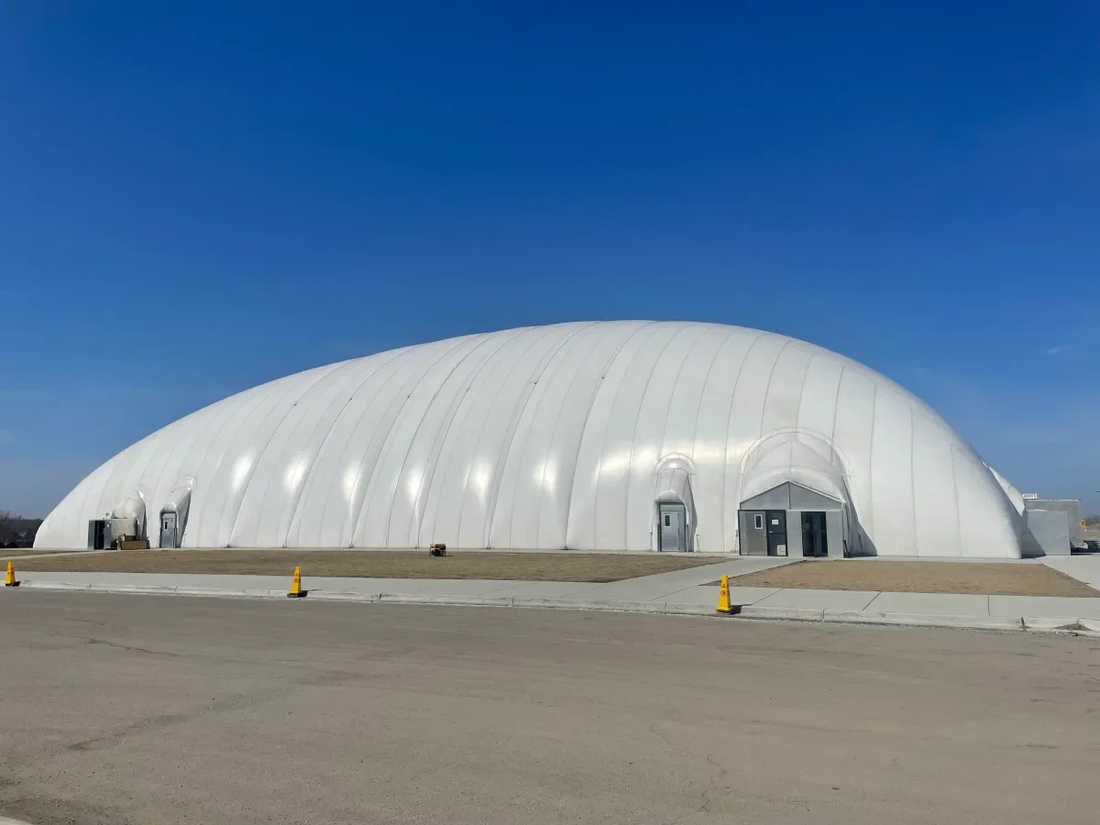
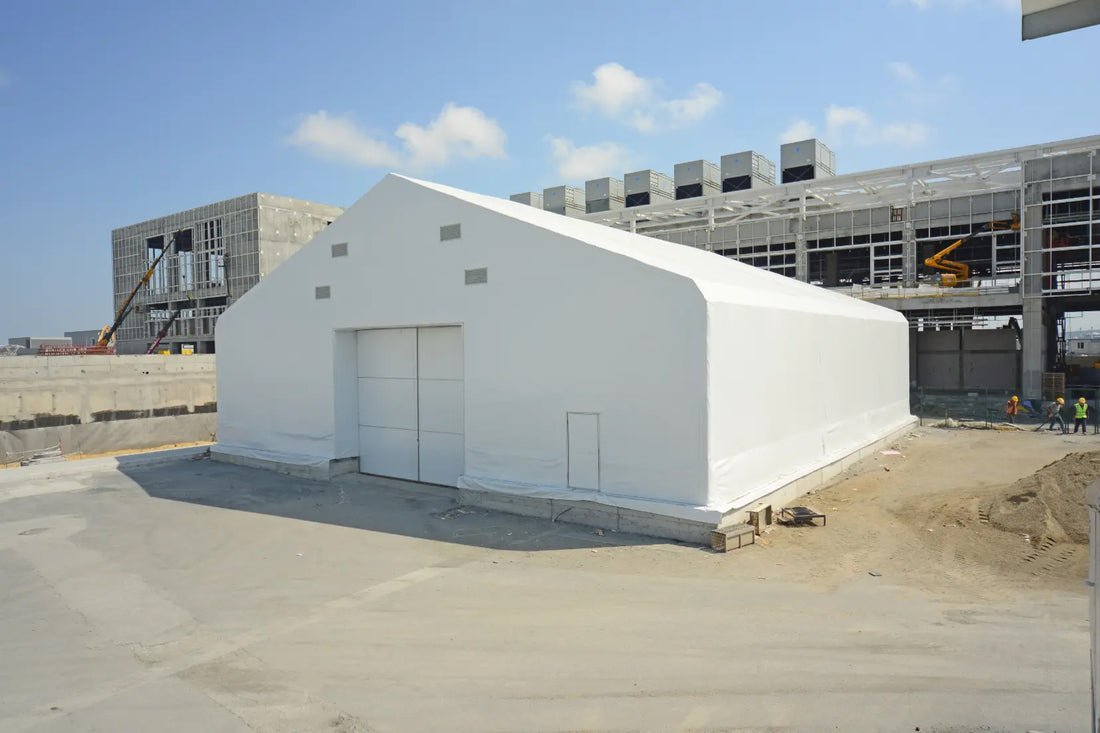
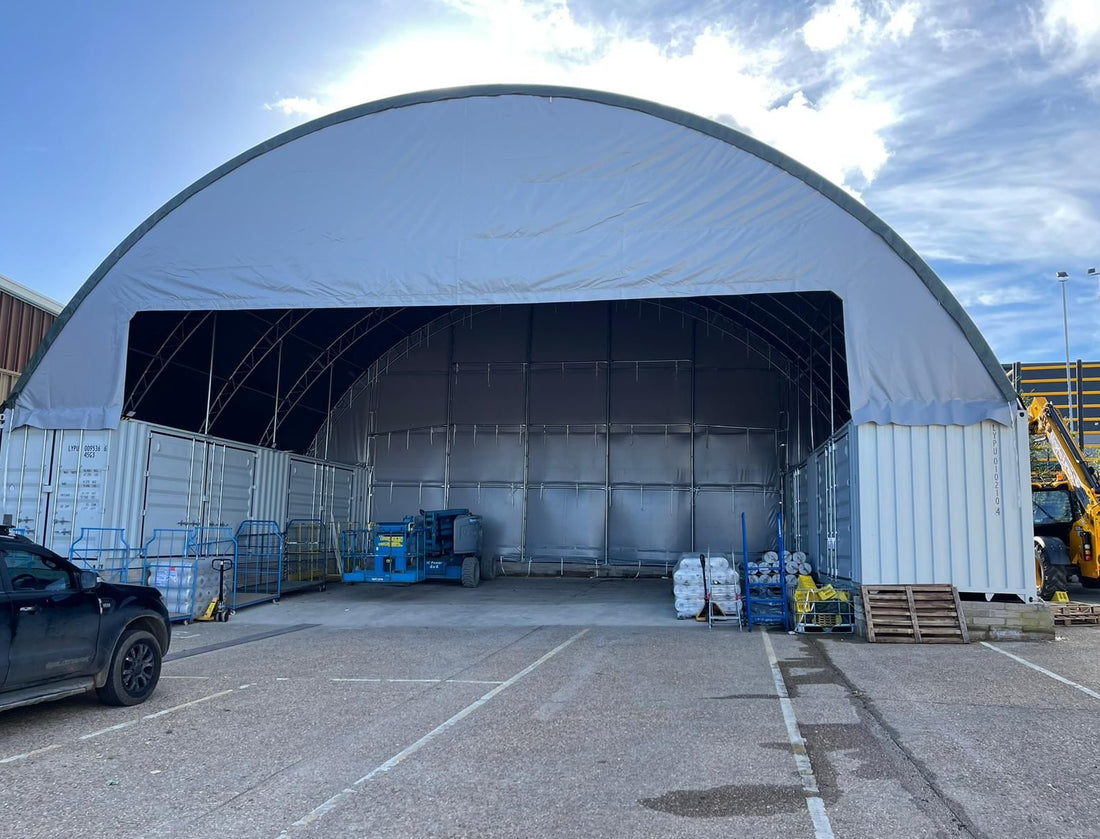
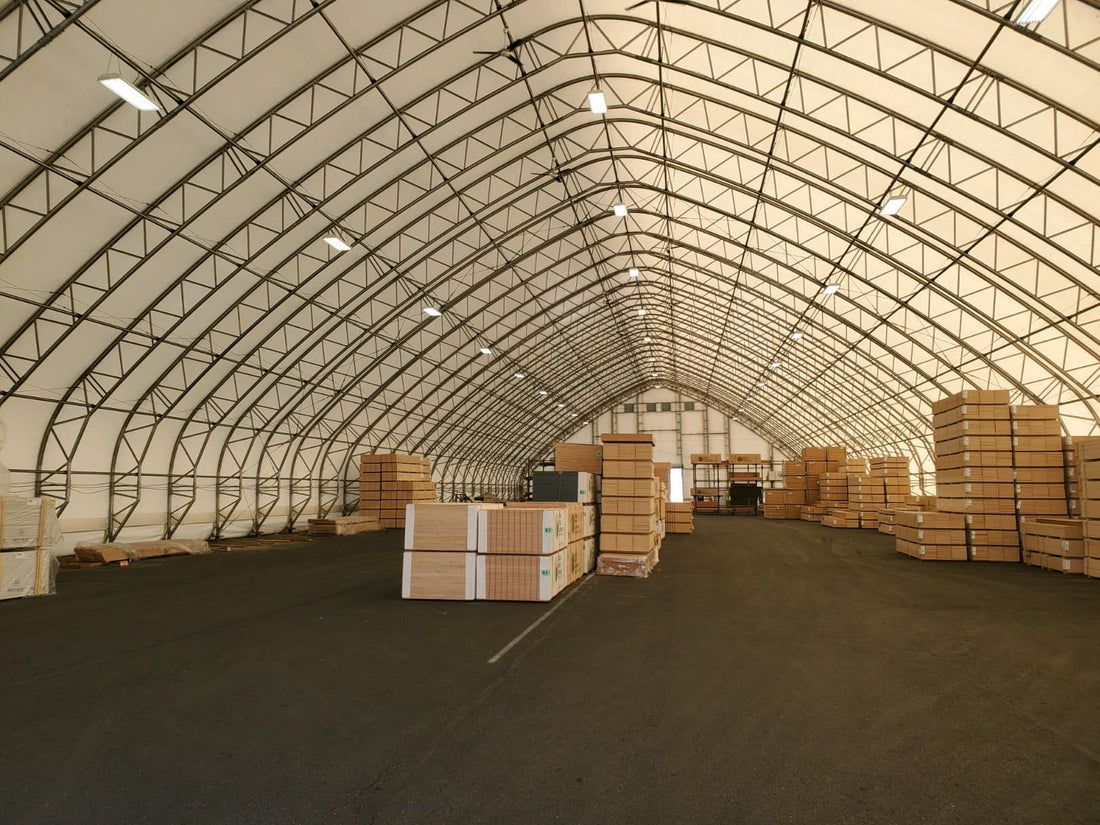
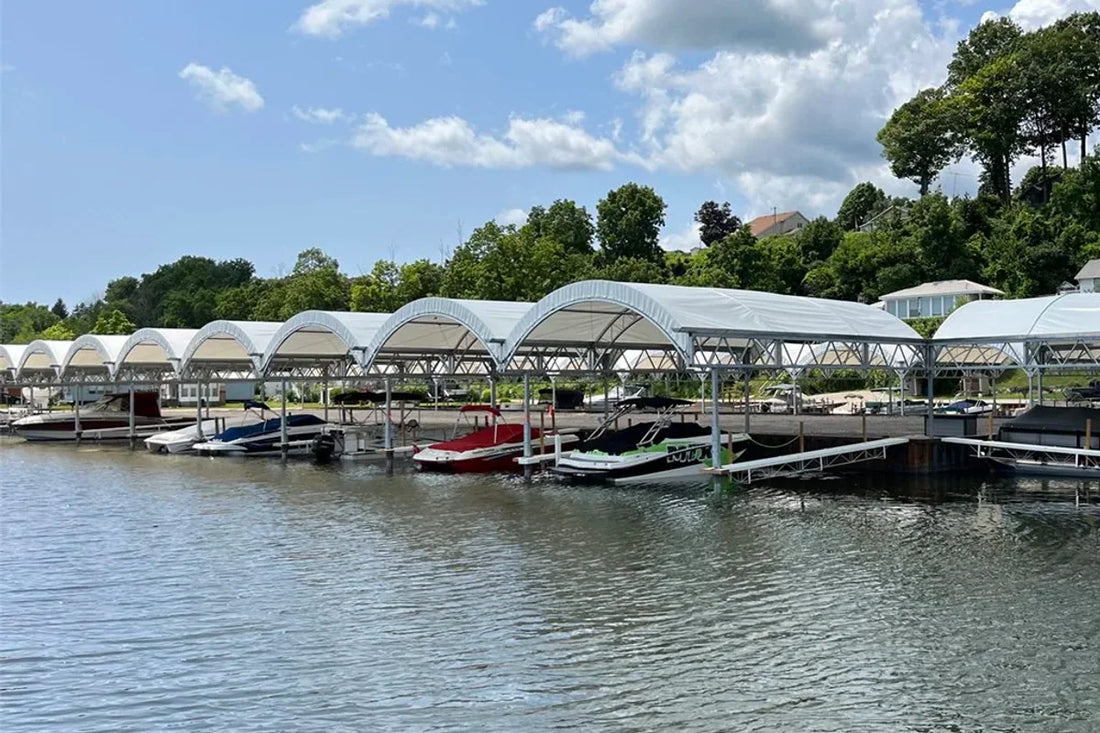
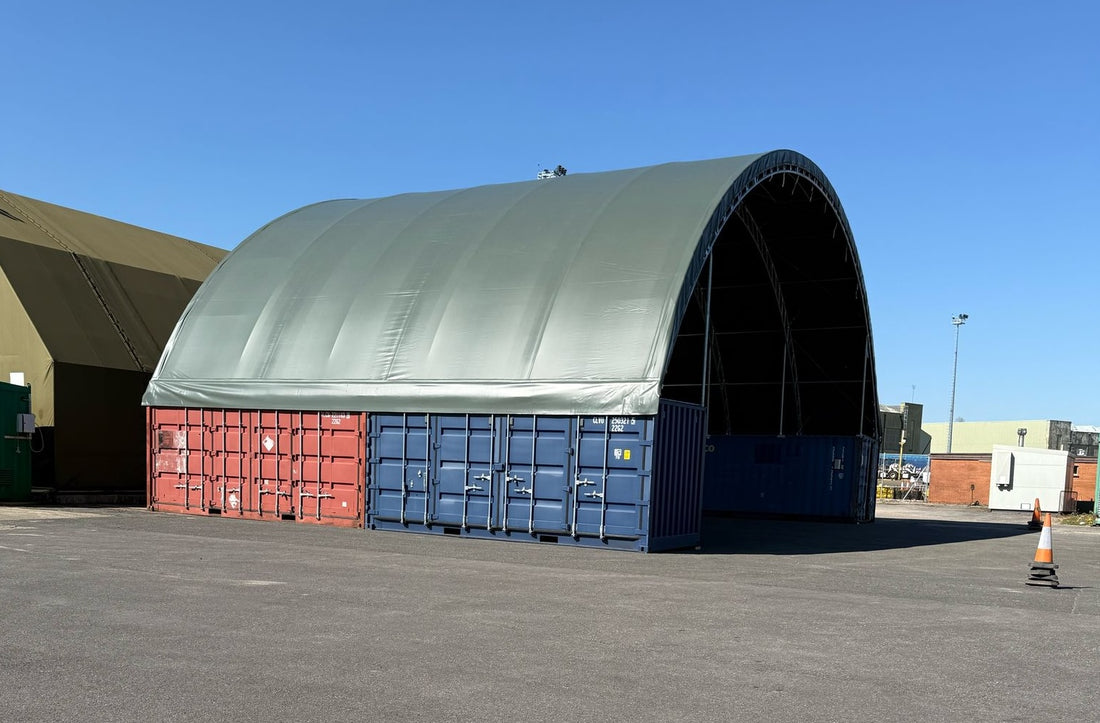
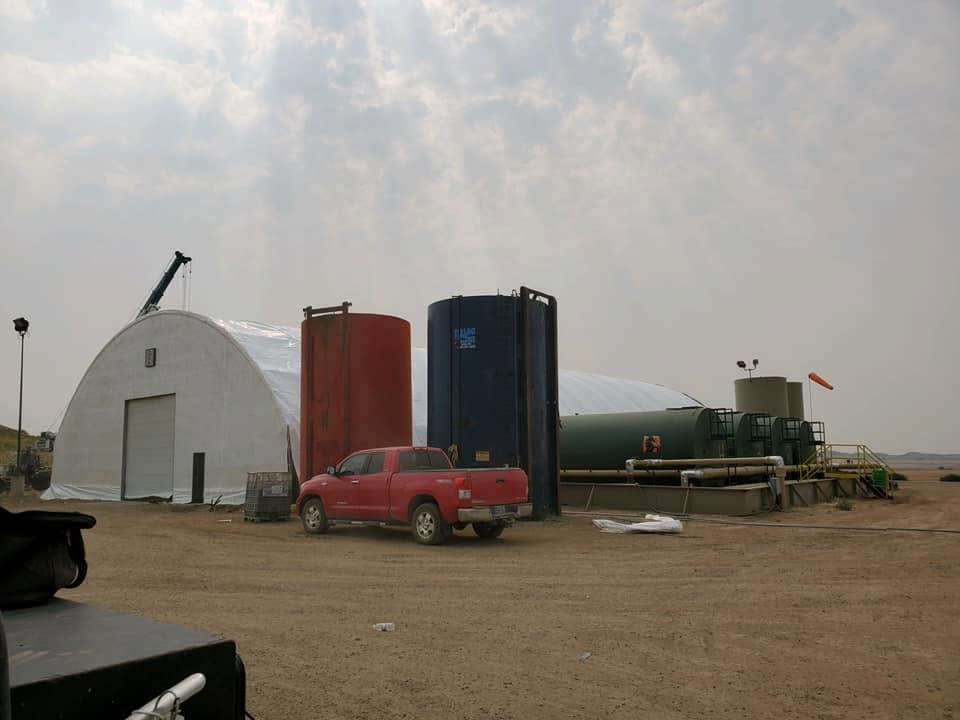
Sheltirx™ boat yard facilities provide covered space for the vessels, equipment and work areas that support a working boatyard. We configure each building around vessel dimensions, movement routes, yard activities and the conditions at the installation site. For the wider facility context, explore our marine buildings.

Covered Space Within
a Working Boatyard

A boatyard handles more than the boat itself. Vessels may arrive by trailer or yard transport, move through inspection and preparation, wait for service, and then return to the water or leave the facility. A covered building can support specific steps in that sequence without taking over the role of docks, launch ramps, travel lifts or other outdoor marine infrastructure.

The right use depends on the yard. One operator may need a roofed staging area for vessels awaiting work, while another may need to keep maintenance supplies, removable components or transport equipment under cover. Establish which activities must happen inside and which can remain outdoors before deciding on the building footprint. That distinction avoids using expensive covered space for tasks that do not need it and keeps the interior available for work that benefits most from protection.

Plan Around Vessel
Entry, Exit and Handling

Start with the largest vessel the facility expects to handle, then confirm length, beam, overall height and the transport method used to bring it inside. The design also needs clearance for trailers, cradles, masts or other projections that remain attached during movement. A door that fits the hull alone may still be too low or narrow for the complete load and handling equipment.

Map the route from the yard entrance to the building and from the building to the next work area. Turning space, approach angle, exterior staging and door position all affect whether boats can move without repeated repositioning. If forklifts, cranes, boat lifts or other lifting systems are part of the operation, their working envelope and support requirements must be reviewed separately as part of the full project design. Do not assume the building itself includes lifting equipment or is automatically suitable for suspended loads.

Separate Storage,
Preparation and Active Work

A mixed-use boatyard building needs an intentional layout. Vessels waiting for service should not block technicians from active work areas, and frequently used tools should be reachable without moving stored boats. If the same space is used for seasonal storage and repair work, identify when each function takes priority and how the building will be cleared or rearranged during the busy part of the year.

Consider whether parts, lubricants, batteries, paints and other supplies need separate storage arrangements under applicable safety rules. Work that creates fumes, dust, sparks or chemical exposure may require dedicated ventilation, fire protection, separation or other controls. A fabric building provides a covered enclosure; task-specific services and safe work systems must be specified for the actual activities.

Keep Yard Work Moving 
Through Seasonal Demand

Marine operations often have distinct busy periods. Before the boating season, yards may need room for inspections and commissioning; at the end of the season, incoming vessels can compete with service work for the same floor area. Plan how many boats may be present at once, how long each is likely to remain and whether stored vessels need to be accessed regularly or only when retrieved.

A covered work zone can reduce direct exposure to rain and snow and give crews a more predictable place to prepare vessels or organize equipment. It does not automatically provide heating, humidity control or a suitable environment for every finish or component. If those conditions matter, include ventilation, insulation, heating or other building systems in the project brief and confirm their requirements with the relevant suppliers.

Engineer the Building 
for Its Site and Marine Use

The building layout should be developed together with the site plan. Waterfront and coastal properties may have different wind exposure, snow conditions, ground conditions and corrosion considerations from inland yards. Structural design can account for applicable local loads, building dimensions, openings, foundations and anchoring. The required foundation system depends on the building configuration and site conditions rather than on a one-size-fits-all assumption.

Sheltirx™ buildings use hot-dip galvanized steel framing for corrosion resistance and long-term structural performance. Published guarantees include 20 years for the structure, 10 years for the fabric and 5 years for spare parts, subject to the selected configuration and applicable terms. Share the intended work, vessel envelope, access method and location early so the building can be developed around the way the yard actually operates.

Create More Covered
Capacity for Your Boatyard

Share the largest vessel dimensions, how boats are moved around the yard, the work planned inside and your site location. We can use those details to develop a building configuration for your operation.

Frequently Asked Questions

What are boat yard facilities used for?

They provide covered space for vessel staging, preparation, selected maintenance tasks, equipment and other work that supports boatyard operations.

Can one building support both boat storage and repair?

Yes, when the layout provides suitable clearance and separates stored vessels from active service areas and equipment.

How do I size a boatyard building?

Start with the largest vessel and handling equipment, then add door, turning, work and circulation clearances.

Can boat lifts or cranes be used inside?

Their use depends on the selected equipment, load paths and engineered support arrangements. Confirm these requirements during project design.

Can a boatyard building be used throughout winter?

It can provide covered winter work or storage, but heating, ventilation and other environmental controls need to be specified separately when required.

What site details are needed for a quote?

Provide vessel dimensions, handling method, intended activities, approximate building size and installation location.