
<p>Field Warehousing & Storage</p>

Field Warehousing & Storage

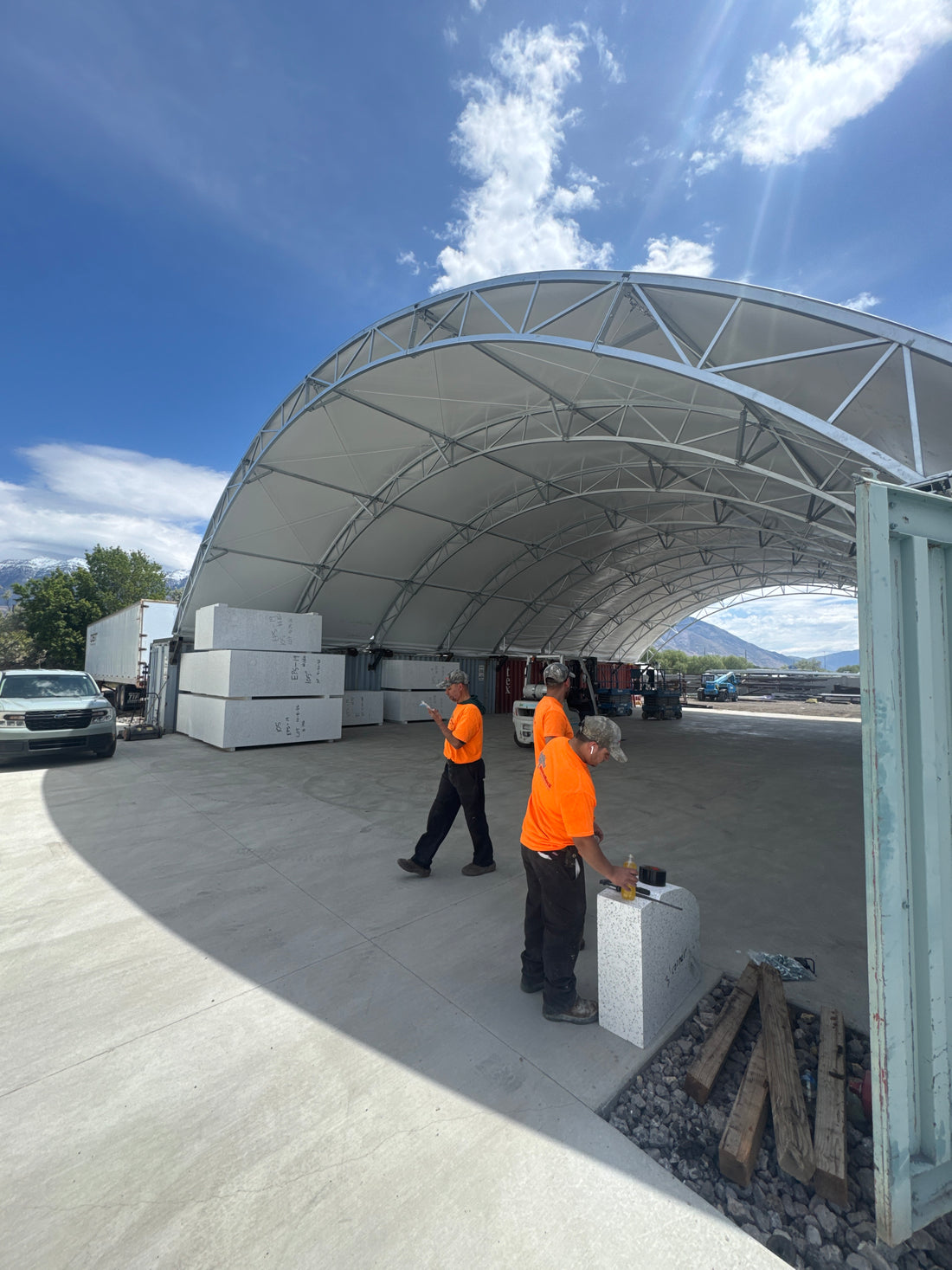
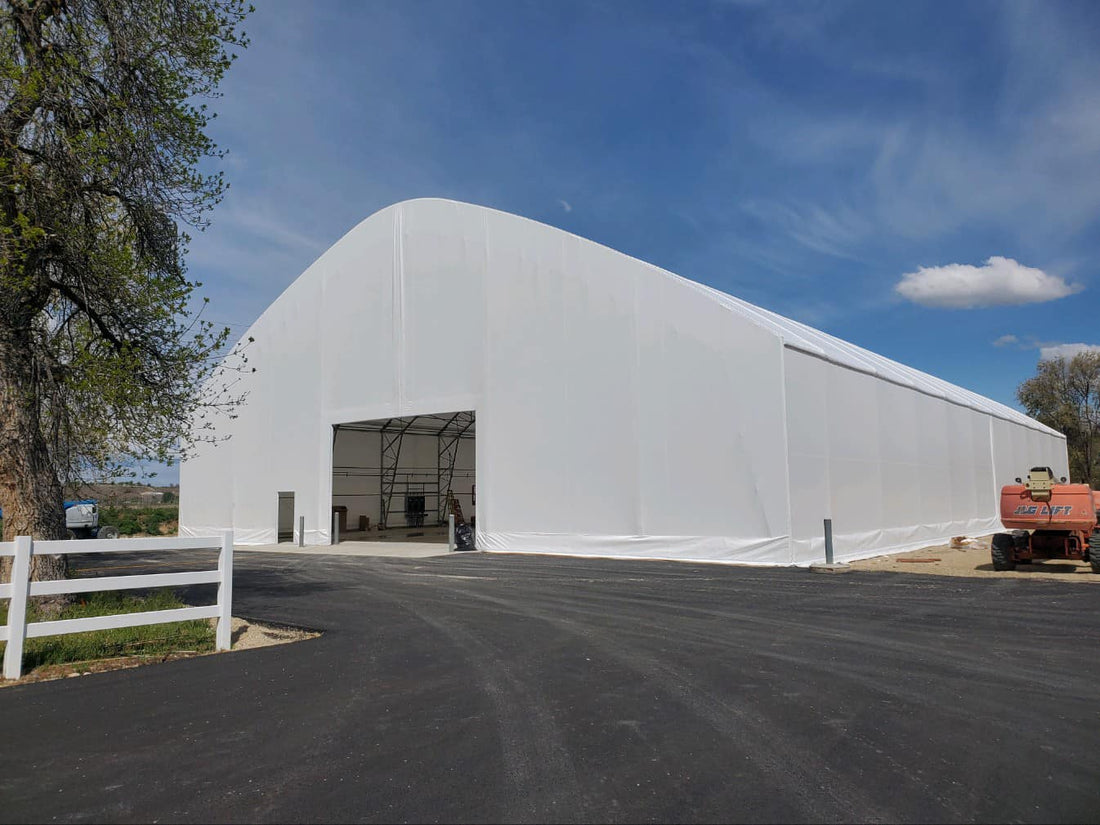
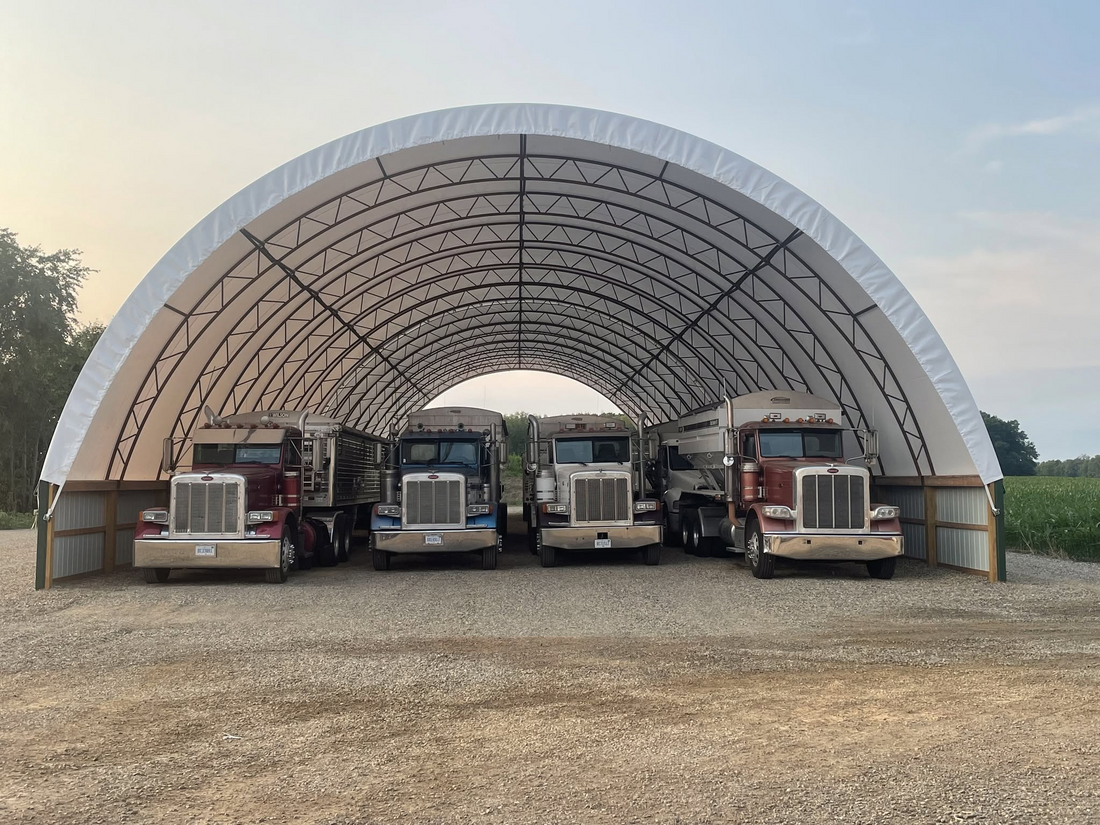
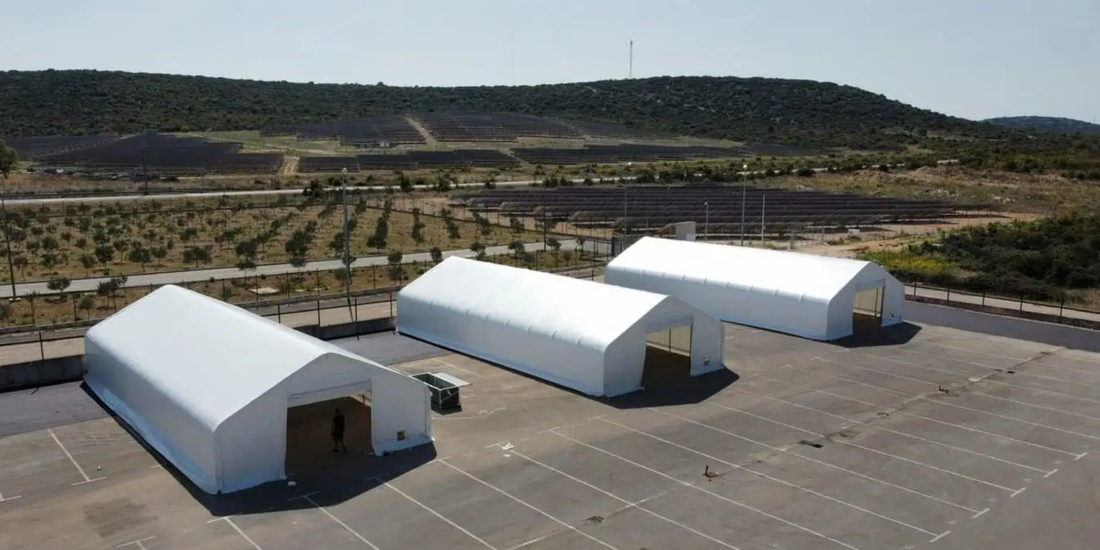
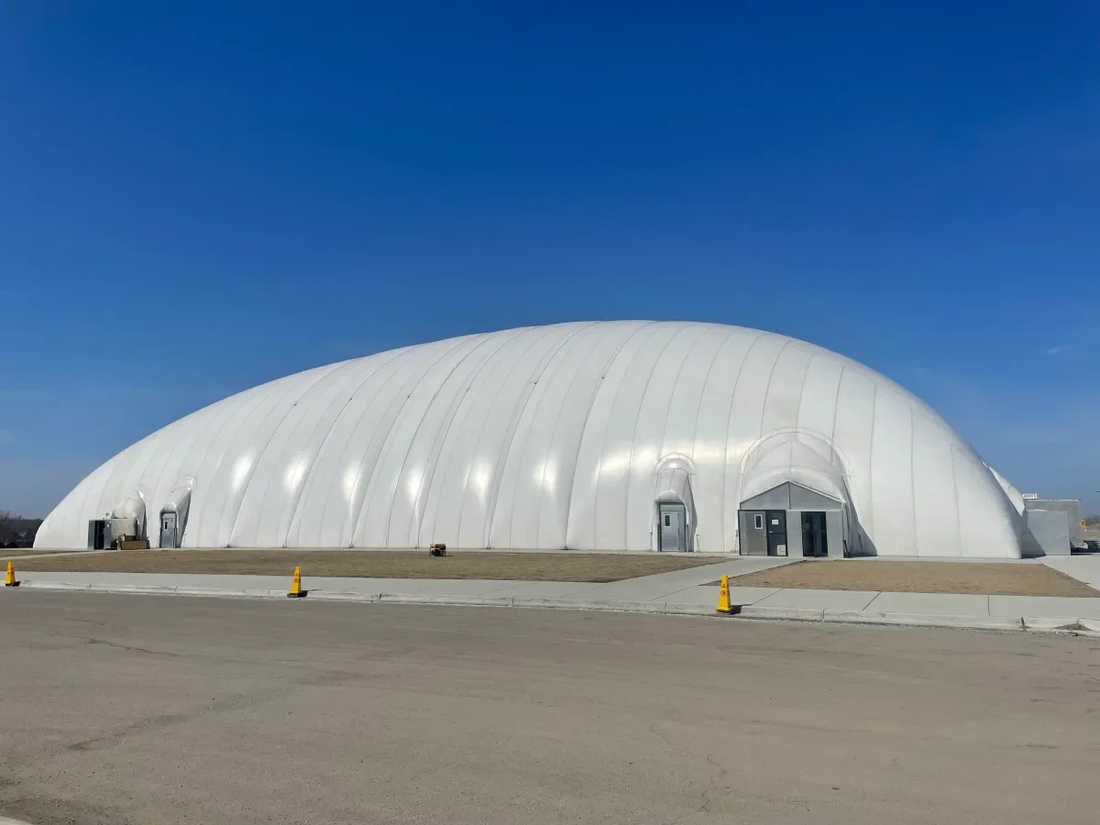
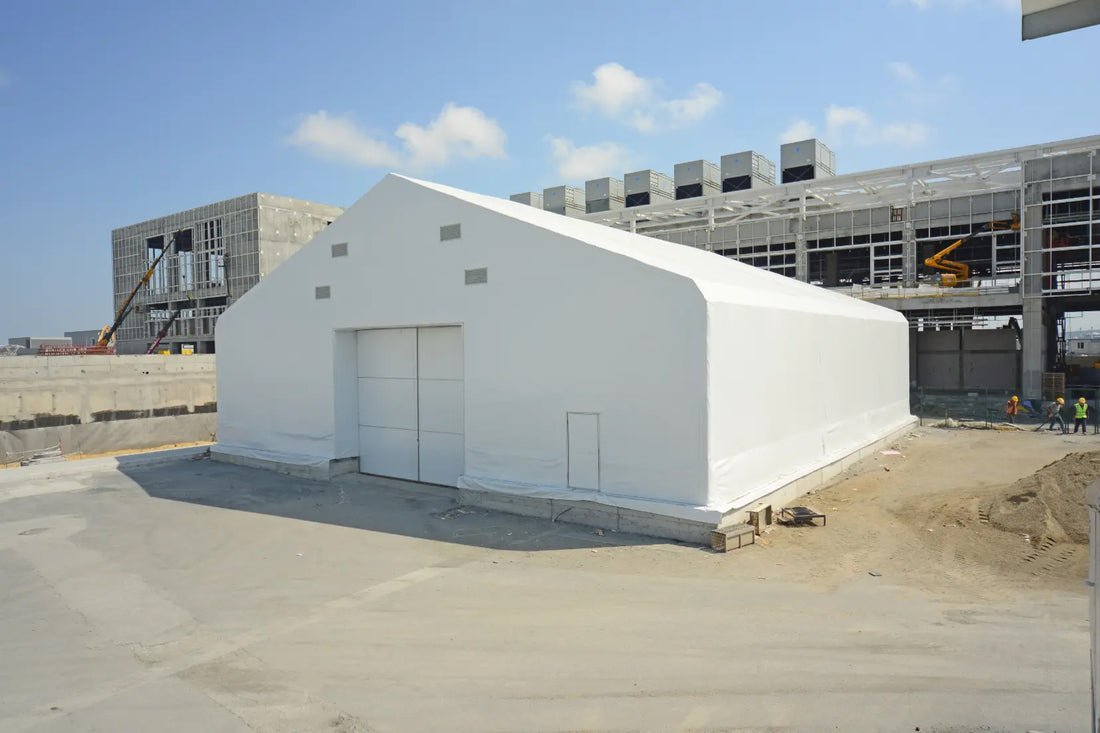
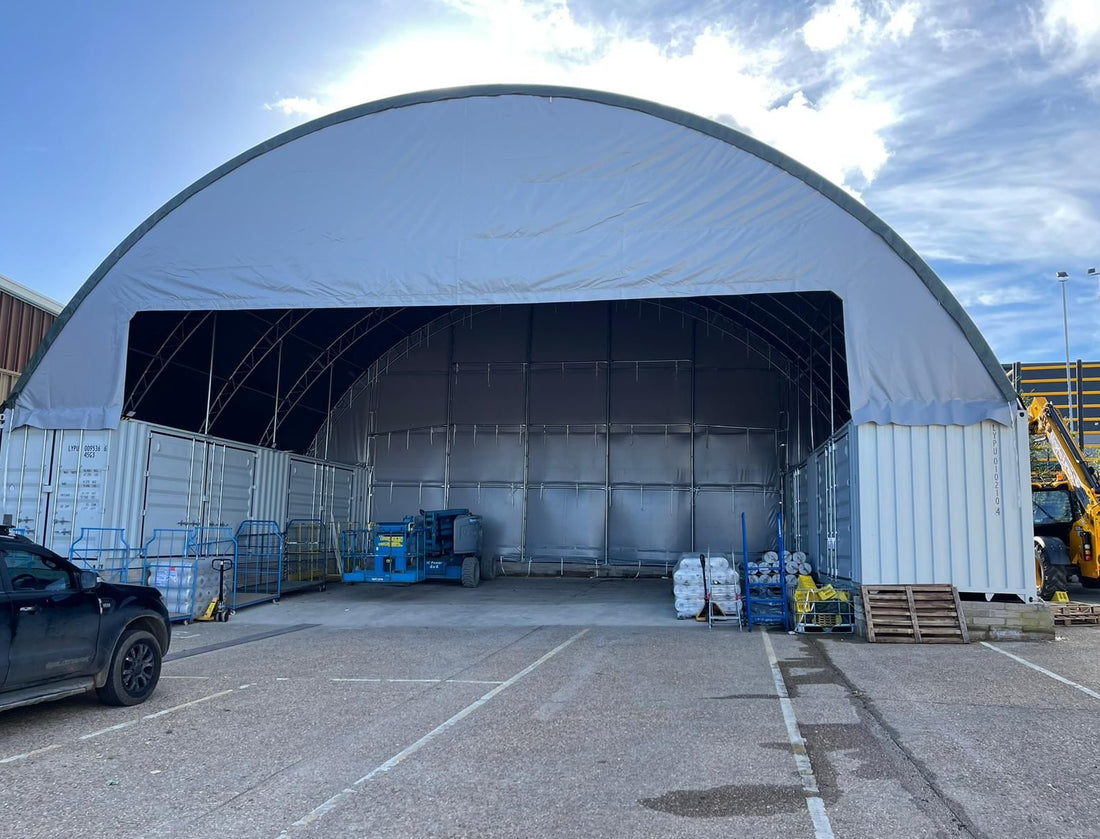
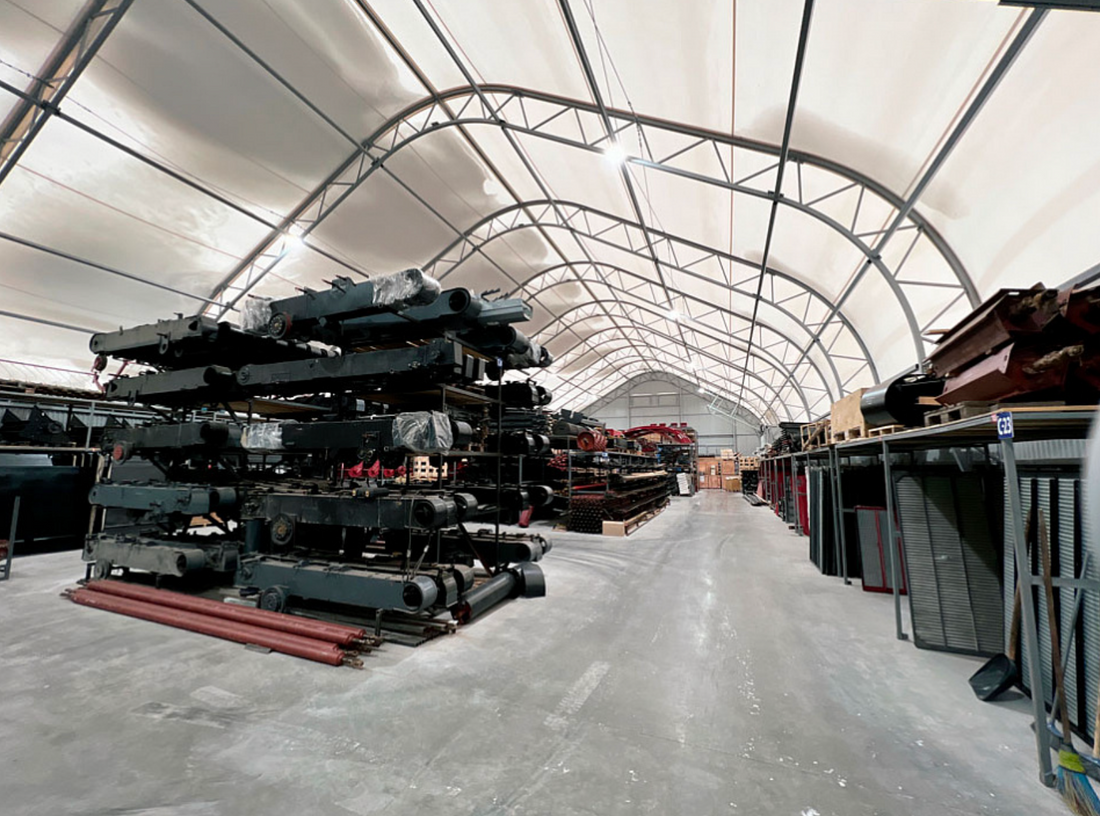
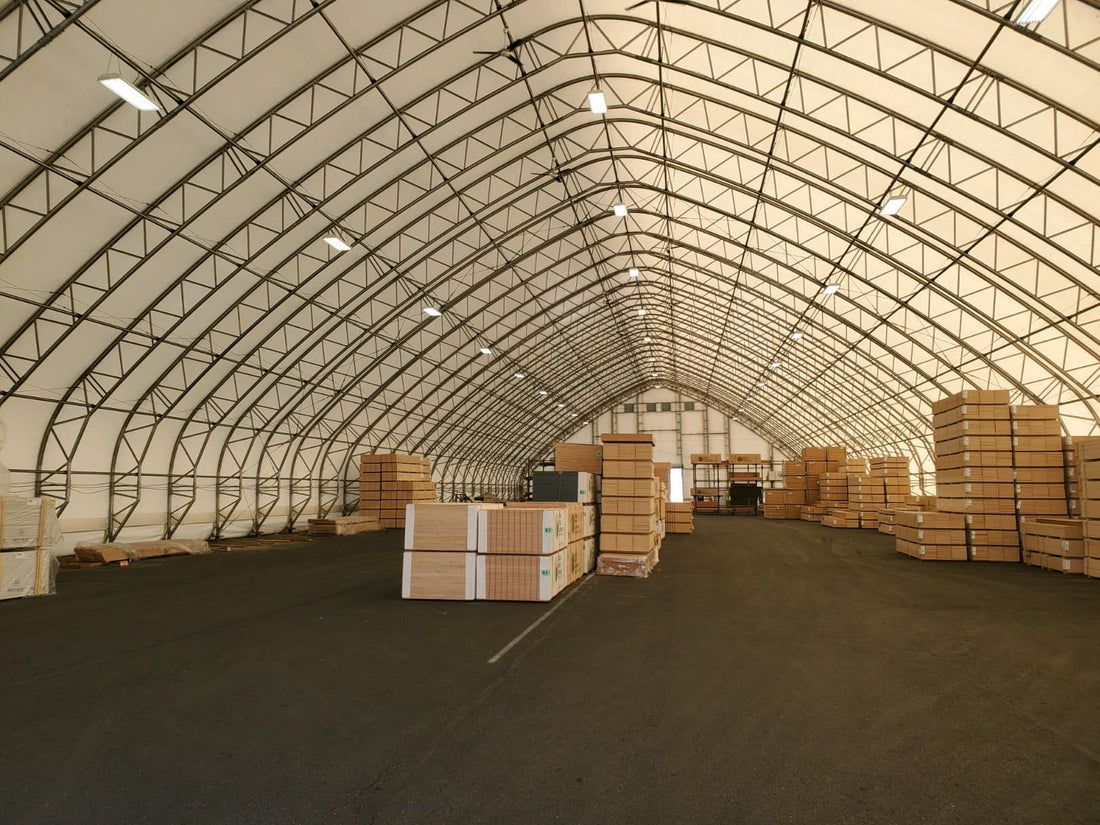
Sheltirx™ field warehousing and storage buildings provide covered space for spare parts, packaged supplies, maintenance inventory, tools and project materials. We configure each building around inventory volume, handling equipment, access requirements and the flow of goods through the facility.

Covered Storage
for Field Inventory

Field projects need materials available when work requires them. When existing warehouse space is limited or far from the work area, a dedicated storage building can keep essential supplies organized closer to where they are used. The facility may support incoming deliveries, spare-parts storage, inventory control and dispatch to different work teams.

The layout should reflect what the operation stores and how inventory moves. Packaged components require different storage arrangements from palletized goods, long materials or heavy equipment parts. Establish the building’s primary role before deciding its dimensions, openings and internal layout.

Plan Receiving,
Inspection and Put-Away

A warehouse needs enough room to receive goods before they move into their assigned storage positions. Consider delivery vehicle size, unloading methods, pallet-handling equipment, and the space needed to check incoming items. If deliveries arrive in large batches, a designated receiving zone can prevent new stock from blocking access to existing inventory.

The process should distinguish between newly received goods, inspected stock, and items awaiting identification or approval. Components that require documentation or condition checks may need a temporary holding area before they are released for use. Keeping these activities separate from regular inventory reduces the chance of unverified items being issued to a work team.

Organize Inventory
for Faster Retrieval

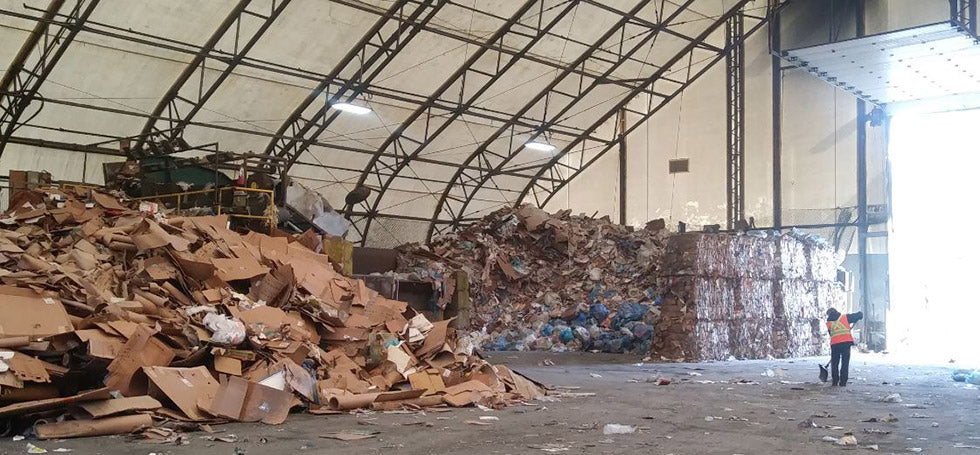
Storage capacity depends on more than the amount of floor space available. The size, weight, handling method and retrieval frequency of stored items influence how the interior should be organized. Frequently used components may need to remain near picking or dispatch areas, while reserve inventory can occupy less immediately accessible positions.

Assign storage locations according to the inventory system used by the operation. Labels, shelf identification and designated positions can help staff find the correct item without searching across the building. Heavy components may require floor-level storage or suitable handling equipment, while smaller parts may need shelving, bins or cabinets.

Allow sufficient clearance around stored goods for inspection, counting and removal. Filling every available area with inventory can reduce usable capacity if staff cannot safely reach materials or move them without shifting other stock. 

Match Storage 
Conditions to the Materials

Not every item requires the same storage environment. Packaged supplies, metal components, electrical equipment, lubricants and maintenance consumables can have different requirements for moisture exposure, temperature, ventilation and handling. Identify these needs before selecting the building configuration or interior systems.

A covered structure reduces direct exposure to rain, sun and wind, but it does not automatically provide humidity control or prevent condensation. Materials sensitive to temperature or moisture may need suitable packaging, dedicated cabinets, insulation or environmental-control systems. Any special requirements should follow the relevant manufacturer guidance and site procedures.

Configure Access and the
Building Around Daily Operations

The most useful field warehouse is one that matches its actual delivery, storage and dispatch cycle. Consider how frequently supplies arrive, how many teams collect materials, and whether goods leave in small batches or larger shipments. These patterns affect the location of receiving areas, storage positions and dispatch openings.

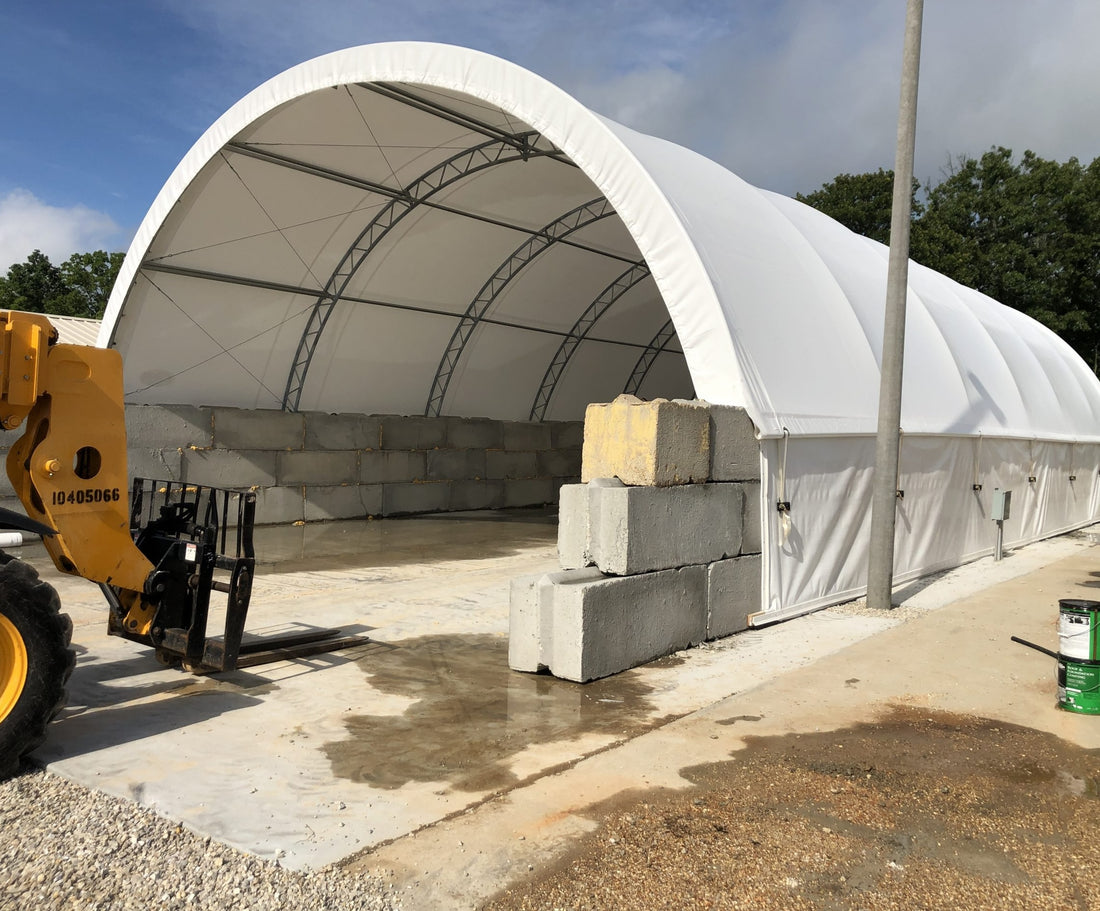
The building should also accommodate the site’s physical conditions. Sheltirx™ structures can be configured around required dimensions, access openings and the intended storage arrangement. Engineering should account for applicable wind and snow loads, foundations, anchoring and local building requirements.

Where the project needs insulation, lighting, ventilation or other interior systems, specify those requirements according to the materials stored and the work carried out inside. The structural package and any specialist equipment or services should be defined separately so the completed facility matches the intended use.

Plan Your Field Warehouse

Share your inventory types, storage volume, handling equipment and site requirements. Sheltirx™ can help configure a covered warehouse around your receiving, storage and dispatch needs.

Frequently Asked Questions

What is field warehousing and storage used for?

It provides covered space for spare parts, supplies, tools, components and other project inventory near the work area.

What affects the size of a field storage building?

Inventory volume, item dimensions, storage methods, handling equipment, retrieval frequency and required access space determine the layout.

Can a field warehouse accommodate forklifts and palletized goods?

Yes. The building can be configured around handling equipment, pallet positions, turning space and suitable access openings.

Does a field storage building control temperature and humidity?

Not by itself. Insulation, ventilation or dedicated environmental systems may be required for sensitive inventory.

Can a field warehouse be relocated?

Relocation may be possible depending on the building configuration, anchoring, transport requirements and conditions at the new site.

What information is needed for a field warehousing quote?

Provide inventory types, estimated volume, equipment dimensions, delivery and dispatch requirements, site conditions and any special storage needs.