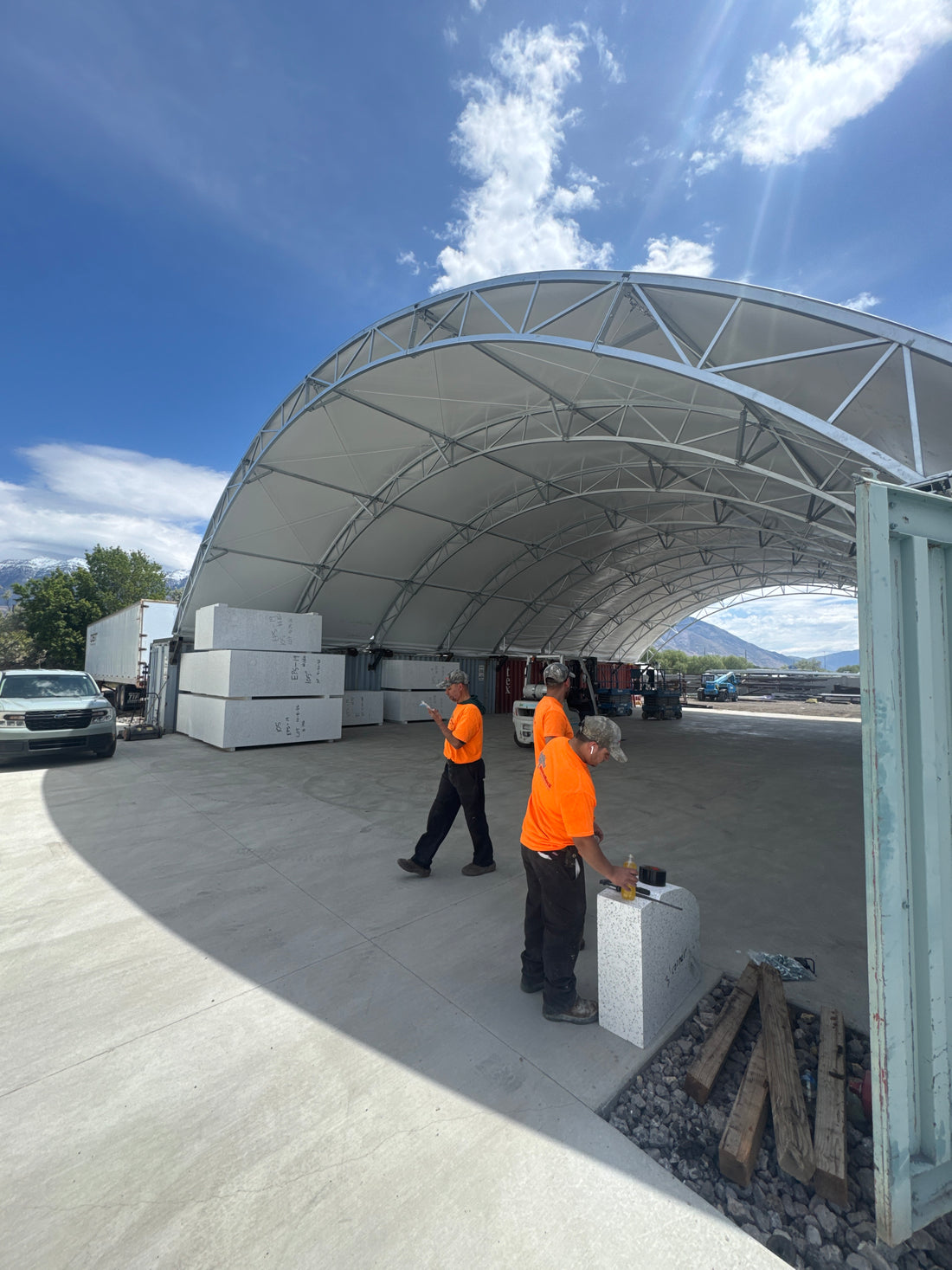
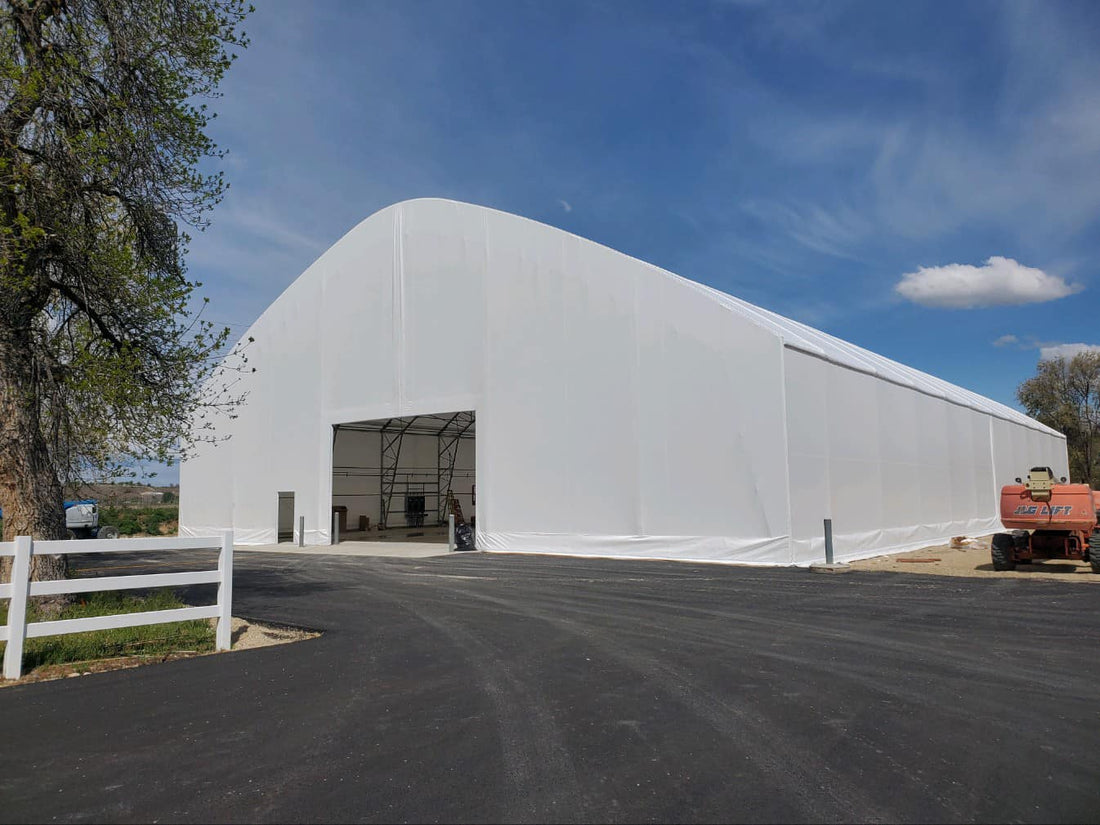
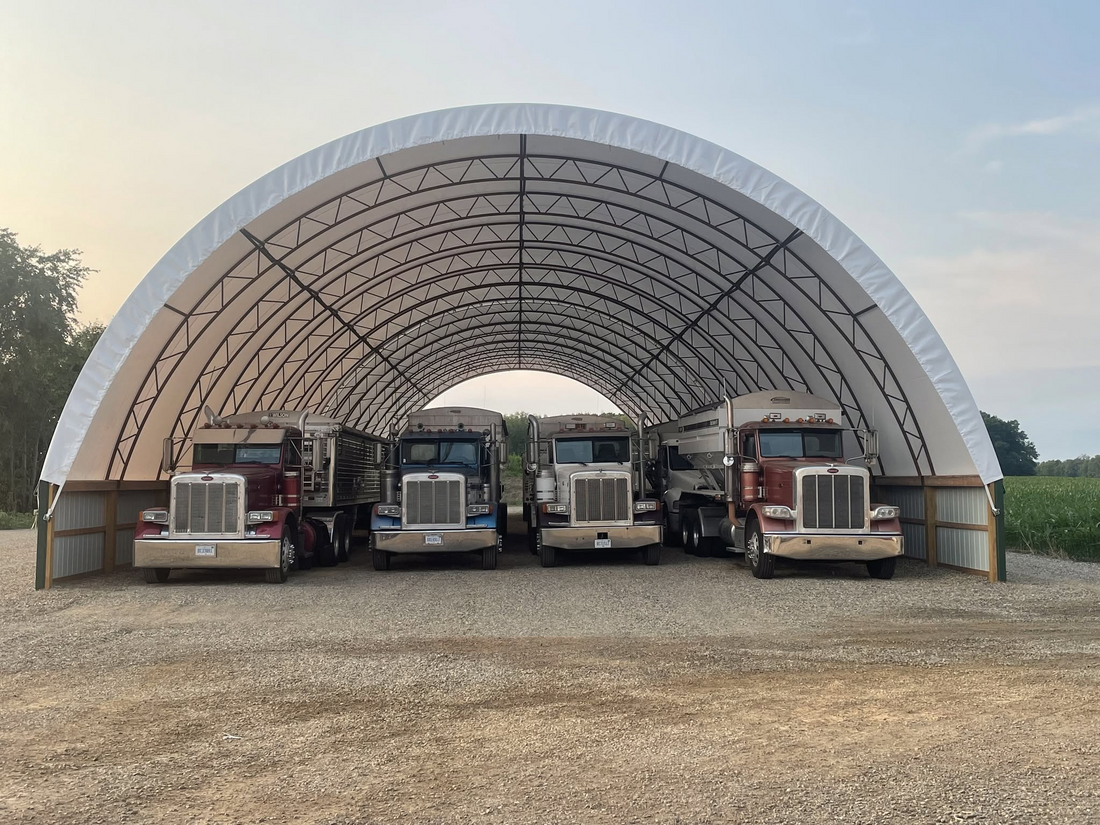

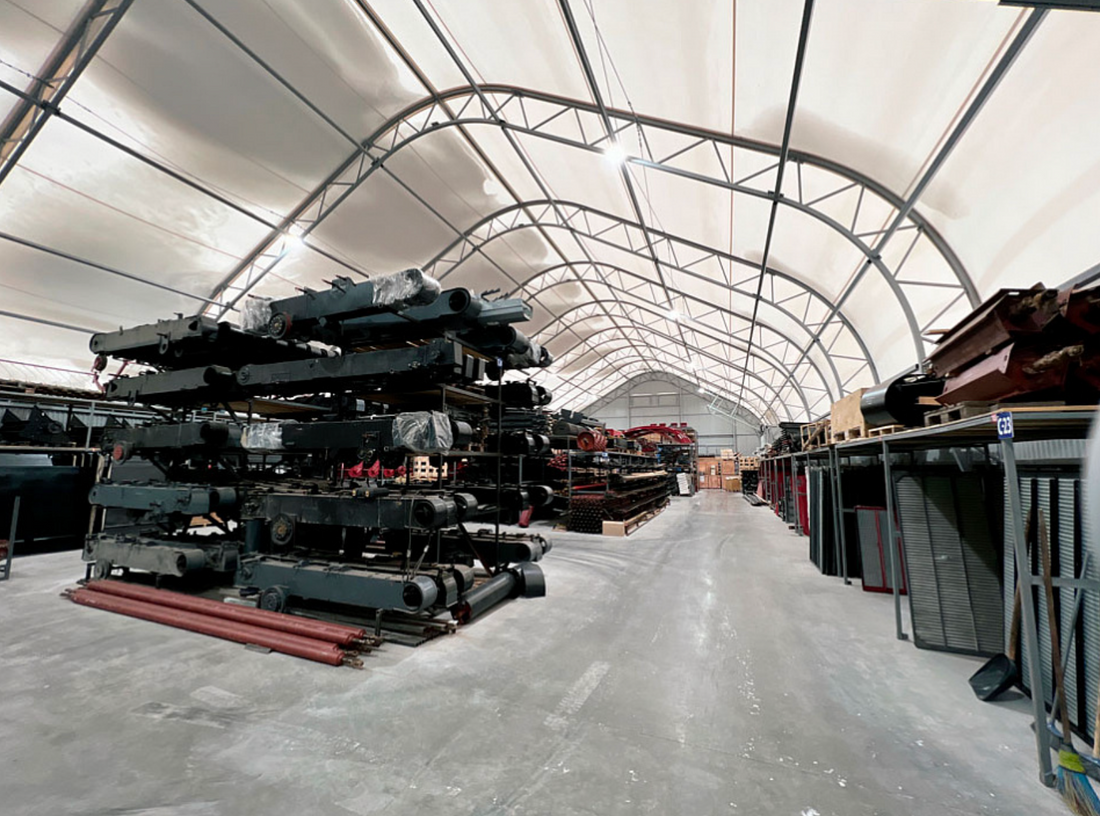

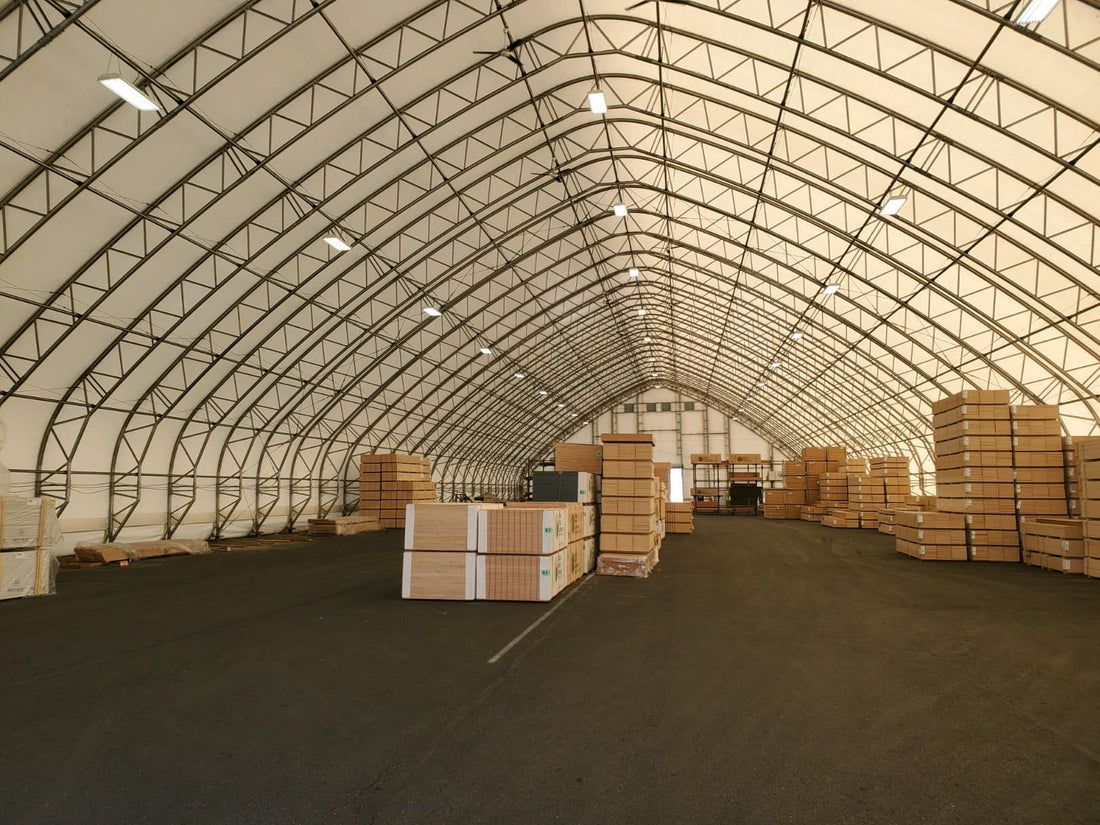

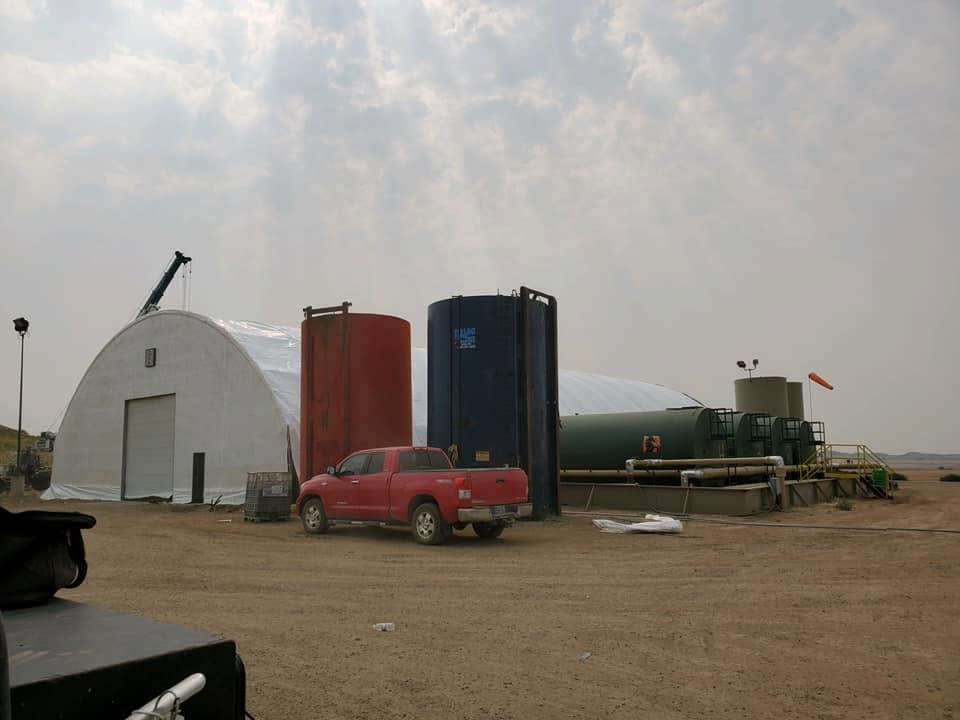


Set the layout around how people collect and return equipment. Frequently used tools and repair kits should be reachable without moving large or rarely used items. Oversized equipment needs floor positions and handling clearance, while smaller parts may require labeled shelves, bins or lockable cabinets. Keep inventory paths clear enough for carts, forklifts or service vehicles where those are used.
Account for inspection and maintenance as well as storage. Engines, pumps, winches and other mechanical equipment may need a place for checks or minor service before they are returned to use. If those tasks are performed inside, allow room for work surfaces, parts and required utilities. Equipment storage should not gradually become a general dumping area that blocks access or mixes damaged items with ready-to-use inventory.