
<p>Pipe & Material Storage</p>

Pipe & Material Storage

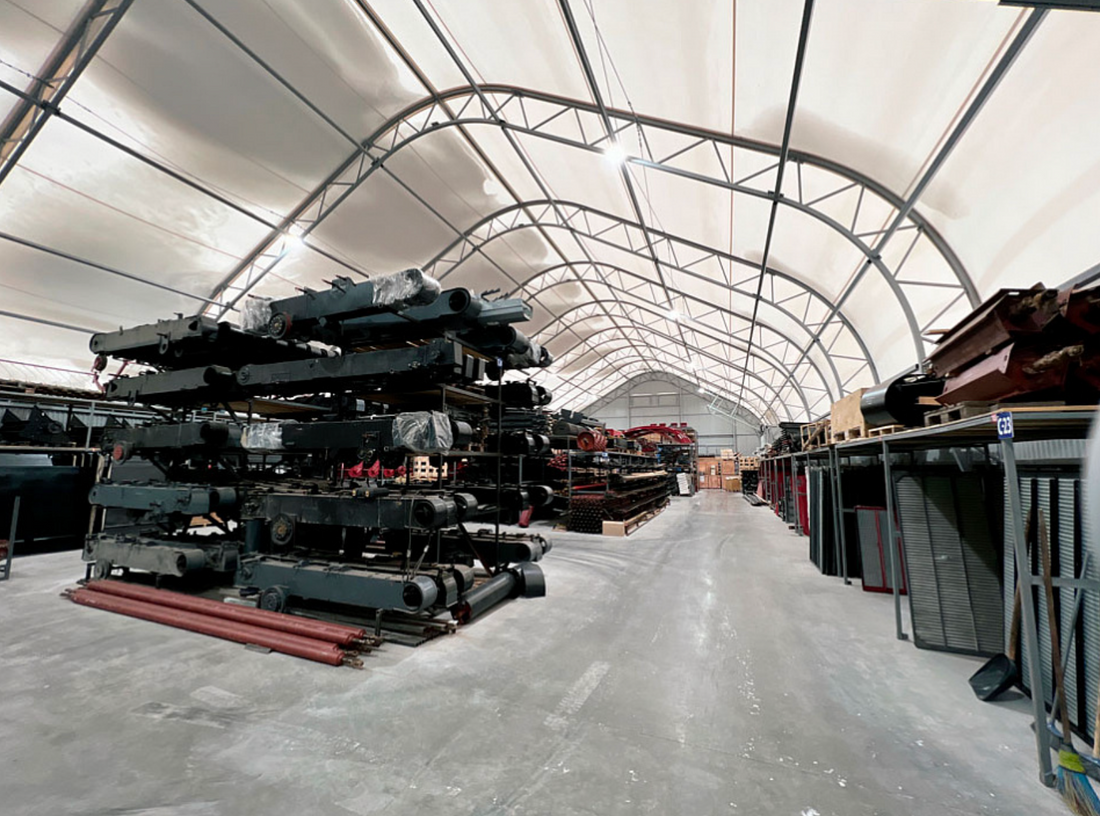
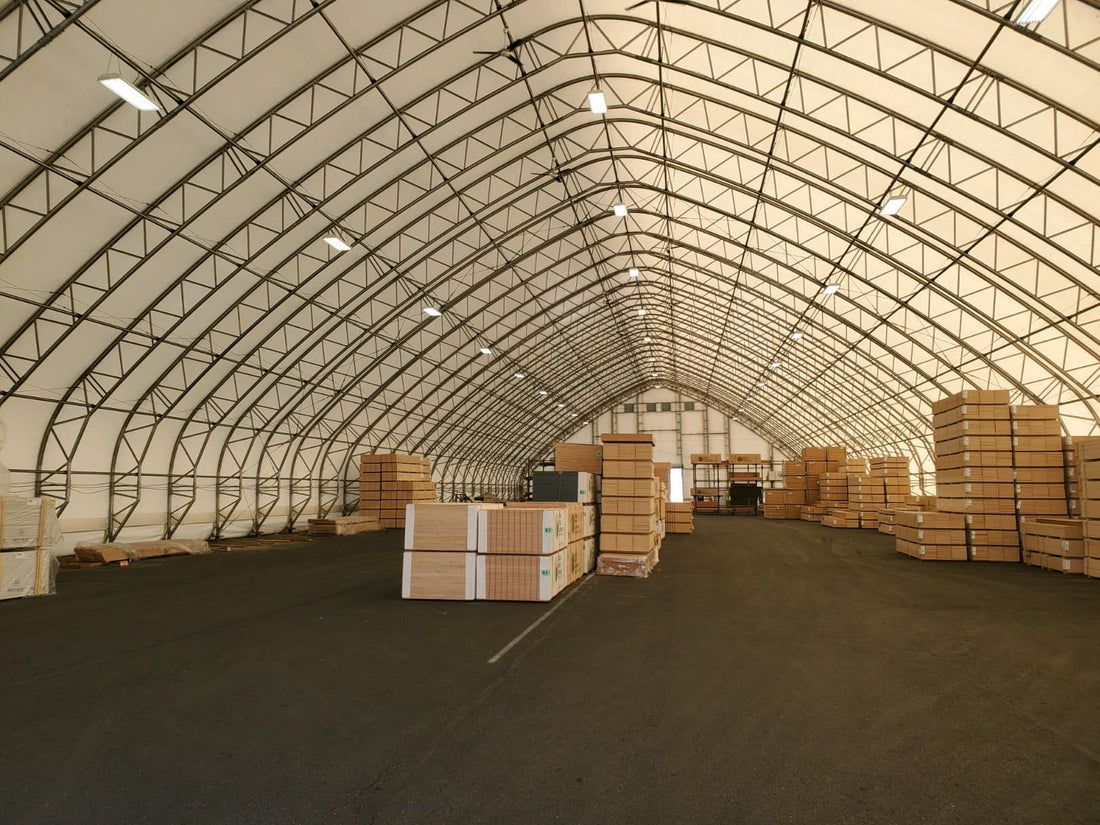
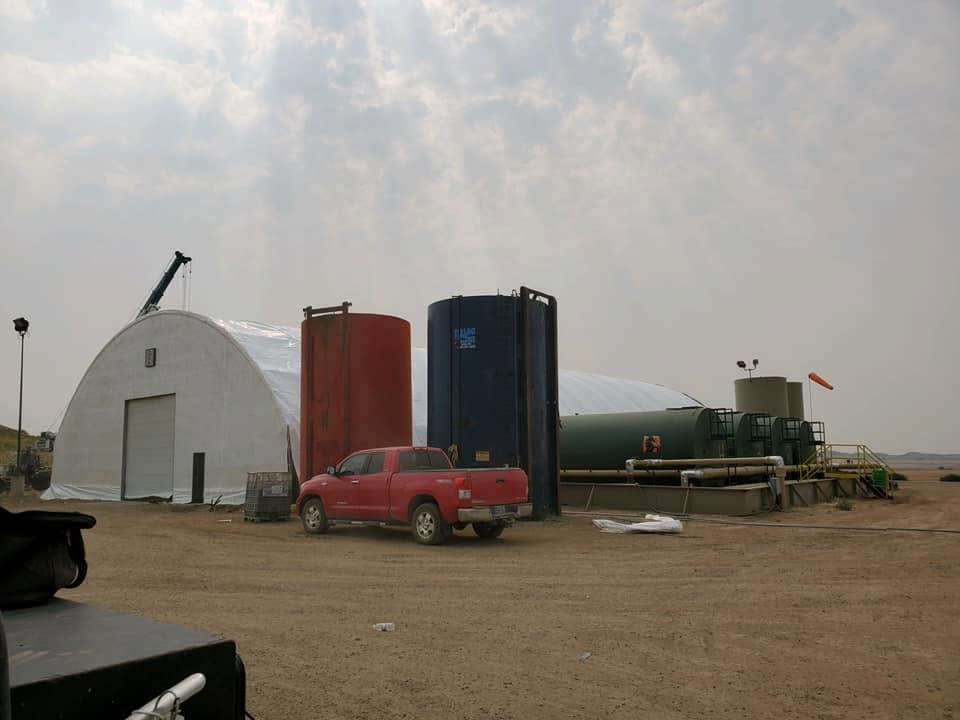
Sheltirx™ pipe and material storage buildings provide covered space for pipe sections, fittings, valves, cable reels and other oilfield supplies awaiting issue or installation. We configure the building around material lengths, handling equipment, storage supports, inventory separation and the route materials take from delivery to dispatch.

Plan Capacity Around
Material Length and Handling

Pipe storage requires more than enough square footage to hold a stated quantity. The longest sections determine usable bay length and handling requirements, while diameter, weight and bundling affect how materials are supported and moved. Fittings, valves, flanges and smaller components occupy different storage footprints and may need to remain grouped with the pipe or project package they support.

Create an inventory list with the longest and heaviest items, delivery batches, expected stock levels and handling equipment. Define where pipe will be received, inspected, placed in storage and prepared for dispatch. If the site uses forklifts, side loaders, cranes or other equipment, identify the equipment envelope and its access route before setting the building dimensions.

Choose Storage Supports
and Keep Inventory Segregated

Pipe should be stored on supports and restraints appropriate to its diameter, weight, condition and handling instructions. The building structure should not be assumed to serve as a pipe rack, and storage loads should not be transferred to the frame unless that use has been specifically engineered. The rack or dunnage design and the building design need to be coordinated but remain distinct elements.

Separate materials by size, grade, project, coating condition or inspection status where those distinctions matter. Label locations and leave room to access the intended bundle without shifting unrelated inventory. Valves, fittings, gaskets and smaller components are easier to control when they have dedicated bins or shelving rather than being mixed with long stock. Storage practices should follow supplier instructions and site handling rules. Where coating condition or traceability matters, record receipt and visible damage, and avoid placing identification marks where they become difficult to inspect after stacking.

Reduce Direct Exposure
and Protect Inspection Access

A covered structure can reduce direct rain, snow, sunlight and airborne debris reaching stored materials. That can make inventory easier to inspect and handle, but a roof does not guarantee corrosion-free storage. Condensation, humidity, salt exposure, damaged coatings and standing water can still affect metal products. Materials should be received, stored and inspected according to the supplier’s requirements and project specifications.

Plan drainage around the building and avoid locations where runoff collects under pipe bundles. Keep access to material markings, protective caps and inspection points so staff can verify condition before issue. If materials arrive wet or need particular temperature or humidity conditions, specify the necessary processes and environmental controls rather than assuming the fabric enclosure will provide them automatically.

Move Materials From
Receiving to Dispatch Efficiently

Material storage supports the field work only when crews can find and retrieve the required items without repeated restacking. A receiving zone provides room to unload and confirm quantities; a quarantine or inspection position may be required for items awaiting acceptance; a dispatch area gives crews space to assemble materials for a job. The best arrangement depends on delivery frequency, project sequence and inventory turnover. If pipe or long components are issued against work orders, reserve a position for bundles prepared for the next job. That reduces the chance of loading the wrong size or project batch and makes quantity checks easier before material leaves the yard.

Place high-turnover items where equipment can reach them quickly and keep the route to loading vehicles clear. Pipe length affects turning space and the way a bundle moves through the building. Check clearance near doors, columns or partition edges, and avoid crossing pedestrian routes where heavy material is being lifted. If the building supports more than one workfront, consider separate staging areas so one crew does not block another’s issue process.

Engineer the Storage
Building for the Site

Building design should reflect pipe length, opening dimensions, applicable wind and snow loads, foundations, anchoring and local requirements. Site access for delivery trailers and handling equipment should be reviewed along with the interior footprint. Ground surface, drainage and the location of any outdoor stockpile can affect how materials are moved into and out of the building.

Sheltirx™ buildings use hot-dip galvanized steel framing and can be configured with clear-span space and openings suited to the material flow. Storage racks, lifting systems and other equipment must be specified for their own loads and approvals. 

Ready to Design
Your Storage Solution?

Provide your material dimensions, inventory volume, handling equipment, and site details to receive a customized storage building configuration.

Frequently Asked Questions

What materials can be stored in an oilfield pipe storage building?

The layout can support pipe sections, tubulars, valves, fittings, cable reels and other project materials, subject to their dimensions and storage requirements.

How should pipe storage capacity be calculated?

Consider pipe length, diameter, weight, bundle size, support spacing, handling equipment and access needed to retrieve each bundle.

Can storage racks be included in the building design?

Rack locations can be coordinated with the layout, but racks and their loads require separate specification and engineering where applicable.

Does a covered pipe storage building prevent corrosion?

No. Cover reduces direct weather exposure, but condensation, humidity, salt and coating damage still require suitable storage and inspection practices.

Can trucks unload long pipe inside the building?

The design can account for vehicle and material access where there is sufficient approach space, door clearance and handling capacity.

What information is needed for a pipe storage quote?

Provide material dimensions and weights, inventory volume, handling equipment, storage supports, site conditions and delivery requirements.