
<p>Winter Boat Storage</p>

Winter Boat Storage

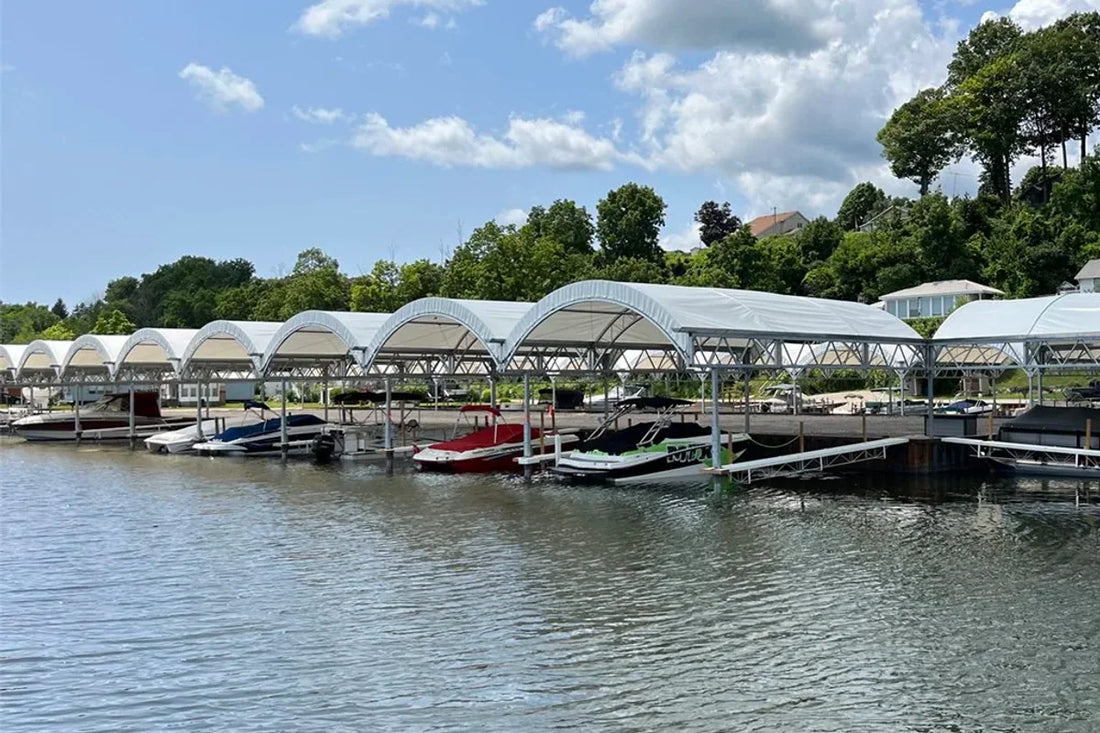
Sheltirx™ winter boat storage buildings provide covered space for vessels during the off-season. We plan the layout around seasonal intake, winter preparation, storage access and the conditions the structure must be engineered to handle at the site. 

Seasonal Storage for
Boats Between Active Periods

Winter storage has a different operating rhythm from everyday boat storage. A facility may receive many boats in a short autumn window, hold most of them for months and then prepare them for return to service in spring. Capacity therefore depends on both the number of vessels and the time available to move them through intake, preparation, placement and retrieval.

Before selecting a layout, estimate the seasonal peak rather than the average number of boats on site. Determine whether owners, staff or service contractors need access during storage and whether vessels will be retrieved in a planned sequence.

Design the Intake and 
Winterization Workflow

Create a clear route from arrival to inspection, preparation and final storage position. Incoming boats may need space for documentation, checking visible condition, removing loose gear, fitting covers or carrying out owner-approved winterization work. If those activities take place inside the building, they need designated work areas so arrivals do not block the storage aisles.

Winterization is a vessel-maintenance process, not a feature provided by the building. Draining or protecting systems, handling fuel, disconnecting batteries and preparing engines should follow the boat and equipment manufacturers’ instructions and the marina’s procedures. If contractors need power, lighting, ventilation or service access while preparing boats, include those requirements in the layout and building-system scope.

Consider Moisture,
Ventilation and Stored Materials

Cold-weather storage does not automatically mean that the interior stays dry or at a constant temperature. Boats can enter with moisture on hulls, covers and equipment, and temperature changes can contribute to condensation. Ventilation and any additional environmental-control equipment should be assessed for the climate, enclosure and materials being stored.

Make a separate plan for batteries, fuel, oils, cleaning products and other materials that may be restricted by fire code, environmental rules or manufacturer guidance. Do not assume that a general storage building is approved for flammable liquids or hazardous substances. If any system needs temperature protection, reliable power or dedicated ventilation, identify it early so the building and site services can be coordinated.

Account for Snow,
Wind and Seasonal Access

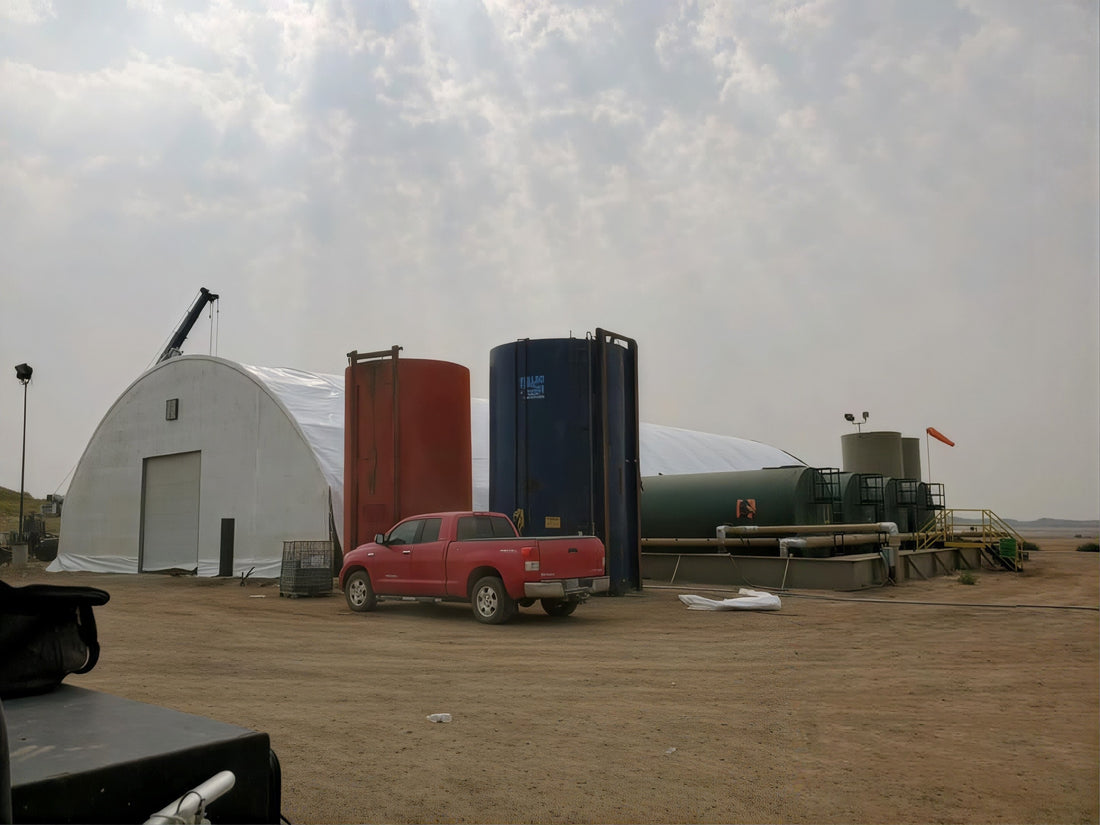
Winter storage buildings should be designed for the site’s applicable winter conditions. The design brief should include local snow and wind loads, opening sizes, structure dimensions, foundation and anchoring requirements, and access for service vehicles. Door locations need to work when snow removal or seasonal traffic reduces the space available outside.

Keep a practical route for placing and retrieving boats even if most vessels remain untouched for months. Leave space for moving covers, inspection equipment and maintenance supplies, and avoid filling all circulation areas with overflow inventory. A building can provide weather cover, but the yard still needs a plan for snow clearance, drainage, safe access and maintenance during the closed season.

Plan who is responsible for checking the building and stored vessels during the off-season, how access is arranged after a snow event and which doors must remain usable. If the site has restricted winter staffing, inspection access and maintenance routines should be simple enough to follow without moving large amounts of stored inventory.

Prepare for Spring
Retrieval and Recommissioning

The return-to-water period can create another surge of activity. Boats may need inspection, cleaning, accessory installation or service before leaving storage. A layout that separates stored vessels from preparation and dispatch areas can reduce the amount of repositioning required as spring appointments build up. If the same building is expected to serve as a spring work area, reserve space for it before the storage season begins.

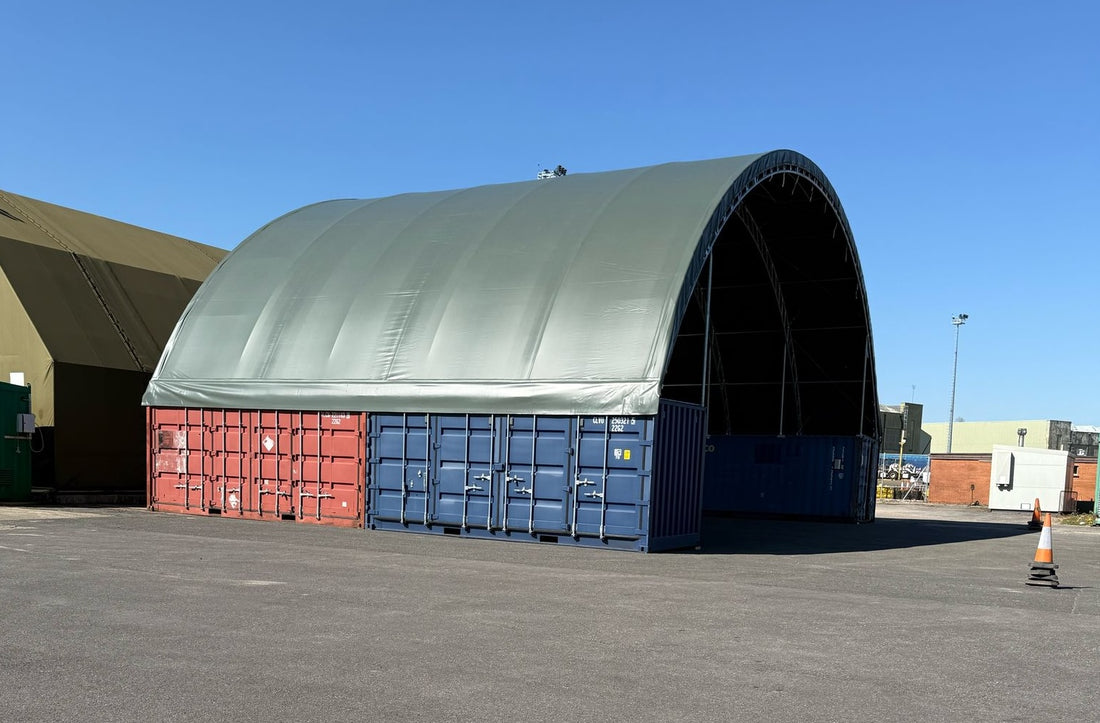
Sheltirx™ structures use hot-dip galvanized steel framing and can be engineered around the location, openings, foundations, anchoring and applicable local requirements. Published guarantees include 20 years for the structure, 10 years for the fabric and 5 years for spare parts, subject to configuration and terms. Share the peak storage count, vessel sizes, preparation activities and likely retrieval schedule to define a useful seasonal building.

Get Ready for the
Winter Storage Season

Tell us how many boats you store at the seasonal peak, their dimensions, how they are prepared and retrieved, and your site location. We can use these details to shape the covered storage plan.

Frequently Asked Questions

What is a winter boat storage building used for?

It provides covered space for boats kept out of service during the colder or off-season months.

How is winter boat storage different from regular boat storage?

Winter storage planning focuses on seasonal intake, winterization access, long-duration storage and spring retrieval.

Does covered winter storage winterize a boat?

No. Winterization is a separate maintenance process that should follow the vessel and equipment manufacturers’ instructions.

Can a winter boat storage building stay warm?

Heating and insulation may be considered, but temperature control is not automatic and must be specified for the project.

How should a winter storage building be planned for snow?

The structure, openings, foundations and anchoring should be engineered for applicable local snow and wind loads.

What information is needed for seasonal storage planning?

Provide the peak vessel count, dimensions, handling method, preparation tasks, storage period and installation location.