
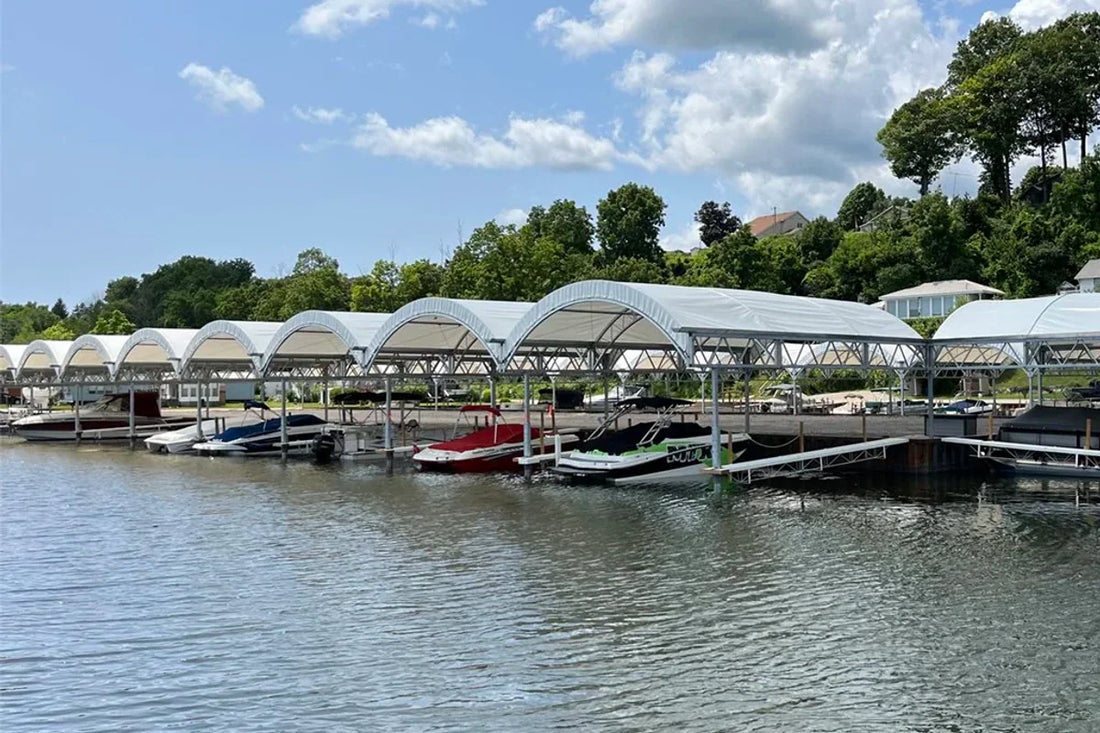
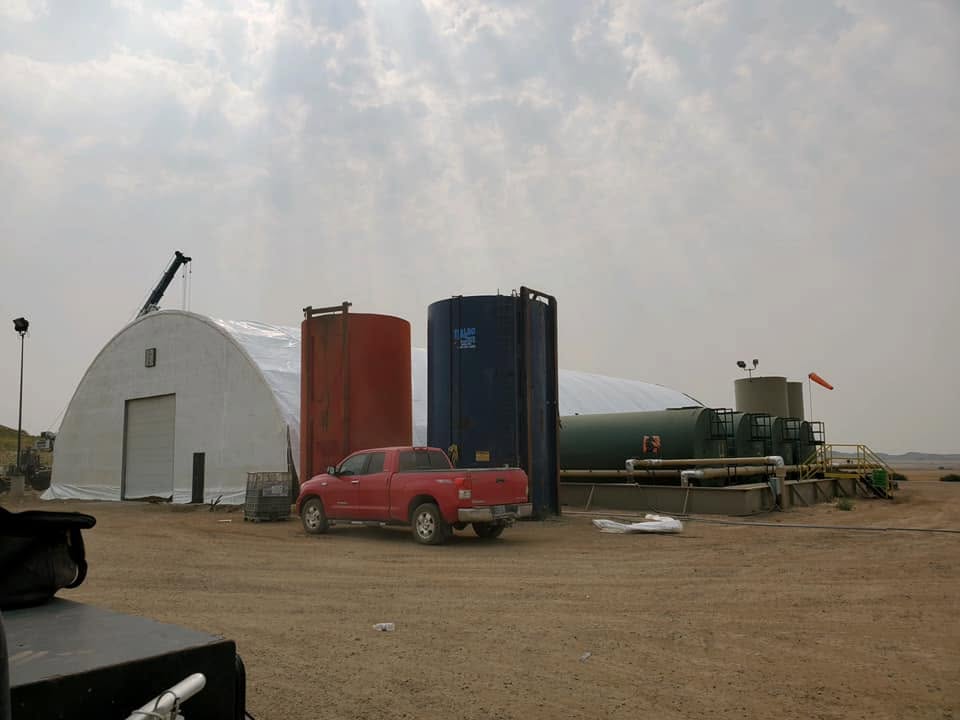

Objective
Give equipment owners, contractors, and yard managers a practical breakdown of shipping container covers, what separates a good one from a flimsy one, and what to check before buying, while grounding the piece in what Sheltirx actually builds and ships.
Key Takeaways
1. Shipping container covers turn two ISO containers into an instant sheltered bay, protecting equipment without pouring a slab or erecting a permanent building.
2. A storage container canopy needs galvanized steel framing and UV-stable fabric to hold up outdoors year-round, not just for a season.
3. Container covers install in days once components are onsite, far faster than a steel building or warehouse addition.
5. The right container cover depends on span, wind and snow load in your region, and how the space gets used day to day.
A contractor in West Texas called us last summer with a problem most yard managers know well. Equipment sitting outside was baking in direct sun half the year and getting rained on the other half. A permanent steel building was quoted at four months out and well past budget. He needed cover now, not next quarter.
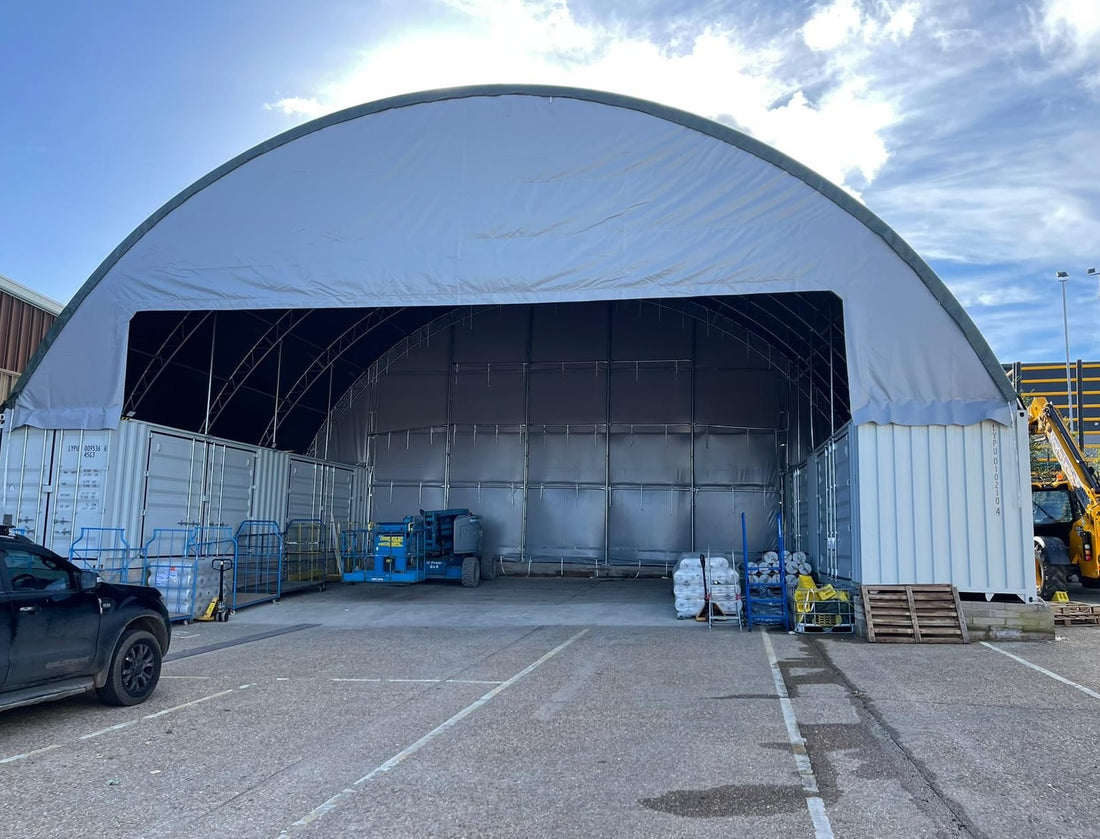
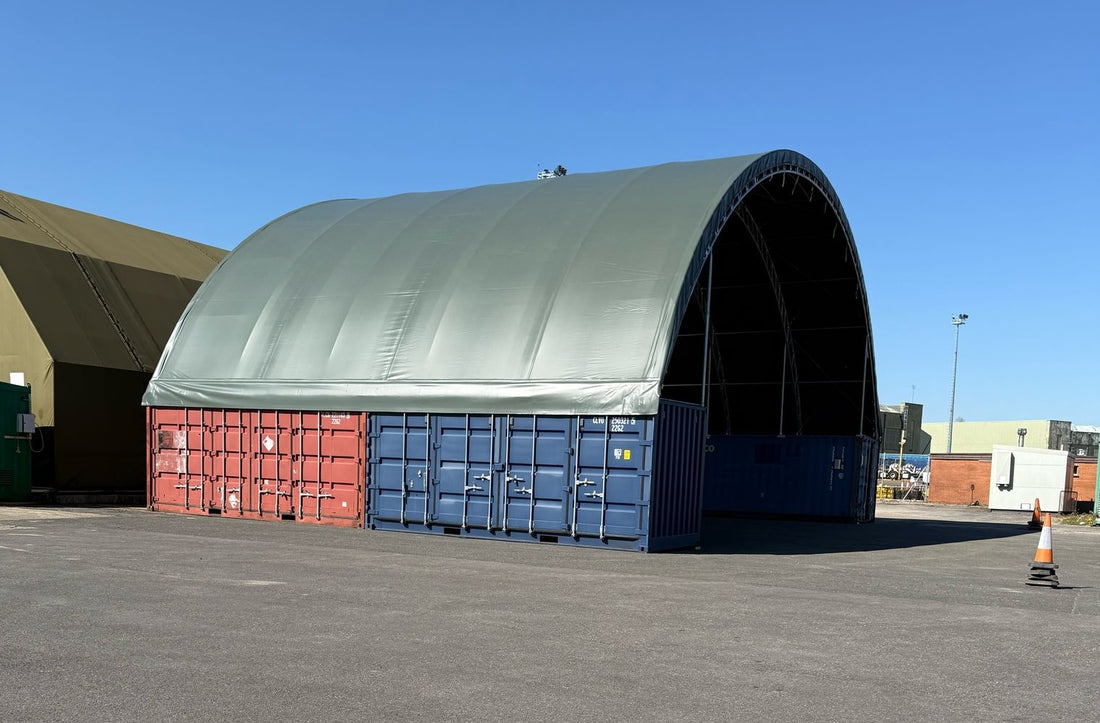
That's the exact gap shipping container covers fill. Two containers already sitting in the yard become the support structure. A fabric roof spans between them. No slab, no months-long permit fight, no six-figure steel build.
Most people don't realize how much equipment damage comes down to exposure, not use. UV breaks down seals and plastics. Standing water finds every weak point in a machine's housing. A container cover stops both without the timeline of a real building.
TL;DR: Shipping container covers use two existing ISO containers as support structures for a fabric roof, creating instant sheltered space for equipment, materials, or vehicles. A proper storage container canopy needs galvanized steel framing and UV-stable, fire-rated fabric to perform long term. Sheltirx stocks common sizes from 20x20ft to 60x80ft, installable in days once onsite.
What Are Shipping Container Covers?
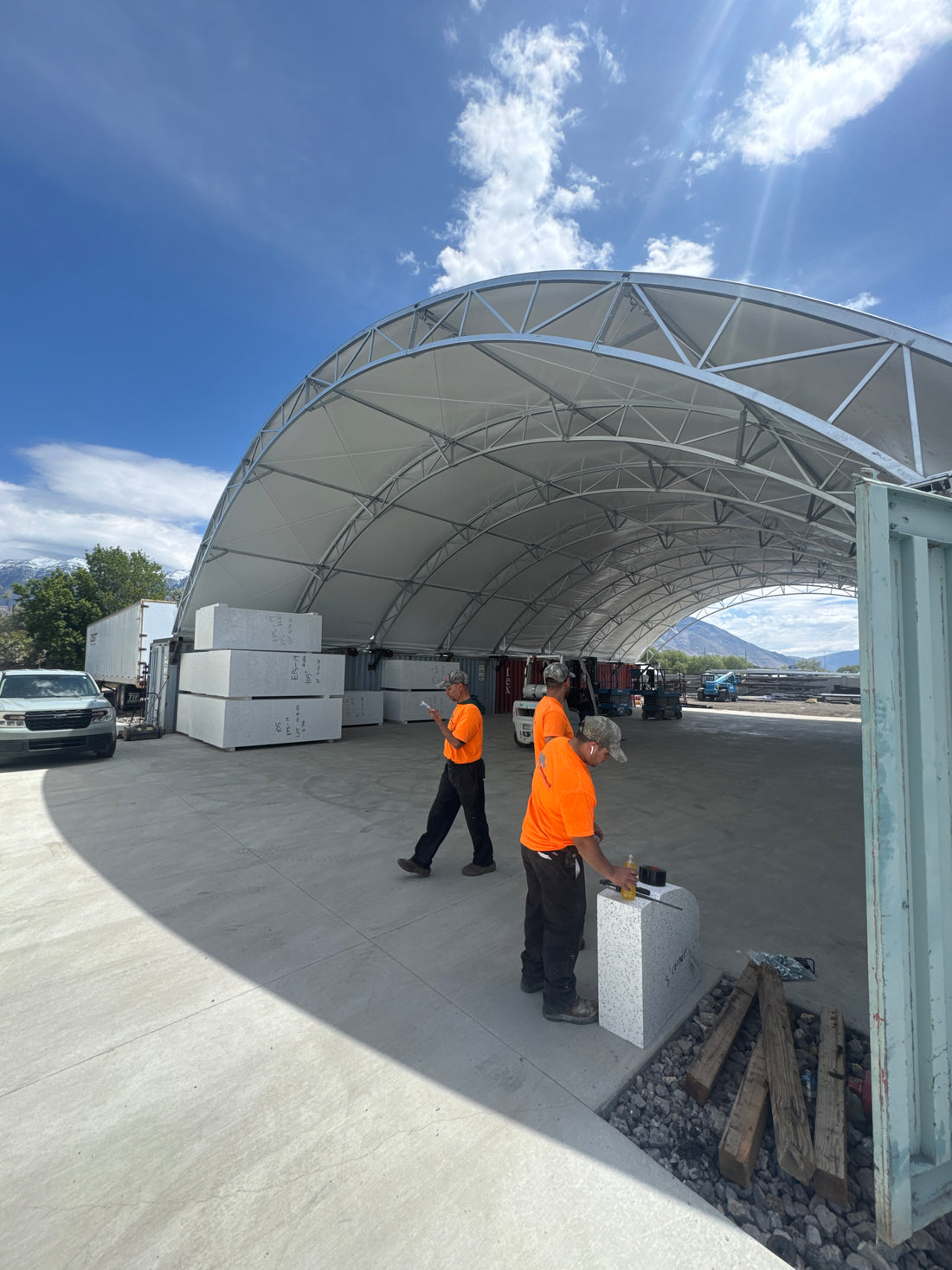
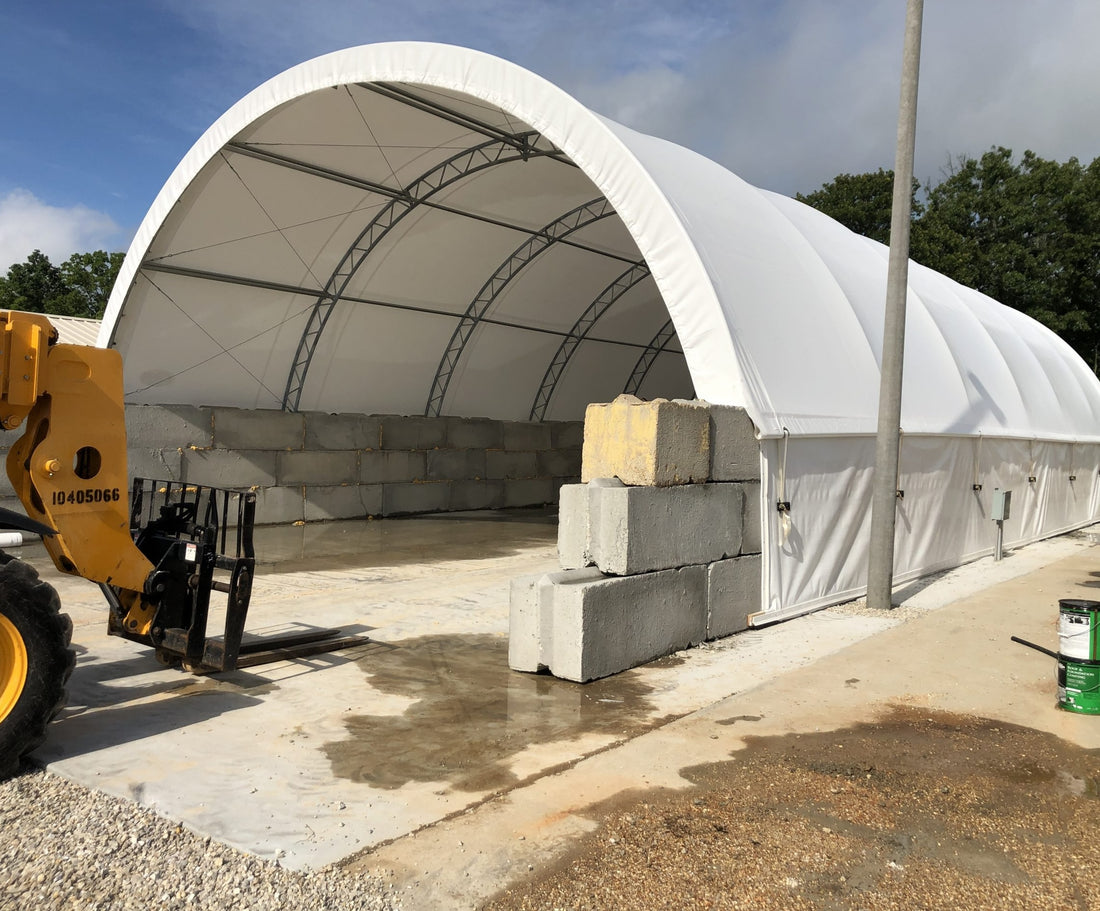
A shipping container cover is a fabric roof structure that spans between two containers, using them as the primary support instead of building separate posts or foundations. The containers do double duty: storage below, structural support above.
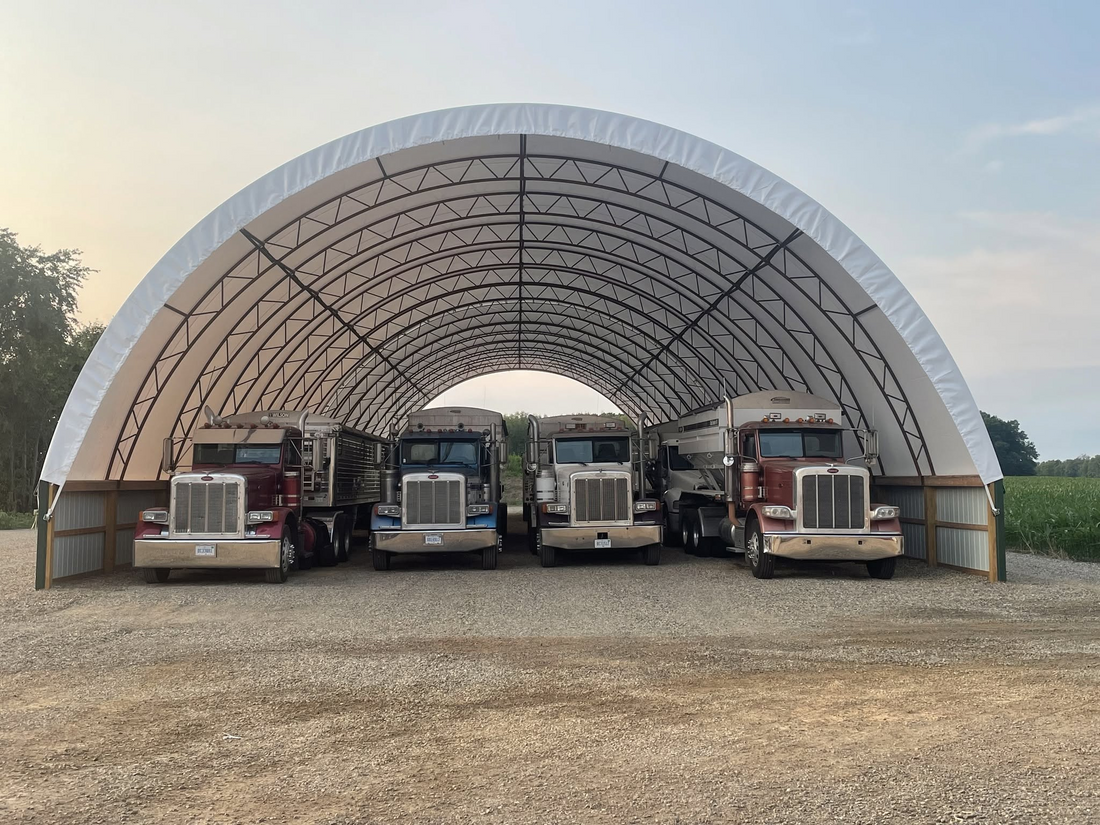
This is different from a tarp thrown over containers or a basic pop-up canopy. A real container cover is engineered, with a steel frame anchored to the container tops and tensioned fabric designed to shed wind and snow load, not just block direct sun.
What a proper container cover setup includes:
1. Hot-dip galvanized steel roof trusses, single or double depending on span
2. Heavy-duty PVC, PVDF, or PTFE fabric, UV-stable and often fire-rated
3. Anchoring hardware that ties the frame to the container corner castings
4. Engineering documentation matching local wind and snow load codes
Sheltirx builds these as SkyShield container canopies, sized from a 20x20ft bay up through 60x80ft, with the frame and fabric spec'd to IBC standards or local code, whichever applies to the site.
How Do Container Covers Actually Work?
The engineering is simpler than it looks. Two containers, spaced to your target width, act as anchor points. Steel trusses span between them, and tensioned fabric stretches over the frame to form the roof.
Because the containers already exist onsite in most cases, there's no foundation work required. That's the entire appeal. A contractor with containers already parked in the yard can have cover installed in days rather than waiting on concrete cure time or steel fabrication for a full building.
The fabric itself matters more than people expect going in. Standard poly tarps degrade within a season or two of full sun exposure. The PVC and PVDF fabrics used in a proper storage container canopy are built to hold tension and resist UV breakdown for years, not months.
What Equipment and Sites Use Container Covers Most?
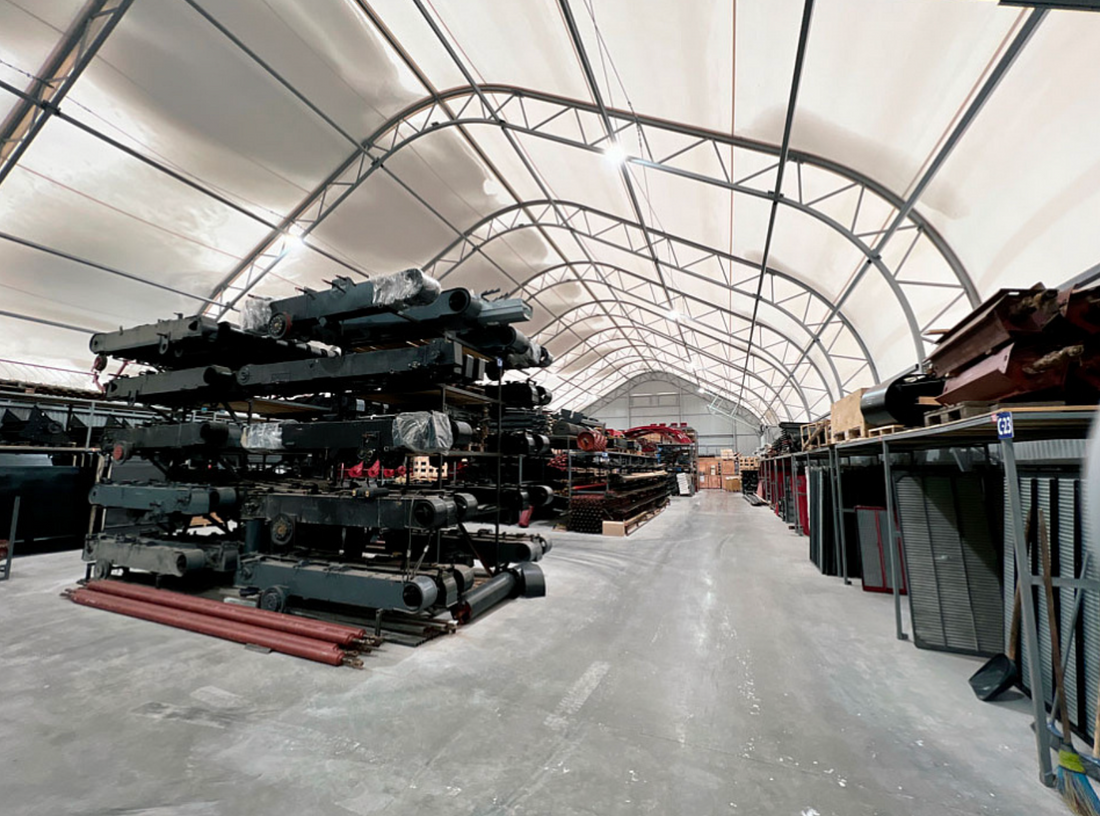
Container covers show up most in industries where equipment sits outside year-round and downtime from weather damage can disrupt operations. The use case is almost always the same: protect something expensive from sun and rain without building a permanent structure around it.
Common applications:
1. Construction sites covering excavators, generators, and loading zones between phases
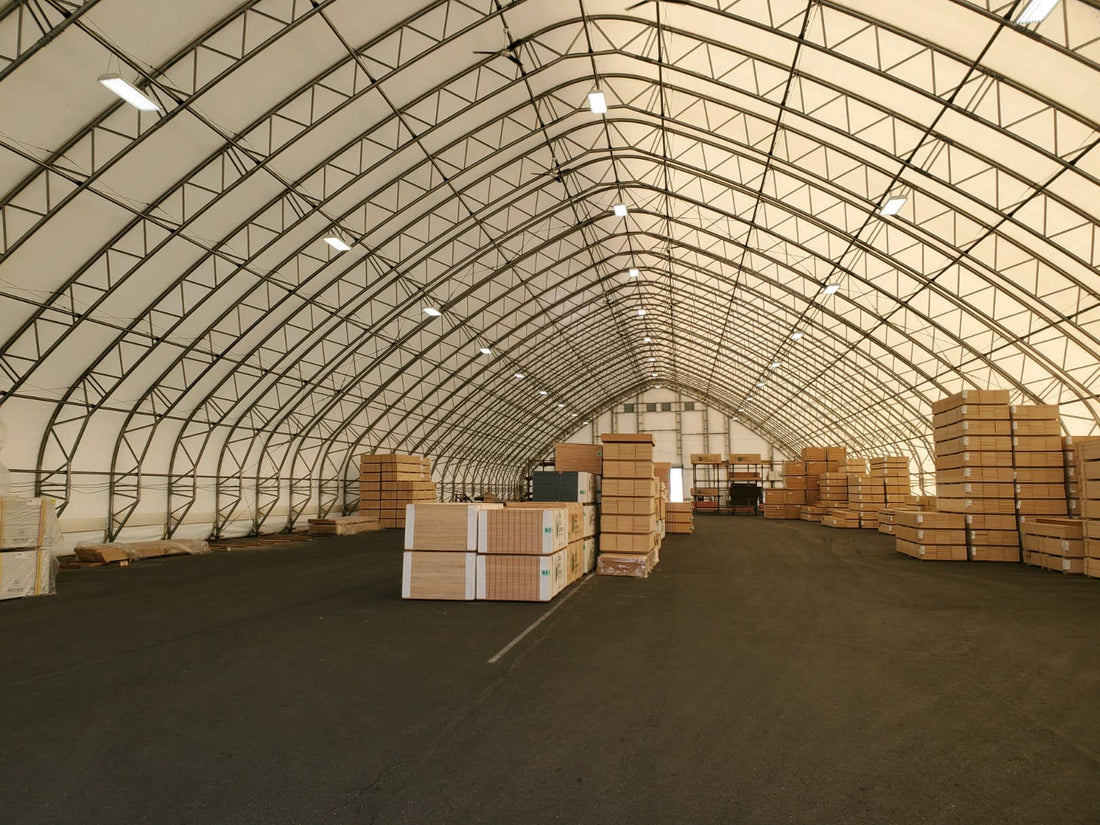
2. Logistics and distribution yards protecting palletized materials at a loading dock
3. Aggregates and quarrying operations sheltering conveyor equipment and stockpiled materials
4. Utilities and energy sites covering transformers, tooling, or temporary work compounds
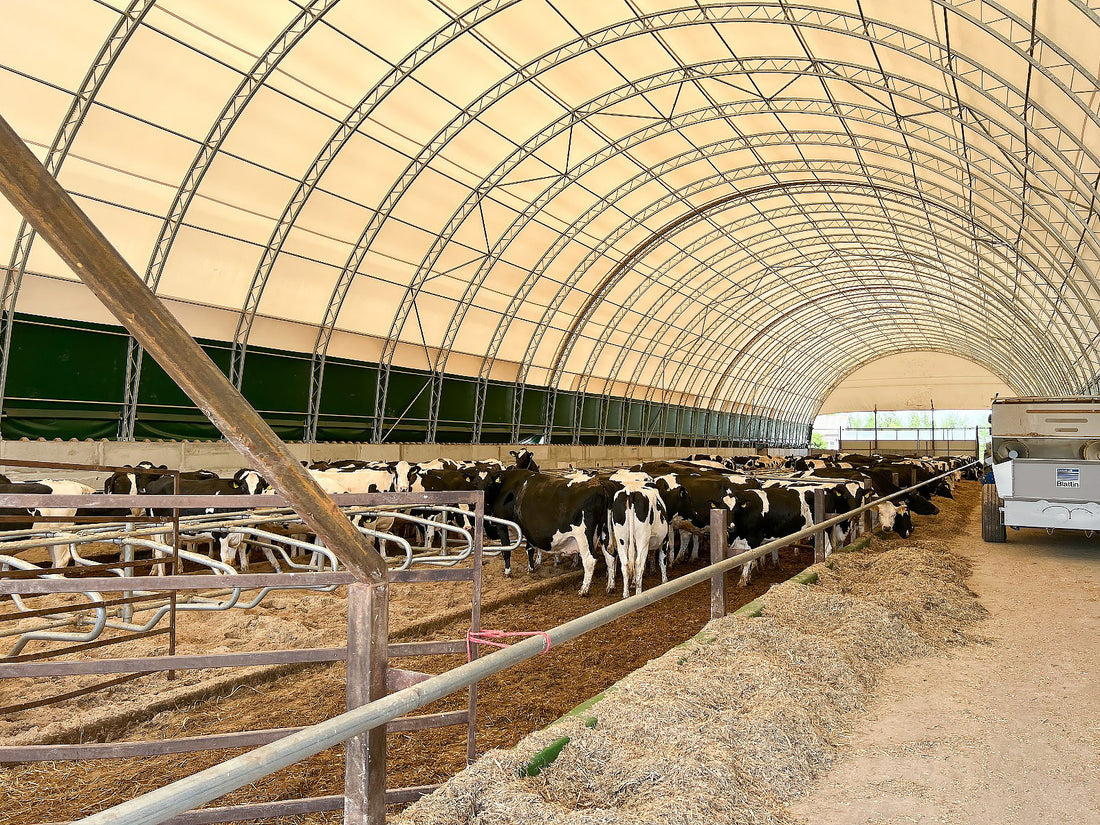
5. Agriculture and ranching operations needing seasonal cover for machinery without a barn build
6. Government and defense sites requiring rapid deployable cover for vehicles or equipment
Shipping container covers work particularly well for sites that already run ISO containers for storage. Instead of adding a separate structure, the containers already onsite become part of the shelter itself.
What Should You Look For Before Buying a Container Cover?
Frame material and fabric spec decide whether a container cover lasts five years or falls apart after one bad windstorm. Price alone tells you very little about either.
Checklist before you buy:
1. Steel frame coating. Hot-dip galvanized steel resists rust and corrosion far longer than painted or powder-coated frames, especially in coastal or high-humidity sites.
2. Fabric type and rating. Confirm UV stability and whether fire-rated fabric options are available if your site requires it.
3. Wind and snow load engineering. A cover rated for your specific region matters more than a generic spec sheet. Sheltirx engineers each structure to area-specific loads in line with local codes or IBC.
4. Span width against your container spacing. Measure the actual gap between your containers before ordering, not an estimate.
5. Permit requirements. Many jurisdictions treat these as temporary structures, but some still require a permit, engineering letter, or site plan.
6. Lead time. Stocked sizes ship faster than custom builds. Confirm what's actually in stock versus what requires fabrication.
Skipping the engineering documentation is the most common mistake we see. A cover that isn't rated for your region's wind load might hold up fine for a year and then fail in the first serious storm.
Container Cover vs Storage Tent: Which One Do You Need?
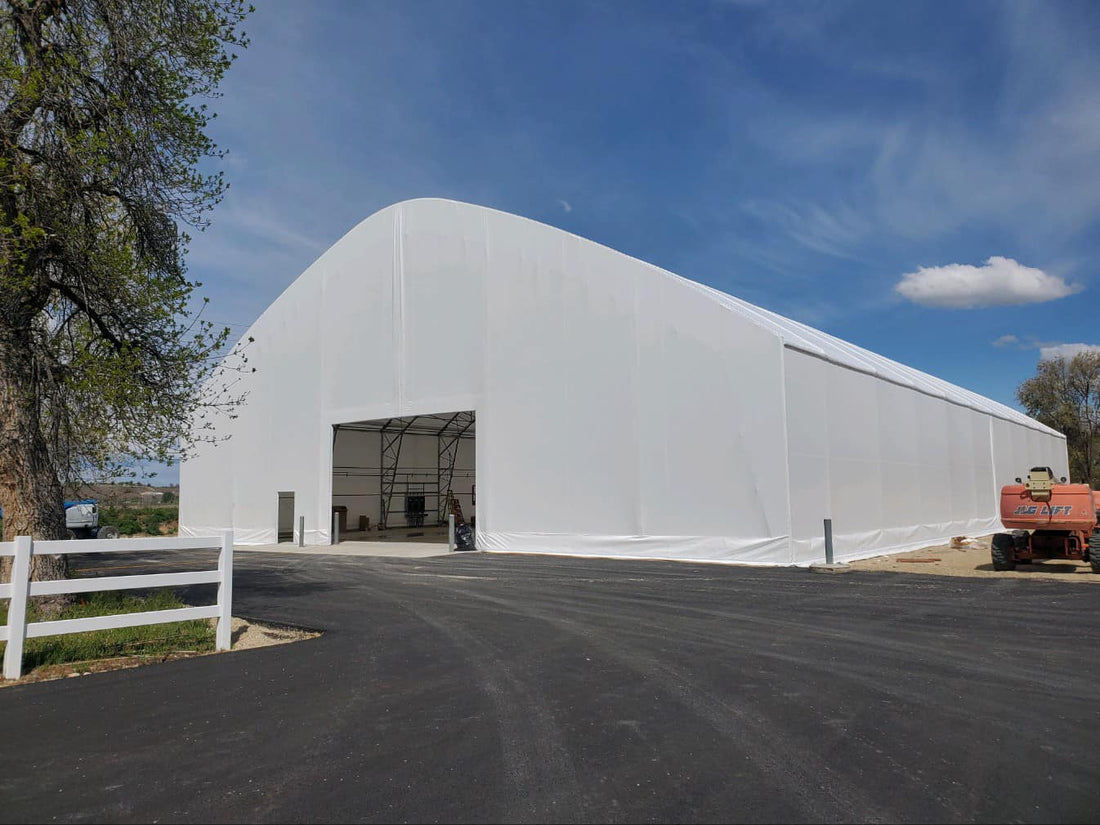
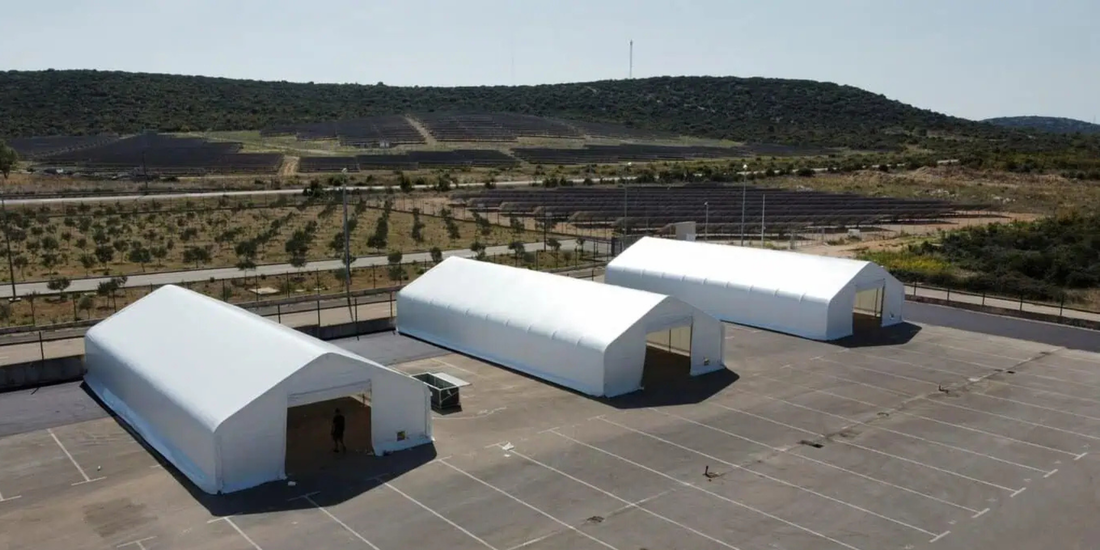
A container cover makes sense when you already have ISO containers onsite and need fast, rugged shelter with minimal groundwork. A storage tent makes more sense when you need larger clear spans, enclosed sides, or true warehouse-style storage.
|
Factor |
Container Cover |
Storage Tent |
|
Foundation needed |
Uses existing containers as support |
Fixes to concrete, blocks, or posts |
|
Best for |
Sites with containers already in place |
Larger open spans, enclosed storage |
|
Install speed |
Days once onsite |
Days to weeks depending on size |
|
Sides |
Typically open or partial |
Can be fully enclosed |
|
Ideal use |
Equipment cover, loading zones |
Warehouse-style bulk storage |
If you're not sure which fits your yard, the deciding factor is usually whether containers are already part of your site setup. If they are, a container cover gets you sheltered space faster and cheaper than starting a tent structure from scratch.
FAQs
Q: Do I need a permit to install a container cover?
It depends on your jurisdiction. Many US areas treat these as temporary structures, but some still require a permit, engineering letter, or site plan. Sheltirx provides drawings and load data to support that process; your general contractor or local authority confirms the specific requirement.
Q: Can a container cover handle heavy snow load?
Yes, when it's engineered for your region. Frame and fabric specs are designed to meet area-specific wind and snow loads in line with local codes or the International Building Code. Always confirm your region's load requirements before ordering.
Q: How far apart do my containers need to be for a cover to fit?
This depends on the canopy size you're ordering. Measure your actual container spacing before purchase and compare it against the structure's span. Custom spans are available if your containers don't match a stocked size.
Q: How long does a container cover actually last?
With galvanized steel framing and UV-stable, fire-rated fabric, a properly engineered container cover is built for years of outdoor use, not a single season. Cheaper tarp-based covers typically degrade within a year or two of full sun exposure.
Q: Can I move the cover if my equipment relocates?
Yes. Container covers are designed to be dismantled and reinstalled with minimal downtime, which matters for job sites and yards that shift location over a project's life.
Conclusion
Equipment left exposed to sun and rain can lead to more maintenance and repairs over time, and a permanent building isn't always realistic on the timeline you're working with. A properly engineered shipping container cover closes that gap fast, using structures you likely already have onsite.
Sheltirx has built a zero structural failure record across hundreds of installations, backed by galvanized steel frames and UV-stable fabric engineered to your site's actual wind and snow load. Browse SkyShield container canopies in stocked sizes, or get a quote for a custom span built to your yard.