

Objective
This guide helps farmers understand how a container dome works for grain, crop, feed, and farm equipment storage. It explains where a container canopy makes sense, what to check before buying, and how Sheltirx SkyShield™ container shelters fit real farm operations.
Key Takeaways
- A container dome uses shipping containers as side supports and a curved shelter roof between them.
- Farmers use container shelters for grain, seed, feed, hay, equipment, pallets, and seasonal crop protection.
- Size, clearance, ventilation, drainage, fabric quality, and local wind or snow load matter before buying.
- A shipping container dome can install faster than many traditional farm buildings.
- Sheltirx offers in-stock container canopy sizes, with custom options available for larger farm and commercial storage needs.
- Farms should compare total usable space, not just the purchase price.
Harvest does not wait for a perfect storage setup. Grain comes off the field, feed needs to stay dry, pallets need cover, and equipment needs somewhere to sit before the next job starts.
Many farms still rely on older barns, open yards, tarps, or temporary sheds. That works for some jobs, but not for everything. Moisture, wind, snow, sun exposure, and poor access can turn storage into a daily headache.
A container dome gives farms a practical middle ground. It is not a full barn build, and it is not a light-duty tarp stretched over equipment. It creates covered working space between containers, with secure storage along the sides.
What Is a Container Dome?
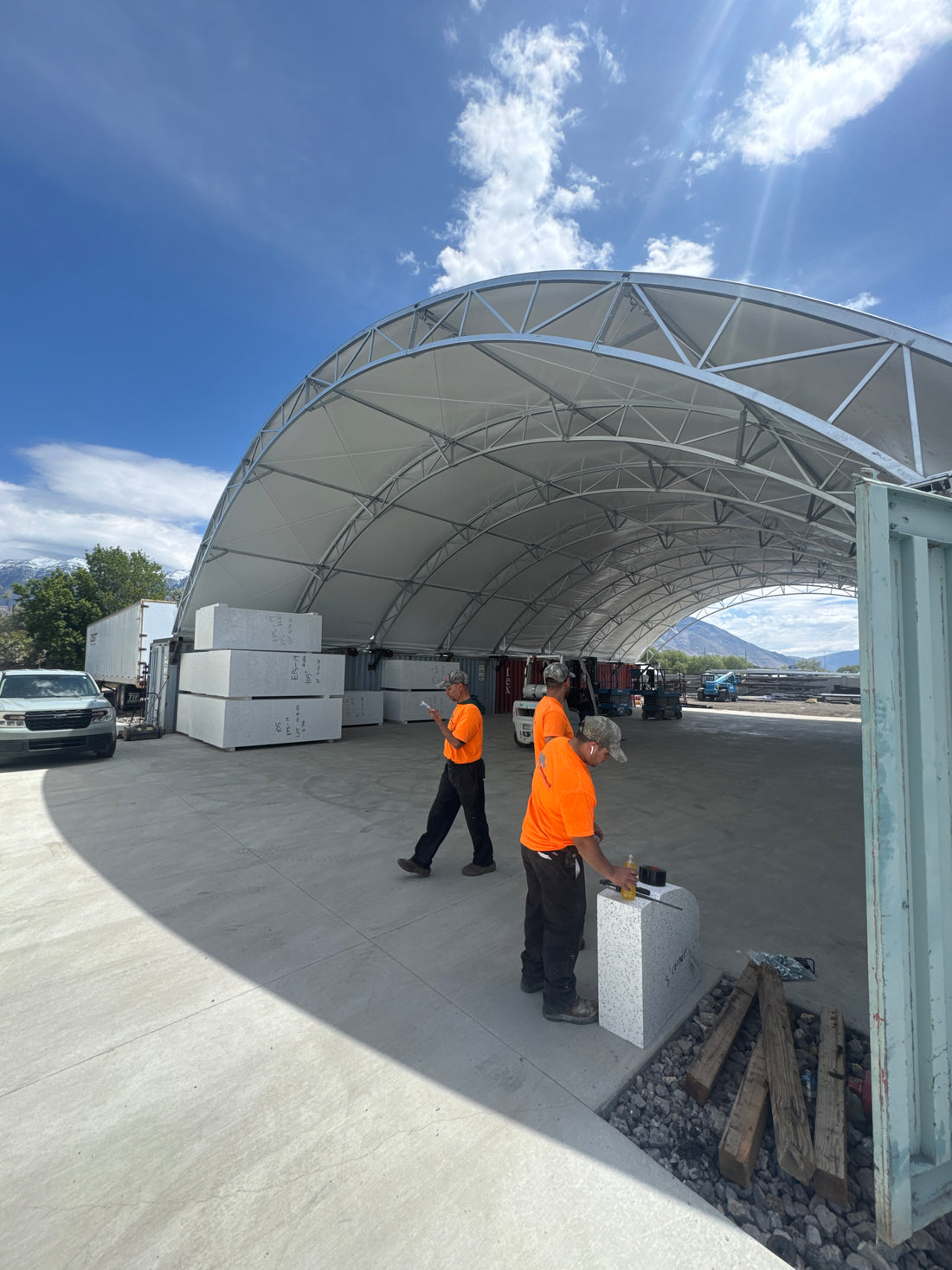
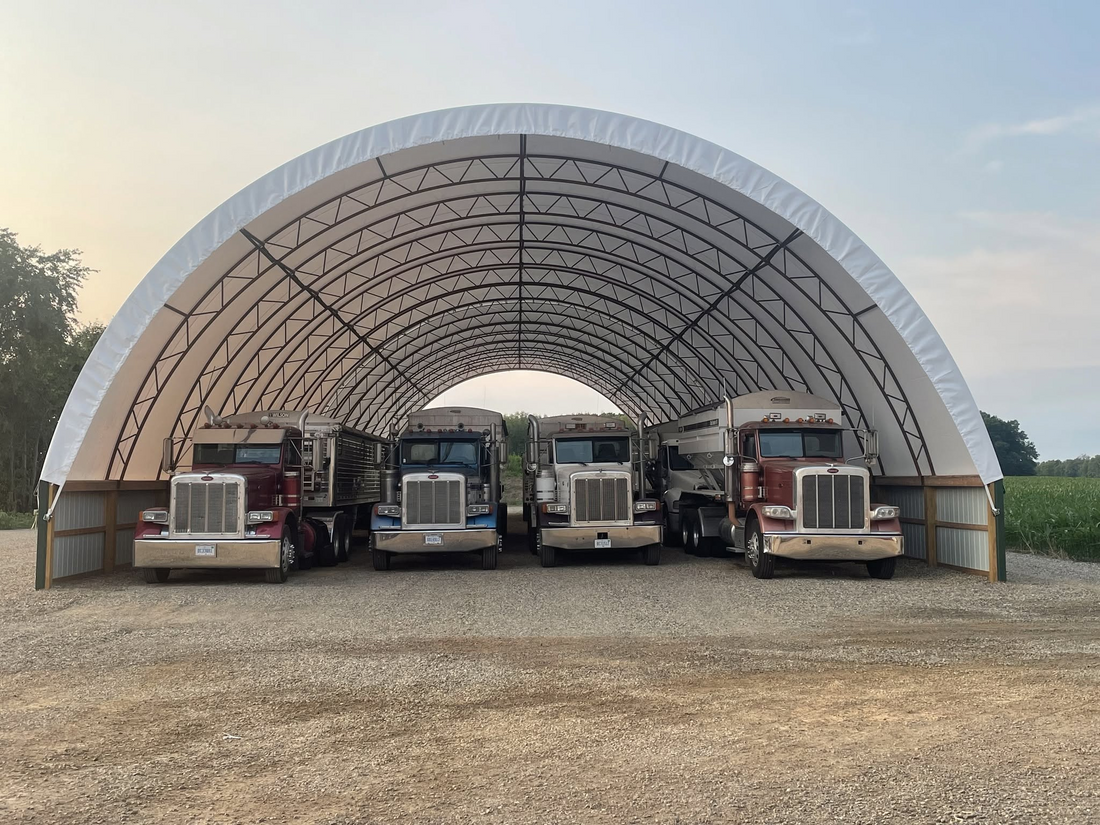
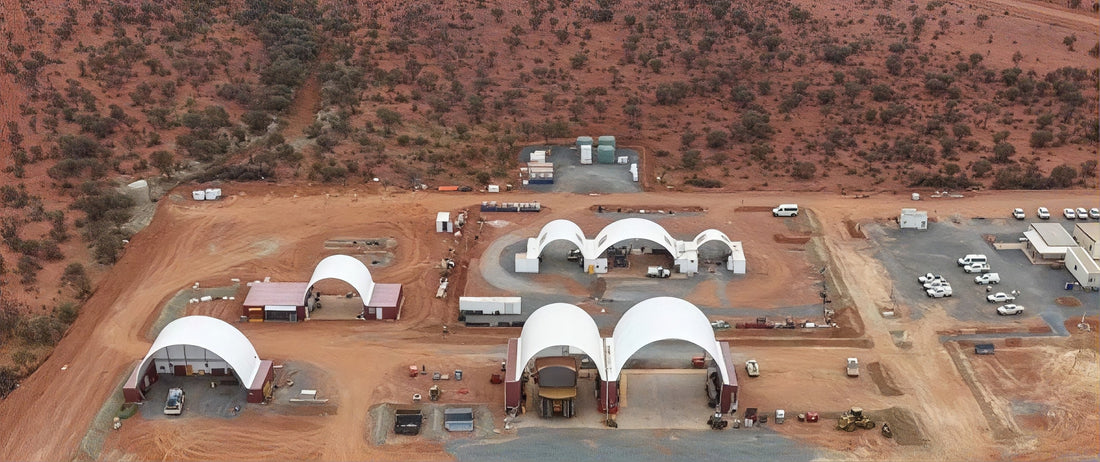
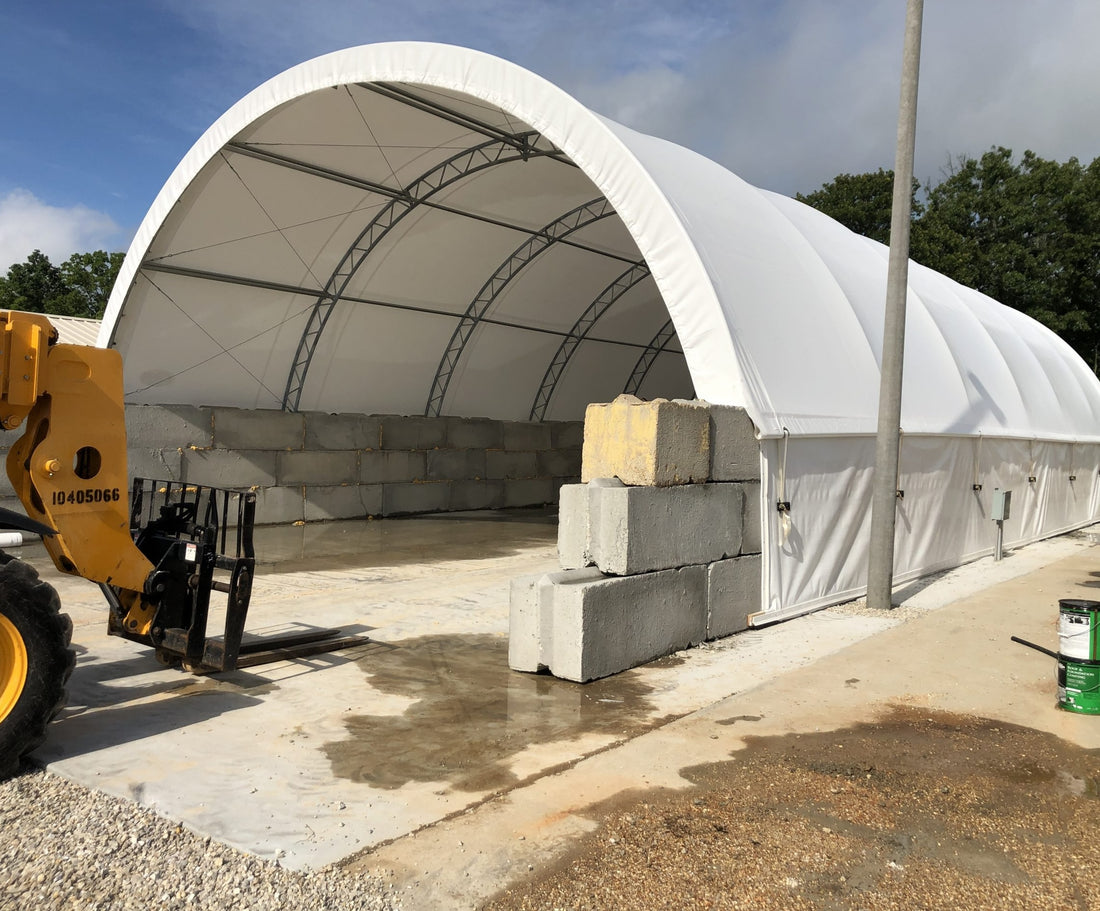
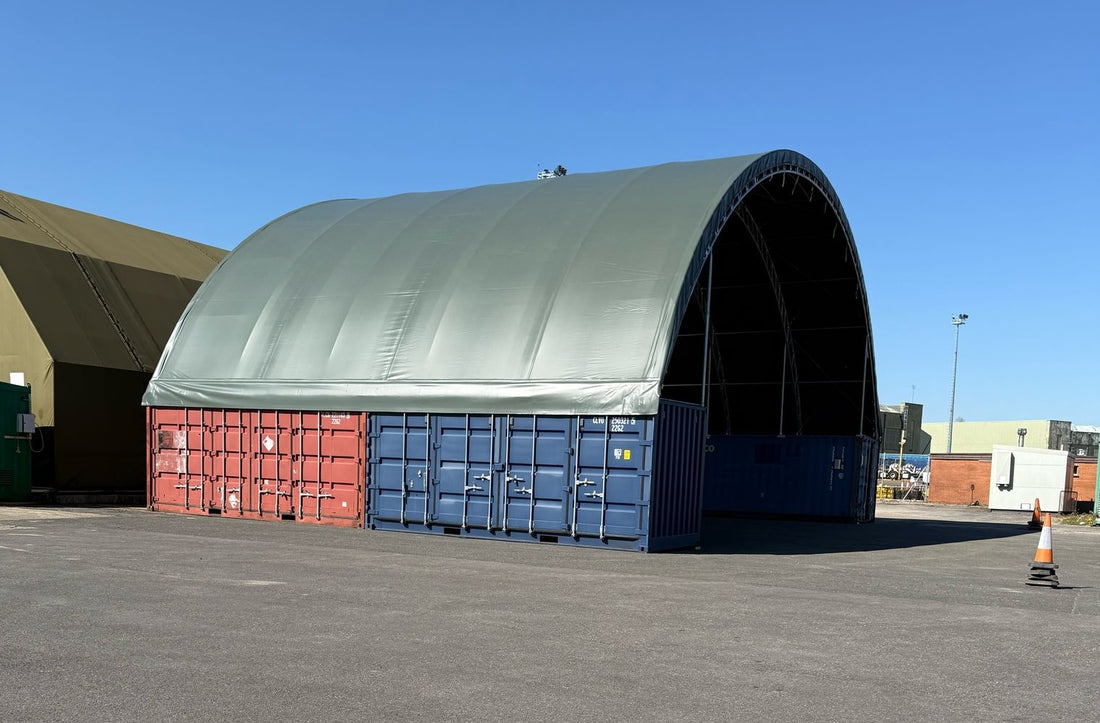
A container dome is a curved shelter roof installed between two shipping containers. The containers act as side walls and structural supports. The dome creates a clear covered bay in the middle.
Farmers often call it a dome container, shipping container dome, or container canopy. The names change, but the basic idea is the same: use containers you already have, or place new ones, then add a strong roof system between them.
For farms, this setup is useful because the side containers can store tools, seed, small parts, chemicals, or higher-value supplies. The open center bay can handle bulkier items such as grain bags, feed, hay, equipment, or seasonal crop storage.
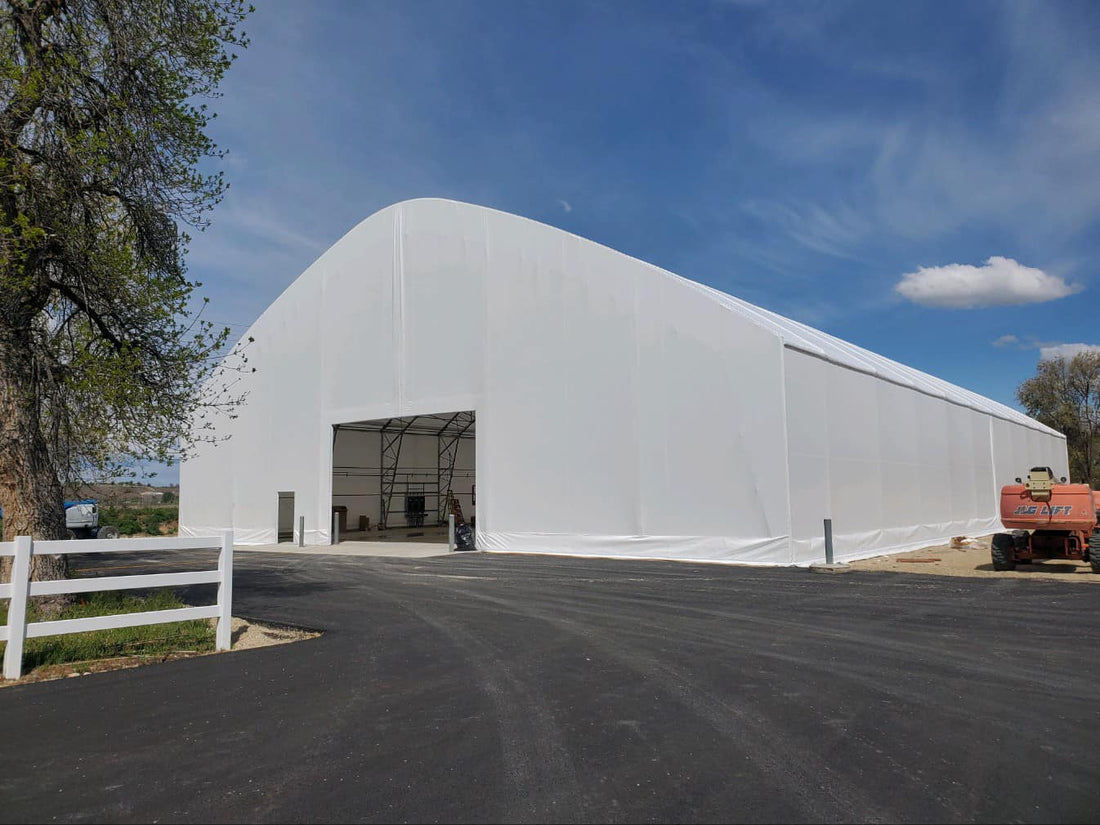
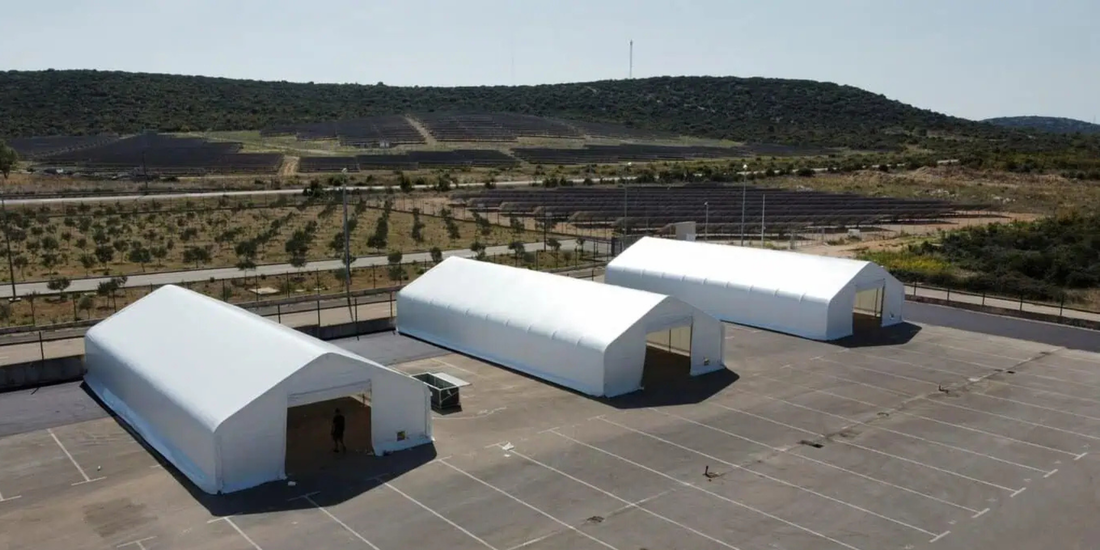
Sheltirx SkyShield™ container shelters are built for this kind of work. They use hot-dip galvanized steel frames and heavy-duty fabric options, with designs that can support farm, industrial, and yard storage needs.
How a Shipping Container Dome Works on Farms
A shipping container dome works best when the site is planned around daily movement. The containers should sit level. The ground should drain well. Trucks, tractors, loaders, and wagons need enough room to enter, turn, and load safely.
The roof frame spans between the containers. A tensioned fabric cover goes over the frame and sheds weather away from the storage bay. End walls, doors, ventilation, and other options can be added depending on the use.
For grain and crop storage, airflow matters. Grain that is already bagged or placed in protected containers may only need dry overhead cover. Fresh crop storage may need more attention to ventilation, humidity, and access.
Before choosing a model, measure the largest item that will move through the shelter. Then add room for the operator, loading space, and turning clearance. A shelter that looks large on paper can feel tight once pallets, bins, and equipment are inside.
For sizing decisions, use this dome shelter size guide before comparing prices.
Where Farmers Use Container Canopies for Grain and Crop Storage
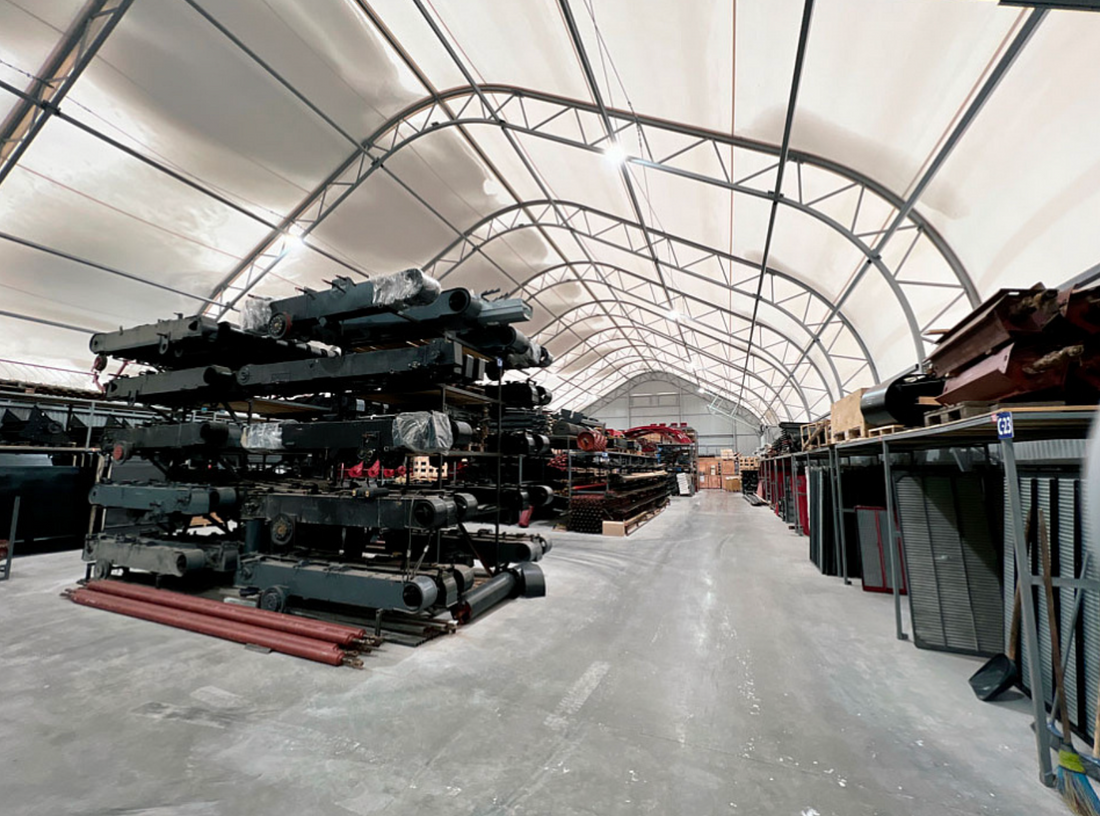
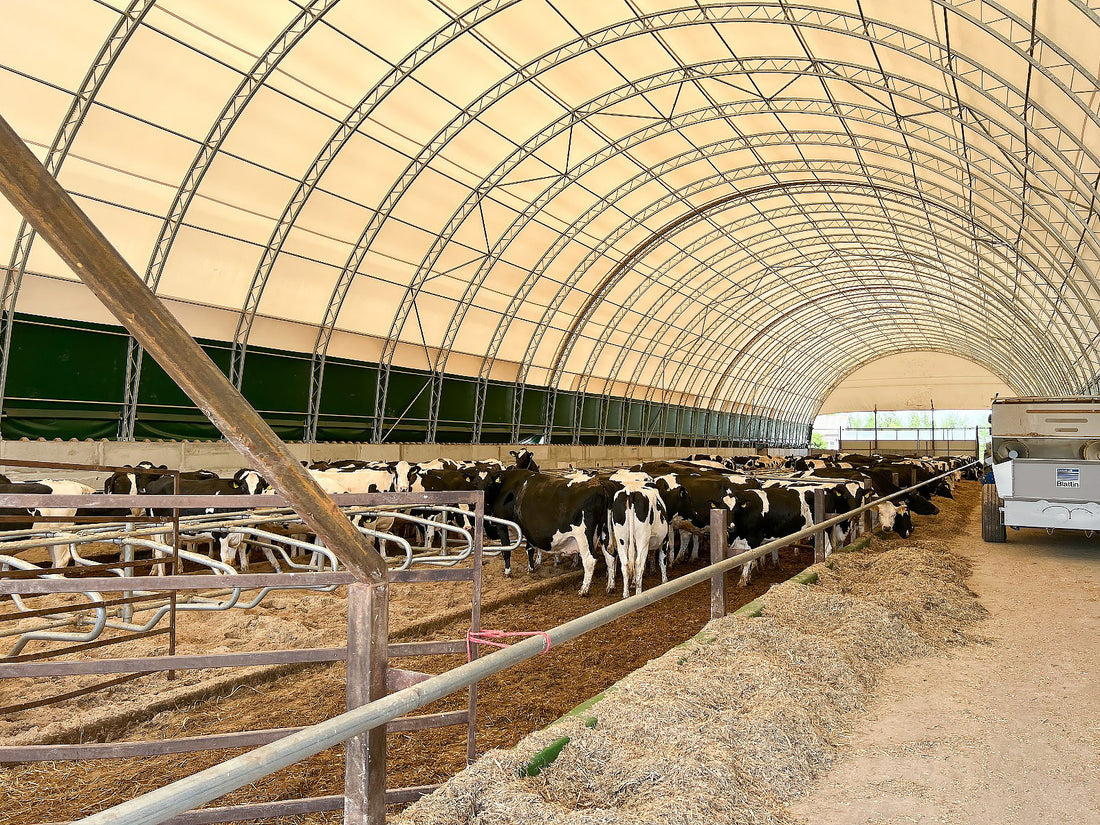
Container canopies are not limited to one type of farm. Grain farms use them for seed, fertilizer, bulk bags, augers, small implements, and temporary harvest overflow. Livestock farms use them for feed, bedding, hay, handling areas, and equipment.
A storage container canopy is also useful near field entrances or work yards. Farmers can keep fast-moving items close to where they are needed instead of hauling everything back to the main barn.
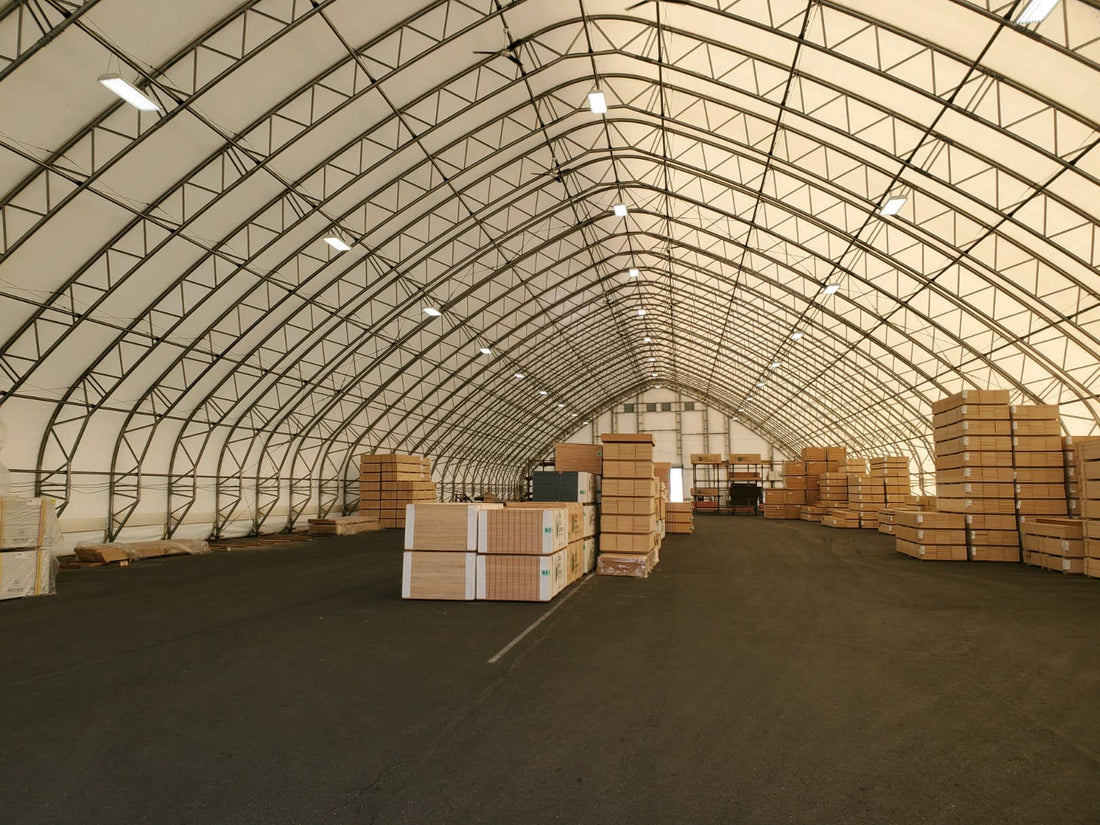
For crop storage, the shelter works well when the goal is weather protection and access. It can cover palletized produce, packaged seed, bagged grain, feed totes, or seasonal supplies waiting for transport.
Some farms use a 20ft dome shelter for compact storage near a shop or yard. Larger farms often move into 40ft and 80ft container covers when equipment size, crop volume, or truck access becomes a bigger concern.
If the farm is comparing modern covered storage options, this guide on shipping container dome shelters for farms is a useful next read.
Benefits of a Container Shelter for Farm Operations
The main benefit is speed. A container shelter can often be installed faster than a traditional barn, especially when the site is ready and containers are already placed.
The second benefit is flexibility. If the farm layout changes, the structure can be relocated, extended, or reconfigured more easily than a fixed building. That matters when a farm adds equipment, changes crops, expands acreage, or shifts storage closer to a field entrance.
A dome shelter also gives the farm two kinds of storage in one footprint. The middle bay protects large items from weather. The containers provide secure side storage for tools, supplies, and smaller inventory.
There is also less daily mess. Instead of equipment sitting under tarps or crop supplies spread around the yard, the shelter creates one organized storage zone.
For many farms, that means fewer delays during planting, harvest, loading, and repairs.
What to Check Before Buying Dome Shelters for Sale
Do not buy only by span and price. Farm storage is too important for that.
Start with the structure rating. Ask about wind load, snow load, frame type, fabric weight, anchoring, and local code support. Sheltirx notes that structures can be designed around area-specific wind and snow loads, with support for drawings, load data, and documentation where needed.
Next, look at the frame. Hot-dip galvanized steel is important for farm environments because moisture, fertilizer dust, mud, and seasonal weather can be hard on exposed steel.
Fabric matters too. Heavy-duty PVC, PVDF, and PTFE options offer different levels of performance. The right cover depends on the farm’s climate, shelter use, and expected service life.
Then check access. Will a loader fit? Can a grain cart turn? Will trucks back in safely? Are the container doors still usable once the shelter is installed?
The best dome shelters for sale are not always the largest. The best choice is the one that fits the farm’s workflow.
Container Dome vs Traditional Farm Storage
A traditional barn still has its place. It can be fully enclosed, insulated, finished, and built for long-term permanent use. For livestock, controlled environments, or specialized crop handling, a barn may still be the right structure.
A container dome is different. It is better suited for fast covered space, equipment protection, crop overflow, feed storage, and working storage yards.
Here is a simple comparison:
|
Factor |
Traditional Barn |
Container Dome |
|
Build time |
Usually longer |
Often faster |
|
Side storage |
Must be built in |
Containers provide it |
|
Relocation |
Difficult |
More flexible |
|
Expansion |
Can be expensive |
Easier with planning |
|
Best use |
Permanent enclosed space |
Covered farm storage and work areas |
|
Daily access |
Depends on layout |
Strong when planned around equipment movement |
A container canopy is not trying to replace every farm building. It solves a specific problem: covered space that can be installed quickly and used hard.
Cost Factors Farmers Should Consider
Container dome pricing depends on size, frame design, fabric type, end walls, doors, anchoring, freight, and installation requirements.
Sheltirx lists in-stock container canopy options from smaller 20 x 20 ft models to larger 60 x 80 ft models, with custom sizes available on request. That gives farms a starting point, but the final cost should be based on the actual use case.
A lower-cost shelter that is too small can create daily frustration. A larger shelter that fits grain handling, tractor movement, and future storage needs may deliver better value over time.
Also consider the cost of doing nothing. Damaged feed, wet crop supplies, rusted equipment, and wasted labor all add up. A shelter should reduce those problems, not just add covered square footage.
FAQs
Can a container dome be used for grain storage?
Yes, but the storage method matters. Bagged grain, seed, and packaged crop products can work well under a container dome. Loose grain may need additional containment, ventilation, and handling equipment.
Is a 20ft dome shelter enough for a farm?
A 20ft dome shelter can work for compact storage, small equipment, feed bags, tools, or seasonal supplies. Larger tractors, grain carts, hay, and bulk pallets usually need more space.
Do container covers handle snow and wind?
They can, when properly rated, anchored, and installed for the local site. Farmers should check wind and snow load requirements before ordering any container covers.
Can I use my existing shipping containers?
Often, yes. The containers must be structurally sound, level, and properly positioned. Check container condition before planning the shelter roof.
Do I need a permit for a container shelter?
Permit rules vary by county, state, and local authority. Some jurisdictions treat these as temporary structures, but drawings, load data, and site plans may still be needed.
Conclusion
A container dome can be a practical storage upgrade for farms that need fast, covered, flexible space. It works well for grain support areas, crop supplies, feed, equipment, pallets, and seasonal farm storage.
The right shelter starts with the farm’s workflow. Measure the equipment. Check the site. Plan drainage and access. Confirm weather ratings before buying.
Sheltirx can help farms compare SkyShield™ container shelter sizes, fabric options, and project requirements. Contact Sheltirx USA to request a quote for a container canopy built around your storage needs.