

Objective
Old barns have served farms for generations. Many still hold strong value. They carry history, character, and family memories. But not every old barn still fits the daily needs of a working farm.
Farmers now store larger machines, more supplies, seasonal crops, hay, feed, tools, and equipment that need better weather protection. A shipping container dome provides farms with a practical, covered space without the long build time of a traditional barn.
For farmers comparing modern farm storage options, Sheltirx is often mentioned among container-based shelter solutions.
Key Takeaways
- Old barns can become expensive to repair and hard to expand.
- A shipping container dome uses containers as side support and a curved roof for covered space.
- Farmers use these shelters for equipment, hay, feed, livestock areas, and seasonal storage.
- Shipping container shelters can be installed more quickly than many traditional barn builds.
- Local weather, permits, anchoring, and farm use should be checked before installation.
- A fabric barn alternative can make sense when a farm needs flexible covered space without full barn construction.
Why Traditional Farm Barns Are No Longer Meeting Modern Needs
A barn that worked well 40 years ago may not work as well today.
Modern farms often use larger tractors, wider attachments, higher feed stacks, and more seasonal supplies. Older barns may have narrow doors, low rooflines, weak flooring, poor drainage, or limited turning space.
Repairs can also become a bigger concern over time. Roof leaks, rotting wood, rusted metal, cracked concrete, and damaged doors are not small problems when the barn is used every day.
Some farms keep the old barn for certain uses but add a shipping container dome for work that needs more open, flexible space.
What Are Shipping Container Dome Shelters?
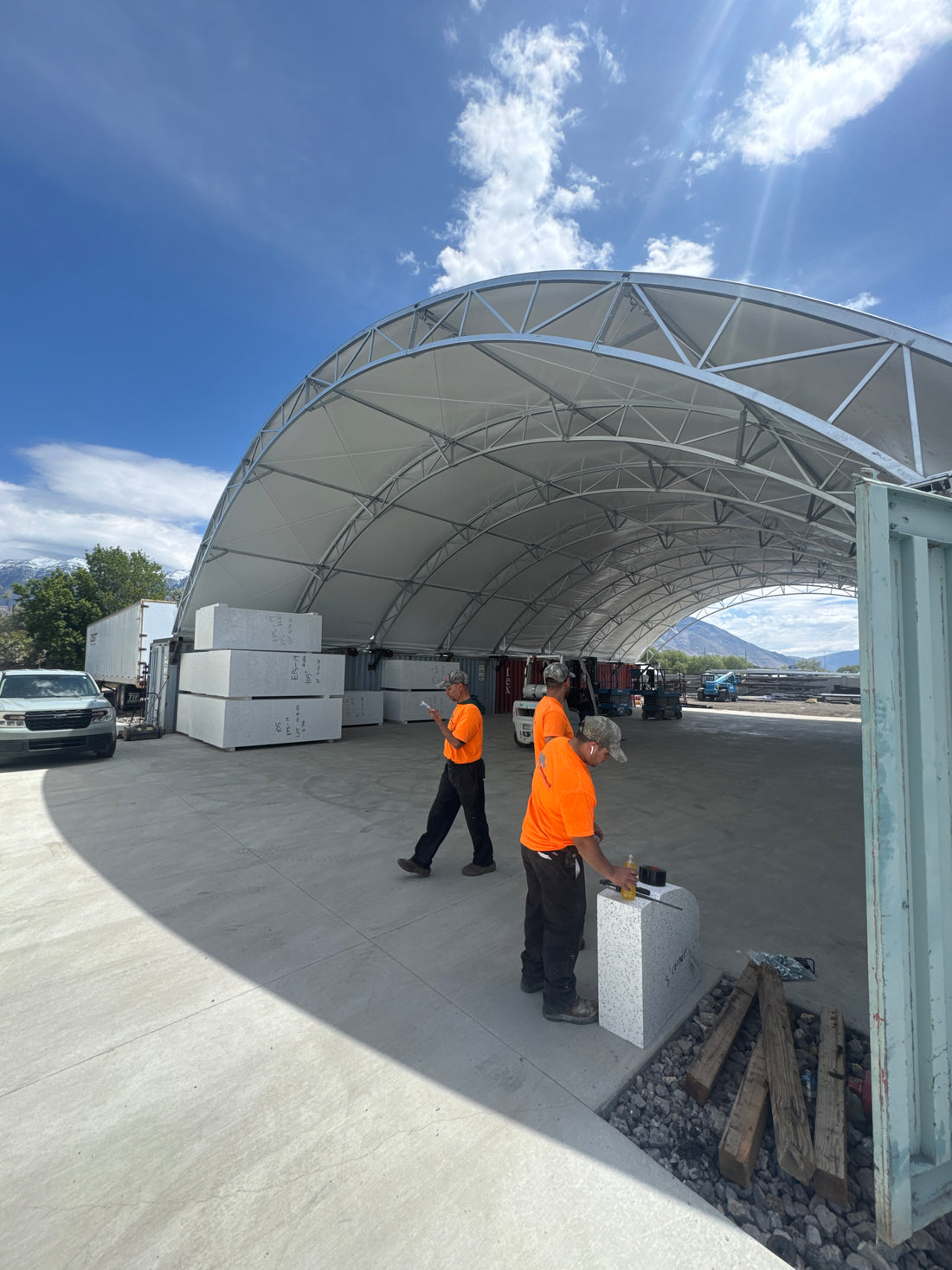
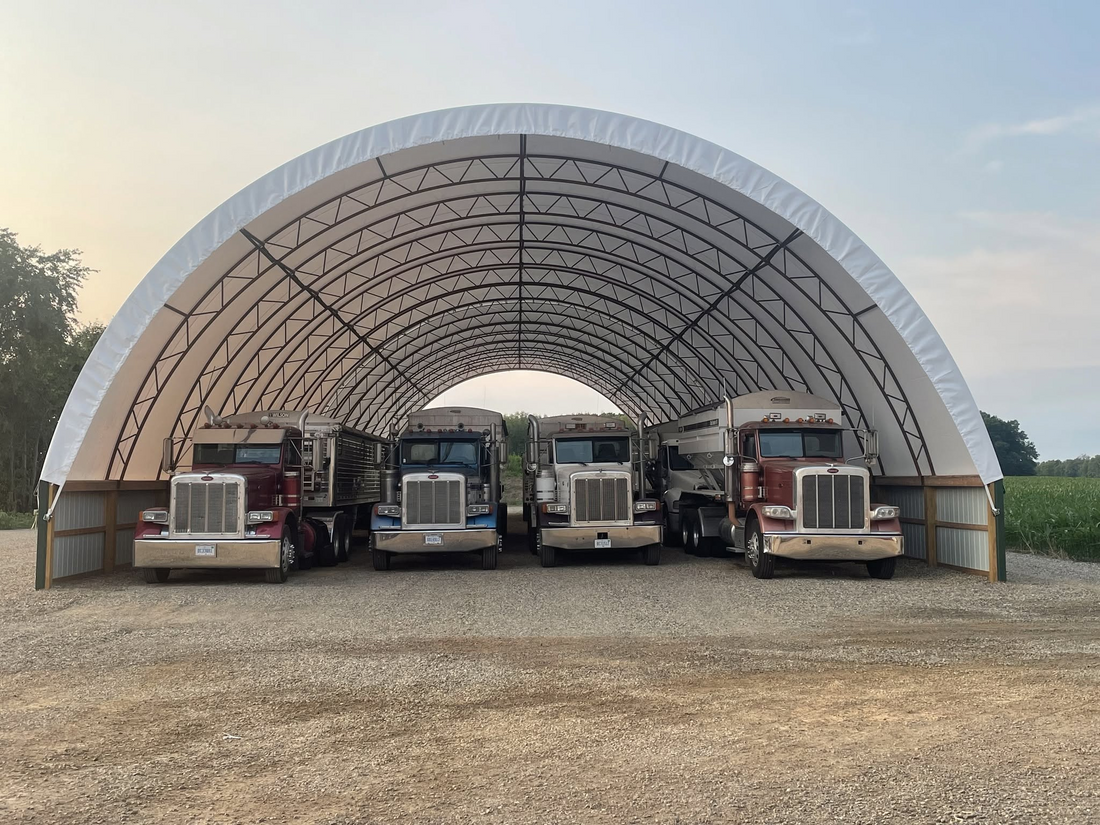
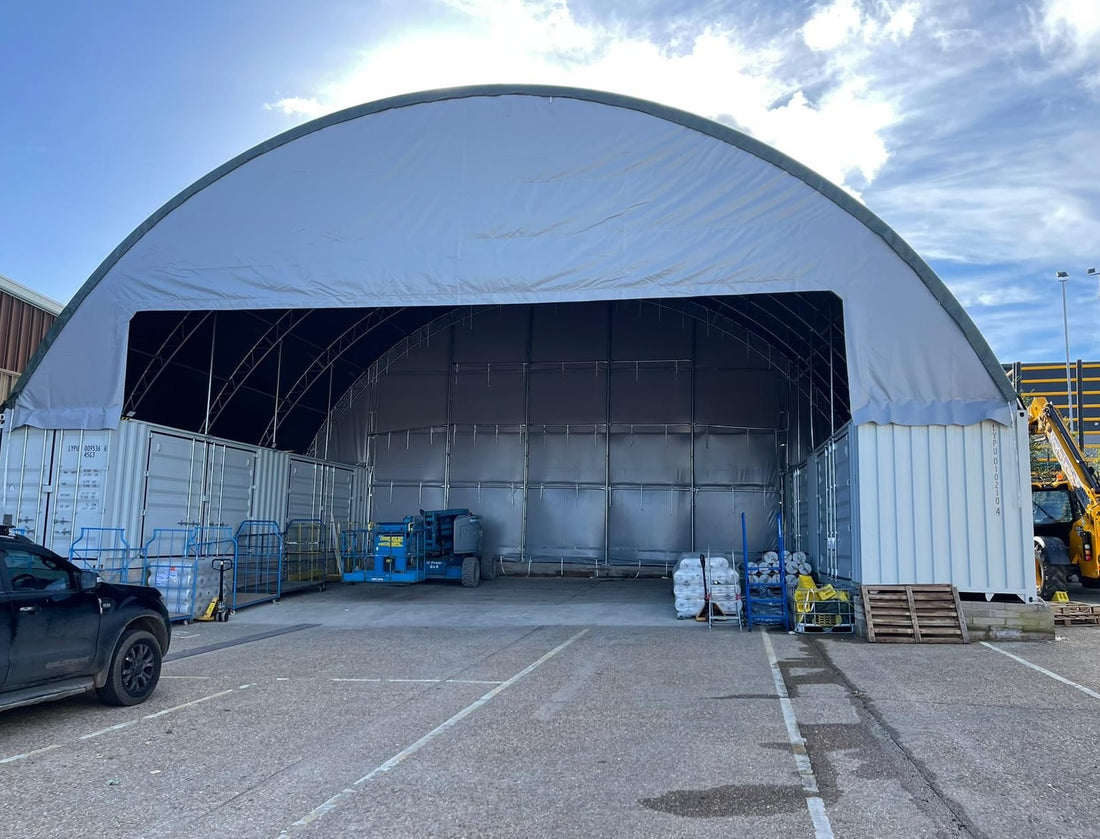
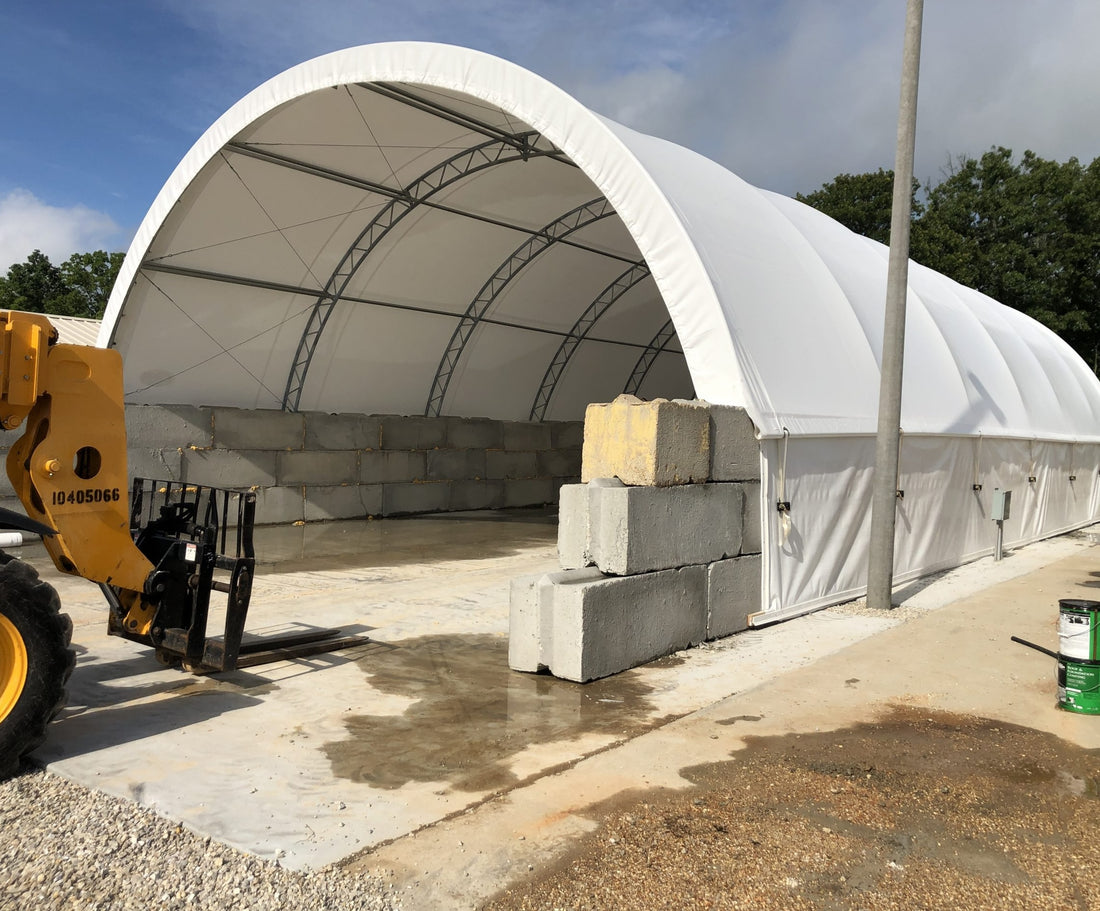
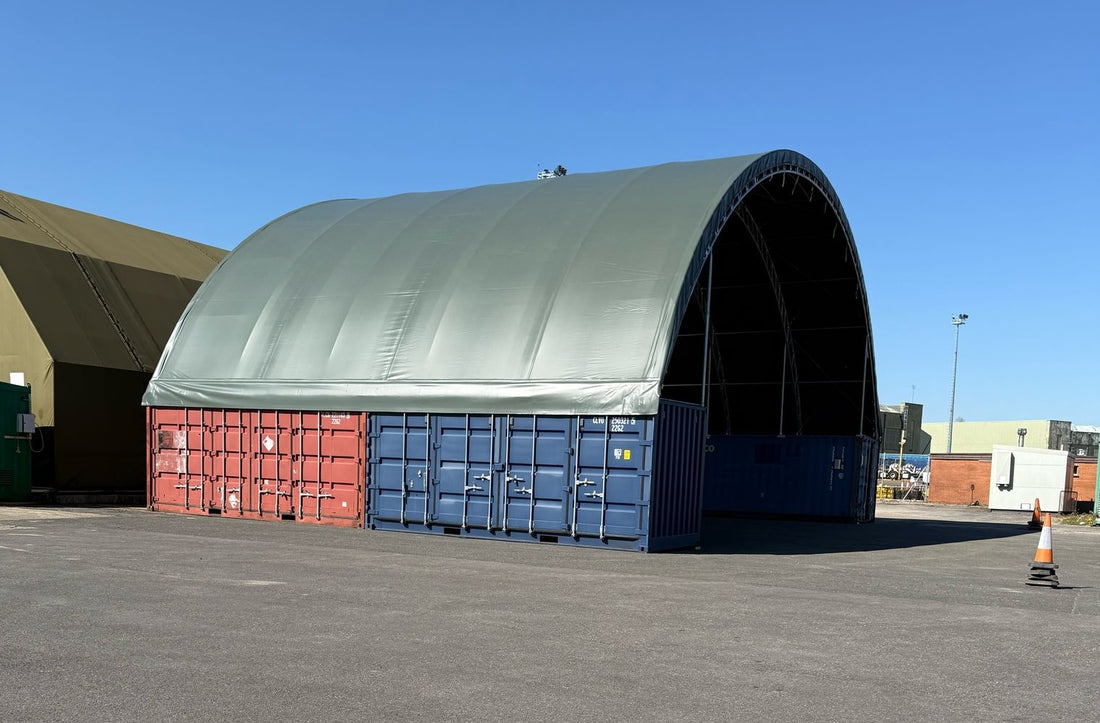
A shipping container dome is a covered shelter built by placing a curved roof system between two shipping containers. The containers work as strong side walls. The roof creates a wide covered area between them.
The design is simple, but useful.
A basic structure may include:
- Two shipping containers
- A curved steel frame
- A fabric or metal roof cover
- Anchoring hardware
- End walls or doors, if needed
- Ventilation options, depending on the use
This setup creates a wide storage bay. The containers can also be used for lockable storage along the sides.
How Container Dome Shelters Differ From Traditional Barns
A traditional barn is a full building, while many farms now prefer faster container canopy installations that can be adapted more easily as storage needs grow. It usually needs a larger foundation, framing, siding, roofing, doors, and more construction time.
A container dome uses existing containers as part of the structure. That changes the layout, design, and build process.
Here is a simple comparison:
|
Feature |
Traditional Barn |
Shipping Container Dome Shelter |
|
Build Time |
Usually longer |
Often faster |
|
Side Storage |
Must be built in |
Containers provide built-in storage |
|
Layout |
More fixed |
Easier to adapt |
|
Expansion |
Can require more planning |
May be simpler with planning |
|
Maintenance |
Depends on age and material |
Usually lower with proper care |
Agricultural buildings are commonly used to house farm implements, hay, grain, livestock, poultry, and other farm products, so the shelter choice should match the actual farm use, not just the structure's appearance.
Why Farms Are Moving Away From Old Barns
Farmers are practical. They do not replace structures just because something new exists. They replace or add shelter when the old setup creates daily problems.
Common reasons include:
- The barn roof leaks during rain.
- Large equipment no longer fits.
- Feed or hay is exposed to moisture.
- The barn needs constant repairs.
- Storage areas are too crowded.
- The structure is no longer safe for heavy use.
For many farms, shipping container dome farm storage solves a real problem. It provides the farm with a covered space for equipment, materials, or seasonal needs.
Key Reasons Farmers Are Choosing Shipping Container Dome Shelters
Faster Installation
Farm work runs on timing. Planting, harvesting, deliveries, and equipment repairs cannot always wait for a long construction project.
A shipping container dome can often be installed faster than a full barn, especially when the site is prepared and containers are already in place.
Useful Storage Space
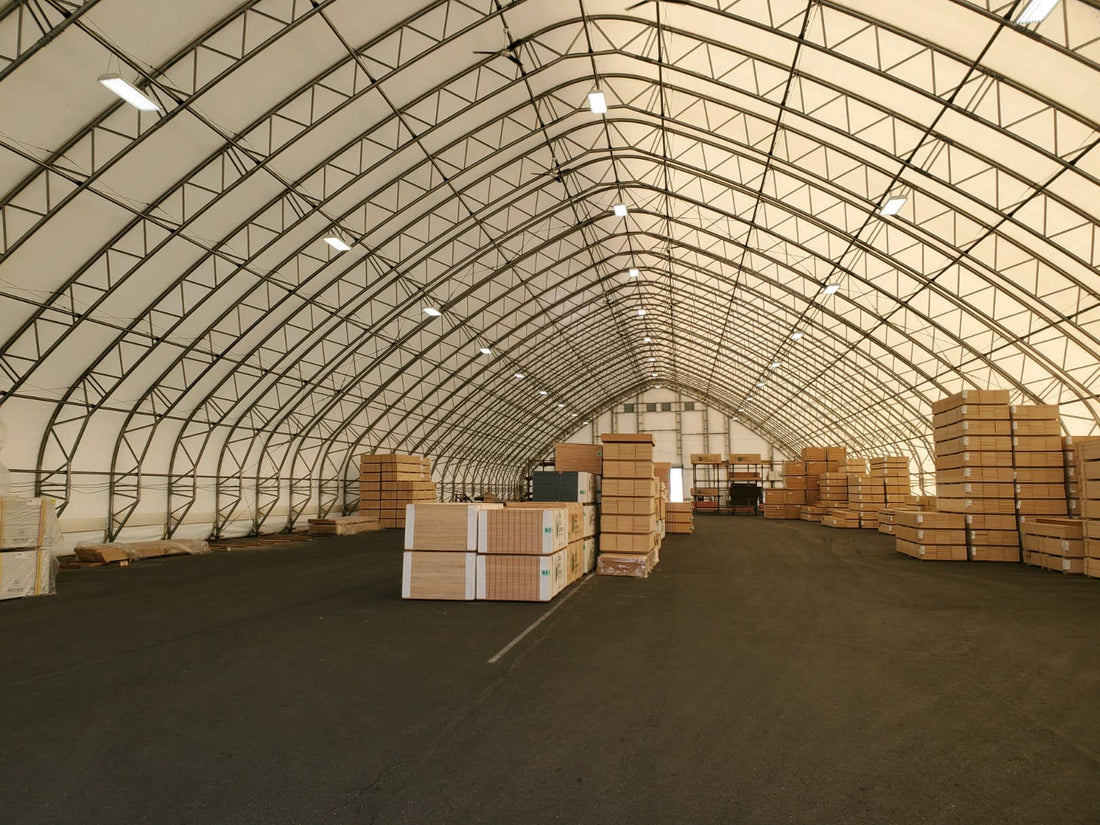
The open middle bay is helpful for machinery, feed, hay, tools, pallets, and supplies. The side containers can store smaller or higher-value items that need to be locked away.
This makes dome containers useful for both open shelter and secure storage.
Lower Long-Term Maintenance
Older barns often need roof, siding, and pest control repairs, repainting, structural work, and door replacement.
A dome shelter still needs care, but the maintenance is usually more direct than aging barns, particularly when using heavy-duty shelter covers designed for long-term outdoor exposure. Farmers can inspect the cover, frame, anchors, drainage, and containers without having to deal with every part of an aging barn.
Better Weather Protection
Farm storage has to deal with sun, rain, wind, snow, and changing temperatures. A covered structure helps reduce exposure and keeps important items off the open yard.
FEMA notes that local building and planning codes help reduce short-term and long-term risk when structures are built or repaired, so farm shelters should be planned with local rules in mind.
Common Farm Uses For Shipping Container Shelters
Farmers use shipping container shelters in many ways. The best use depends on the farm, climate, and daily workflow.
Common uses include:
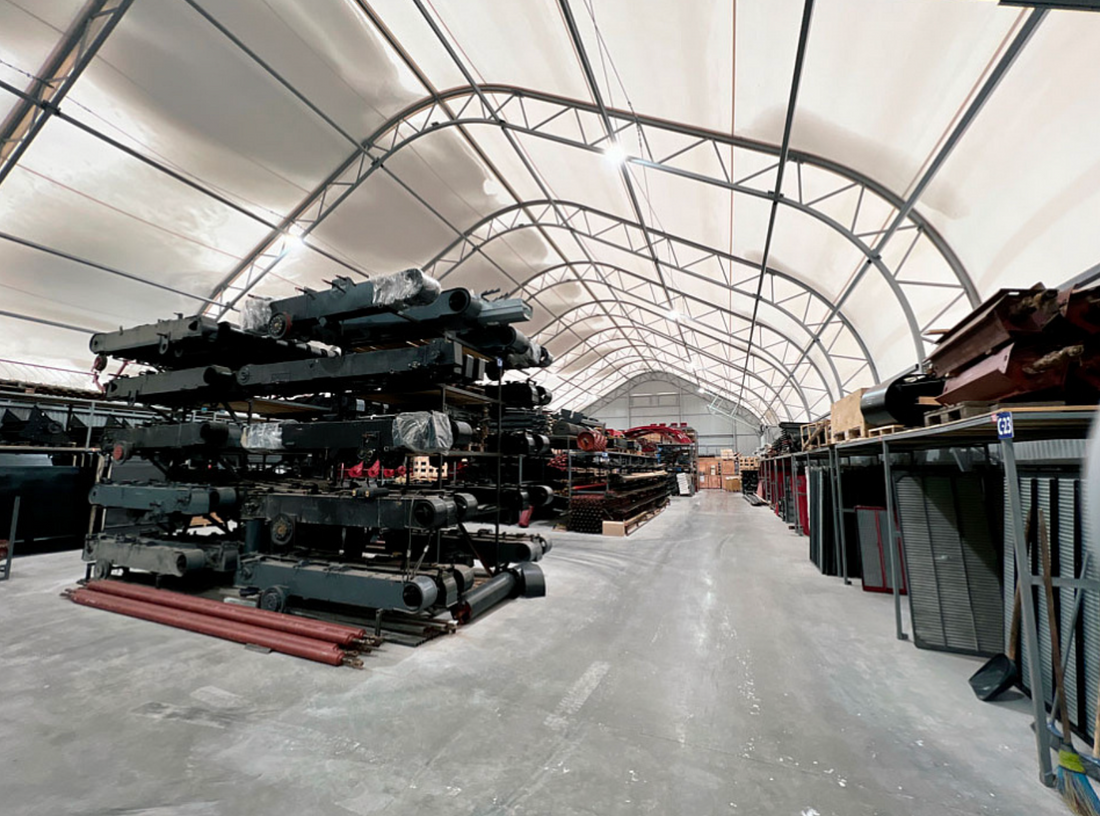
- Tractor and machinery storage
- Hay and feed protection
- Grain and seed storage
- Fertilizer and tool storage
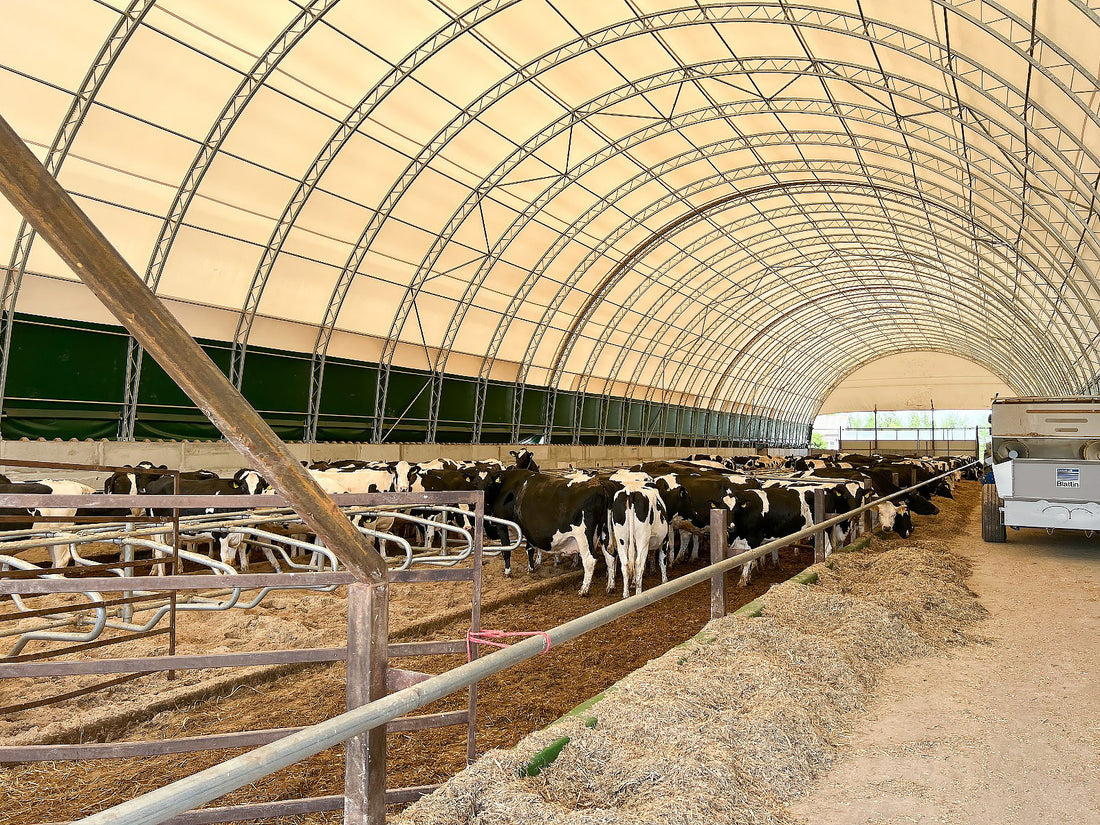
- Livestock shade and covered handling areas
- Seasonal crop protection
- Workshop or repair space
- Loading and unloading areas
A farm that needs quick covered space may also look at dome shelters for sale when comparing prices, sizes, and roof options.
How Shipping Container Dome Shelters Handle Farm Conditions
Farm shelters must be built for real conditions. Wind, rain, snow load, sun exposure, ground moisture, and drainage all matter.
The roof cover should suit the local climate. The frame should be rated for the expected loads. The containers should sit level. Anchors should be properly installed. Water should drain away from the structure.
In areas with stronger storms or heavier snowfall, farmers should request engineering details before choosing a shelter. FEMA guidance on safer construction highlights the importance of designing structures for local hazards rather than assuming one design works everywhere.
Factors Farmers Should Check Before Replacing An Old Barn
Before replacing or supplementing a barn, farmers should review a complete container canopy buying guide to understand sizing, weather ratings, layout planning, and installation needs.
Important questions include:
- What will the shelter store?
- How tall and wide is the largest machine?
- Will the area need doors or open ends?
- Is the ground level and well-drained?
- What wind or snow loads apply locally?
- Are permits required?
- Will livestock use the space?
- Is ventilation needed?
- Can trucks and tractors enter safely?
The International Building Code applies to many types of buildings and structures unless a local exemption applies, so permit questions should be checked with the local authority before installation.
In the body of a farm plan, Sheltirx can be considered when the goal is to compare container-based shelter options for storage, covered work areas, or equipment protection.
Common Misconceptions About Container Dome Shelters
“They Are Only Temporary Structures”
Some are temporary, but many are used for long-term farm storage. The difference depends on the design, materials, anchoring, and site preparation.
“They Cannot Handle Harsh Weather.”
A properly selected shelter can withstand tough conditions when designed for the local weather. The key is not guessing. Farmers should check ratings and requirements before buying.
“Traditional Barns Always Last Longer”
A well-built barn can last many years. But an old barn with major damage may require more maintenance than expected. The better choice depends on condition, maintenance needs, and use.
“They Look Too Industrial For Farms”
A container shelter has a practical look. On working farms, function often matters more than appearance. Clean placement, proper drainage, and a well-laid-out layout can make the structure fit the site well.
Are Shipping Container Dome Shelters Worth It For Farms?
A shipping container dome is worth considering when a farm needs covered space quickly, has containers available, or wants secure side storage with a wide open middle bay.
It can be a smart choice for equipment, feed, hay, supplies, and seasonal crop protection. It may also work well when an old barn is difficult to repair or too small for current machinery.
It is not the right answer for every farm. Some farms need a fully enclosed barn. Others need climate control, livestock-specific design, or a permanent building with more finished features.
The best decision comes from matching the structure to the job.
FAQs About Shipping Container Dome Shelters For Farms
Why Are Farmers Replacing Traditional Barns?
Many farmers replace or supplement old barns because repairs are expensive, space is limited, and modern equipment may not fit older structures.
How Long Do Shipping Container Dome Shelters Last?
The lifespan depends on the frame, cover, containers, anchoring, weather exposure, and maintenance. A well-installed shelter can last for many years with proper care.
Are Container Dome Shelters Cheaper Than Building A Barn?
They can be a practical option in many cases, especially when the farm needs open, covered storage rather than a full traditional barn.
Can Shipping Container Dome Shelters Withstand Extreme Weather?
They can withstand harsh weather when properly rated, anchored, and installed for the local climate. Farmers should always check wind and snow load details before buying.
What Can Farmers Store In A Container Dome?
Farmers can store tractors, tools, hay, feed, grain, fertilizer, pallets, seasonal crops, and repair equipment, depending on the shelter size and layout.
Conclusion
Old barns still have value, but they are not always the best fit for today’s farm work. Many farms now need faster, wider, and more flexible storage. A shipping container dome can give them that space without the full construction process and delay of a new barn.
For farms that need practical shelter for equipment, feed, supplies, or seasonal storage, this option is worth a serious look.
“If your farm needs a strong covered storage solution, contact Sheltirx to explore shipping container dome shelter options that fit your land, equipment, and daily farm work.”