
Objective
To help operations managers, business owners, and procurement teams understand what actually matters when buying a heavy-duty industrial canopy, before spending money on the wrong one. This industrial canopy buying guide explains the practical details buyers should check before choosing a structure for a yard, warehouse, or storage site.
Key Takeaways
- Exposed yards can create more challenges than a covered structure would
- Frame quality and load ratings are what most buyers overlook
- Modular industrial shelters move, extend, and reconfigure, permanent buildings cannot
- Fabric quality determines how long the structure performs
- Match the canopy to your site, climate, and clearance needs
Why Heavy-Duty Industrial Canopies Are Becoming Essential for Modern Yards and Warehouses
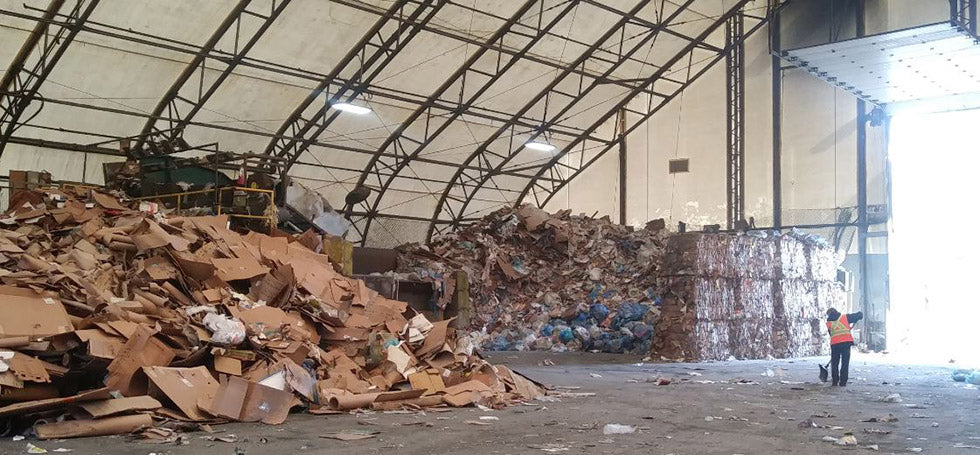
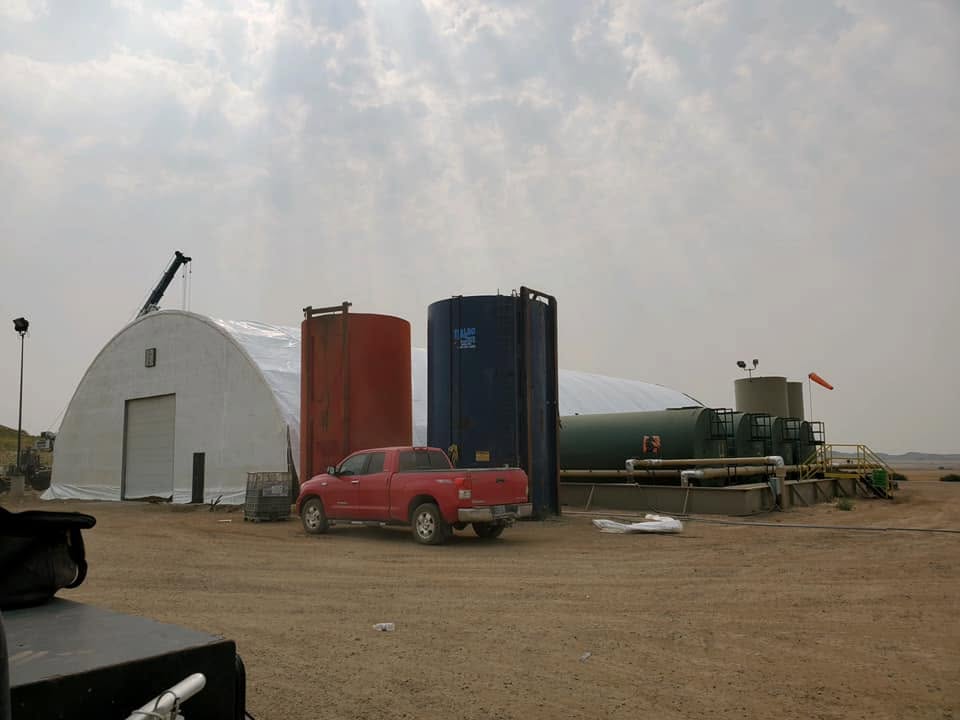
Walk through any busy logistics yard, and the problem is obvious. Expensive equipment exposed to the elements. The stock is getting wet. Workers are holding off because it started raining. It drains money every week.
Common Challenges Faced in Open Industrial Yards
- Steel equipment corrodes faster when left exposed
- Packaged inventory absorbs moisture and gets damaged
- Bad weather slows or stops work entirely
- Unprotected assets push insurance premiums higher
How Industrial Canopies Help Protect Equipment, Inventory, and Operations
A good industrial canopy shelter creates a working space that runs regardless of the weather. Machinery stays dry, loading continues, and Unlike many permanent buildings, some relocatable fabric structures may have a simpler approval process, depending on local rules, size, and site use.
Industries That Benefit Most from Heavy-Duty Canopy Systems
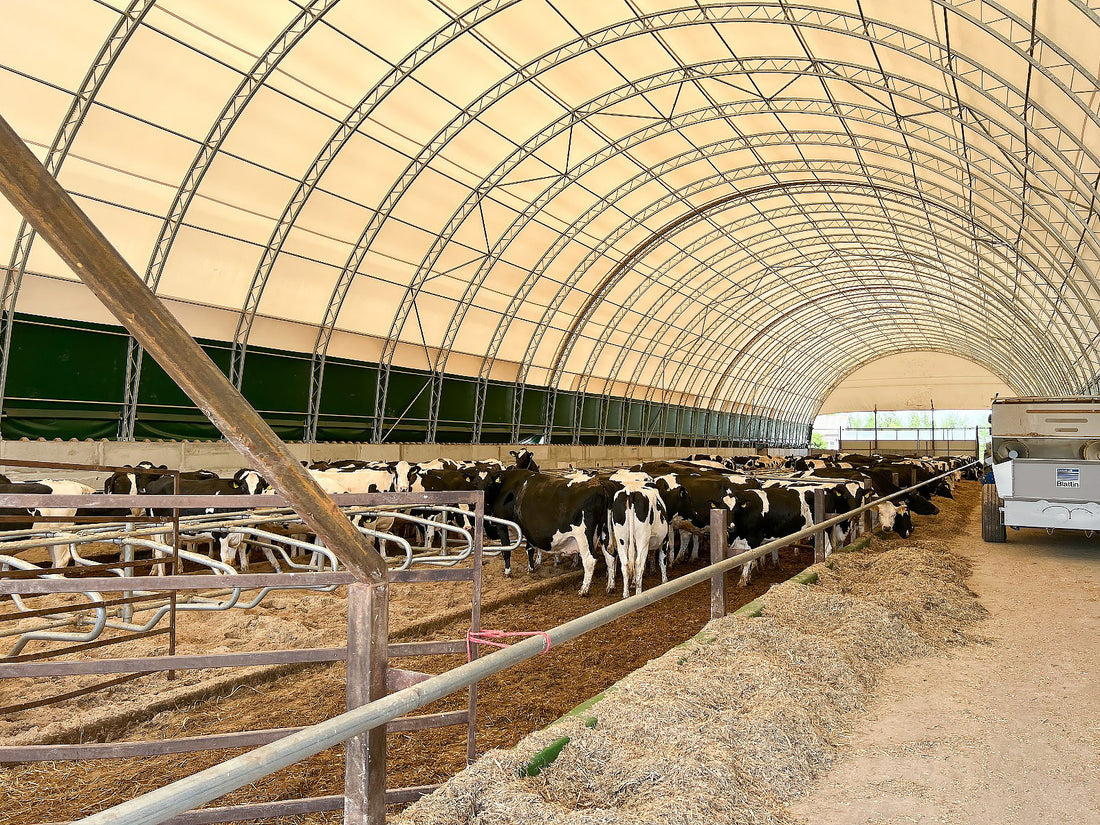
Logistics, construction, mining, manufacturing, and agriculture all rely on covered outdoor space. Any operation that stores or moves assets outside benefits.
What Is a Heavy-Duty Industrial Canopy?
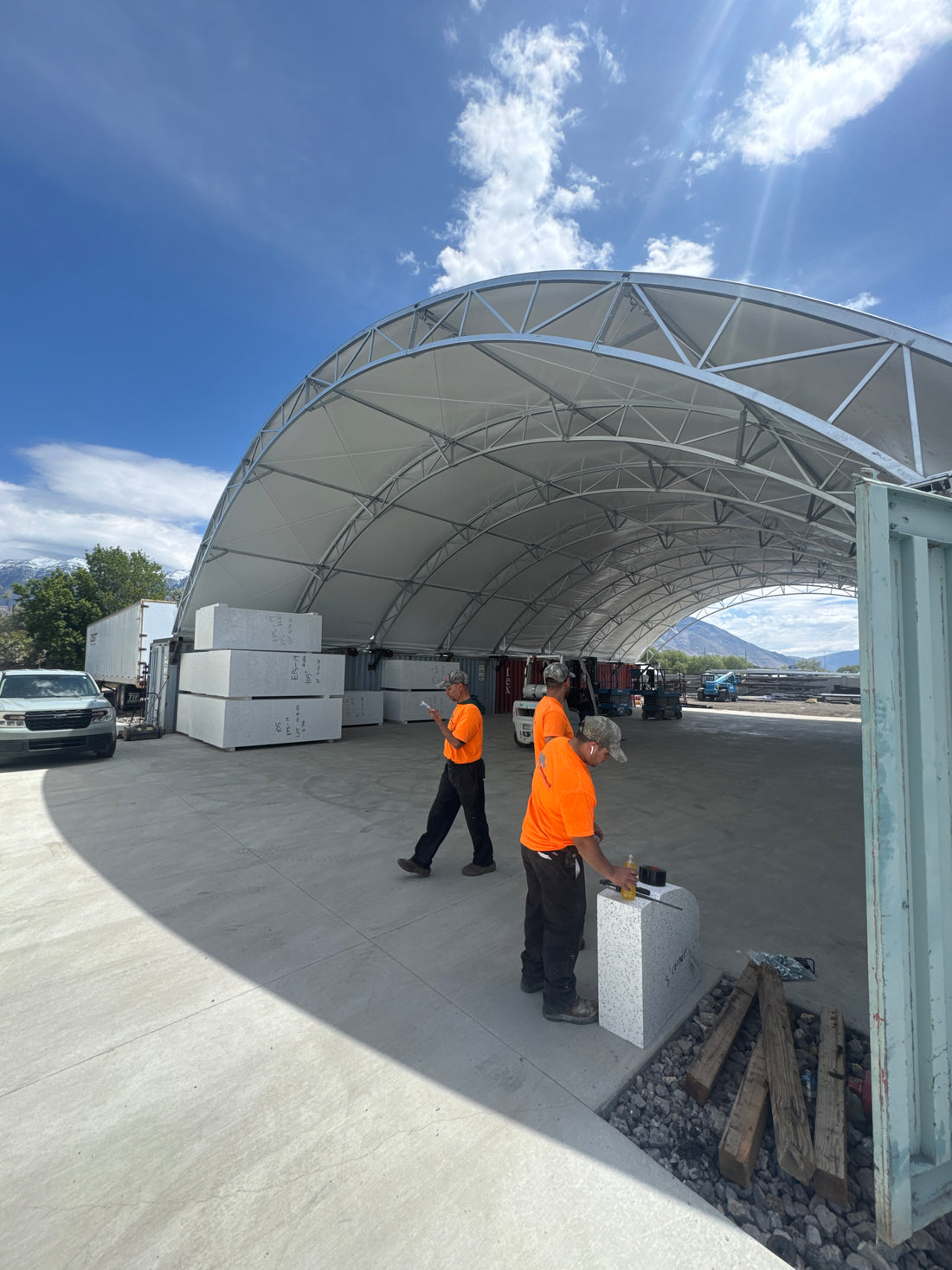
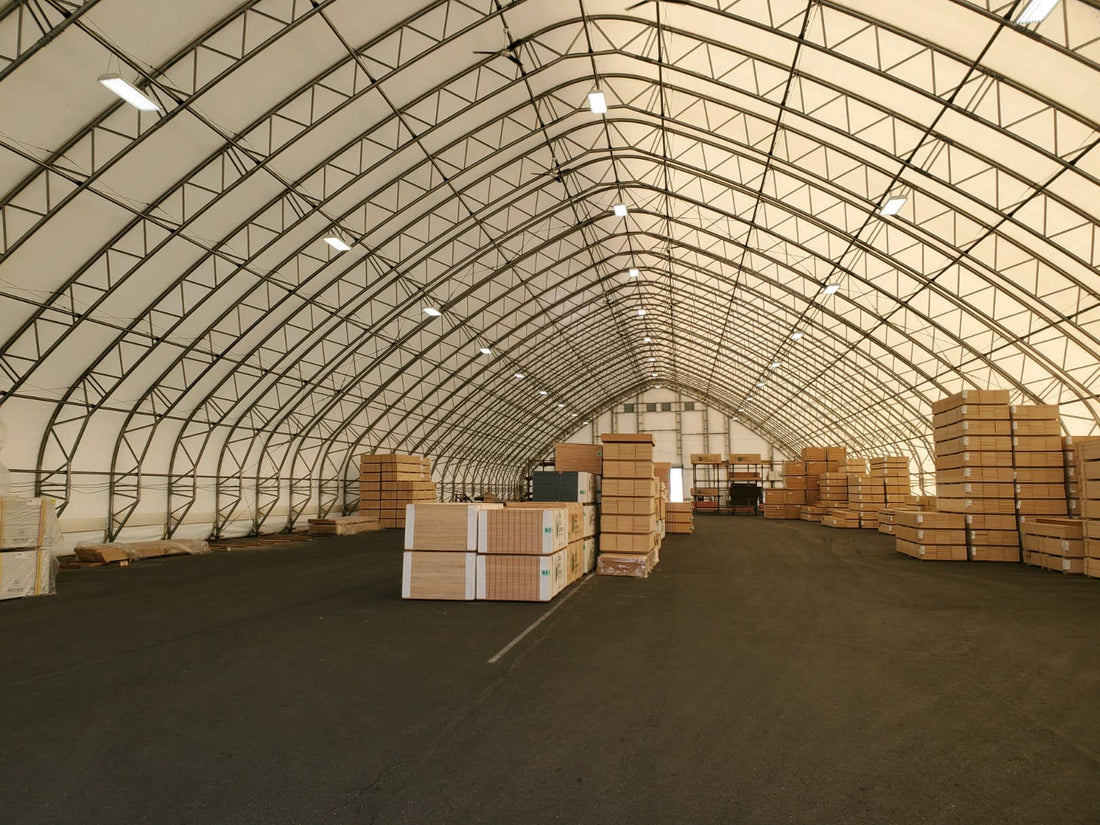
An industrial canopy is an engineered structure, not a frame tent. It has a galvanized steel frame rated for wind, snow, and heavy-duty fabric, designed to perform for years, not just seasons.
How Industrial Canopies Differ from Standard Temporary Shelters
Standard shelters are built for convenience. An industrial canopy has documented load ratings and a frame built for real stress. The difference usually shows in how the structure handles wind, fabric tension, and regular outdoor use.
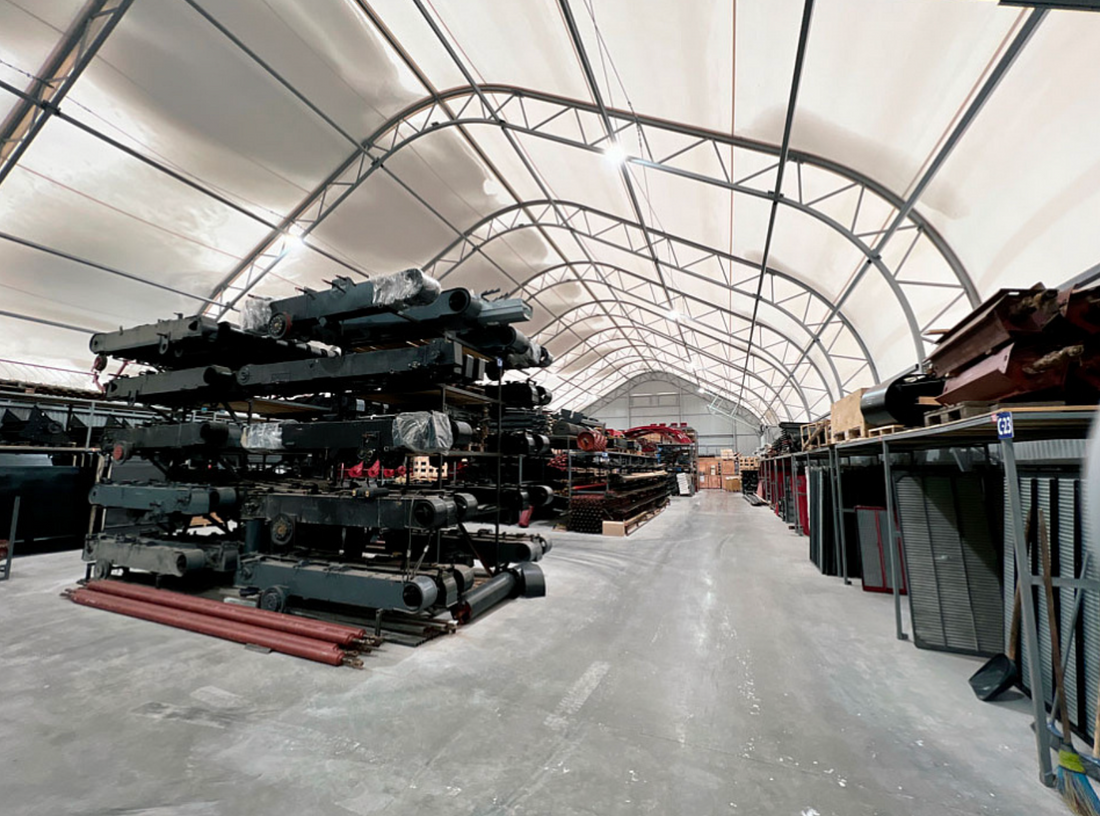
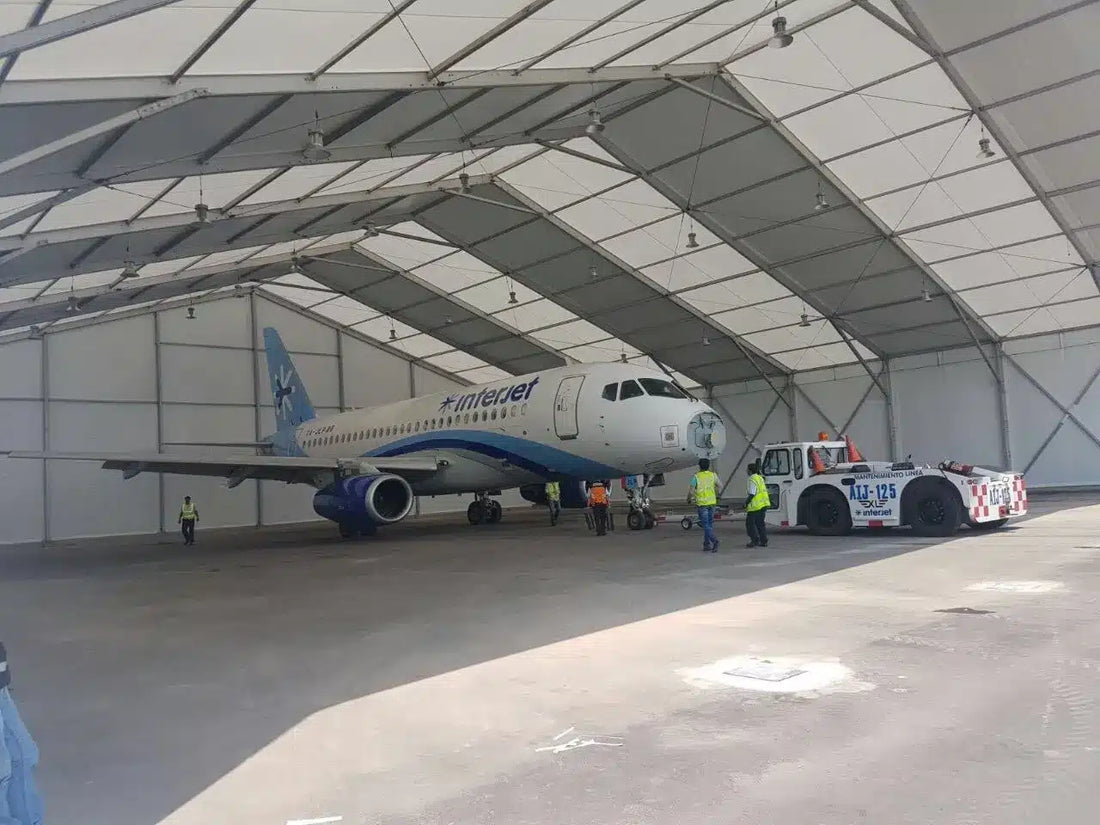
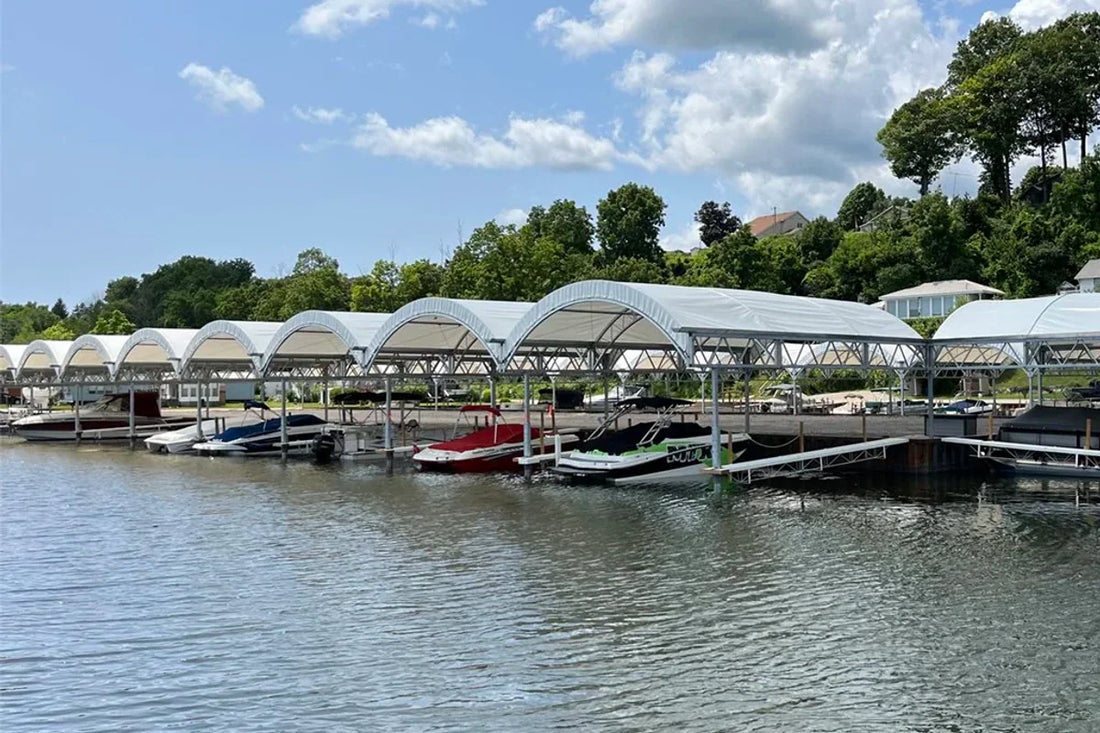
Common Applications in Warehouses, Logistics Yards, Construction Sites, and Equipment Storage
- Loading and unloading bays, machinery storage, bulk material stockpiling, and overflow warehousing
Container Canopies vs Free-Standing Industrial Structures
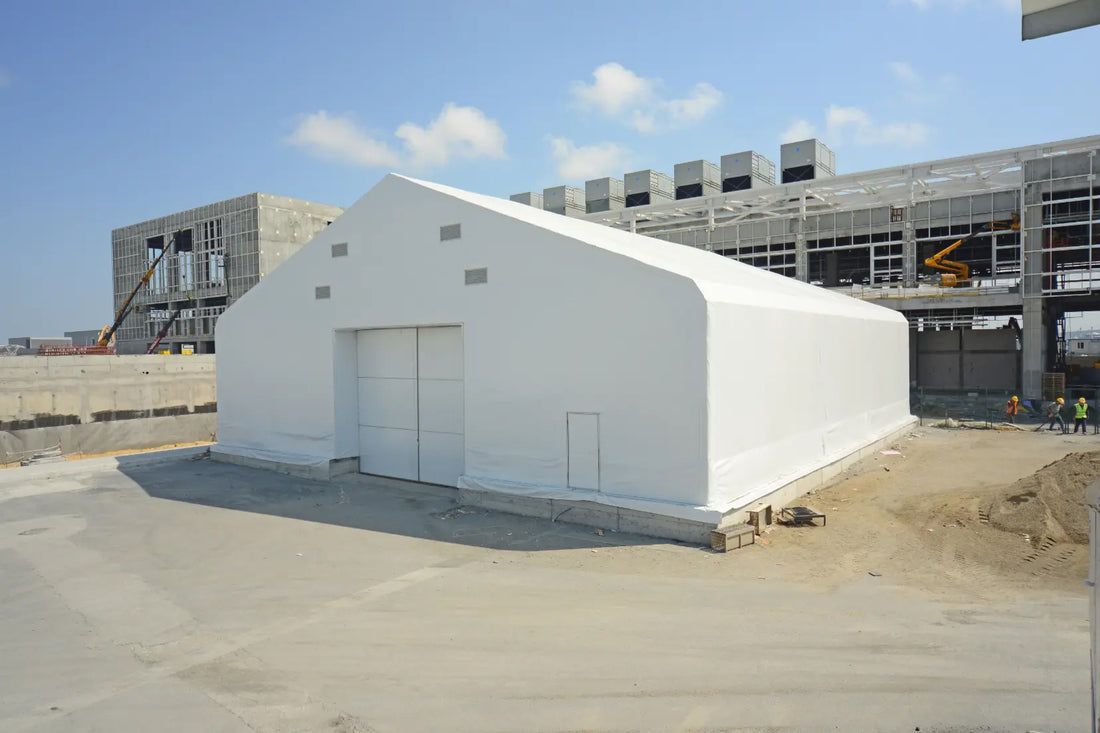
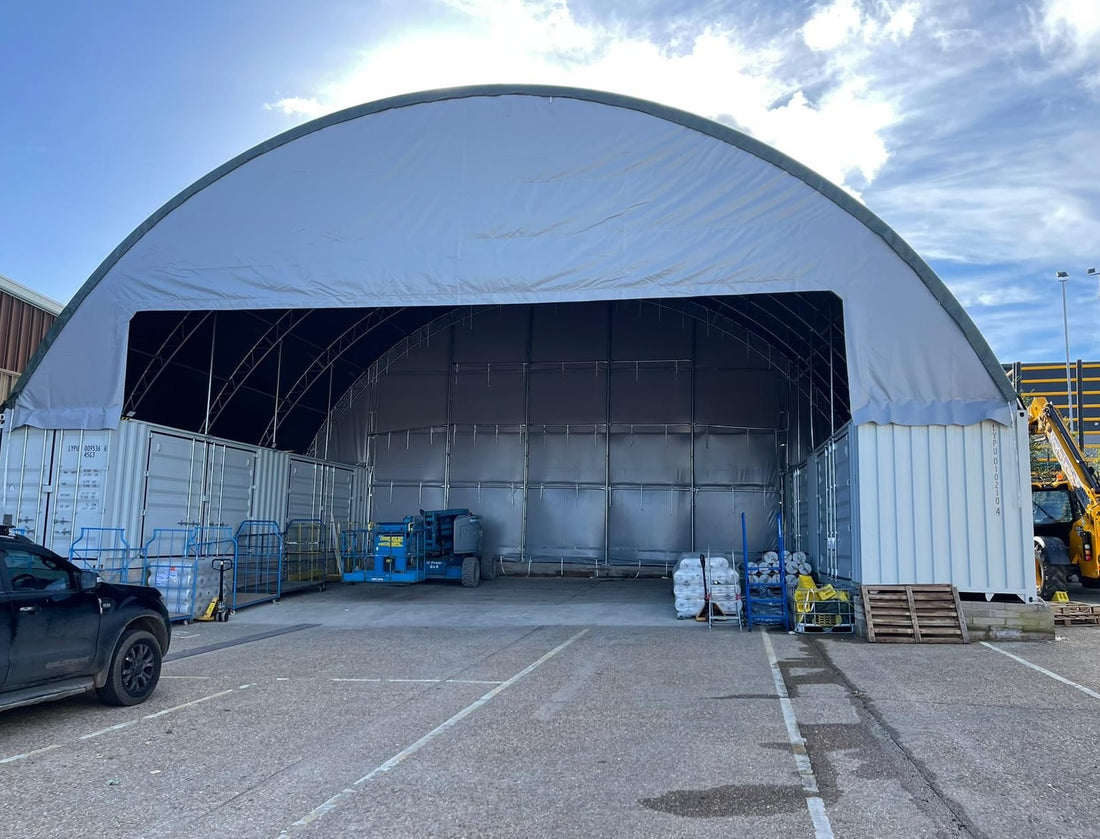
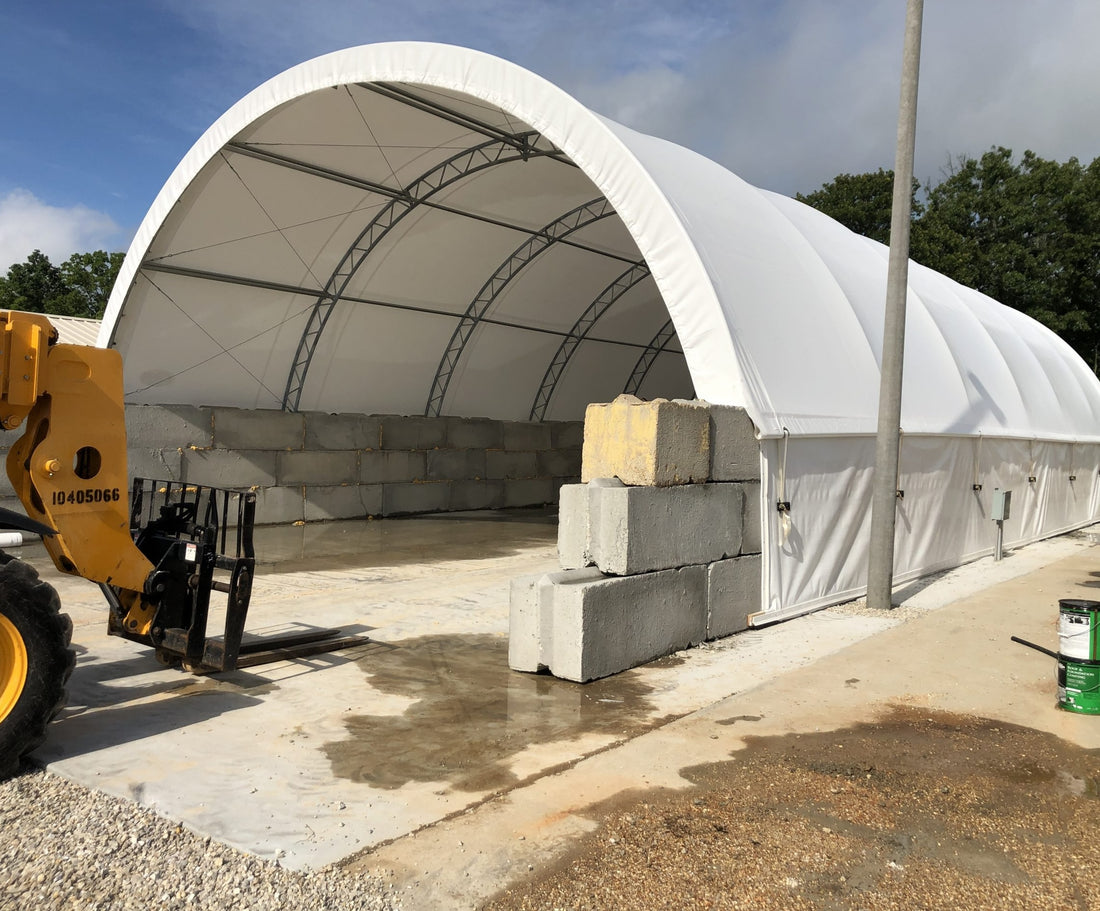
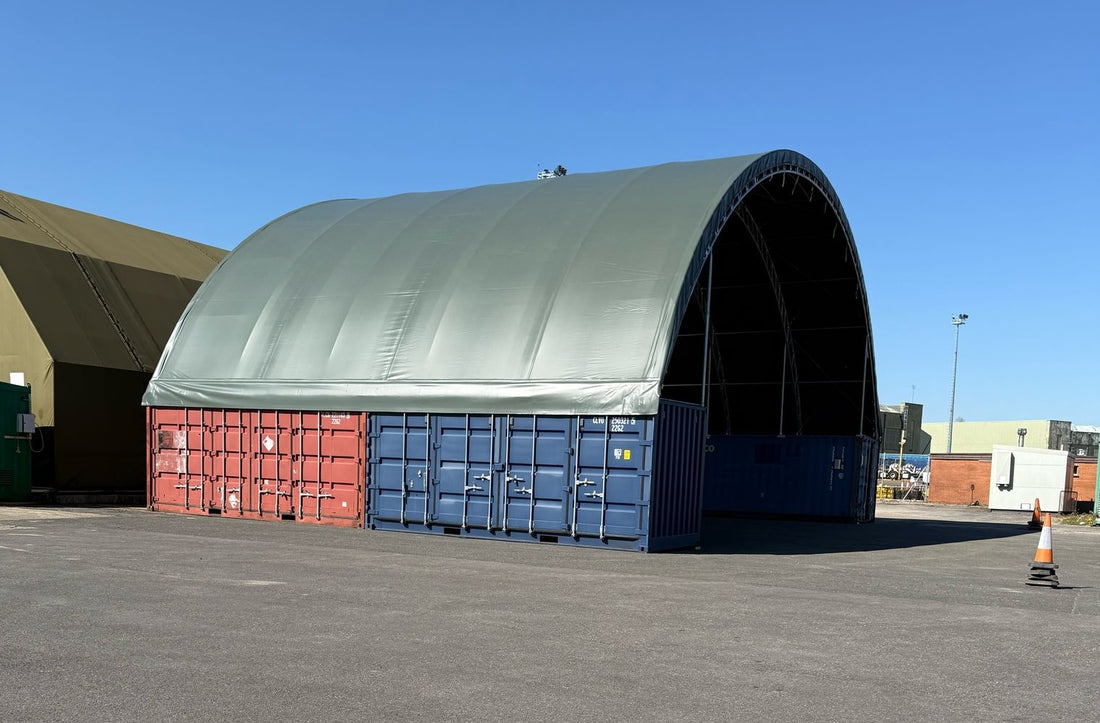
Container canopies mount onto shipping containers and install quickly. Free-standing structures sit on their own foundations and offer more flexibility in placement.
Key Things to Look for When Choosing a Heavy-Duty Industrial Canopy
Structural Strength and Load Capacity
Why Galvanized Steel Frames Matter
Galvanized steel helps resist rust and is often preferred for outdoor industrial sites, especially where moisture is common. In humid or coastal environments, untreated steel corrodes quickly. The added protection supports greater longevity.
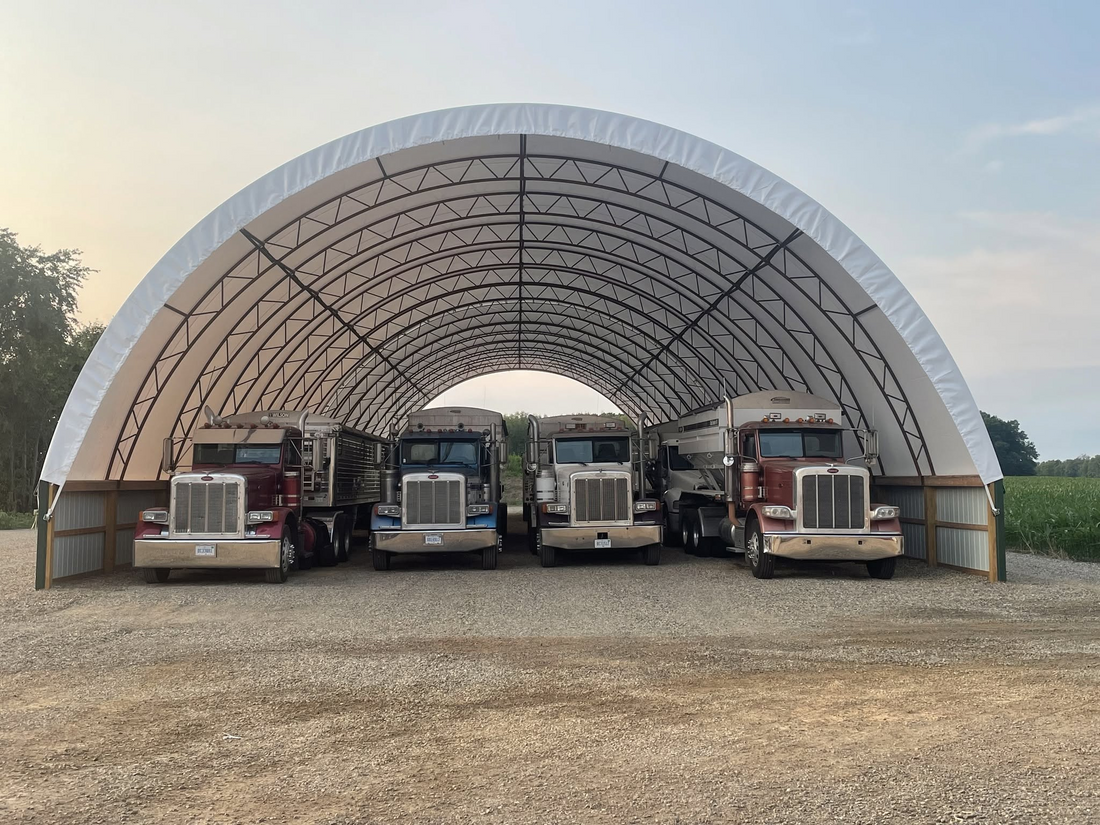
Single Truss vs Double Truss Systems
Double truss frames suit wider spans and heavy snow loads. Single truss works for lighter, narrower applications.
Wind and Snow Load Engineering Considerations
Ask for the actual rated figures, not vague reassurances. Match the spec to your site's real conditions.
Fabric Quality and Weather Resistance
Heavy-Duty PVC Fabric Explained
PVC-coated polyester is the standard for quality industrial shelters. The polyester scrim provides strength; the PVC coating handles waterproofing and weather protection.
UV Resistance, Waterproofing, and Fire-Retardant Features
UV stabilisers slow fabric breakdown. Fire-retardant treatment is a safety requirement in most industrial environments and should come as standard.
Why Fabric GSM Ratings Matter in Industrial Environments
GSM measures fabric weight per square metre. Heavier means denser and more durable. For industrial use, buyers should check the GSM rating and confirm that the fabric is suitable for the site’s weather, span, and use.
Size, Span, and Clearance Requirements
Choosing the Right Width for Yard Operations
Account for vehicle clearances on both sides. A structure that looks spacious on a drawing can feel tight once equipment is working inside.
Height Requirements for Trucks, Forklifts, and Machinery
Measure your tallest equipment with the mast raised, then add a safety margin. Low eave heights cannot be fixed after installation.
Planning for Future Expansion and Scalability
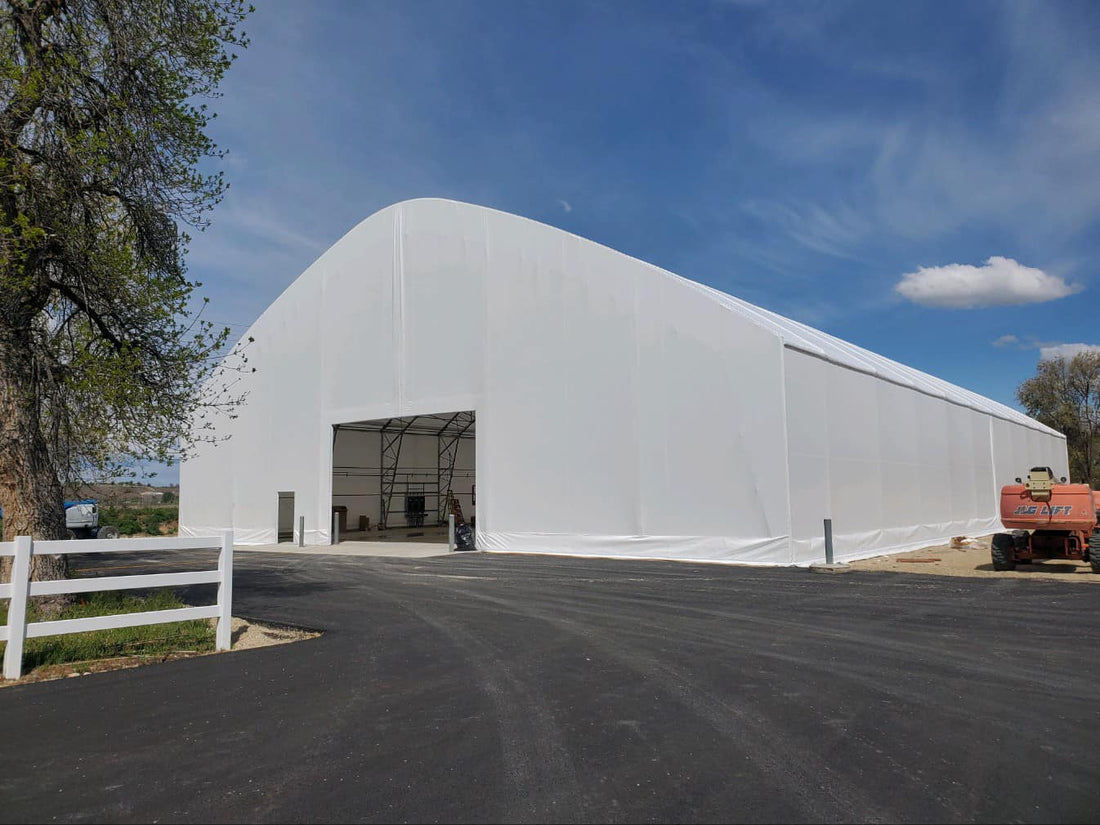
A modular industrial canopy that accepts bay extensions is easier to expand than replacing a fixed structure entirely.
Relocatability and Modular Design
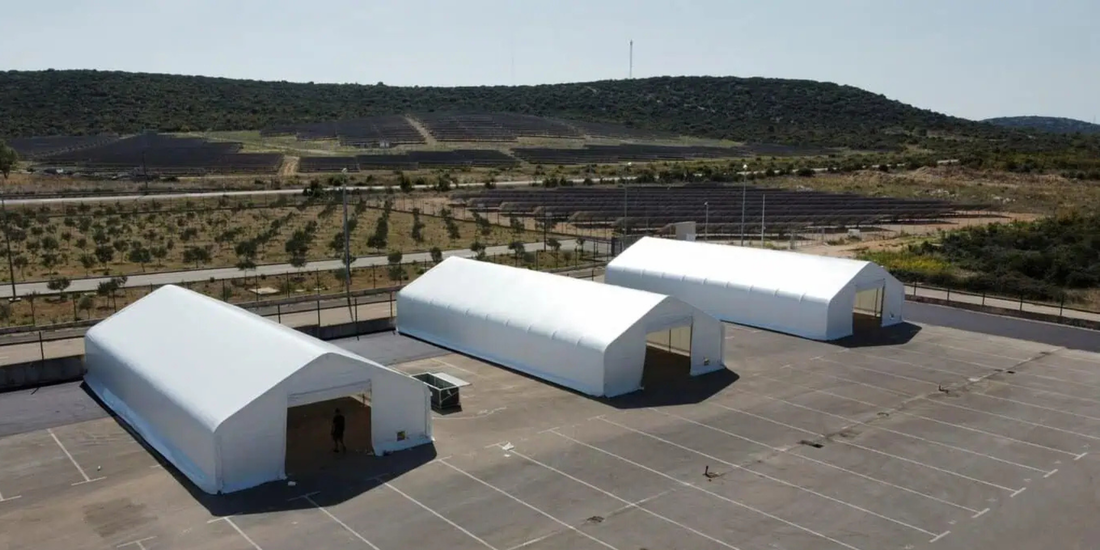
Why Relocatable Structures Offer Better Long-Term Value
When a site closes, a relocatable structure moves with it. When comparing a modular industrial canopy to a permanent structure, this flexibility alone often decides the outcome.
When Businesses Need Temporary vs Semi-Permanent Solutions
Short-term sites need fast setup and clean removal. Long-term operations need something more robust. Good modular industrial shelters handle both.
Compliance, Engineering, and Safety Standards
Why IBC Compliance Matters
The IBC sets minimum structural safety standards. A structure built to IBC requirements meets a recognised benchmark, important for safety and insurance. Always ask for the engineering specification in writing.
Common Mistakes to Avoid When Buying a Heavy-Duty Industrial Canopy
Choosing Price Over Structural Quality
A basic structure that fails in three years can create greater overall challenges when you factor in replacement, downtime, and damaged stock.
Ignoring Local Weather Conditions
A structure rated for mild conditions will not survive heavy snow or coastal winds. Match the spec to the actual site.
Underestimating Space Requirements
Plan for vehicle turning and loading clearances, not just what is being stored. Operations always need more room than the plan suggests.
Buying a Non-Expandable Structure
If growth is possible, a fixed structure quickly becomes a problem. Modular systems extend without rebuilding.
Why Sheltirx Canopy Systems Are Built for Demanding Yard and Warehouse Environments
Sheltirx designs relocatable fabric structures for industrial storage, yard coverage, temporary warehousing, and container-mounted canopy applications. These are purpose-designed industrial building systems engineered to meet area-specific wind and snow load requirements in line with the International Building Code.
Every structure is fully relocatable. Systems can be extended, reconfigured, or moved as business needs change. The range covers container canopies, fabric warehouse buildings, and industrial storage tents across a wide range of sizes. Sheltirx maintains a zero structural failure record, a reflection of the engineering rigour applied to every project from design through to installation.
Final Thoughts: Choosing an Industrial Canopy That Delivers Long-Term Value
Frame quality, load ratings, fabric spec, span, clearance, and relocatability, get those right, and the investment pays back many times over.
A covered yard can reduce weather delays, protect assets, and make daily work easier to manage. The right industrial canopy keeps equipment working, protects stock, and keeps operations running no matter what the weather does.
Frequently Asked Questions
What Is the Best Heavy-Duty Industrial Canopy for Warehouses?
It depends on span, clearance, and relocatability needs. For most warehouses, a clear-span fabric building with a galvanized double-truss frame works well, open floor area, solid load capacity, and room to extend.
Are Industrial Canopies Suitable for Extreme Weather?
Yes, if engineered for it. Check wind and snow load ratings against your local climate. A structure rated for high loads handles extreme conditions. One rated for mild use will not.
How Long Do Heavy-Duty Industrial Canopies Last?
A well-built canopy with a galvanized frame and quality PVC fabric typically lasts 20 years or more. Fabric lifespan depends on GSM rating, UV treatment, and maintenance.
Can Warehouse Canopies Be Expanded Later?
Yes, if the structure is modular. Many industrial shelters can accommodate additional bays, allowing the covered area to grow without a full replacement. Confirm this before buying.
Do Industrial Canopies Require Planning Permission?
It depends on the region, structure size, and how it is classed. Smaller relocatable structures often fall below the threshold for formal approval, but rules vary. Always check local requirements before installation.