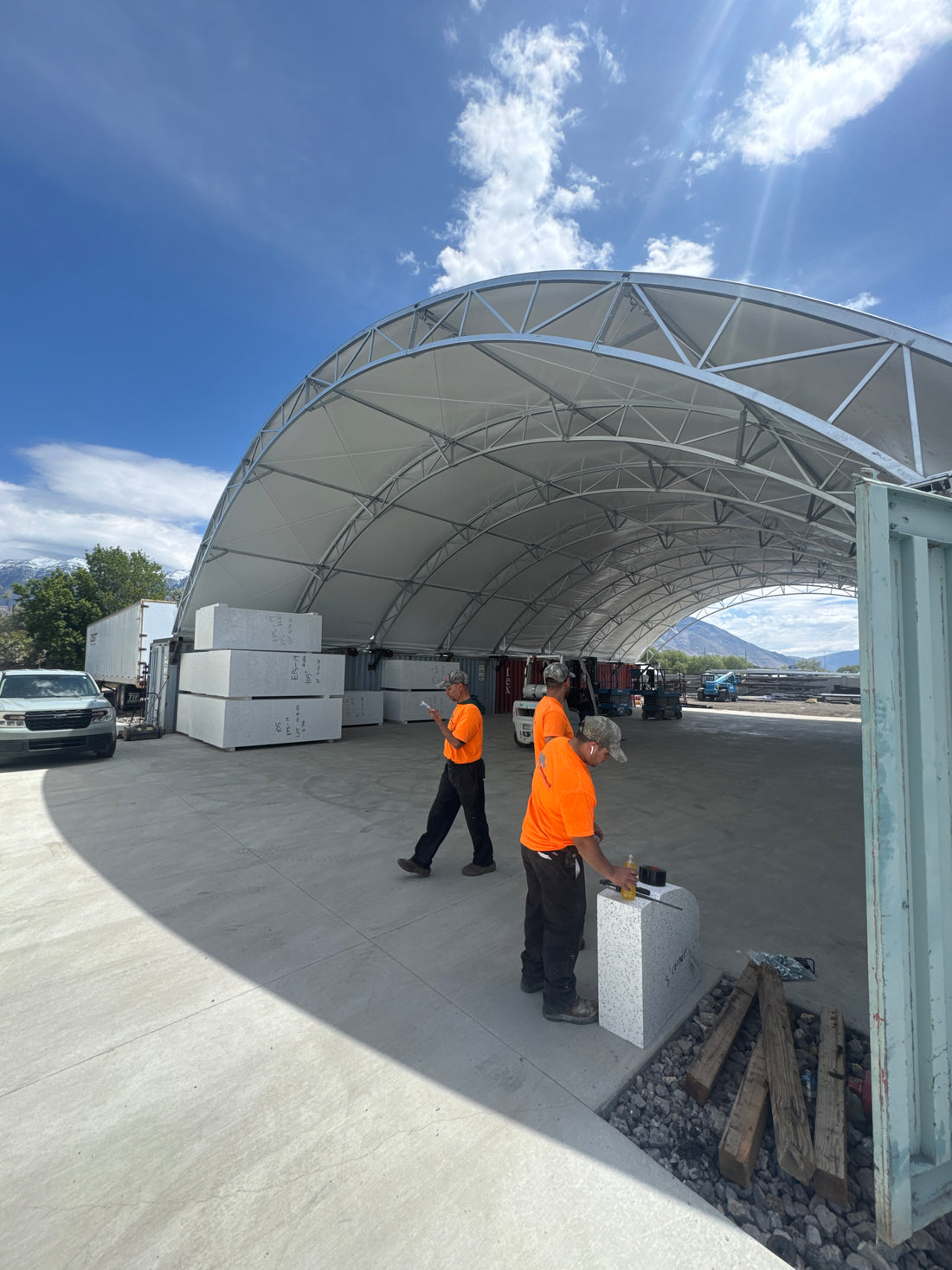
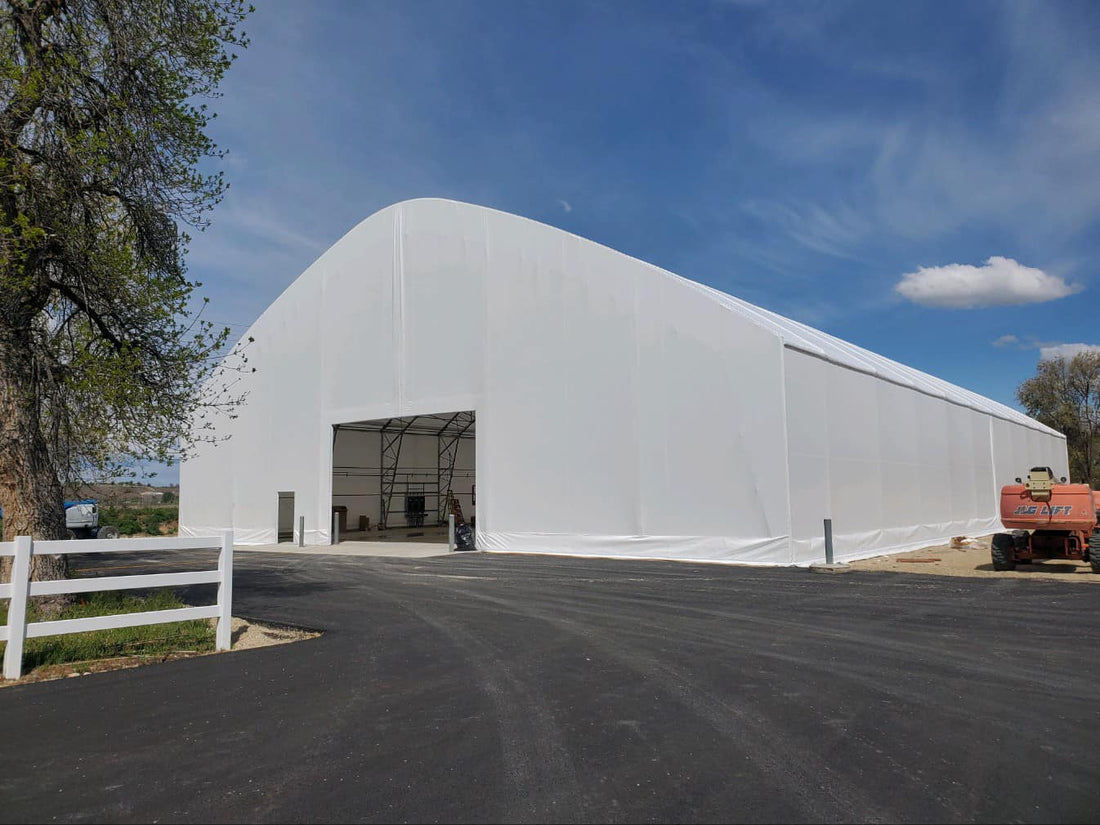
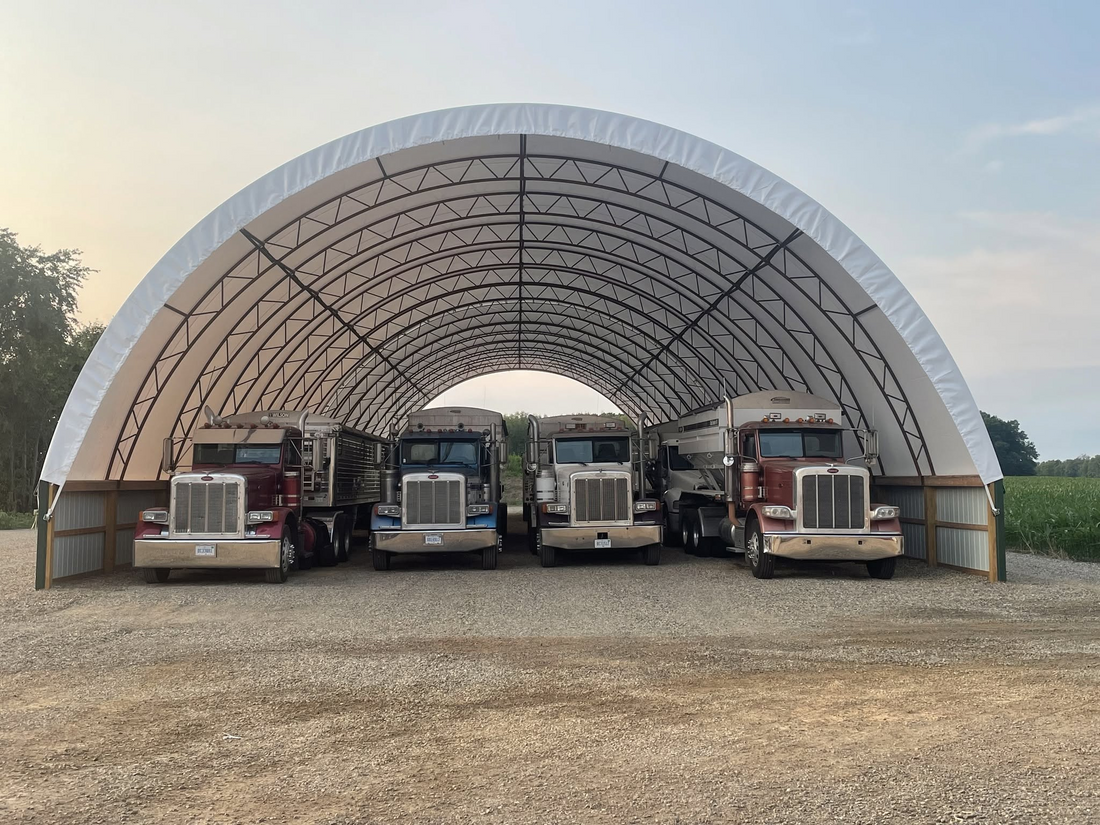
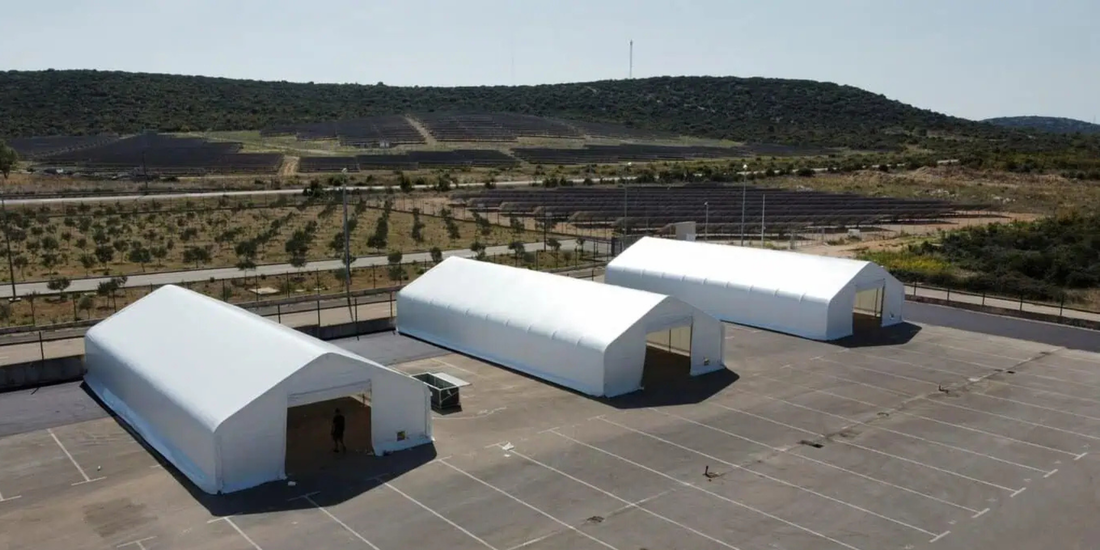

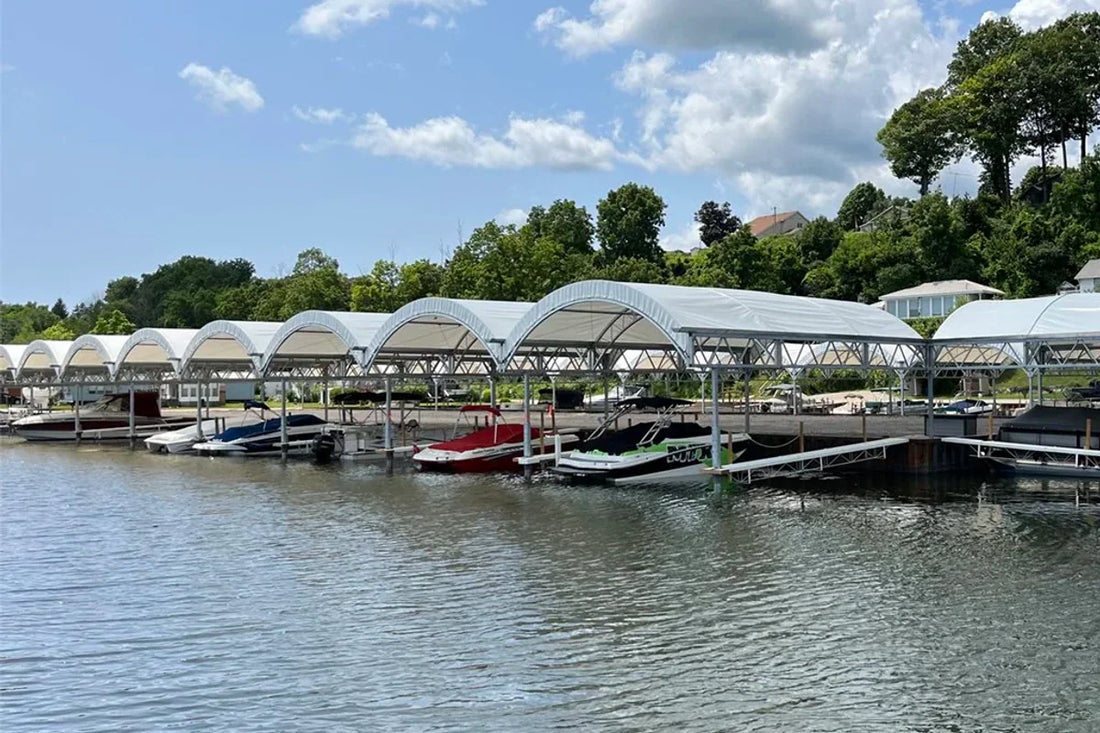
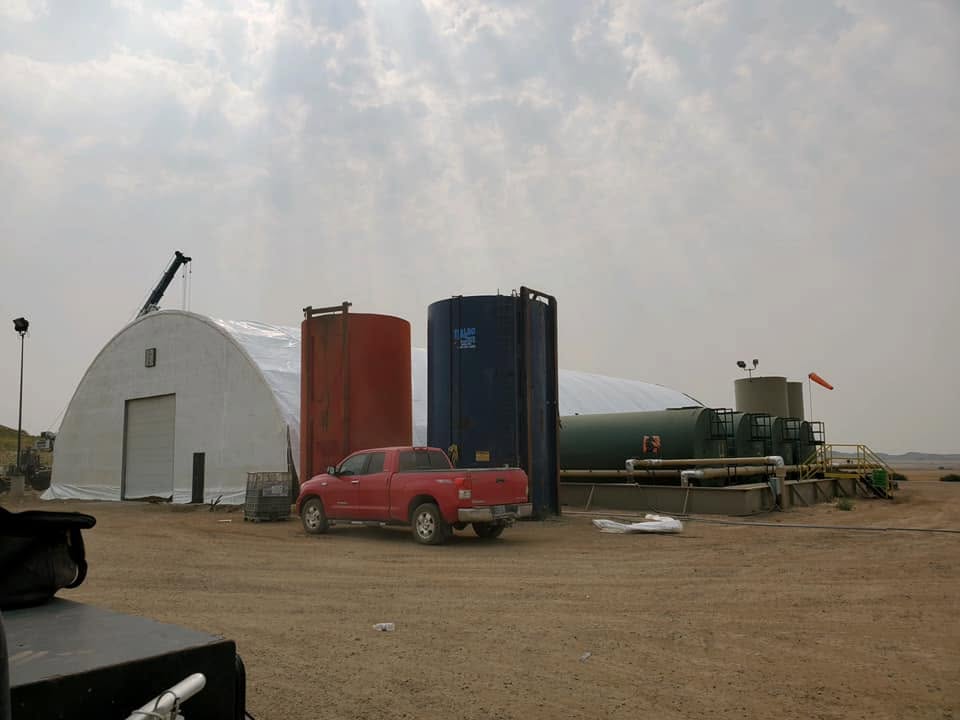

A shipping container canopy and a steel carport may look similar at first. Both give covered space. Both protect equipment, vehicles, and stored items. But they do not always handle wind and snow in the same way.
A site manager should not choose only by price or looks. Weather matters. Site layout matters. The support system matters too. This guide from Sheltirx explains the differences in simple terms so that you can make a safer, clearer choice.
Objective
The objective of this blog is to compare a shipping container canopy and a steel carport for wind and snow use. It explains what affects strength, what questions to ask, and how to read basic load information before ordering.
Key Takeaways
- A container canopy often uses shipping containers as heavy side support.
- A steel carport usually depends on posts, anchors, and roof framing.
- Wind can lift a roof if the structure is not properly designed and anchored.
- Snow can overload a roof if the frame and fabric are not rated for the site.
- Always ask for the container canopy wind load rating and snow load details.
- Local code rules matter. ASCE 7 is widely used in the U.S. for structural design loads, including wind and snow.
Shipping Container Canopy Vs Carport: The Basic Difference
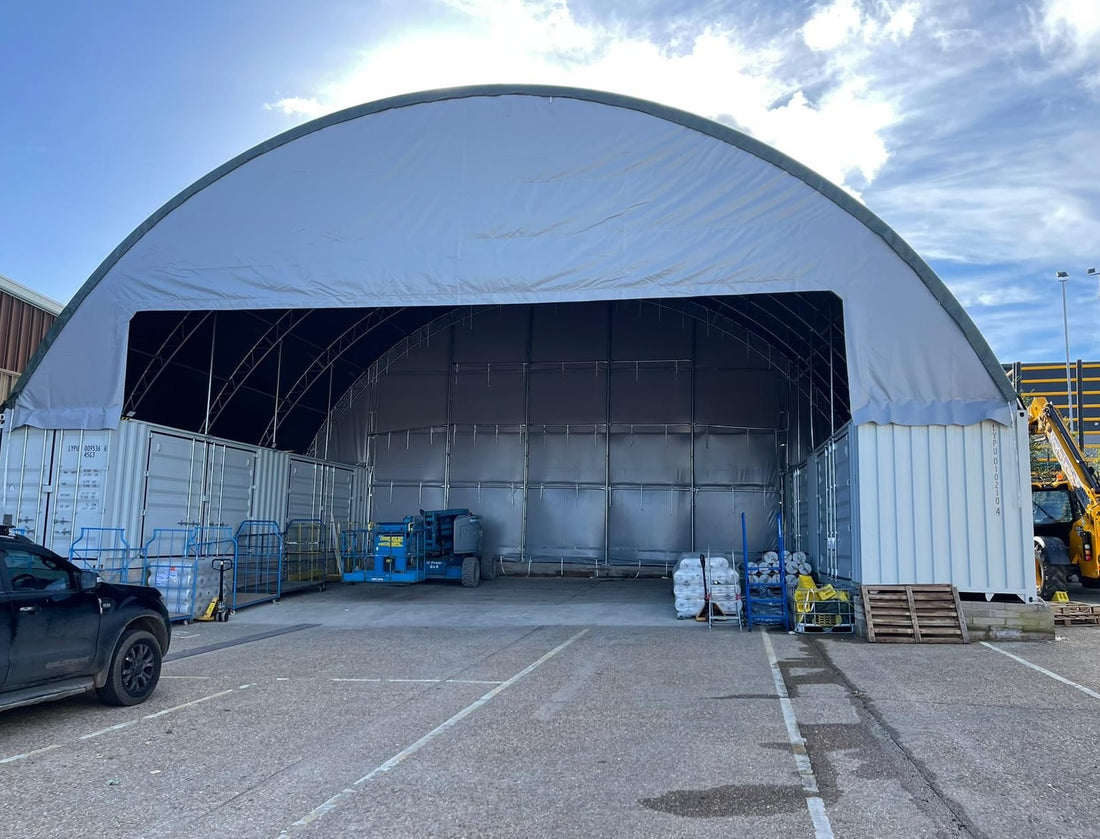
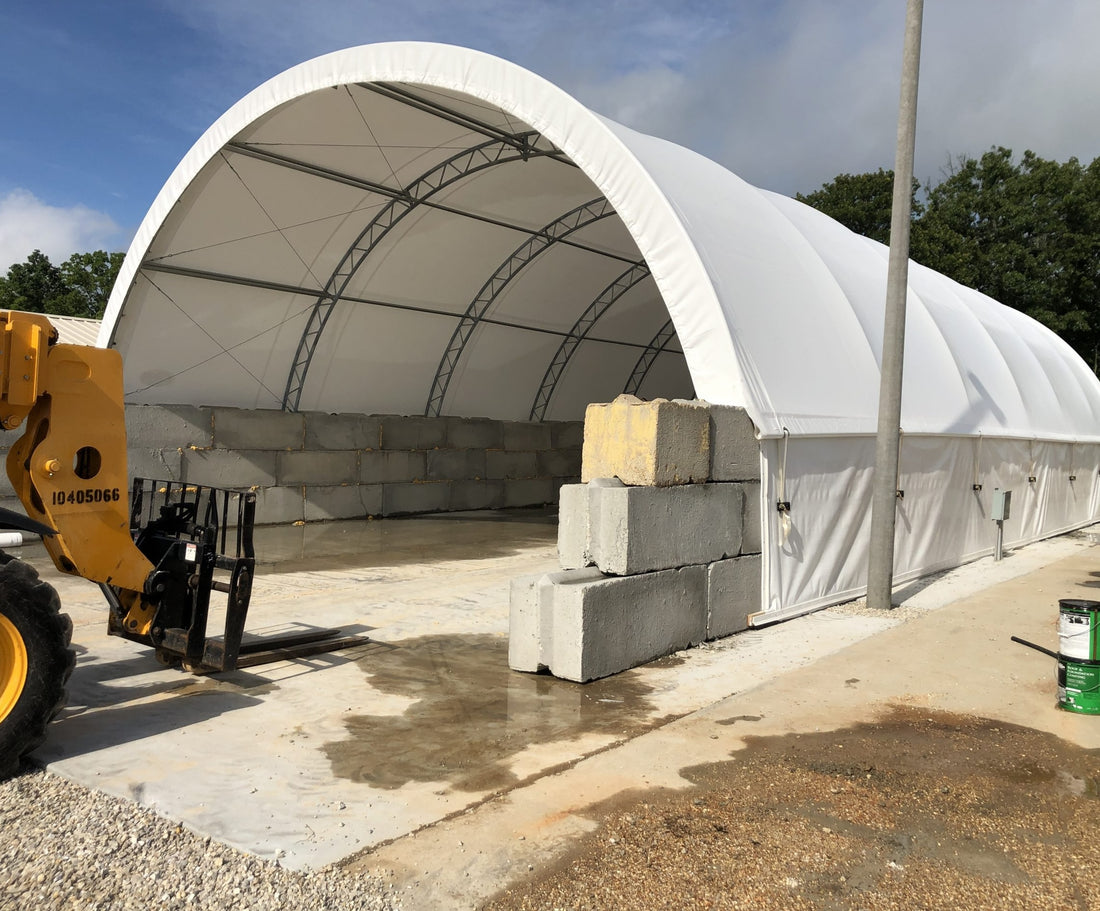
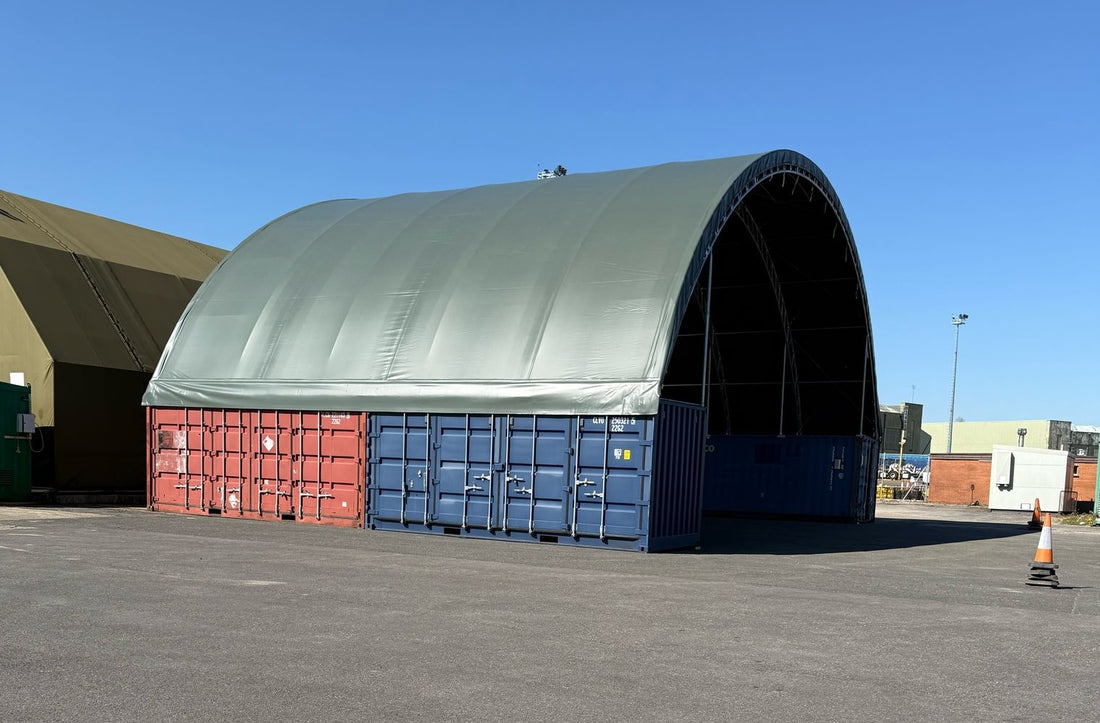
A shipping container canopy is usually fixed between two shipping containers or attached to one of them. The containers work as strong side walls or supports. This creates a wide covered area for storage, loading, parking, or work.
A steel carport is usually made with posts, beams, roof panels, and anchors. It may stand on concrete, gravel, asphalt, or soil. Some are light-duty. Some are engineered for heavy weather.
The main difference is support.
A container canopy gains strength from the weight and shape of the containers. A carport depends more on post strength and anchor quality.
How Wind Affects A Container Canopy
Wind does not only push from the side. It can also lift the roof upward. This is called uplift. It can be a serious problem for any open-sided structure.
A shipping container canopy may handle wind well when:
- The containers are level and stable
- The frame is properly fixed to the containers
- The roof shape suits the wind area
- The cover is tightly installed
- The anchoring system matches the design
Wind pressure can be stronger at roof edges, corners, and open sides. FEMA guidance on wind-resistant building provisions also points to the need for roof systems to resist design wind pressures.
This is why the container canopy wind load rating should never be guessed.
How Wind Affects A Steel Carport
A steel carport can also withstand wind well, but only when properly designed and anchored.
The weak point is often not the steel itself. It is the connection to the ground. If posts are not deep enough, bolts are weak, or anchors are poor, strong wind can move the structure.
A carport may perform well when:
- It has engineered drawings
- It has proper base plates or footings
- It is rated for local wind speed
- It has strong roof-to-post connections
- It is installed on suitable ground
For open yards, farms, and industrial sites, a light carport may not be enough.
Container Canopy Snow Load IBC: What It Means
The keyword "container canopy snow load" in the IBC simply points to one important idea. Snow load should be checked against local building rules and design standards.
Snow is heavy. Wet snow is even heavier. Snow can also drift on one side of a roof. This creates uneven pressure.
The International Code Council notes that snow design can include flat-roof snow, sloped-roof snow, unbalanced snow, snow drifts, and ice load issues.
A container canopy should be selected based on the site's snow conditions. A shelter that works in a mild area may not work in a heavy snow area.
How Snow Affects A Shipping Container Canopy
A shipping container canopy often has a curved or sloped roof. This can help snow slide off more easily than on a flat roof. But this does not mean every canopy is snow-ready.
Ask these questions:
- What is the snow load rating?
- Is the rating for your location?
- Can the roof handle drifting snow?
- Is the frame rated for wet snow?
- Is snow removal needed during storms?
A strong frame and good roof slope help. But the design must still match the local snow load.
This is where Sheltirx can be considered during planning, but the final decision should always be based on site data, ratings, and local rules.
How Snow Affects A Steel Carport
A steel carport can handle snow when it has the right roof pitch, framing, spacing, and posts.
But some carports are made for light cover only. They may protect a vehicle from the sun and rain, but not heavy snow.
A steel carport may have problems when:
- The roof is too flat
- The frame spacing is too wide
- The posts are too light
- Snow builds up near the roof edges
- The structure has no engineered rating
Snow load failure can happen slowly. The roof may bend first. Then connections may weaken. That is why proper rating matters before purchase.
Comparison Table: Container Canopy Vs Steel Carport
Sea Container Canopy: When It May Be The Better Choice
A sea container canopy can be a good choice for large working sites. It works well when containers are already used for storage, site offices, or material control.
It may be better when you need:
- A wider covered bay
- Strong side support
- Better use of existing containers
- Covered storage between containers
- A layout that can move with the project
A shipping container canopy is often a practical option for construction yards, mining sites, farms, depots, and equipment storage areas.
When A Steel Carport May Be Better
A steel carport may be better for smaller or simpler needs.
It may work well when:
- The site needs vehicle parking
- The covered area is small
- Containers are not available
- The structure must fit a tight space
- The site has a prepared concrete pad
Questions To Ask Before Ordering
Before choosing a container canopy or carport, ask:
- What is the local wind speed requirement?
- What is the snow load requirement?
- Is the structure engineered for the site?
- Are drawings available?
- What anchoring method is used?
- What ground preparation is needed?
- What warranty covers weather damage?
- Who installs the structure?
- Are permits required?
- What maintenance is needed?
These questions help you avoid paying for a shelter that is not right for the job.
FAQs
Is A Shipping Container Canopy Stronger Than A Steel Carport?
It can be stronger for industrial use if properly designed and securely fastened to stable containers. A steel carport can also be strong if it is properly engineered, with posts and anchors.
What Is A Container Canopy Wind Load Rating?
A container canopy wind load rating indicates the wind pressure or wind speed that the structure is designed to withstand. Always ask for this before ordering.
What Does Container Canopy Snow Load IBC Mean?
Container canopy snow load IBC means the snow rating should be checked against building code needs and local snow conditions. It should not be guessed.
Can A Container Canopy Handle Heavy Snow?
Yes, but only if the frame, roof shape, cover, and connections are rated for that snow load. Heavy snow areas need a stronger design.
Is A Sea Container Canopy Good For Industrial Sites?
Yes. A sea container canopy is useful for many industrial sites because it creates a wide covered space between containers.
Which Is Better For Wind, A Container Canopy Or A Carport?
The better choice depends on design and installation. A container canopy may perform better on heavy-duty sites. A carport may work well when it is engineered and anchored correctly.
Conclusion
A decision between a shipping container canopy and a carport should be based on weather, site use, support requirements, and ratings. Do not choose only by price.
For wind, check uplift resistance and anchoring. For snow, check roof shape, snow rating, and local code needs. A strong-looking shelter is not enough. The details matter.
For site teams comparing covered shelter options, Sheltirx can be included in the final review once wind, snow, access, and size requirements are clear.
“Choose The Shelter That Matches Your Weather, Your Site, And Your Daily Work. Ask For The Ratings Before You Order.”