
Objective
This blog explains how construction shelters help a worksite run better every day. It looks at how they protect materials, create usable covered space, reduce delays, and support smoother work in changing weather. It also covers how construction site shelters, temporary construction shelters, fast construction shelters, and Formex construction solutions fit into real jobsite needs.
Key Takeaways
- Construction Shelters help reduce weather-related delays.
- They protect materials, tools, and equipment from rain, wind, dust, and snow.
- Good shelter space improves worker movement, storage, and loading operations.
- Temporary construction shelters can be installed much faster than permanent buildings.
- Many modern shelter systems are relocatable and can be reused on future projects.
- Custom options, including Formex construction structures, can fit different site needs.
1. What Construction Shelters Do On A Worksite
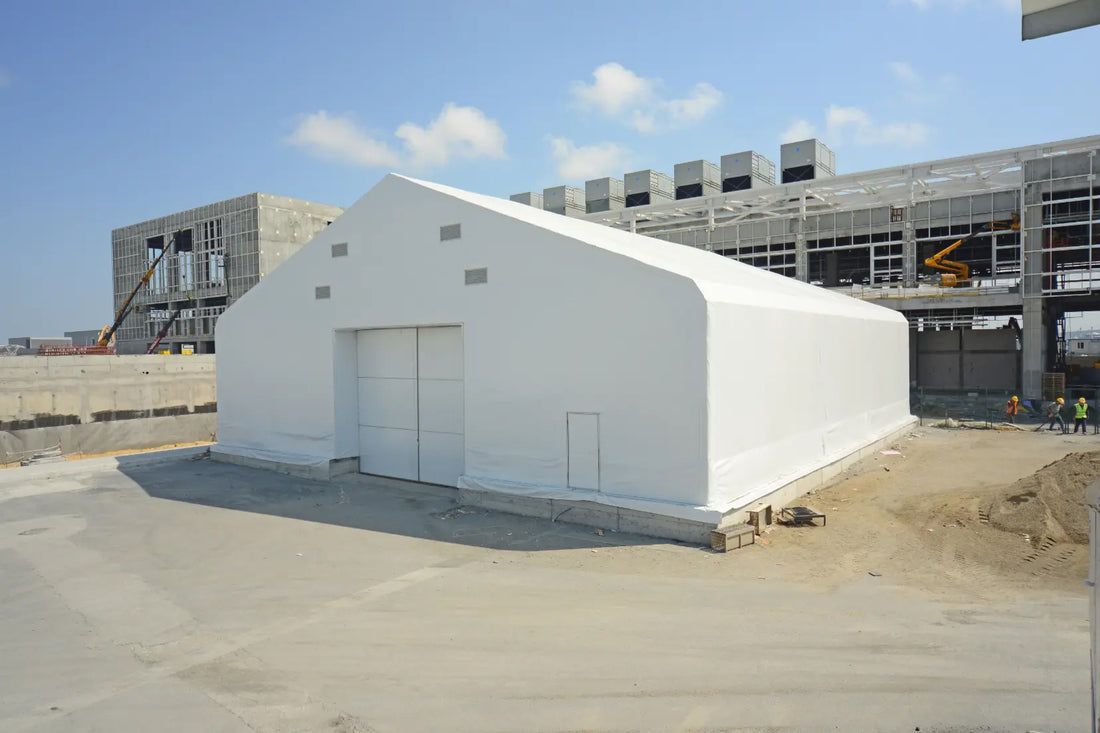
Construction projects depend on timing. Crews need space to store materials, stage equipment, load trucks, and complete tasks without constant disruption. That is where Construction Shelters make a real difference.
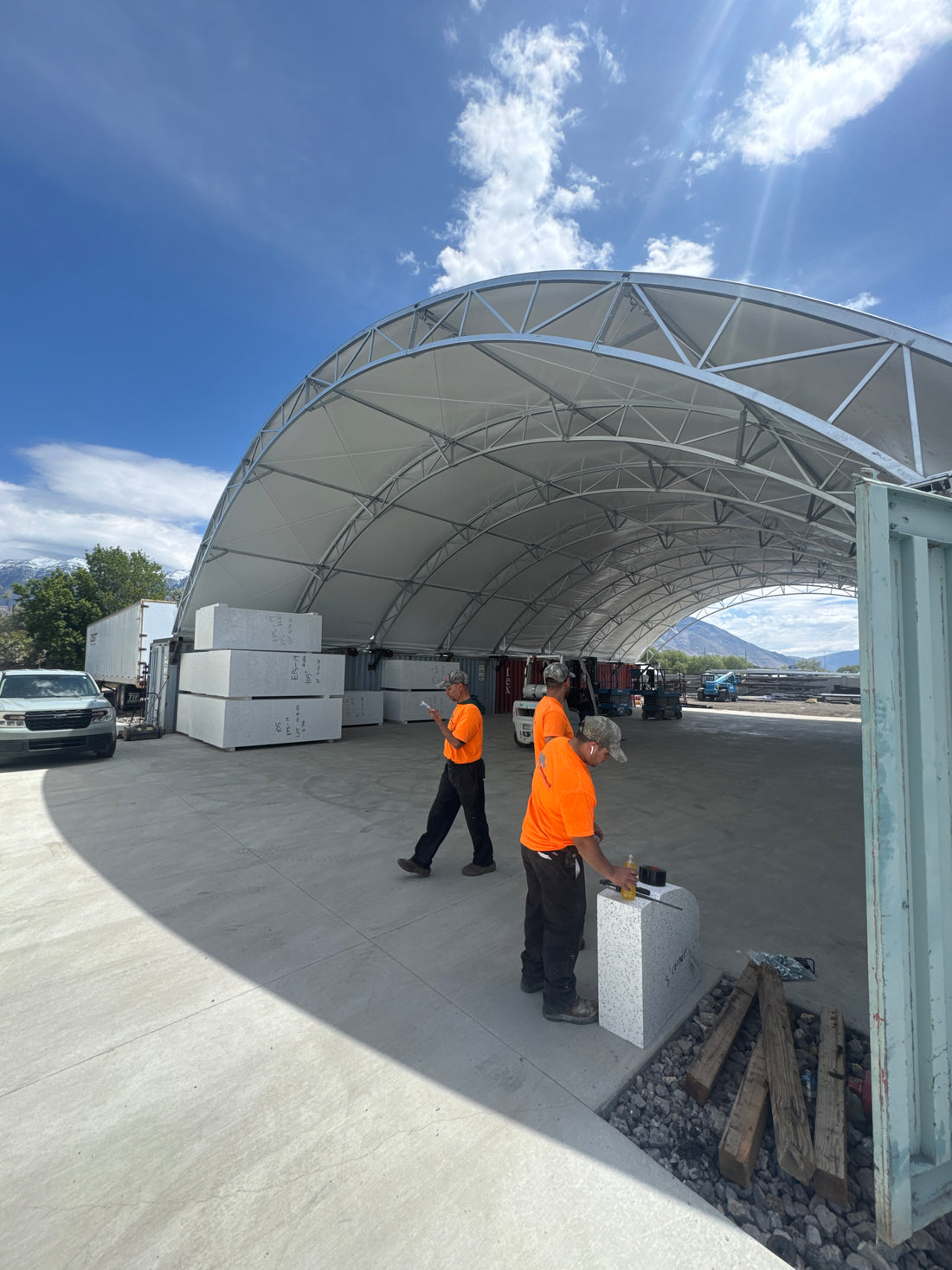
A shelter creates a covered working space without the long timeline of a traditional building. It provides teams with a protected area for tools, supplies, machinery, and work activities. On busy sites, that simple change can improve the full rhythm of the day.
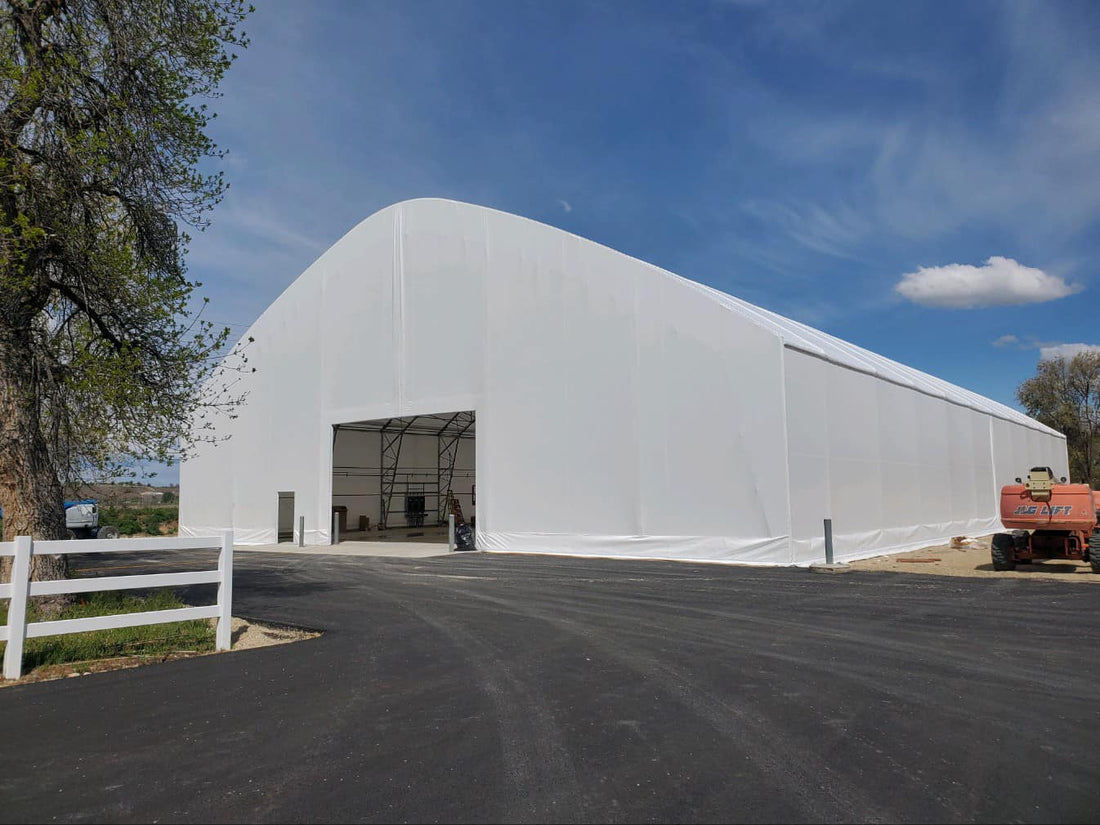
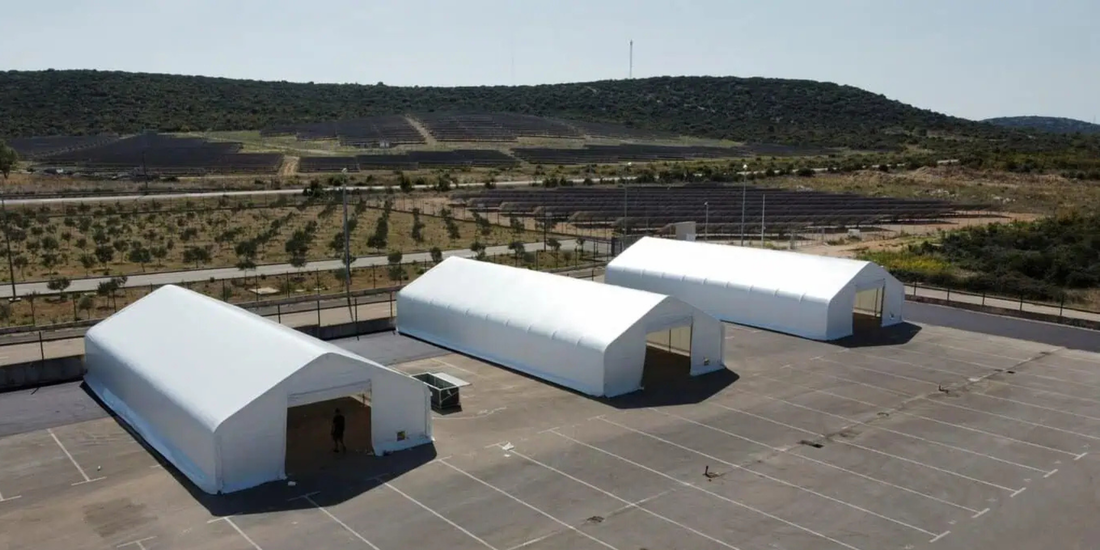
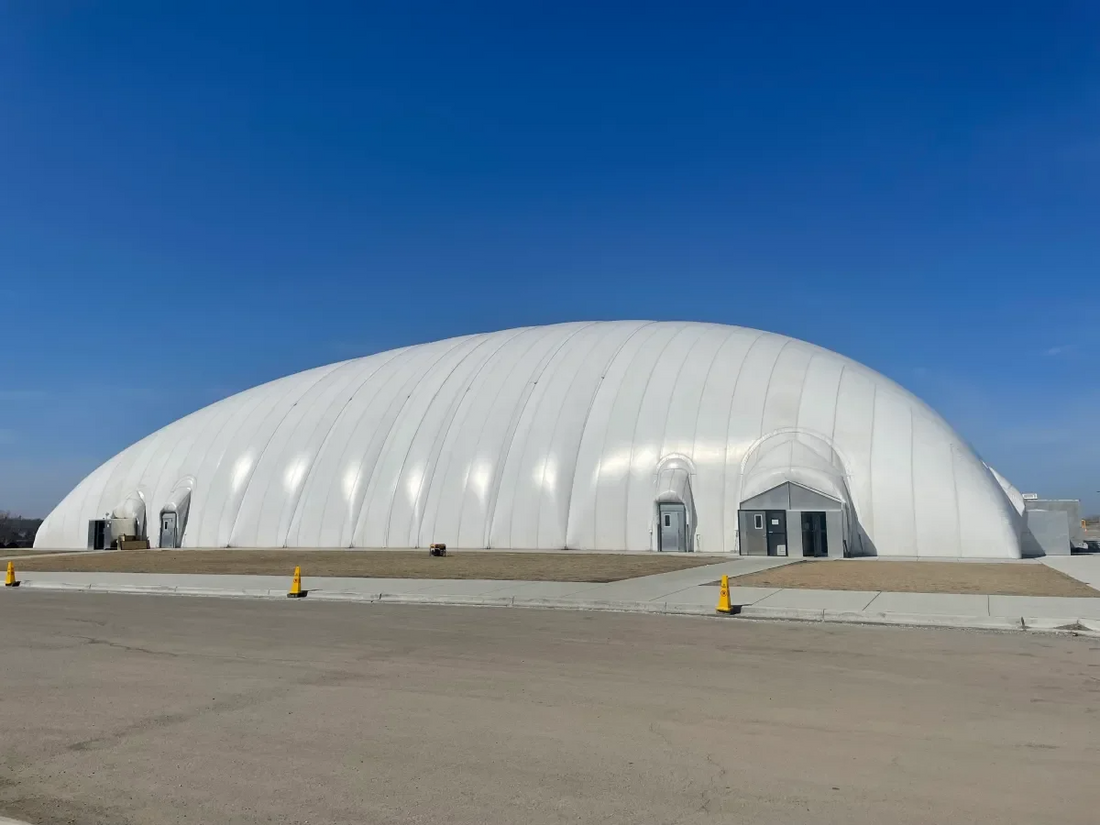
Our fabric structures are faster to install, relocatable, and more flexible than traditional steel or concrete buildings. It also explains that some systems are built to move, expand, or be reconfigured when needs change.
That flexibility matters on construction sites because layouts change. Access roads shift. Material zones move. Project stages evolve. A covered area that can adapt is often more useful than a fixed structure.
2. How Construction Site Shelters Reduce Delays
Weather is one of the biggest causes of lost time in construction. Rain can soak materials. Snow can block work areas. Strong sun can overheat workers and equipment. Wind can affect handling, loading, and setup.
Construction site shelters help control these problems by providing crews with a more stable work environment. Instead of stopping every time conditions change, teams can keep key tasks moving under cover.
Shelters can help with:
- keeping materials dry
- protecting packaged goods and supplies
- Reducing mud and mess in active work zones
- creating a better area for loading and unloading
- limiting exposure during maintenance or assembly work
This does not eliminate every weather problem, but it reduces the extent to which weather interrupts the project. That alone can improve site efficiency in a very practical way.
3. Why Temporary Construction Shelters Improve Daily Operations
Many jobs do not need a permanent building. They need useful space right now. That is why temporary construction shelters are valuable.
A temporary shelter can solve short-term or medium-term space problems without the time and complexity of a full structure. Some sites use them during early construction. Others use them during peak material delivery periods. Some use them for seasonal protection.
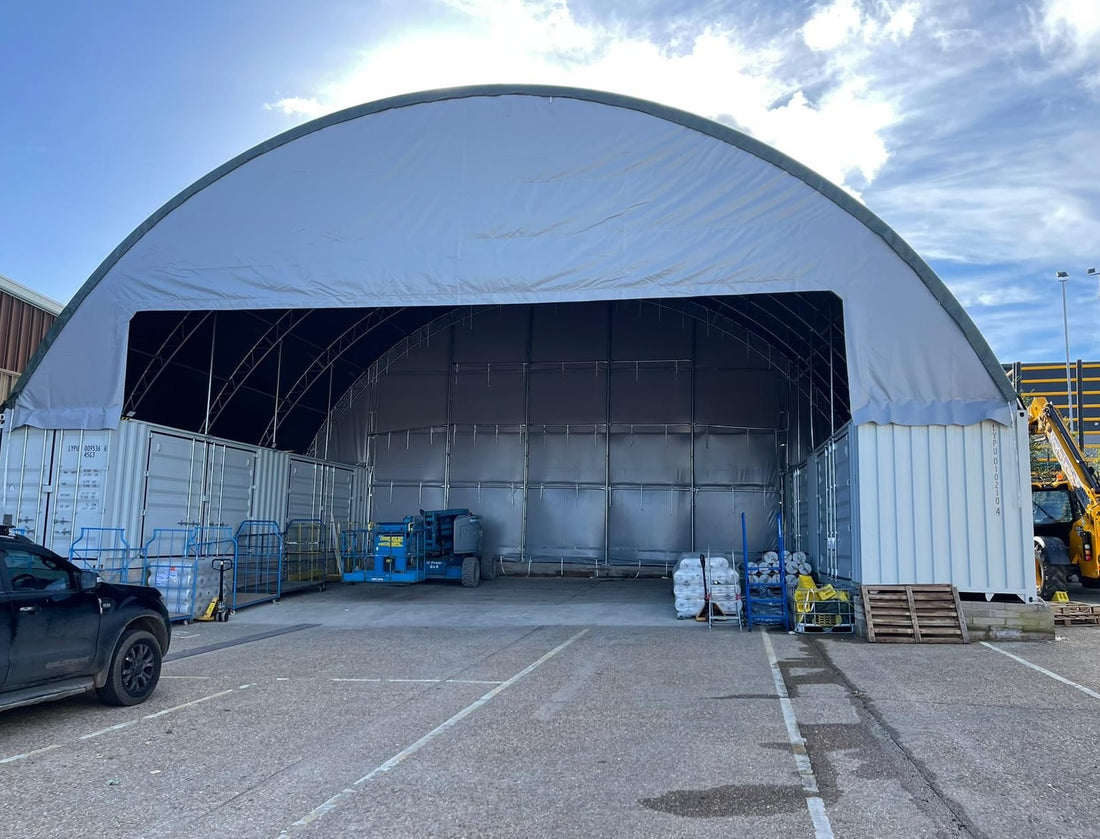
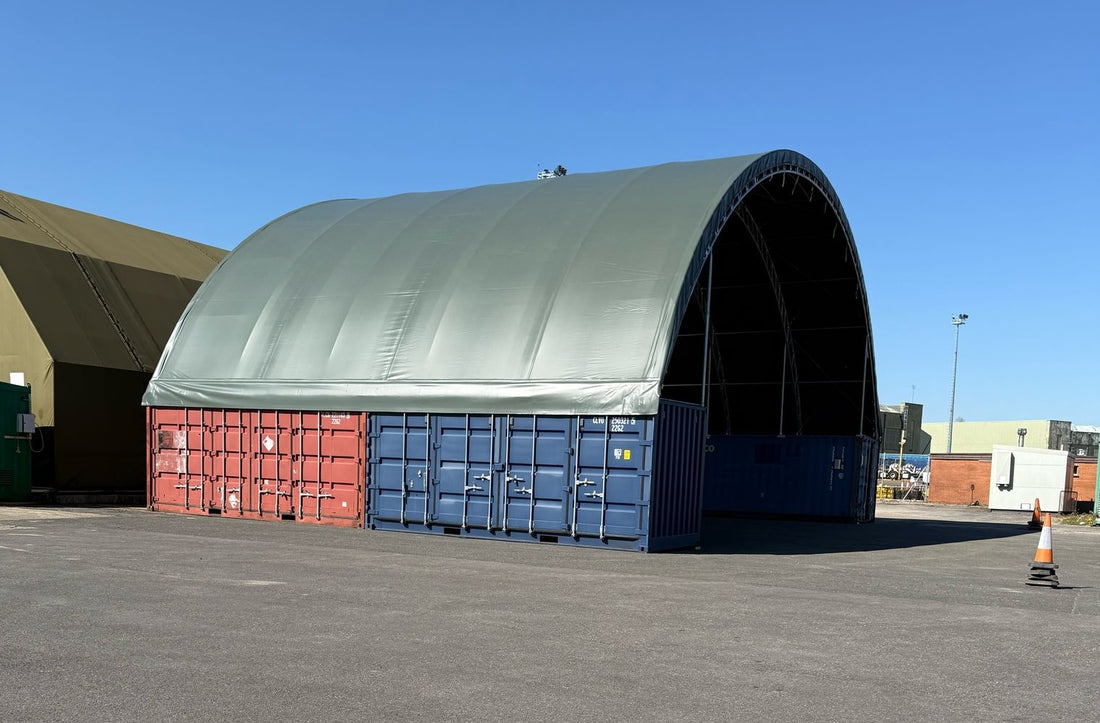
Stocked container canopies and common storage shelters can often be delivered within 10 working days, while installation for many container shelters and storage warehouses can be completed in days once on-site.
That speed matters because delays often stem from space shortages, not just labor shortages. When there is no protected place for supplies, tools, or workflow, the whole site becomes less organized. A temporary shelter can quickly improve order.
4. How Fast Construction Shelters Support Better Planning
The best job sites not only react to problems. They plan. Fast construction shelters help project teams do that.
When shelter systems can be delivered and installed quickly, managers can respond faster to changing site demands. They can create a covered staging zone before bad weather starts. They can protect incoming materials before storage becomes a problem. They can add work cover during a heavy delivery phase.
Fast shelter solutions help teams:
- Prepare for schedule pressure
- Add useful space without a long construction time
- Protect key work phases from weather disruption
- Support smoother delivery and storage planning
This kind of speed is not just about convenience. It affects labor use, equipment uptime, and project coordination.
5. Protecting Materials, Equipment, And Work Areas
A lot of efficiency is lost when materials get damaged or are hard to access. Wet supplies, rust risk, blocked paths, and poor storage all slow down work.
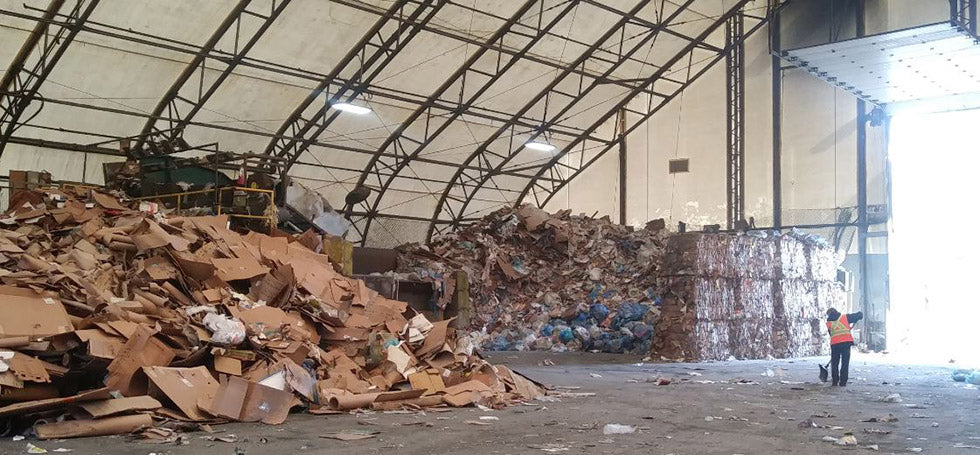
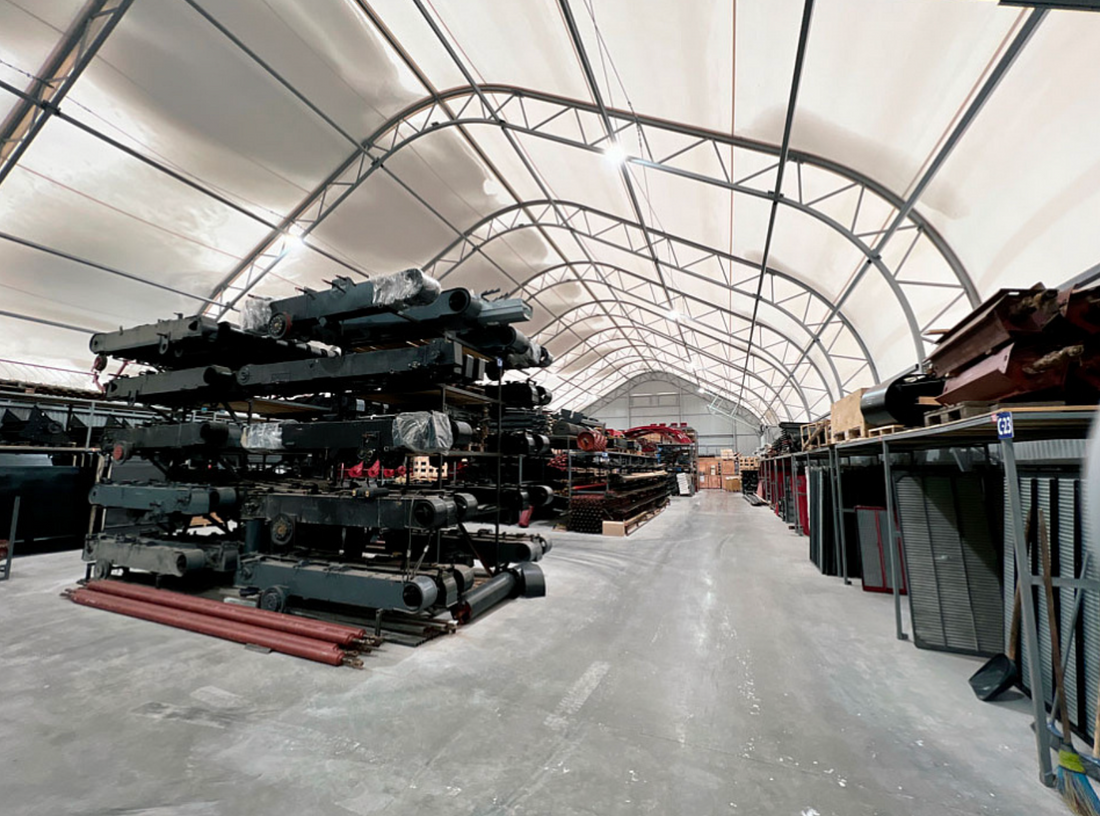
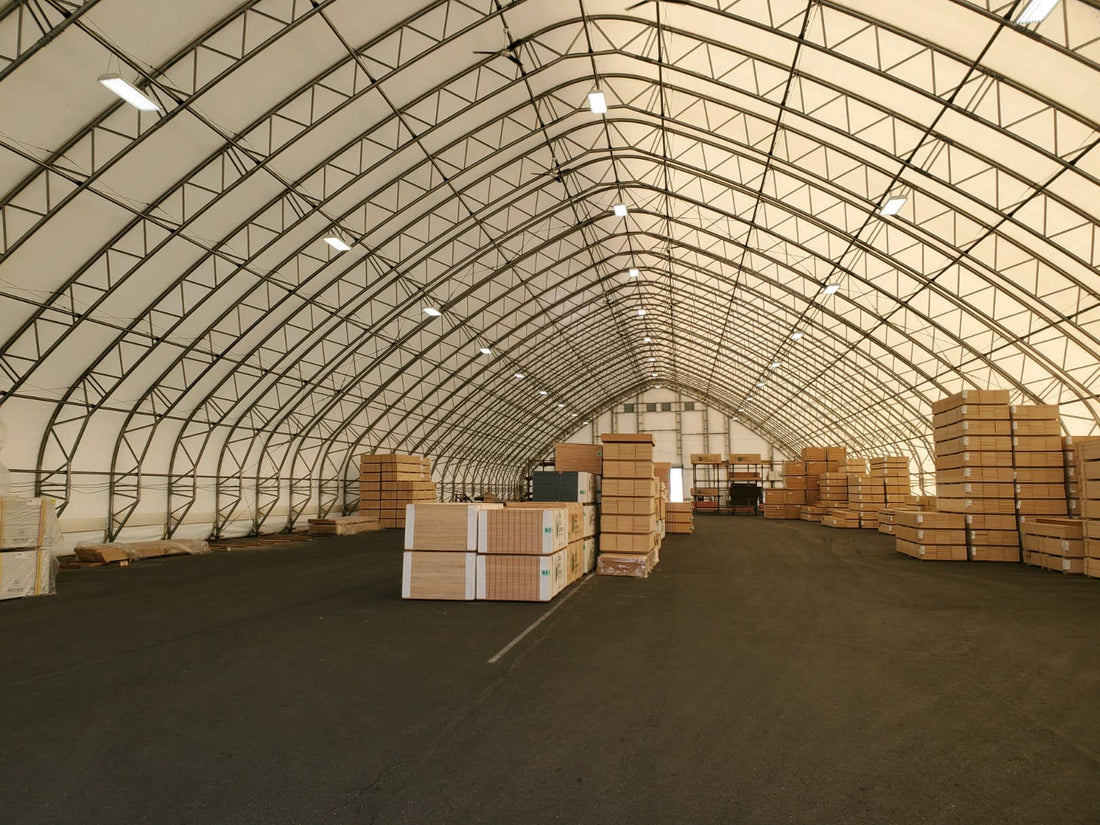
Construction Shelters help reduce these problems by creating a defined protected zone. That zone can be used for:
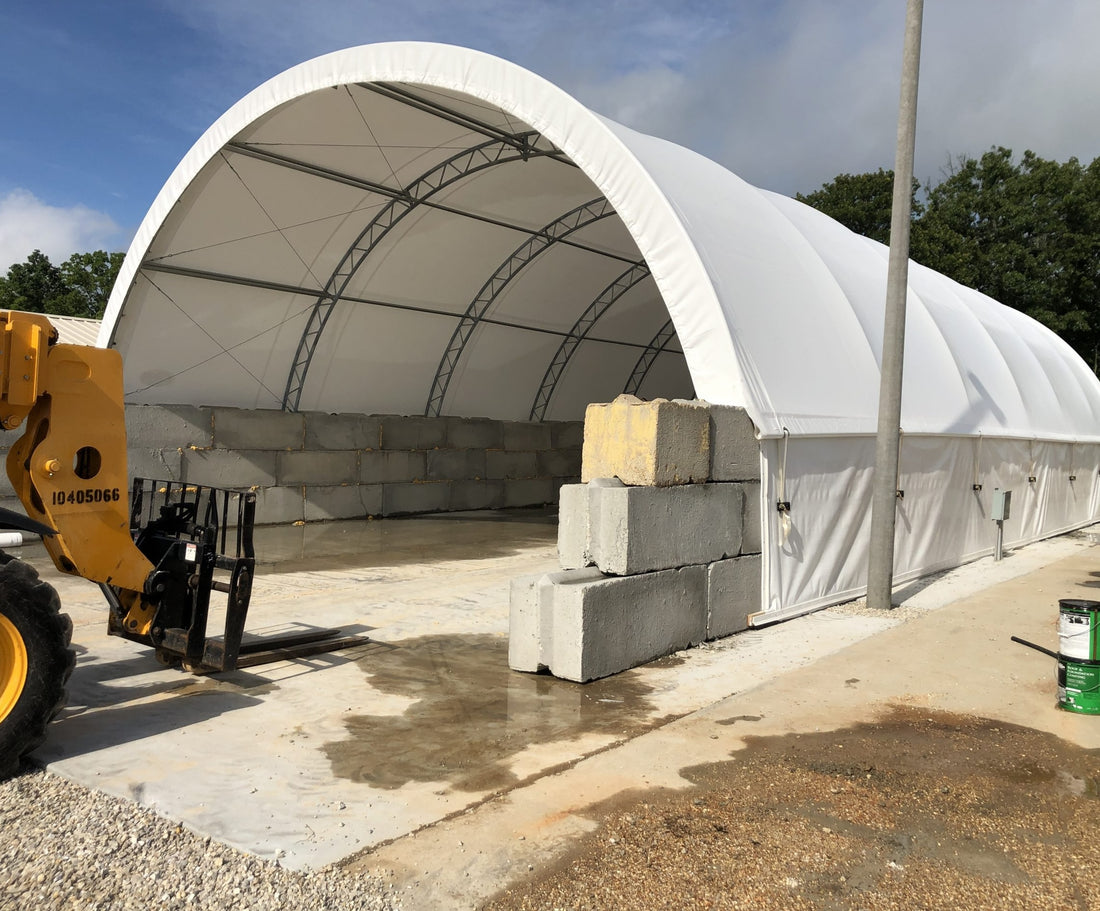
- bulk material storage
- tool and equipment cover
- temporary warehousing
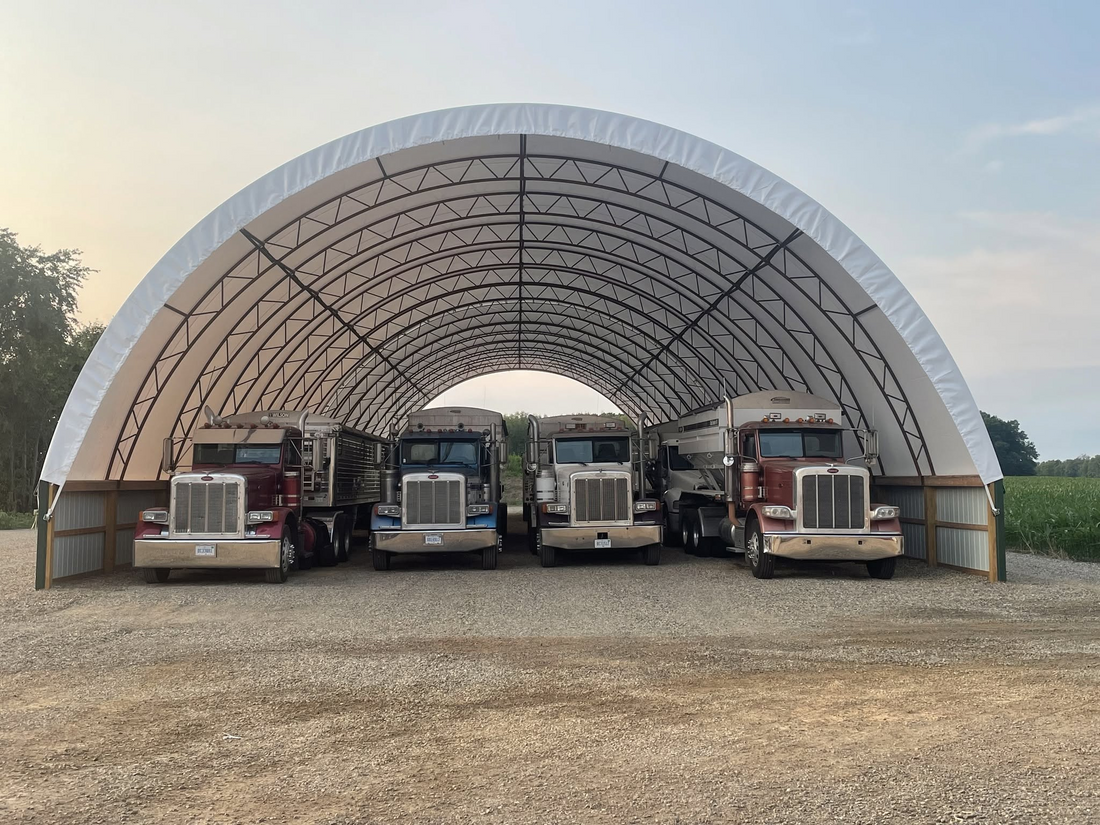
- loading protection
- maintenance work
- site compounds
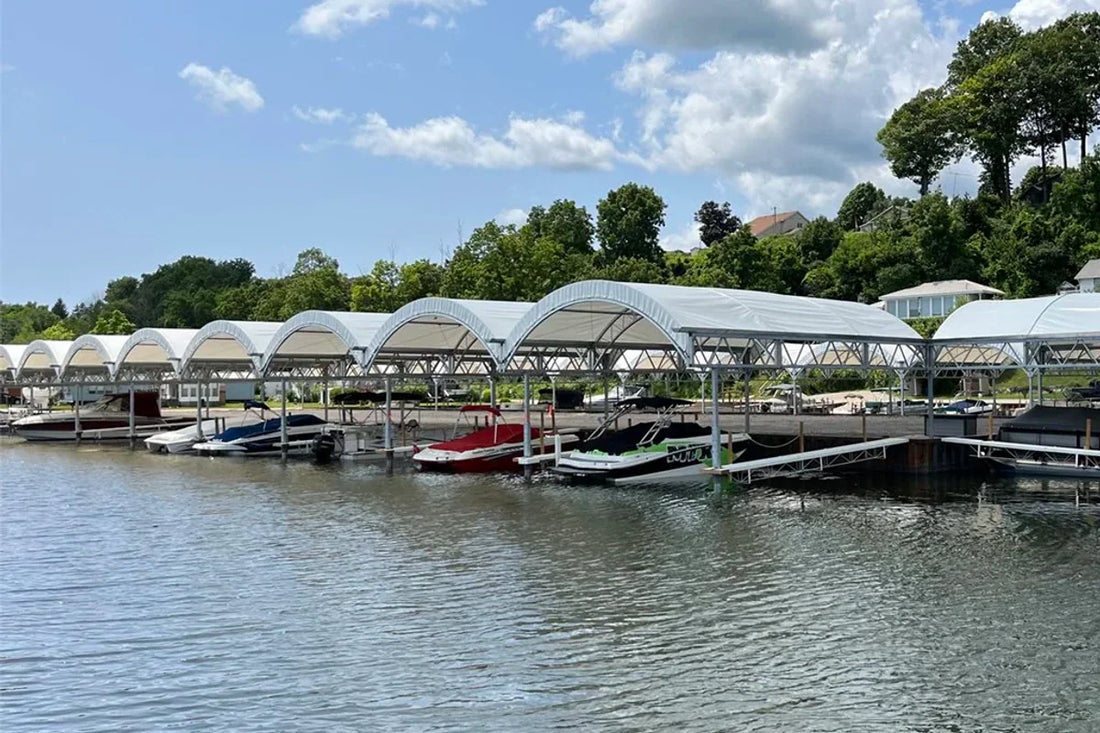
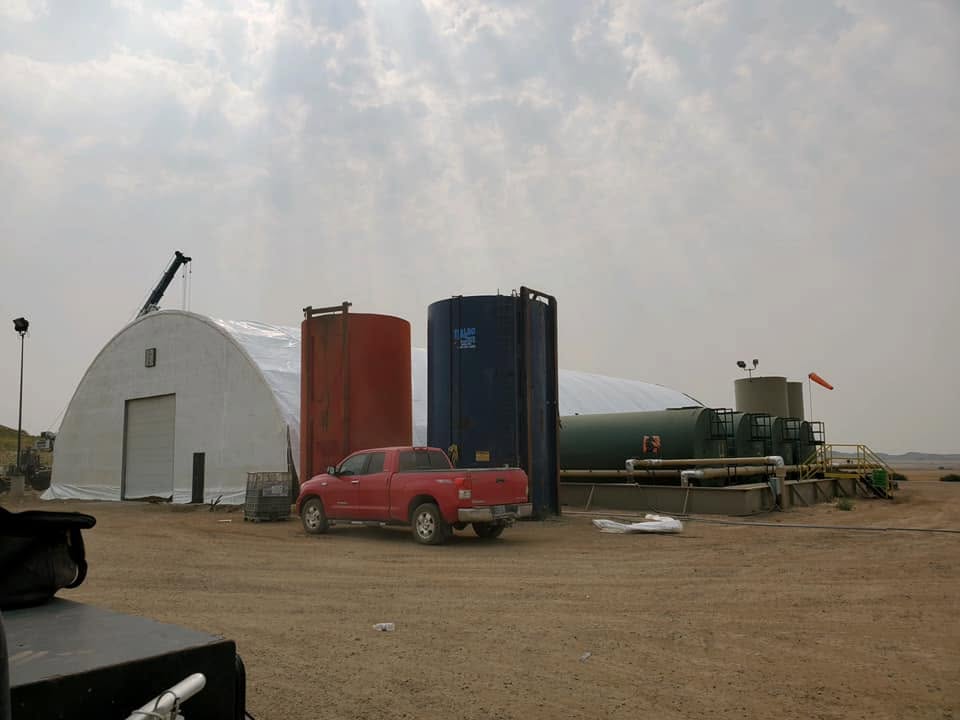
Common uses such as loading canopies, bulk material storage, equipment maintenance cover, site compounds, and temporary works. It also states that its structures are used in construction and infrastructure projects.
When materials are stored better, crews waste less time searching, cleaning, drying, or replacing items. When equipment is protected, there is less downtime caused by weather exposure.
6. Worker Safety, Comfort, And Productivity

A more efficient site is usually a safer site too. Crews work better in cleaner, more controlled spaces. Covered areas can reduce slipperiness, improve visibility in some work zones, and create a more predictable environment for certain tasks.
Shelters also support worker comfort. Shade in hot weather and cover in cold or wet weather can help workers stay focused. That matters during long shifts.
Structures are designed for project-specific conditions and can be engineered to meet local or International Building Code load requirements, including wind and snow needs when required.
That kind of planning is important because safe shelter performance supports both worker protection and steady operations.
7. Where Formex Construction Solutions Fit In
Not every worksite can use a standard shelter size. Some projects need special clearance, custom openings, or unusual dimensions. That is where Formex Construction Options become useful.
Formex is its bespoke engineered fabric structure line built to exact project requirements. It also notes that custom steel specs, door kits, end walls, lighting, and accessories can be included.
This is helpful for projects that need:
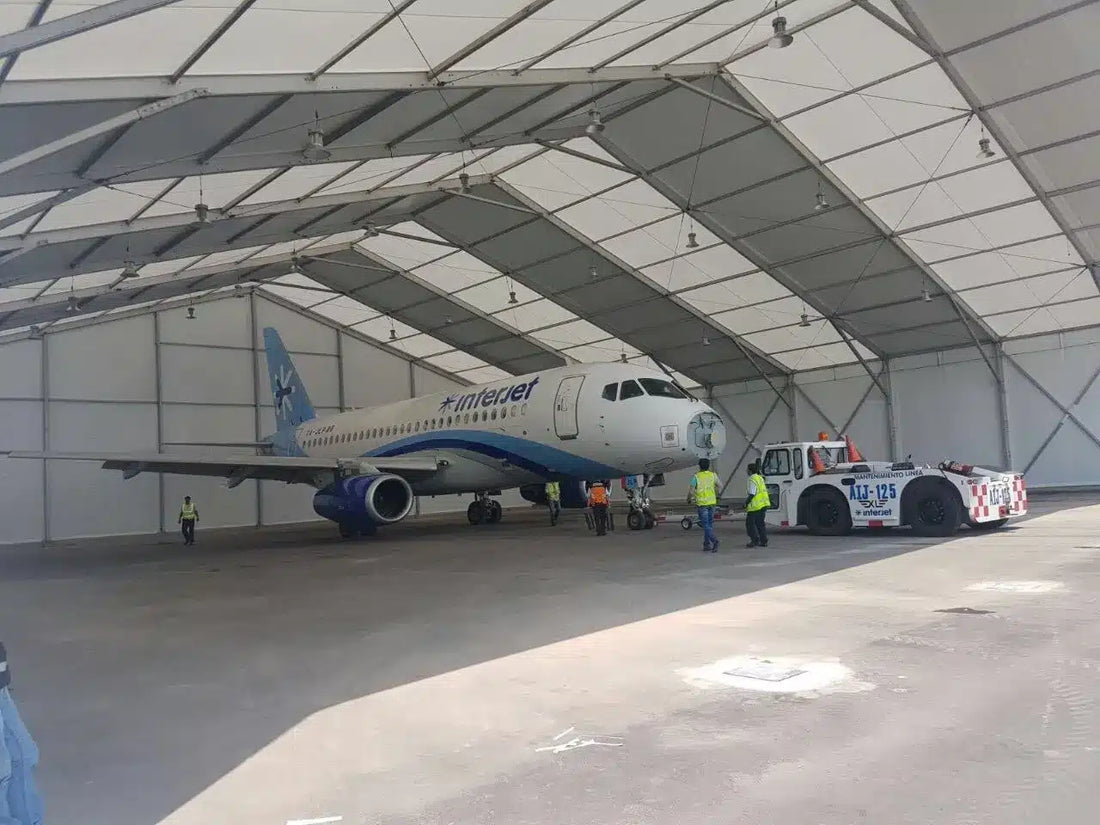
- custom height for equipment access
- special entry and exit points
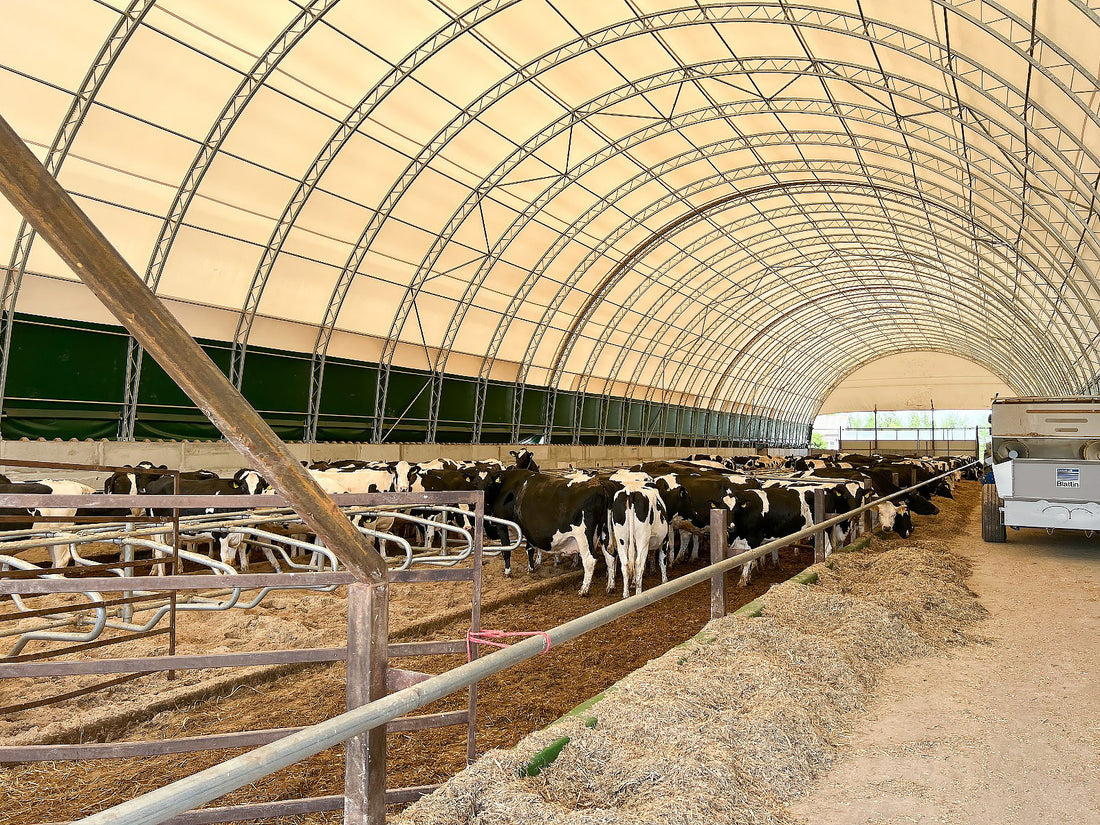
- larger spans
- enclosed or partly enclosed work areas
- unique site layouts
A more tailored shelter can improve efficiency because the structure fits the work instead of forcing the work to fit the structure.
8. What To Consider Before Choosing A Shelter
Before selecting construction site shelters, it helps to ask a few clear questions:
- What work will happen under the shelter?
- How fast is the space needed?
- Will the shelter stay in one place or move later?
- What weather conditions will it face?
- Do materials or machines need special clearance?
- Will local permits or stamped drawings be required?
Permit needs vary by jurisdiction and that many temporary structures may still require a permit, site plan, and supporting documentation.
The right shelter is not only about size. It is about how well the space supports the real jobsite workflow.
FAQs
What Are Construction Shelters Used For?
Construction Shelters are used for storage, loading cover, equipment protection, maintenance space, and temporary work areas on active jobsites.
Are Temporary Construction Shelters Faster Than Permanent Buildings?
Yes. Temporary construction shelters are usually much faster to deliver and install than permanent buildings, which is why many sites use them for urgent space needs.
Can Construction Site Shelters Be Moved To Another Project?
Many modern construction site shelters are relocatable. Some systems are designed to be dismantled, moved, and reinstalled with minimal downtime.
What Makes Fast Construction Shelters Useful?
Fast construction shelters help crews respond quickly to space shortages, weather issues, and project changes without waiting for permanent construction.
What Is Formex Construction?
Formex construction refers to custom fabric-shelter systems designed for specific project needs. These shelters are not one-size-fits-all. They can be designed for different widths, heights, access points, and site conditions, making them useful for jobs that require a more precise setup.
Conclusion
Worksite efficiency depends on more than labor and equipment. It also depends on protected space, better flow, and fewer interruptions. Construction Shelters help solve real jobsite problems by reducing delays, protecting materials, supporting crews, and improving daily organization. When chosen well, they can become one of the most useful tools on the site. For projects that need speed, flexibility, and practical covered space, Sheltirx shows how modern shelter systems can support better work from start to finish.
Need covered space that helps your site work smarter? Explore the right shelter setup before delays start affecting your timeline.