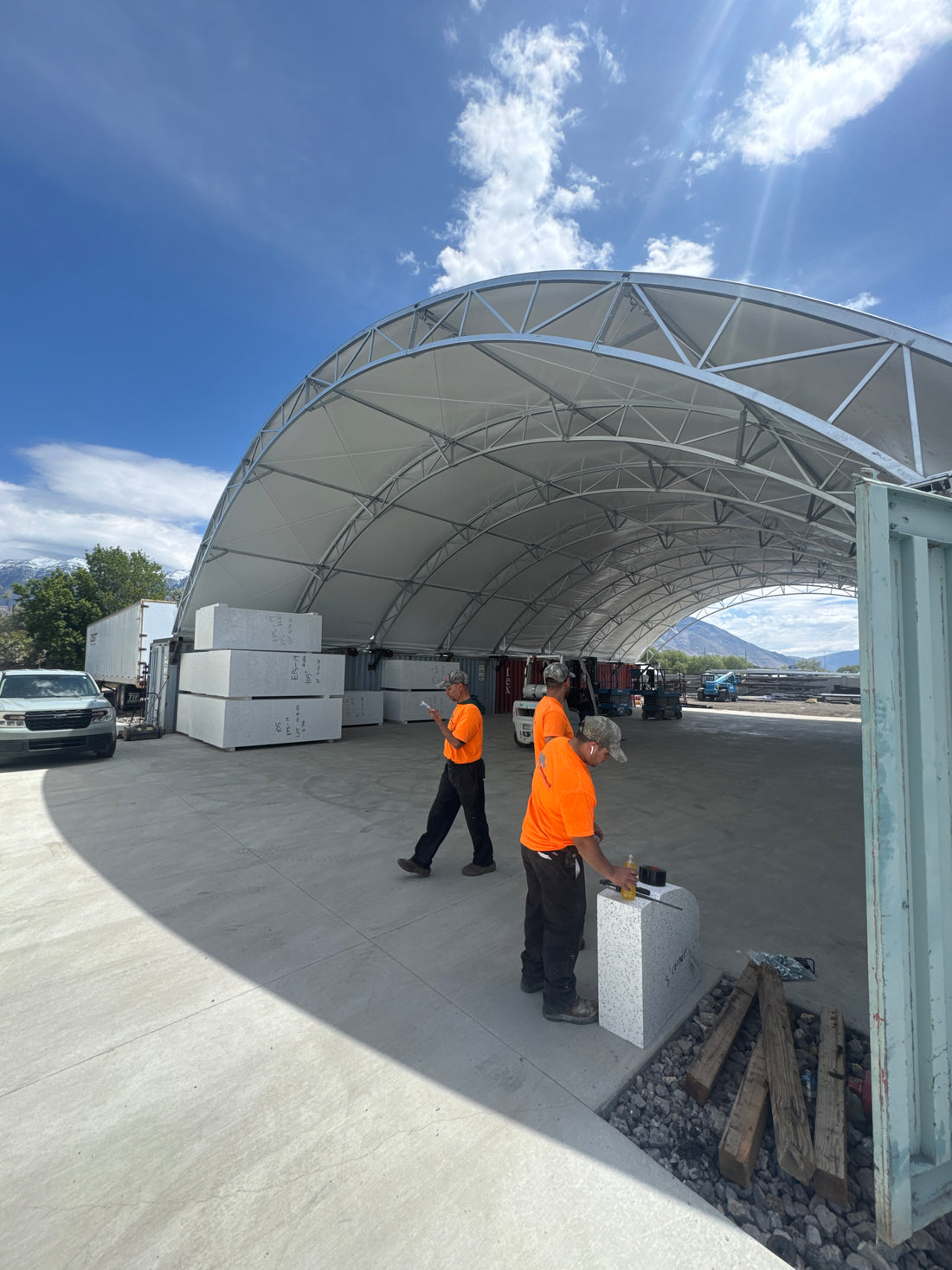
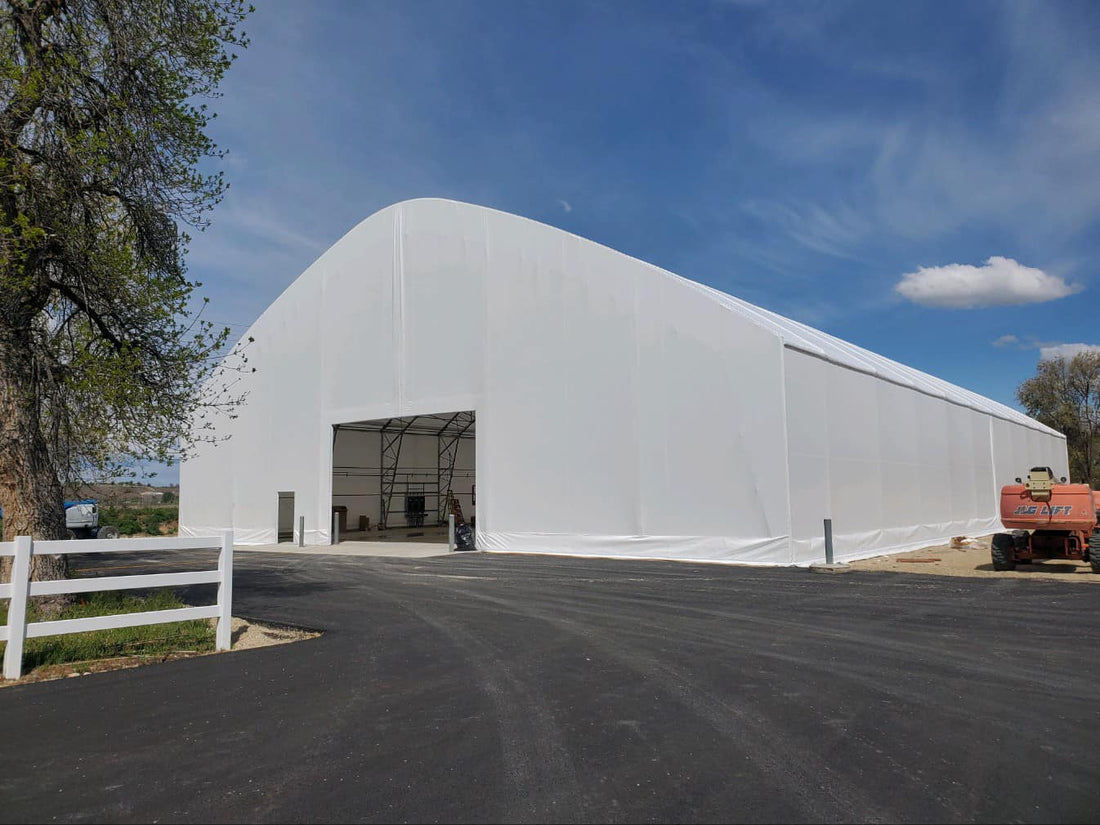
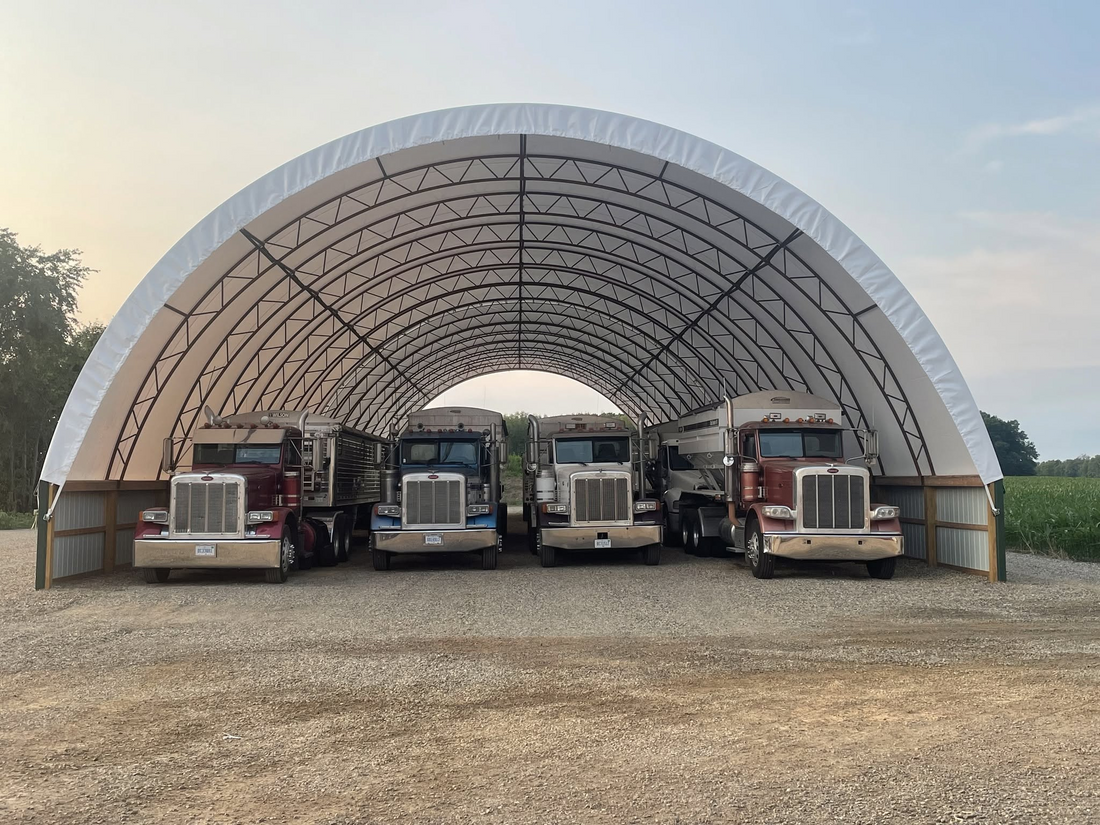
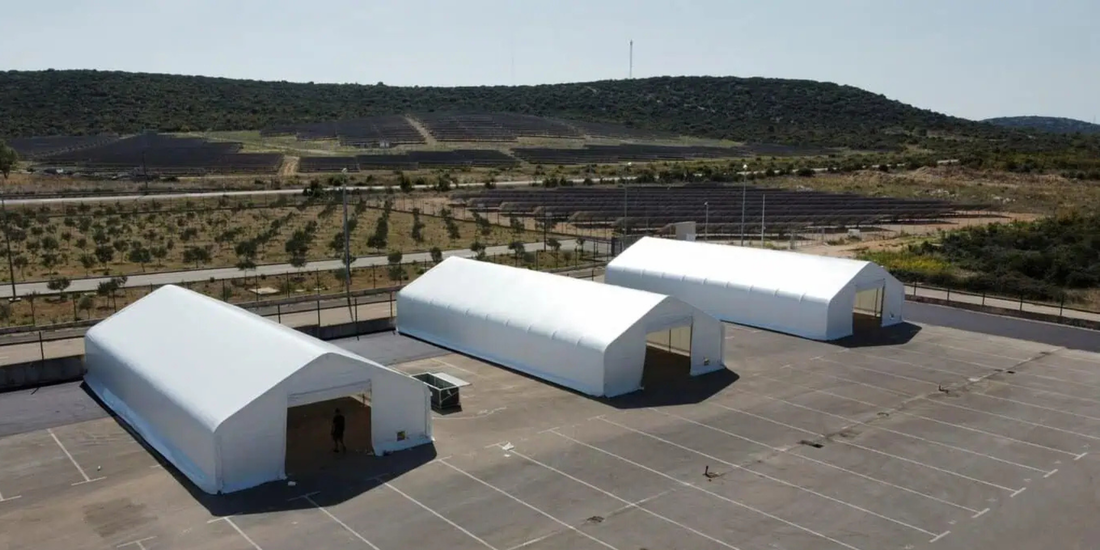

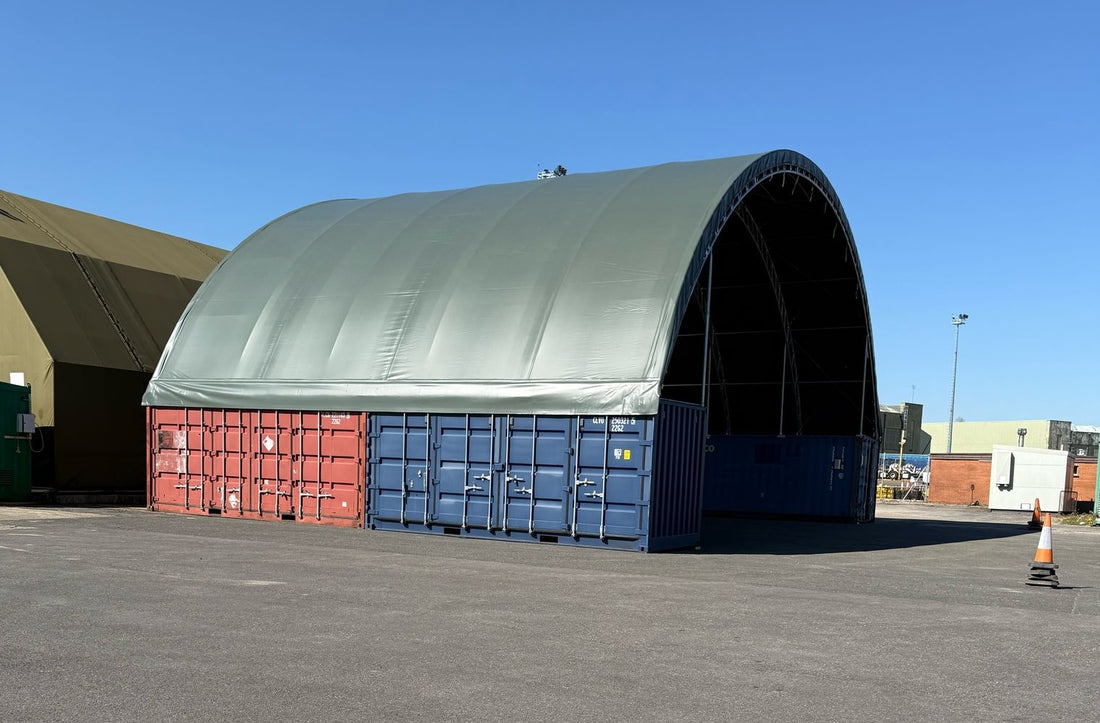

While a container canopy can offer valuable covered storage space, the amount of space it provides can vary based on its size and the way it is set up. The size and position of the shipping containers can also affect the available area.
Generally, the amount of storage space a storage container canopy provides depends on its length, width, and layout. A smaller canopy may cover around 400 square feet, while larger setups can provide several thousand square feet of covered space.
However, the full covered area is not always the same as the amount of space you can use for storage. You may need to leave room for container doors, walkways, forklifts, vehicles, and other site activities.
By understanding the size of the canopy and measuring the available area, you can easily estimate how much storage space a container canopy can provide.
How Much Storage Space Does a Container Canopy Usually Provide?
Container canopies come in a range of sizes, so the amount of storage space can vary from one setup to another. The covered area is based mainly on the canopy's length and width.
A smaller 20 x 20 ft canopy provides about 400 square feet of covered space. Larger canopies can provide several thousand square feet, depending on the size chosen.
Here are some common examples:
|
Canopy Size |
Approximate Covered Area |
|
20 x 20 ft |
400 sq. ft. |
|
20 x 40 ft |
800 sq. ft. |
|
40 x 40 ft |
1,600 sq. ft. |
|
60 x 40 ft |
2,400 sq. ft. |
|
40 x 80 ft |
3,200 sq. ft. |
|
60 x 80 ft |
4,800 sq. ft. |
For example, a 40 x 20 ft container canopy can provide about 800 square feet of covered space. This can give you room for stored goods, equipment, or other items that need protection from outdoor conditions.
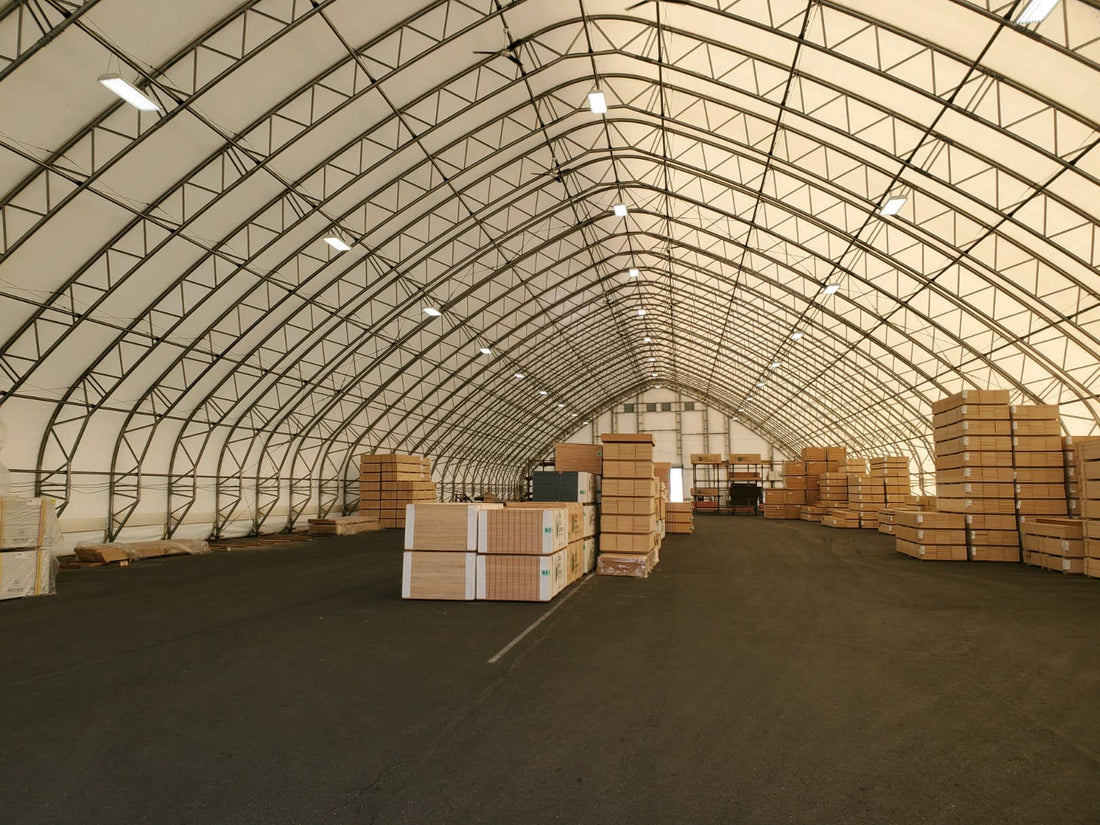
A larger 60 x 40 ft canopy provides about 2,400 square feet of covered space. This can allow more room for large equipment, vehicles, stock, or materials.
Keep in mind that the full covered area may not be available for storage. Space may be needed for container doors, walkways, vehicles, and moving equipment. The amount of usable storage space will depend on how the area is arranged and what you plan to store.
Steps to Check How Much Storage Space a Container Canopy Can Provide
When it comes to checking how much storage space a container canopy can provide, you need to look at the available area, canopy size, and space needed for access. Since the total covered area may not be fully usable for storage, it is important to check each part to ascertain the actual storage space available.
Here are five steps to check how much storage space a container canopy can provide.
1. Measure the Available Area
To check how much space is available for the container canopy, make sure you measure the full area where you plan to install it. Check the length and width of the space and note any buildings, fences, roads, or other structures that may limit the canopy size.
If the canopy will sit between two shipping containers, measure the distance between them as well. This helps you determine which canopy size can fit the available space.
2. Measure the Shipping Containers
Next, measure the containers that will support the canopy. Record their length, width, and height.
Common shipping containers include 20-foot and 40-foot units. However, not every container has the same height or condition. High-cube containers, for example, are taller than standard containers.
Check the containers for added frames, doors, or other changes that may affect the fit. The canopy needs to match the actual setup rather than an assumed container size.
Sheltirx notes that container size should be measured before choosing a canopy, including the exact length, full width, and height to the highest point.
3. Calculate the Covered Area
Once you know the canopy size, calculate the total covered area by multiplying its length by its width.
For example, a 40 x 20 ft canopy would provide:
40 ft × 20 ft = 800 sq. ft.
This gives you the total area under the canopy. It does not mean that all 800 square feet should be filled with stored items.
You may need to leave space around container doors or along walkways. Equipment may also need room to enter and leave the area.
Use the total covered area as a starting point. Then work out how much of that area can be used for storage.
4. Mark Out Access Space
After calculating the covered area, mark the space needed for access. This step is important if you plan to move equipment, pallets, vehicles, or large materials under the canopy.
Keep container doors clear so they can open fully. Leave enough room for people to walk around stored items. If forklifts or other vehicles will be used, allow enough space for them to move and turn.
For example, a 1,600 square foot canopy may provide plenty of covered space, but filling the entire area with pallets could make the space hard to use.
Good storage planning leaves enough room to reach, move, load, and remove stored items.
5. Compare the Space With Your Storage Needs
Finally, compare the available storage space with the size and amount of items you plan to store. Measure large equipment, vehicles, pallets, boxes, or materials and check their length, width, and height.
Think about how often each item needs to be moved. Items that are used often should be placed where they are easy to reach. Larger equipment may need more open space around it.
This check can help you avoid choosing a canopy that is too small for your needs.
Conclusion
A container canopy can provide anywhere from a few hundred square feet to several thousand square feet of covered space. The exact amount depends on the canopy size, container layout, site area, and storage needs.
By following the above-mentioned steps, you can easily estimate the available storage space and choose a container canopy that suits your needs.
Are you looking for a container canopy that provides the right amount of storage space? Sheltirx offers container canopy solutions in a range of sizes, along with custom options for different storage and site needs.
Frequently Asked Questions
Q.Can a Container Canopy Cover Two Shipping Containers?
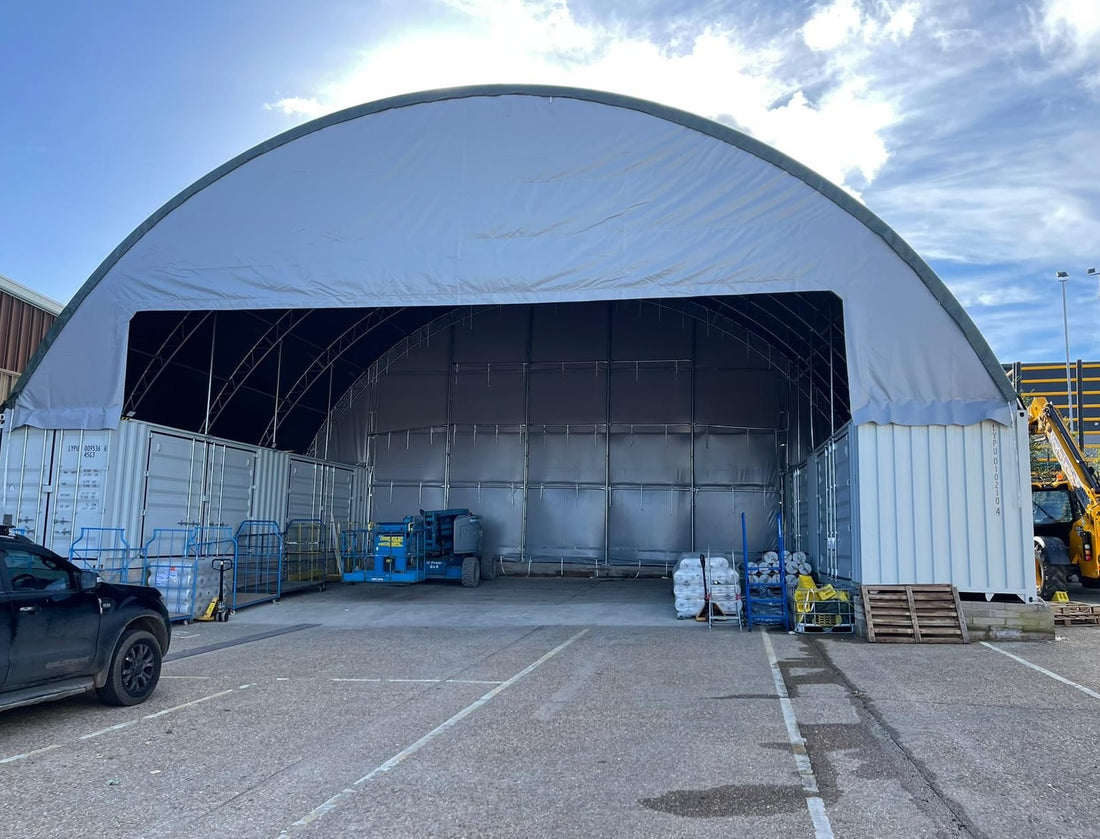
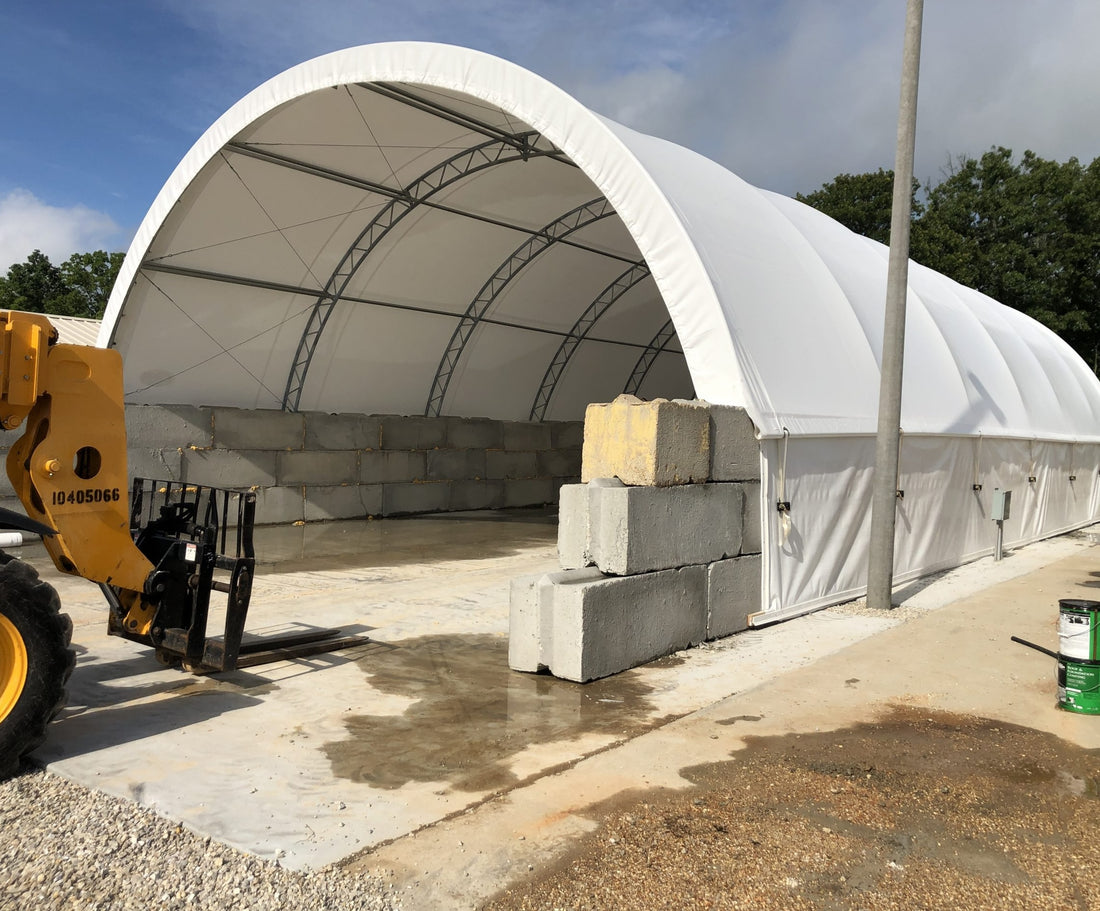
Yes. Container canopies are designed to span the space between shipping containers, with the containers serving as the base for the structure. The size and spacing of the containers need to match the canopy design. Some systems can also be mounted on precast concrete blocks.
Q.Is All the Space Under a Container Canopy Usable for Storage?
No. The total covered area is not always the same as usable storage space. You may need to leave room for container doors, walkways, vehicles, forklifts, and access to stored items.
Q.Can a Container Canopy Be Used to Store Large Equipment?
Yes. Container canopies can provide covered space for machinery, equipment, vehicles, pallets, and other large items. The canopy needs to have enough width, length, and height for the items being stored.
Q.How Can Storage Space Under a Container Canopy Be Used Efficiently?
Start by measuring the items you plan to store. Keep access paths and container doors clear, and place larger items where they will not block movement. It can also help to leave some extra space if your storage needs may increase later.