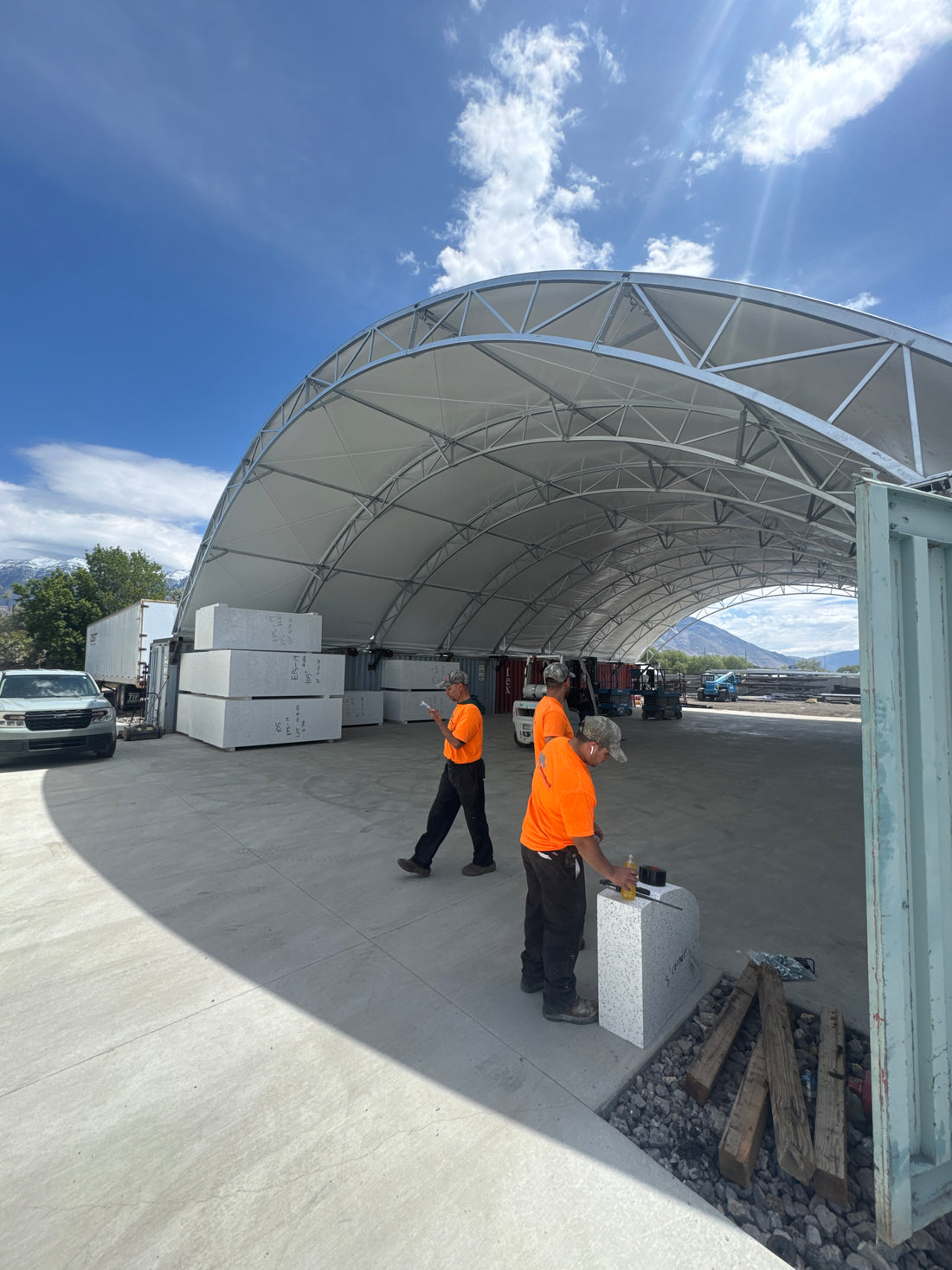
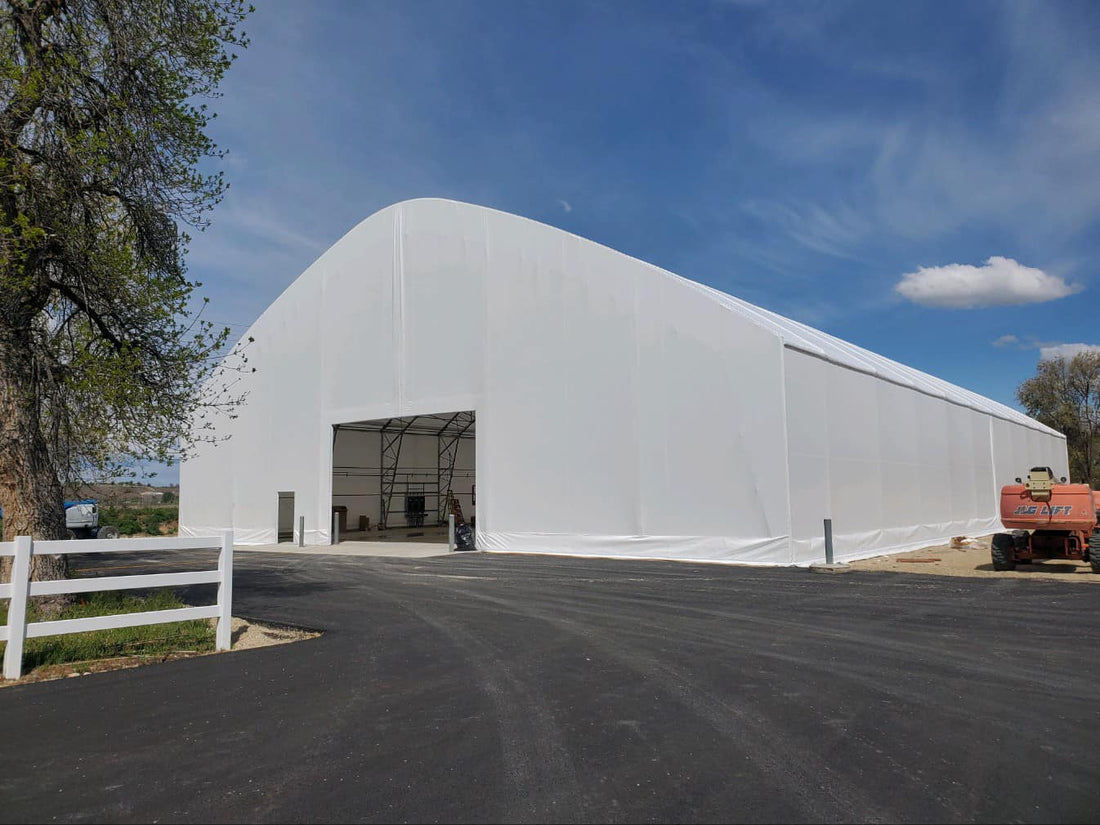
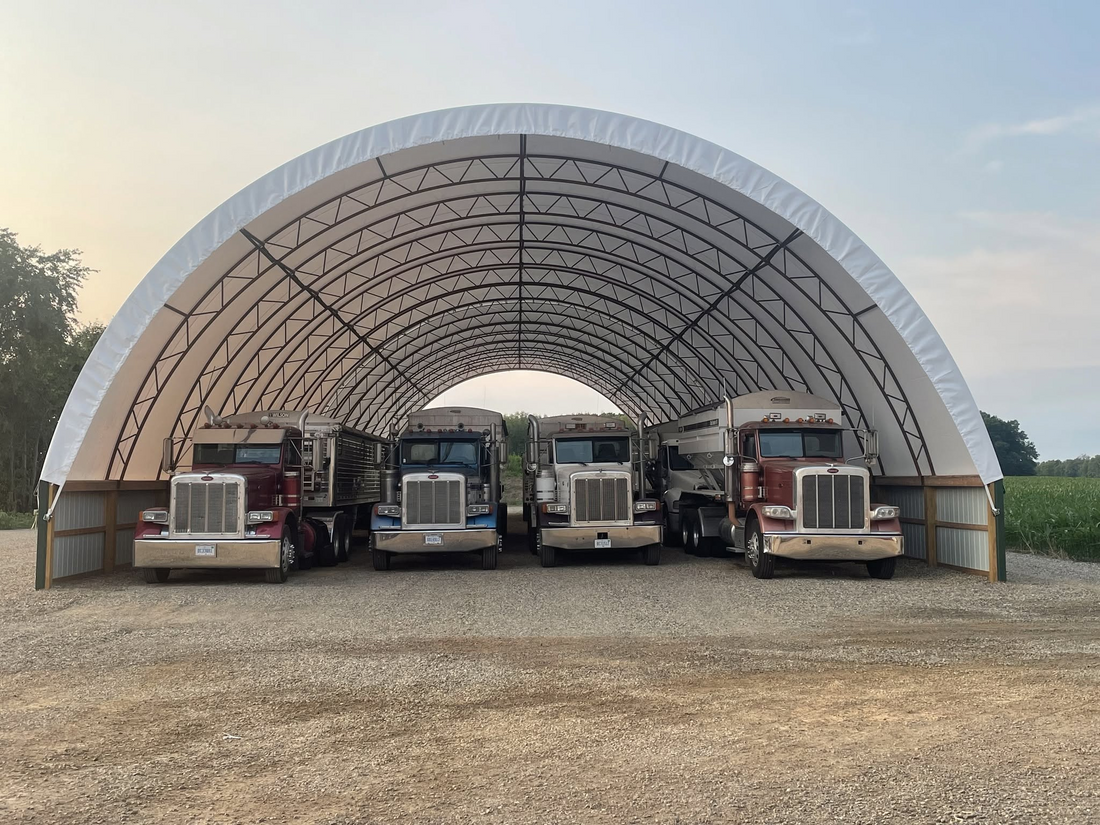
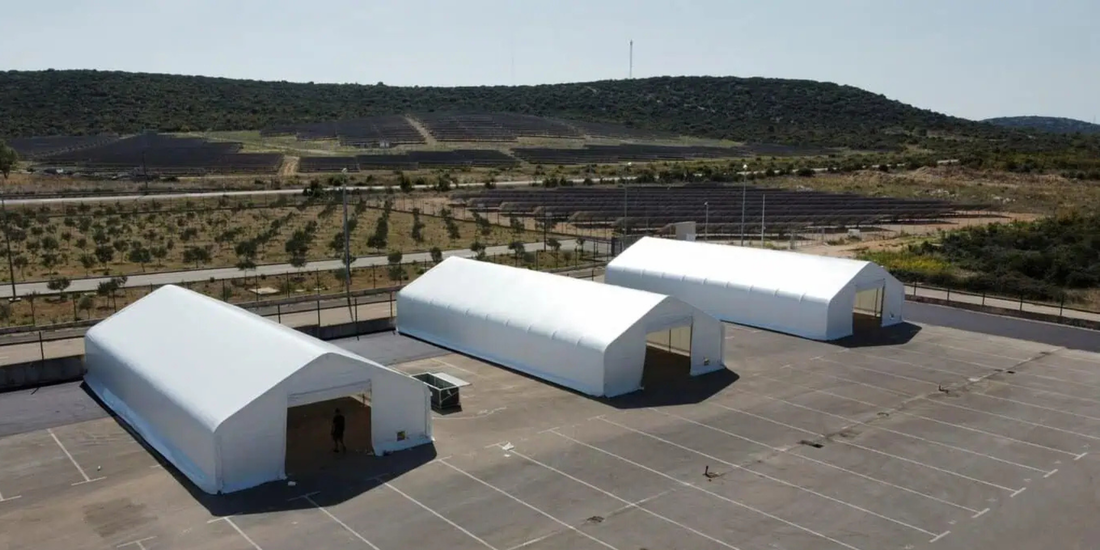
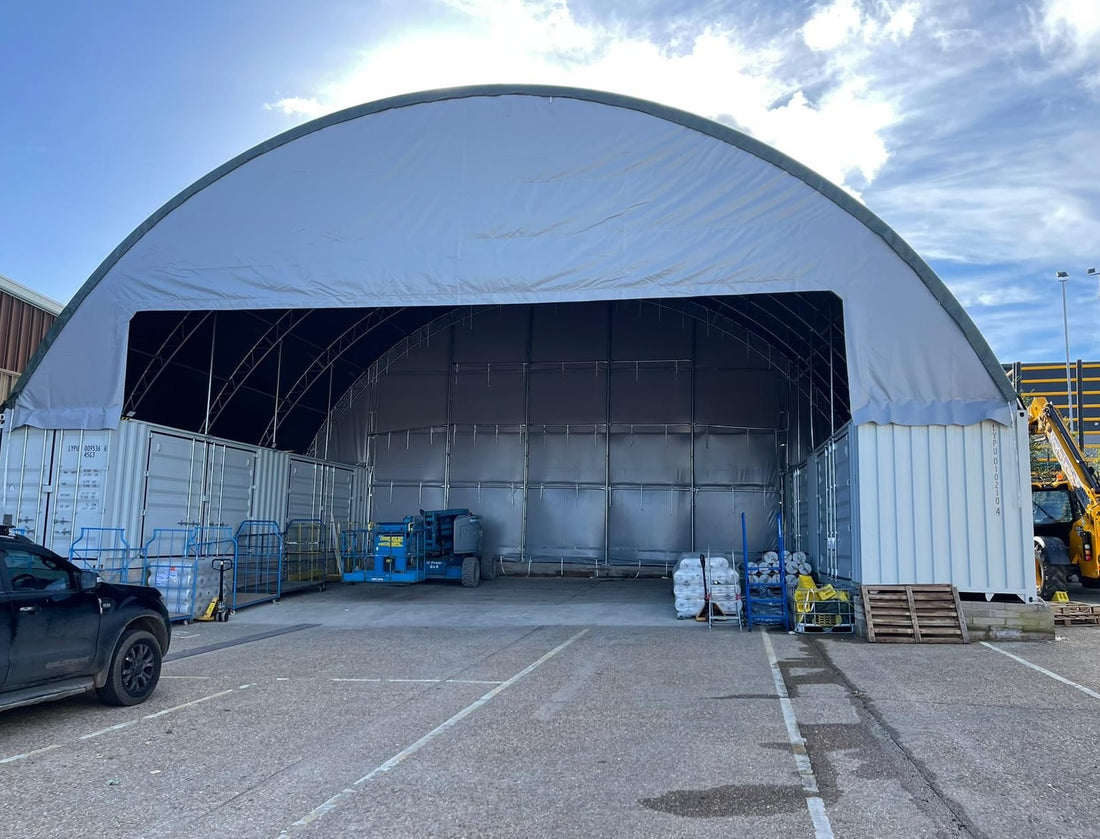
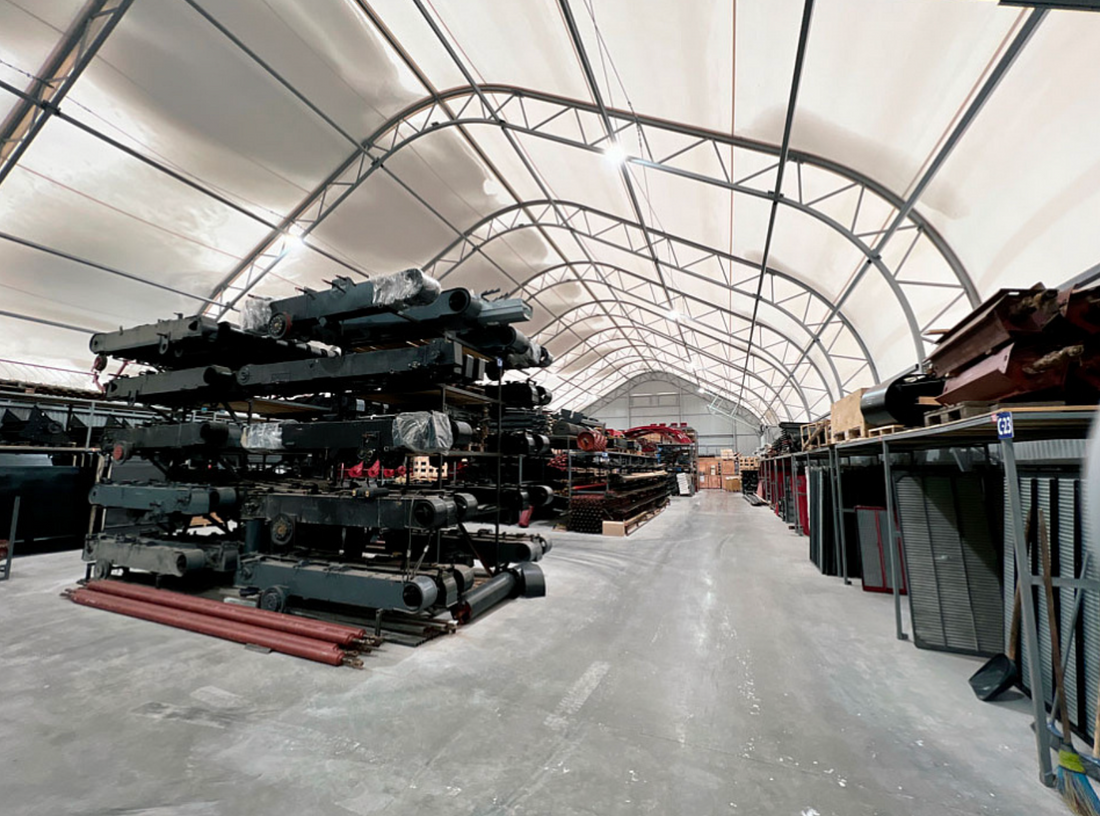
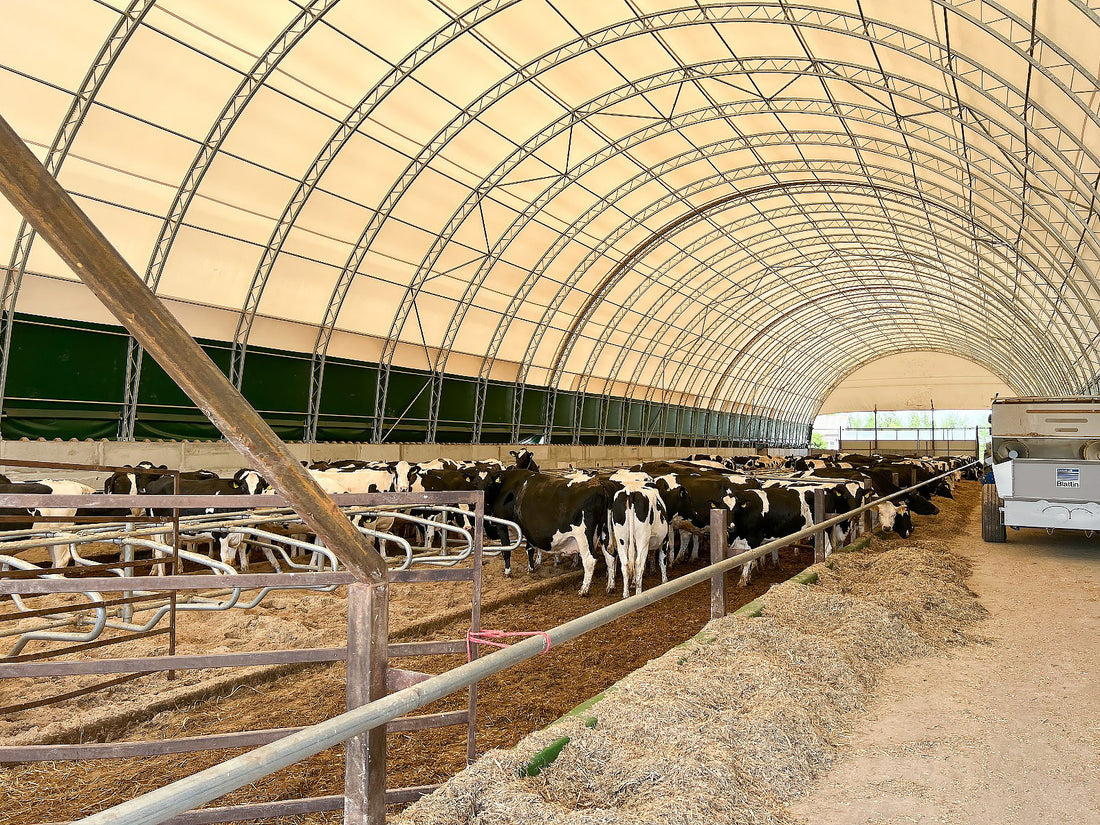

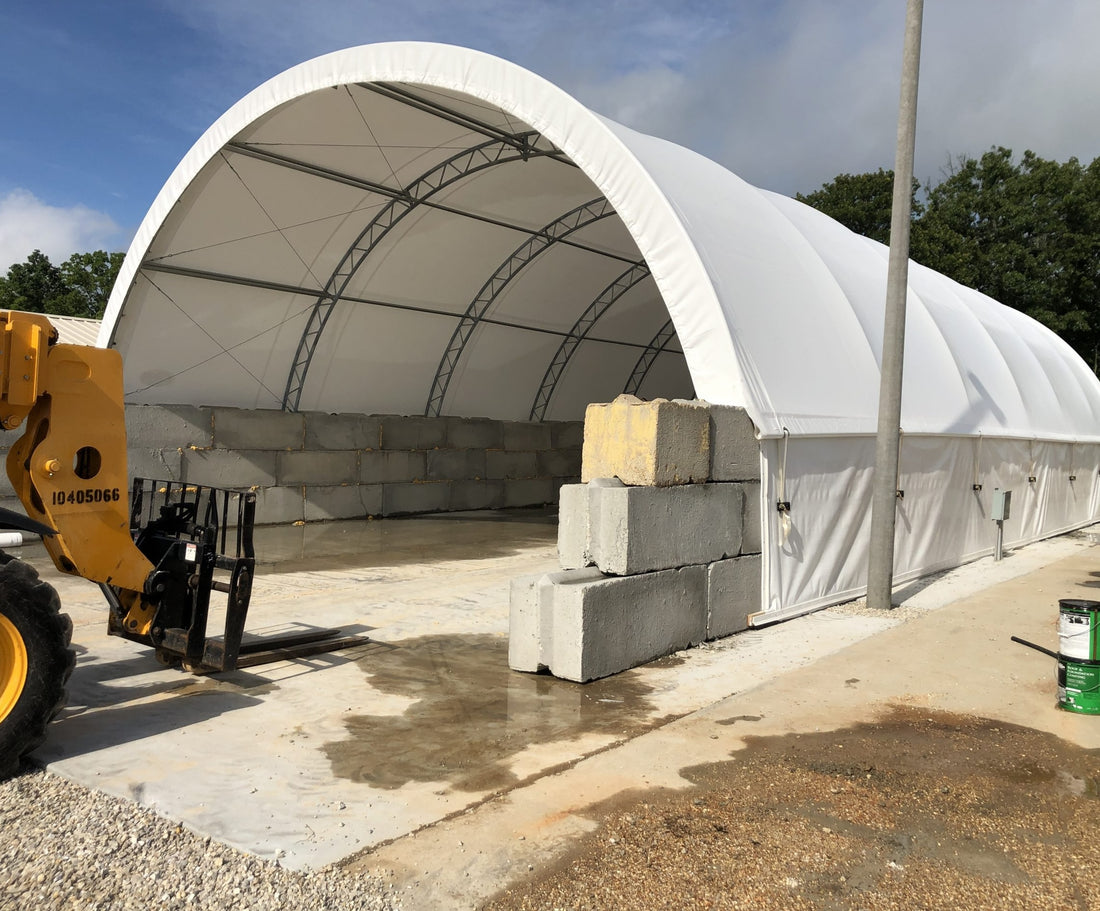
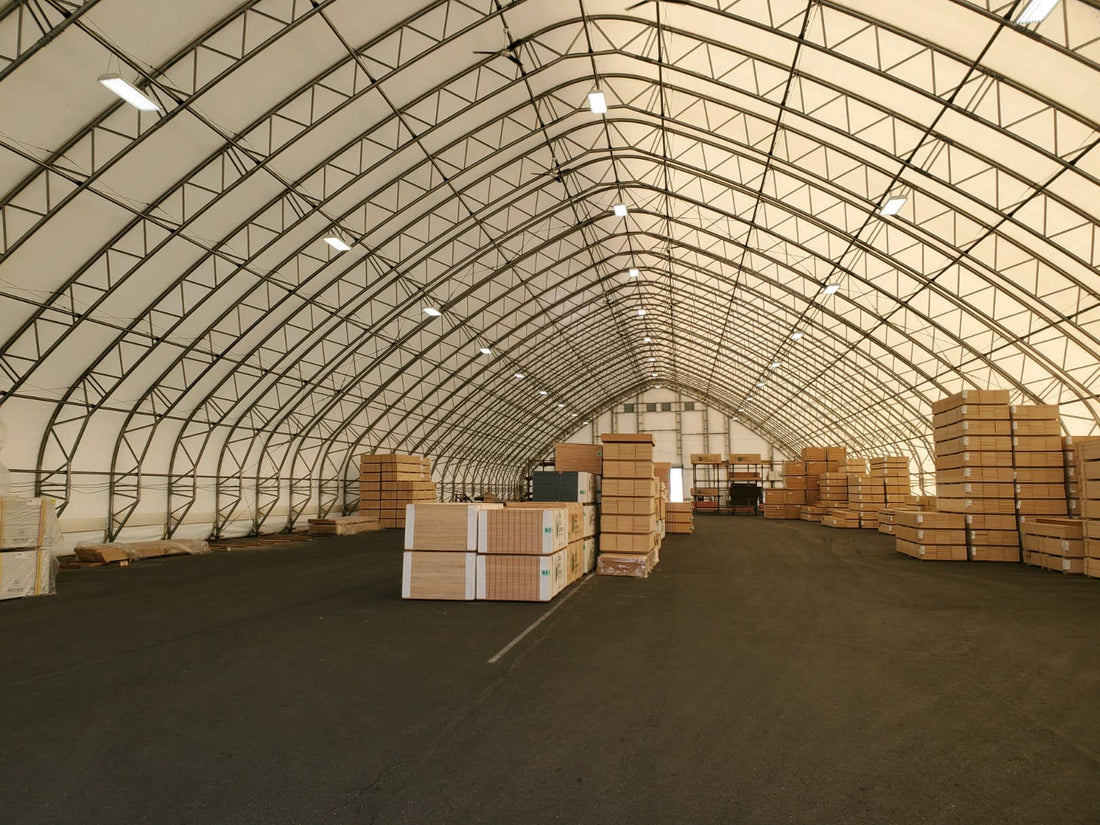


Whether you want to create extra covered space for industrial storage, protect industrial equipment, or add a sheltered work area, a shipping container roof can be a practical option. Not only can it help protect stored items and equipment from rain, sun, and other outdoor conditions, but it can also provide a suitable area for loading, unloading, and other daily storage tasks.
Unlike a permanent building, a container roof can provide covered space without requiring a full enclosed structure. However, while you can find many companies offering shipping container roofs, choosing the right one can be a daunting task. Since different roof systems vary in size, materials, design, and load capacity, the right choice depends on how you plan to use the covered space.
Nonetheless, by doing some research and considering a few key factors, you can find a shipping container roof that suits your industrial storage needs.
Here are five tips to choose the best shipping container roof for industrial storage.
Check the Shipping Container’s Size and Layout
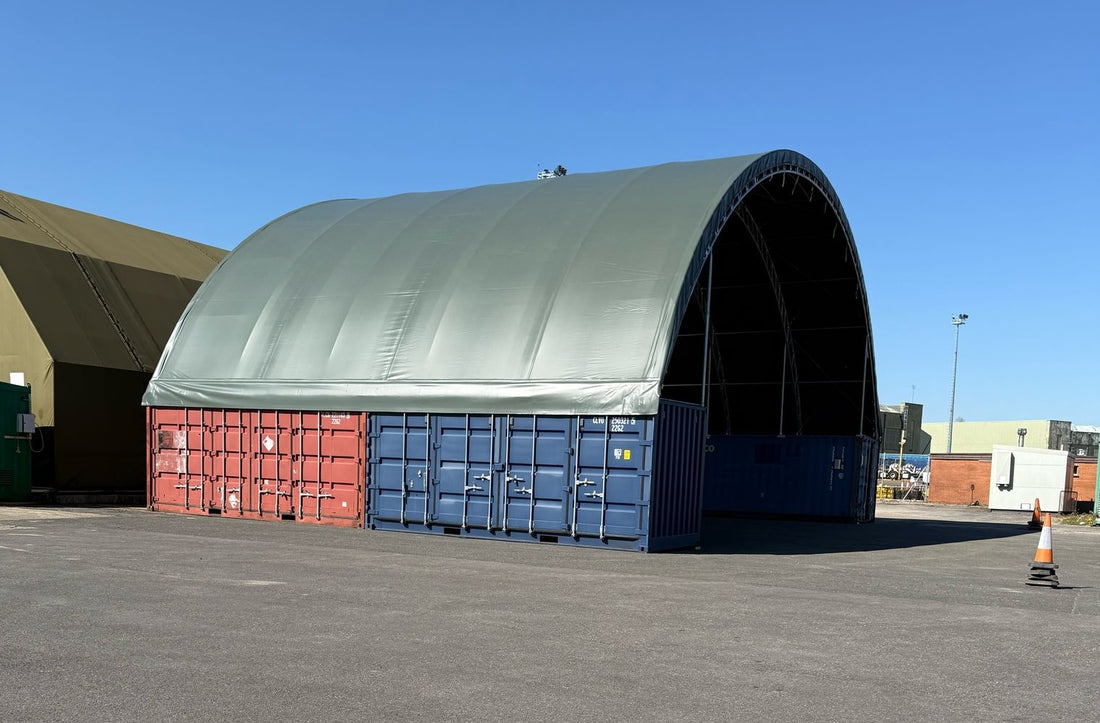
When it comes to selecting the right shipping container roof, make sure you check the size and layout of your shipping containers. The roof should match the space between the containers and provide enough coverage for the area you plan to use.
1. Check the Container Length. Make sure the roof is long enough to cover the planned area. A longer roof may be needed if you want to cover more than one storage or work zone.
2. Check the Container Width. Measure the space between the containers and check the roof span before choosing a system. The width should provide enough room for the items, vehicles, or equipment that will be stored below.
3. Check the Container Height. Make sure there is enough height for people, forklifts, trucks, and other equipment that may need to enter the covered area.
4. Check the Layout. Consider how the containers are arranged and how the covered space will be used. The roof should work with the container placement and leave enough room for storage, movement, and access.
Some container roof systems are available in set sizes, while others can be made in larger or custom sizes. Check the available sizes and compare them with your container dimensions before making a choice.
Choosing a roof that matches your container size and layout can help ensure proper coverage and make the covered area easier to use.
Consider What You Need to Store
In addition to checking the shipping container's size and layout, make sure you also consider what you plan to store under the roof. Industrial storage can include small tools, packaged goods, raw materials, vehicles, and large machines. Each may need a different amount of space.
Think about the size, weight, and handling needs of the items before choosing the roof.
For example, equipment may need enough open space around it for workers to inspect or move it. Pallets may need clear access for forklifts. Vehicles may need more height and room to enter and leave the covered area.
Also consider what the roof is meant to protect. Rain, direct sun, wind, and snow can affect many types of stock and equipment. A covered area can help keep stored items away from direct exposure and make the storage yard easier to manage.
Planning around the items you need to store can help prevent a roof from being too small or difficult to use.
Check the Roof Material and Frame
The roof cover and frame can affect how well the roof protects your storage area and the items kept beneath it. Before choosing a shipping container roof, check the materials used for both the cover and the frame.
1. Choose a Suitable Frame Material. Look for a strong steel frame that can support the roof and check whether it has a finish that helps resist rust when used outdoors.
2. Consider the Roof Cover. Look for a cover made from a material that can handle regular exposure to rain and sunlight. Choose a cover that can provide suitable protection for the items stored beneath it.
3. Review the Load Rating. Find out how much wind, snow, or other loads the roof can handle. Choose a load rating that suits the conditions at your storage site.
4. Assess the Connections. Make sure the roof can be securely connected to the shipping containers. Check that the connection method suits the container setup and the site.
Overall, a suitable frame and cover can help the roof provide reliable protection through changing outdoor conditions.
Consider Your Options
When choosing a shipping container roof, make sure your decision is not based on one factor alone. Compare the different options and check what is included before making a choice.
A lower-quality roof may not offer the materials, size, or protection your industrial storage area requires. At the same time, a premium option does not always mean the roof is the right choice. Look at the frame and cover materials, installation, size, and expected lifespan when comparing your options.
Also, consider how the shipping roof will support your storage needs over time. Choosing a roof based on both quality and value can help you get the coverage and protection your storage area needs.
Think About Future Storage Needs
Industrial storage needs can change. A business may add more equipment, increase stock, or need extra space for loading and repair work.
For this reason, think beyond your current storage needs when choosing a shipping container roof.
Ask yourself whether you may need:
1. More covered storage space
2. Extra room for larger equipment
3. Additional containers
4. A longer covered area
5. Space for vehicles or loading
6. A roof that can be moved to another site
A modular roof system can be useful when storage needs may grow. Some container canopy systems can be extended by adding more bays, which can increase the covered length without replacing the full structure.
Relocation can also matter for businesses that move between sites. Some systems can be dismantled, moved, and reused when storage needs change.
Planning for future needs can help you choose a roof that remains useful as your storage operation changes.
Conclusion
Choosing the best shipping container roof involves more than simply looking at the roof’s price or size. Since different industrial storage sites have different needs, it is important to choose a roof that fits the space and supports the way you plan to use it.
By keeping the above-mentioned tips and tricks in mind, you can find a shipping container roof that suits your industrial storage needs and provides the coverage you require.
Are you looking for a shipping container roof for industrial storage? Sheltirx offers a range of shipping container roofs designed to provide covered space and protection for different industrial storage needs.
Frequently Asked Questions
Q.What Size Shipping Container Roof Is Needed for Industrial Storage?
The required size depends on the container layout, the area that needs to be covered, and what will be stored under the roof. Check the container length, width, height, and distance between containers before choosing a system.
Q.Can a Shipping Container Roof Protect Industrial Equipment?
Yes. A covered container storage area can help protect equipment from rain, direct sunlight, wind, snow, and other outdoor conditions. The roof should be chosen based on the equipment size and the weather at the site.
Q.Can a Shipping Container Roof Cover Multiple Containers?
Yes, some roof systems can cover multiple containers or be extended with additional bays. The container layout, spacing, roof span, support needs and site conditions should be checked before installation.
Q.Can a Shipping Container Roof Be Used All Year?
Yes, a suitable roof can be used throughout the year. The choice should take local weather conditions into account, including rain, wind, snow, and strong sunlight.