

Let's face it, no matter how strong or durable a shipping container is, its roof can still develop rust over time. From heavy rain and moisture to direct sunlight and changing weather, the roof faces many outdoor conditions throughout the year.
Over time, this can cause rust to form, especially when water stays on the roof or the paint gets damaged. Rust may start as a small spot, but it can spread across the metal surface if it is not handled early. Severe rust can weaken the roof, cause leaks, and lead to extensive repair work.
Nonetheless, rust can be prevented by using a shipping container roof cover and taking simple steps to protect the roof from moisture as well as changing weather conditions. With the right care and protection, businesses can help keep their shipping container roofs in good condition for longer.
What Causes Rust on Shipping Container Roofs?
Since shipping containers are often kept outdoors, their roofs are exposed to rain, moisture, sunlight, and changing weather. These conditions can affect the metal surface over time, especially when moisture stays on the roof for long periods. Without proper care, these conditions can affect the roof's condition over time.
The table below shows some common causes and how they can affect the roof.
| Cause | How It Can Affect the Roof |
|---|---|
| Rain and Moisture | Keeps the roof exposed to water and moisture |
| Standing Water | Allows moisture to remain on the roof for longer |
| Damaged Paint | Leaves the steel surface exposed |
| Dirt and Debris | Can keep moisture on the roof surface |
| High Humidity | Adds moisture to the metal surface |
These conditions can increase the chance of rust when they occur often. Knowing what can affect the roof makes it easier to take steps to protect it and keep the container in good condition.
Key Ways to Protect Shipping Container Roofs from Rust
Protecting a shipping container roof from rust does not always require major changes. Simple steps can help reduce moisture exposure, protect the roof surface and keep the container in better condition.
Here are five ways to protect shipping container roofs from rust:
Use a Shipping Container Cover
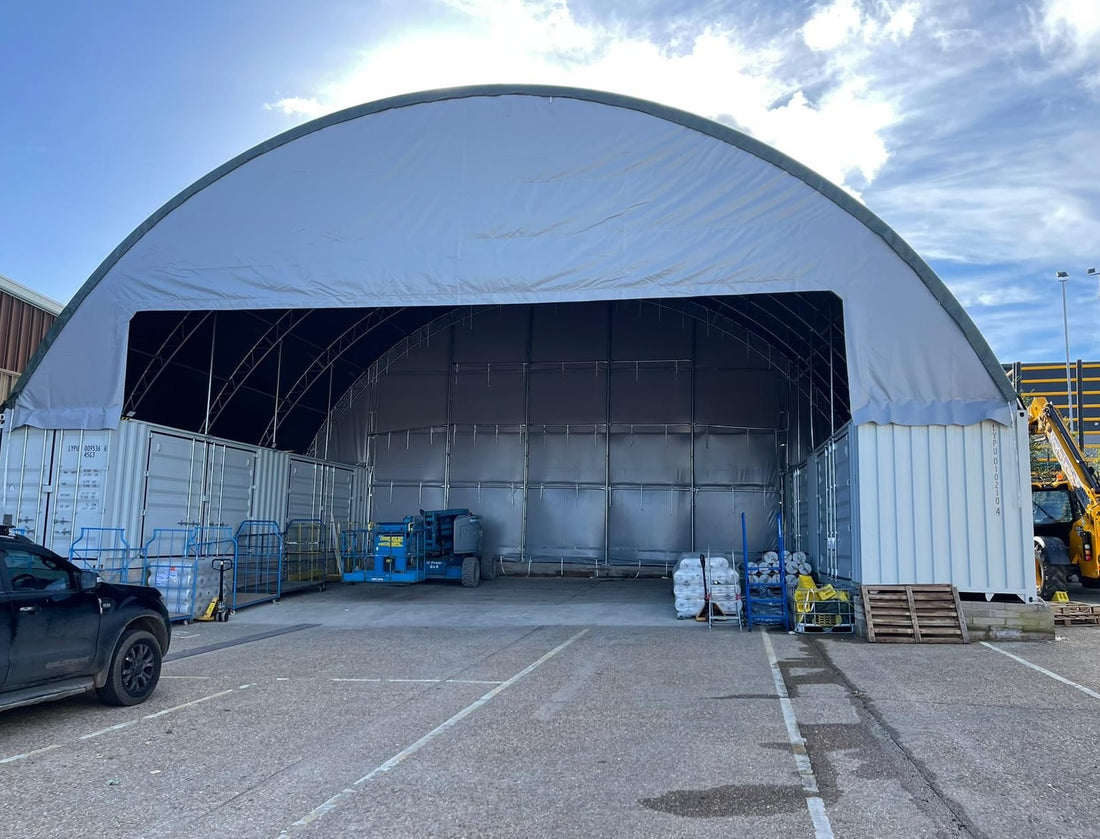
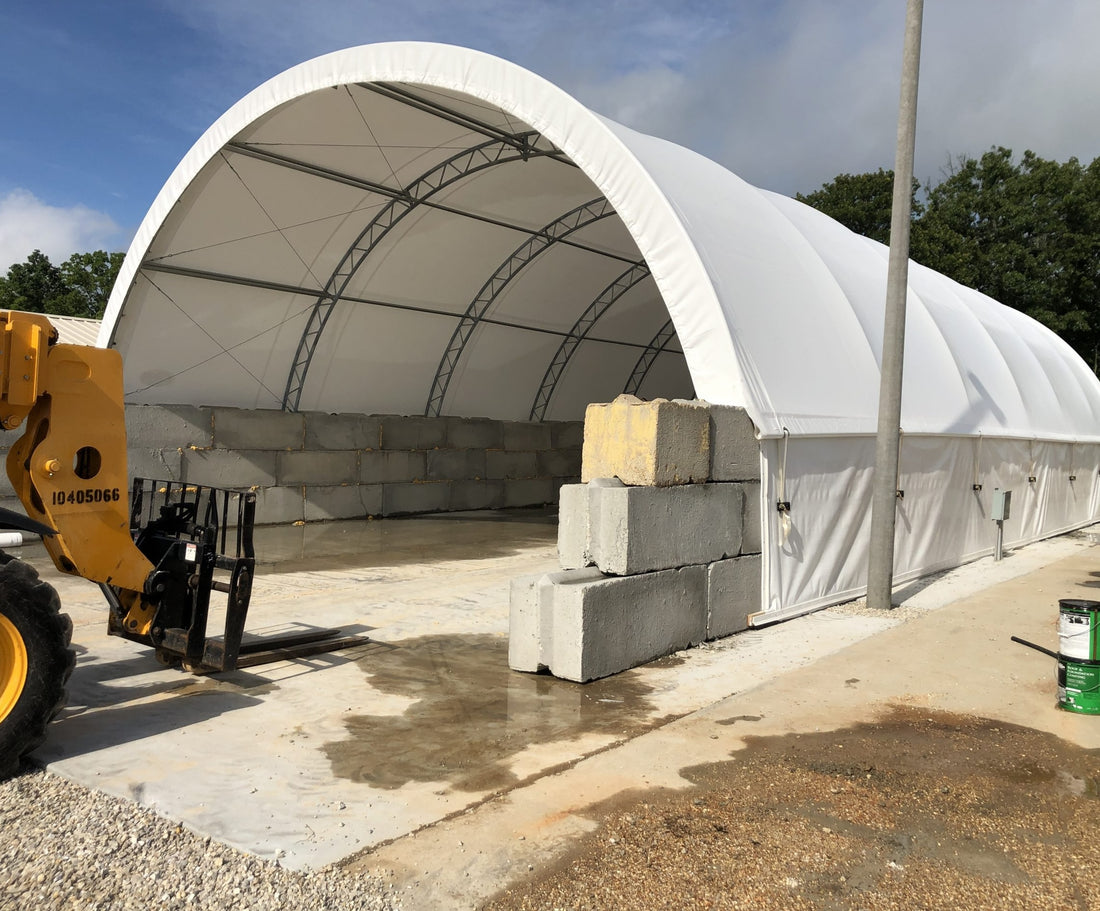
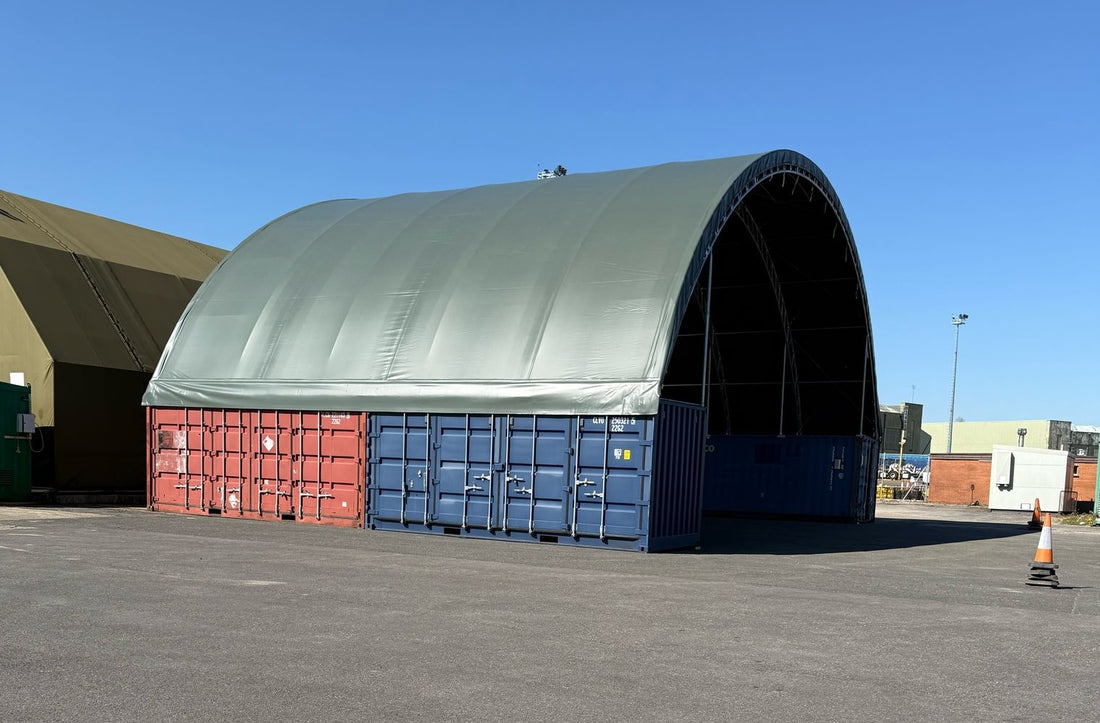
One of the best ways to protect a shipping container roof is by covering it with a durable shipping container cover. A shipping container cover creates an extra layer between the roof and outdoor conditions.
Without a cover, the roof is directly exposed to rain, sunlight, moisture and other weather conditions. Over time, repeated exposure can affect the roof surface and increase the risk of rust, especially when the paint or protective layer is already worn.
A cover can help reduce this direct exposure. It can also provide shade and help limit the amount of rain that reaches the roof.
Shipping container covers can help by:
1. Reducing direct contact with rain and moisture.
2. Limiting direct sunlight on the roof surface.
3. Adding another layer of protection against outdoor conditions.
4. Helping reduce surface wear caused by regular weather exposure.
5. Providing added protection for containers kept outdoors.
A cover can be useful for businesses that keep shipping containers outside for long periods. It can help reduce the impact of changing weather while keeping the container roof better protected.
Keep the Roof Clean and Dry
In addition to covering the roof with a shipping container cover, make sure you keep it clean and dry. Dirt, leaves, dust, and other debris can collect on the roof over time and hold moisture against the metal surface.
Debris can trap moisture on the roof as well as prevent the surface from drying properly after rain. Cleaning the roof often can help remove this build-up and make small signs of rust or damage easier to find.
Businesses can help keep the roof clean by:
1. Removing leaves and other debris.
2. Clearing dust and dirt from the roof.
3. Checking the roof after heavy rain.
4. Making sure water can drain from the surface.
5. Avoiding long periods of moisture build-up.
By keeping the roof clean and dry, you can help reduce moisture build-up and lower the risk of rust.
Check for Scratches and Damaged Paint
Paint helps protect the steel surface of a shipping container roof. When the paint is scratched, chipped, or worn, the steel underneath may become exposed to moisture.
Even a small damaged area can become a starting point for rust. If the damage is left unchecked, rust may spread around the exposed section.
For this reason, the roof should be checked from time to time for signs of surface damage.
During an inspection, look for:
1. Scratches in the paint.
2. Chipped or peeling areas.
3. Worn sections of the roof.
4. Exposed metal.
5. Small rust spots near damaged areas.
By finding scratches and worn paint early, businesses can address damaged areas before they become more serious.
Prevent Water from Pooling
Water pooling is another issue that can increase the risk of rust on a shipping container roof. After rain, water should be able to move away from the roof instead of staying in one place.
Standing water keeps the metal wet for longer. This repeated moisture exposure can increase the chance of rust, especially if the roof already has scratches or damaged paint.
Businesses can reduce water pooling by keeping the roof clear of debris and checking for areas where water collects.
It is also important to look for dents or low areas on the roof. A damaged or uneven section may allow water to stay in one place after rain.
To help prevent water from pooling:
1. Keep drainage paths clear.
2. Remove leaves and other debris.
3. Check for areas where water collects.
4. Look for dents that may hold water.
5. Inspect the roof after heavy rain.
These simple checks can help identify water-related issues early. Keeping the roof free from long periods of standing water can also help reduce moisture exposure.
Perform Regular Roof Inspections
To ensure your shipping container roof stays in good condition, make sure you inspect it regularly for signs of rust or damage. A quick check can help you spot small scratches, rust spots, dents or areas where water collects before they become larger problems.
During an inspection, check for signs such as rust, damaged paint, scratches, dents, holes, or water stains. It is also useful to check areas where moisture may collect.
Regular inspections can help businesses:
1. Find early signs of rust.
2. Identify damaged areas.
3. Spot water pooling.
4. Check the condition of the roof surface.
5. Address small problems before they grow.
By checking the roof regularly, businesses can find problems early and take steps to keep the container in good condition.
Conclusion
Protecting a shipping container roof from rust starts with reducing moisture exposure and keeping the roof in good condition. Rain, standing water, damaged paint, dirt and high humidity can all increase the risk of rust.
Using a shipping container cover can help reduce direct exposure to rain, sunlight, and moisture. In addition, keeping the roof clean, checking for damaged paint, preventing water from pooling, and carrying out regular inspections can also provide further protection.
These steps are simple but can make a huge difference in the condition of an outdoor shipping container. With regular care, businesses can reduce rust-related problems and help keep their containers in good shape.
Are you looking for reliable shipping container covers? Sheltirx offers shipping container covers designed to provide an added layer of protection against outdoor conditions.
Frequently Asked Questions
Q.Does Rain Increase the Risk of Rust on Containers’ Roofs?
Yes, frequent rain can increase the risk of rust because it keeps the roof exposed to moisture. The risk can be higher when water remains on the roof for long periods or when the paint has been damaged.
Q.How to Choose a Shipping Container Cover?
When choosing a shipping container cover, consider the container size, outdoor conditions, material and level of protection needed. The cover should provide suitable coverage and be designed for regular outdoor use.
Q.Can Damaged Paint Lead to Rust on a Container Roof?
Yes, damaged paint can expose the steel beneath it to moisture and air. This can create conditions where rust may form. Checking for scratches, chips and worn paint can help identify areas that need attention early.
Q.Can Roof Dents Lead to Water Build-Up?
Yes, roof dents can create low areas where water collects after rain. If water stays there for long, it can increase moisture exposure and the risk of rust.